

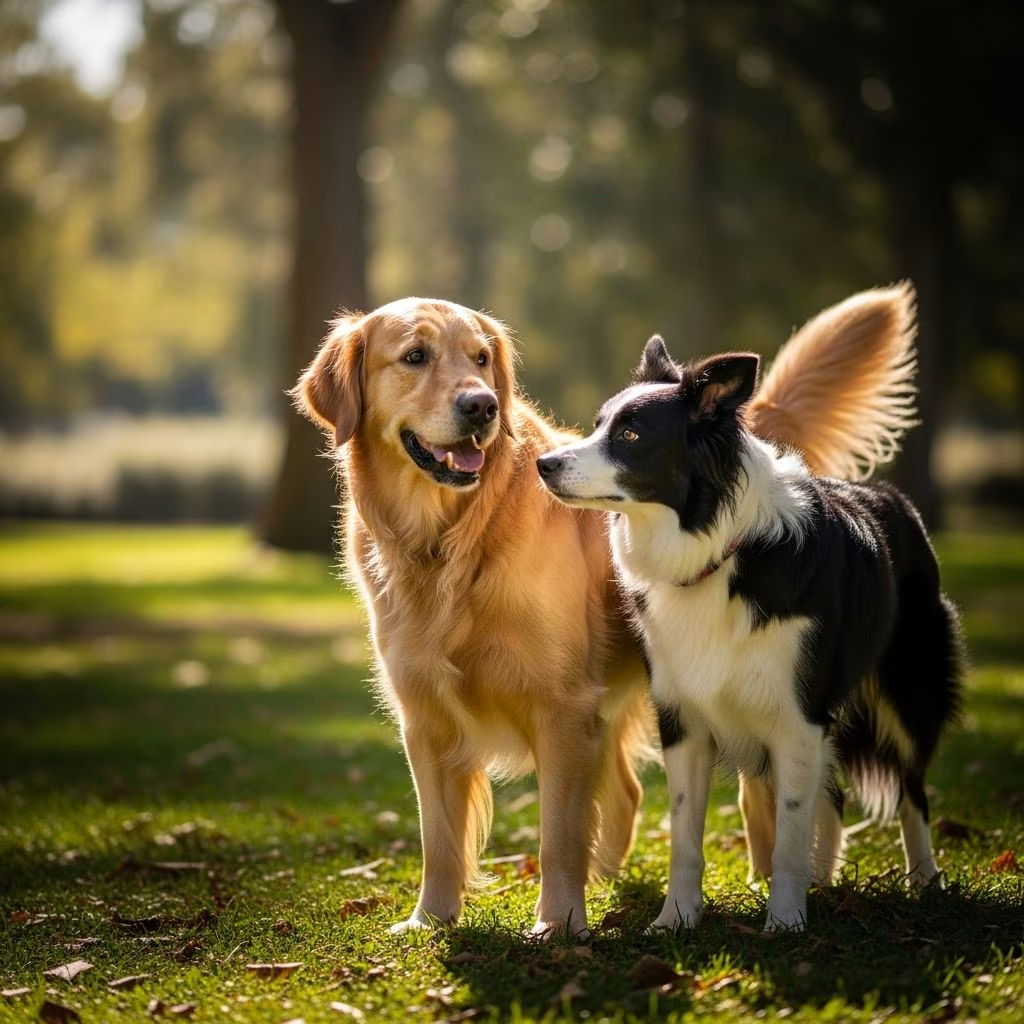
Dogs exhibit complex social behaviors that mirror human friendships, forming preferential bonds with specific companions through play, grooming, and mutual support. These relationships stem from their pack-oriented instincts and can enhance their emotional well-being.
The Social World of Dogs
Dogs are inherently social animals, descended from wolves that thrived in cooperative packs. This heritage influences how modern dogs interact, prioritizing group harmony and individual alliances. Research shows dogs display attachment behaviors, such as proximity-seeking and distress upon separation, indicating emotional connections akin to friendships.
In multi-dog households or dog parks, observable preferences emerge. A dog might ignore most peers but engage enthusiastically with one particular playmate, suggesting selective bonding based on compatible energy and play styles.
Signs Your Dog Has a Close Canine Companion
Recognizing dog friendships involves watching for consistent, positive interactions. Key indicators include:
- Excited greetings like vigorous tail wagging, playful bows, or joyful barking upon reunion.
- Prolonged play sessions featuring chasing, wrestling, or tug-of-war without escalating to aggression.
- Physical closeness, such as sleeping curled together or mutual grooming.
- Protective behaviors, where one dog checks on the other during rest or stress.
- Separation anxiety, manifested as whining or pacing when apart.
These signs reflect trust and enjoyment, foundational to canine bonds. Breeds like Chihuahuas often show intense loyalty to select individuals, shadowing their preferred friend.
Pack Instincts and Friendship Formation
Dog packs, whether wild or domestic, operate on hierarchies tempered by cooperation. Within these groups, sub-bonds form between pairs, often siblings or long-term housemates. Dogs establish roles through subtle cues like body language, fostering stability.
Initial meetings set the tone: well-socialized dogs approach with loose postures and play invitations, building rapport over repeated encounters. Factors like similar size, age, and temperament accelerate bonding, as mismatched pairs risk conflict.
| Factor | Influences Bonding | Example |
|---|---|---|
| Energy Level | High compatibility leads to sustained play | Two energetic retrievers chasing endlessly |
| Play Style | Matching preferences prevent frustration | Wrestlers pair better than chasers |
| Past Experiences | Positive history strengthens ties | Puppies from same litter reunite joyfully |
| Breed Traits | Some breeds seek deeper attachments | German Shepherds bonding with family packs |
Dog Social Personalities: Who Makes Friends Easily?
Not all dogs socialize identically; individual personalities shape friendship potential. Understanding these helps tailor interactions.
- Social Butterflies: Thrive in groups, loving novelty and dynamic play. Rare but ideal for busy dog parks.
- Selectively Social: Prefer 2-3 familiar buddies. Most common; benefit from curated playdates.
- People-First: Prioritize humans, tolerating dogs secondarily. Excel in training-focused environments.
- Quiet Observers: Sensitive types needing calm settings to build trust gradually.
Genetics, early puppyhood, and life events mold these traits. For instance, dogs bred for human companionship may form fewer dog bonds.
Inter-Species Bonds: Beyond Dog-Dog Friendships
Dogs often extend friendships across species. Household cats and dogs may groom mutually or cuddle, demonstrating adaptability. Observations note dogs protecting non-canine pals during threats.
Humans remain primary attachments for most dogs, uniquely matching emotional regulation and rule-following. This human-canine symbiosis, honed over millennia, underscores dogs as ideal companions.
Fostering Healthy Canine Relationships
Early socialization is crucial, exposing puppies to diverse stimuli without overwhelming them. Best Friends Animal Society recommends gradual introductions, like parallel walks before off-leash play.
Practical steps include:
- Supervised playdates with compatible dogs.
- Positive reinforcement for calm greetings.
- Group classes for structured socialization.
- Monitoring for stress signals like lip-licking or avoidance.
- Providing downtime to prevent overstimulation[10].
In shelters, group living with careful introductions reduces stress, using drag-leashes for safety.
Challenges in Dog Friendships and Solutions
Not all interactions succeed. Aggression, fear, or mismatched styles can hinder bonds. Intervene early if play turns one-sided or intense.
For shy dogs, start with quiet one-on-one meetings, progressing slowly. Professional behaviorists can assess via body language webinars.
Benefits of Dog Friendships for Well-Being
Strong bonds lower stress hormones, boost playtime, and improve adaptability. Social dogs exhibit fewer behavioral issues and greater resilience. Owners report happier pets with regular “friend time,” enhancing overall quality of life.
Frequently Asked Questions
Do all dogs need dog friends?
No, social needs vary. Some thrive solo with humans; others benefit from peers. Assess your dog’s personality.
How early should I socialize my puppy?
Between 3-12 weeks is prime, but lifelong efforts help. Avoid flooding; use positive, brief exposures.
What if my dogs fight with their “friends”?
Separate immediately and consult a trainer. Reintroduce gradually, prioritizing safety.
Can older dogs form new friendships?
Yes, with patience. Familiar routines and shared activities aid bonding.
Is a dog park always good for socialization?
Not for all; selectively social dogs may stress in crowds. Opt for small, managed groups.
References
- Dog Friendships & Pack Dynamics — DogWatch SEM. 2023. https://dogwatchsem.com/can-dogs-have-best-friends/
- Do Dogs Have Best Friends? — Hill’s Pet Nutrition. 2023. https://www.hillspet.co.id/dog-care/behavior-appearance/do-dogs-have-best-friends
- Understanding Your Dog’s Unique Social Personality — Best Friends Fur Ever. 2023. https://www.bestfriendsfurever.com/understanding-your-dogs-unique-social-personality/
- How Did Dogs Become Our Best Friends? — Texas A&M University. 2023-08-25. https://stories.tamu.edu/news/2023/08/25/how-did-dogs-become-our-best-friends/
- Shelter Dog Socialization Training — Best Friends Animal Society. 2023. https://bestfriends.org/pet-care-resources/shelter-dog-socialization-and-dog-introductions
- How to Socialize a Dog — Best Friends Animal Society. 2023. https://bestfriends.org/pet-care-resources/how-socialize-dog



