

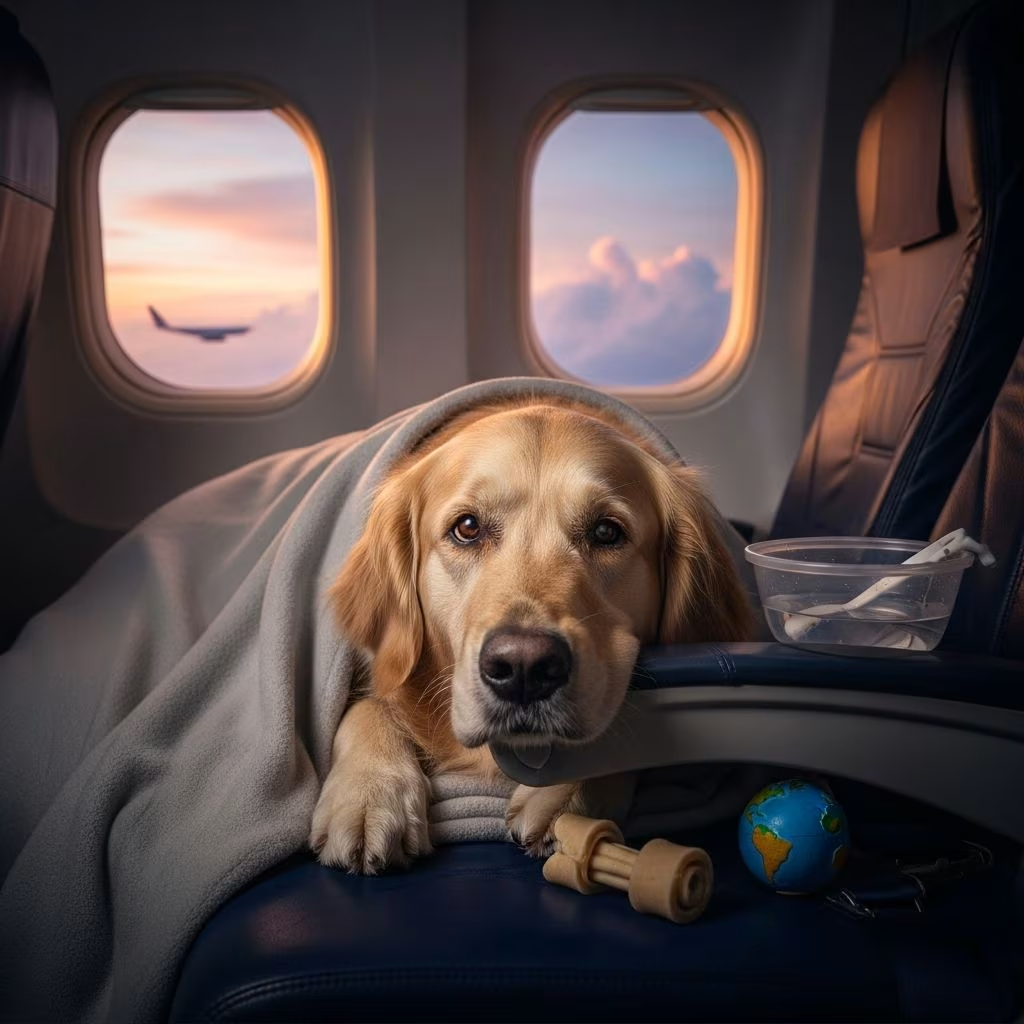
Dogs possess internal biological clocks known as circadian rhythms that synchronize their sleep, eating, and activity patterns with day-night cycles. When crossing multiple time zones, these rhythms can become desynchronized, leading to a condition akin to jet lag in humans. Veterinary experts confirm that while dogs often adapt faster than people due to their flexible napping habits, they still exhibit noticeable disruptions, especially on long-haul trips.
The Science Behind Canine Circadian Rhythms
At the core of jet lag is the circadian rhythm, a 24-hour cycle governed by the suprachiasmatic nucleus in the brain, which responds to light exposure. In dogs, this rhythm dictates deeper sleep at night and lighter naps during the day, alongside hormone releases for digestion and energy. Rapid travel disrupts this alignment, causing mismatched signals between the environment and the dog’s body clock.
Unlike humans with consolidated nighttime sleep, dogs naturally polyphasic sleep—taking multiple short rests—which provides some buffer against severe misalignment. However, factors like age play a role: senior dogs with fragmented sleep patterns may struggle more, showing exaggerated nighttime wakefulness or daytime drowsiness. Research on mammalian rhythms indicates that eastward travel, shortening the day, tends to challenge adjustment more than westward extensions.
Recognizing Jet Lag Symptoms in Your Dog
Owners might overlook subtle signs since dogs can’t verbalize discomfort, but behavioral changes often emerge within 24-48 hours post-travel. Common indicators include:
- Lethargy or excessive daytime sleeping: Your dog may seem unusually tired or nap longer than their baseline, reflecting circadian confusion.
- Disrupted nighttime rest: Restlessness, whining, or attempts to play at odd hours signal inverted sleep-wake cycles.
- Altered appetite: Begging for food at inappropriate times or refusing meals due to mismatched hunger cues.
- Behavioral oddities: Increased accidents indoors, clinginess, poor coordination, or confusion in familiar settings.
These symptoms mimic travel stress or dehydration but stem from rhythm shifts. Distinguish them by timeline: jet lag improves within 1-2 days, while persistent issues warrant a vet check for underlying conditions like illness.
Factors That Worsen Jet Lag in Dogs
Not all dogs react equally; several variables amplify effects:
| Factor | Impact on Jet Lag | Examples |
|---|---|---|
| Age | Seniors experience heightened disruption due to pre-existing sleep fragmentation | Dogs over 8 years with cognitive decline |
| Travel Direction | Eastward flights prolong adjustment as body clocks resist shortening | US to Europe vs. Europe to US |
| Trip Length | More time zones crossed mean greater desynchronization | 5+ zones vs. 1-2 |
| Stress Levels | Airports and crates overstimulate, compounding fatigue | Noisy environments, confinement |
Puppies and highly anxious breeds like herding dogs may also show prolonged recovery, emphasizing the need for tailored preparation.
Proven Strategies to Prevent and Minimize Jet Lag
Proactive steps can significantly blunt circadian disruptions. Start adjustments days before departure:
- Gradual Schedule Shifts: Mimic destination times by advancing or delaying meals and walks 15-30 minutes daily pre-trip. Apps like Timeshifter, designed for humans, adapt well for pets via timed light exposure and feeding.
- Pre-Travel Exercise: Tire your dog with vigorous play or long walks hours before travel to promote in-transit sleep and faster realignment.
- Hydration and Light Meals: Feed 2+ hours prior to departure; offer small, familiar portions upon arrival to avoid tummy upset. Ensure constant water access in spill-proof bowls.
- Familiar Comforts: Pack a beloved blanket, toy, or worn clothing to reduce anxiety and anchor routines.
During flights, dim lighting and quiet aids deeper rest. Post-arrival, expose to natural daylight promptly and stick to local meal times rigidly.
Post-Travel Recovery Tips for Optimal Adjustment
Upon landing, prioritize reset:
- Maintain destination-aligned routines immediately, even if inconvenient initially.
- Encourage outdoor time during daylight for light therapy, reinforcing the new clock.
- Monitor for 48 hours; gentle play helps expend mismatched energy without overexertion.
- For anxious pups, consult vets on short-term calming aids like pheromone diffusers.
Most dogs realign in 24-48 hours, faster than humans. If lethargy or appetite loss lingers beyond this, rule out dehydration, motion sickness, or health issues via a check-up.
Special Considerations for Frequent Flyers and Seniors
Frequent travelers benefit from routine protocols: consistent carriers, travel-day fasting windows, and post-flight decompression walks. Senior dogs or those with health conditions require extra vigilance—consider vet-prescribed melatonin for rhythm support, dosed at 1mg per 20lbs body weight, but only under guidance.
Breeds prone to anxiety (e.g., German Shepherds) or brachycephalic faces (e.g., Pugs) face compounded risks from cabin pressure and stress, so short-haul alternatives or pet-sitting may be kinder.
FAQs: Dog Jet Lag Essentials
Do all dogs get jet lagged equally?
No, adaptable young dogs recover quickest; seniors and anxious ones take longer.
How long does dog jet lag last?
Typically 24-48 hours, improving daily. Seek vet if worsening.
Is eastward travel harder for dogs?
Yes, shortening days challenges the body clock more than lengthening.
Can medication help with dog jet lag?
Melatonin or anxiety meds may assist, but vet approval is essential.
Should I change my dog’s food schedule immediately?
Yes, align to local time gradually to sync rhythms faster.
Traveling with your dog enriches bonds but demands awareness of their physiological needs. By understanding circadian impacts and implementing these strategies, you ensure smoother adventures and quicker recoveries.
References
- Do Dogs Get Jet Lagged? Health & Facts (Vet Answer) — Dogster. 2023-10-15. https://www.dogster.com/ask-the-vet/do-dogs-get-jet-lagged
- How to Manipulate Your Dog’s Circadian Rhythm — Sam the Vet (Substack). 2024-05-20. https://samithevet.substack.com/p/how-to-manipulate-your-dogs-circadian
- Do Animals Feel Jet Lag Too? — Yummypets. 2013-07-31. https://www.yummypets.com/mag/2013/07/31/12245/do-animals-feel-jet-lag-too
- Pet Jet Lag — Airpets International. 2023-08-12. https://airpetsinternational.com/pet-jet-lag/
- Tips to Help Your Dog with Jet Lag — Dogtopia. 2024-06-10. https://www.dogtopia.com/blog/tips-to-help-your-dog-with-jet-lag/



