

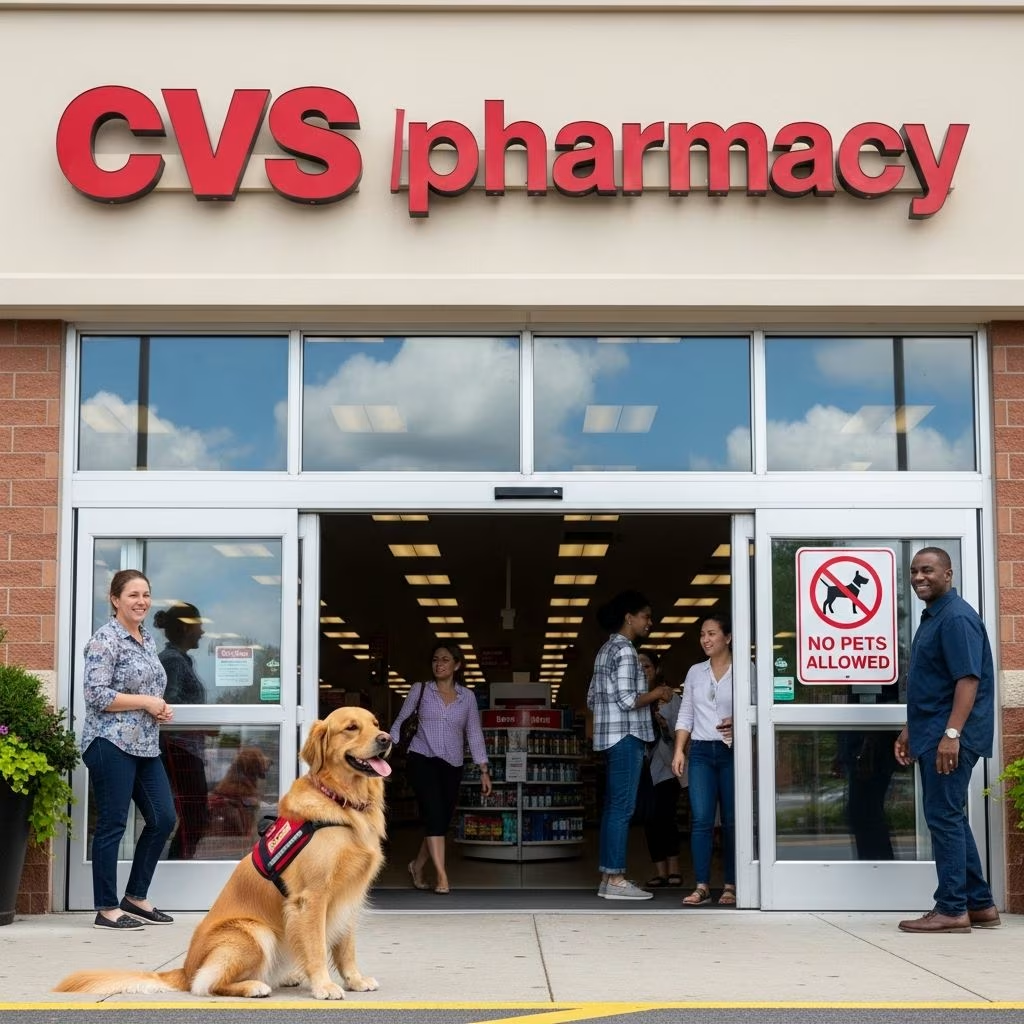
CVS pharmacies enforce a nationwide policy restricting dogs from entering their stores, with the sole exception granted to service animals protected under federal law. This rule prioritizes health, safety, and compliance in environments handling medications and food products.
Decoding CVS’s Nationwide Pet Restrictions
At its core, CVS’s approach to pets reflects standard practices for retail pharmacies. Regular dogs, regardless of size, breed, or behavior, fall under the no-pets category. This prohibition stems from operational necessities rather than any bias against animals. Stores stock over-the-counter medications, snacks, and sometimes prepared foods, creating environments where animal presence could introduce risks.
The policy applies uniformly across all locations, from urban storefronts to suburban outlets. Managers lack authority to override it systematically, though rare informal allowances might occur based on circumstances. Pet owners should never assume permission without prior confirmation.
Service Animals: A Protected Pathway Inside
Federal legislation carves out a clear exception for service animals. The Americans with Disabilities Act (ADA) mandates access for dogs trained to execute specific tasks aiding individuals with disabilities. These tasks might involve guiding the blind, alerting to seizures, retrieving items, or stabilizing balance.
- Guide dogs: Navigate obstacles for visually impaired handlers.
- Alert dogs: Detect oncoming medical episodes like low blood sugar.
- Mobility dogs: Provide physical support or open doors.
- Hearing dogs: Signal important sounds to deaf individuals.
Identification isn’t required by law—no vests or certifications prove legitimacy. Staff may pose only two inquiries: whether the dog serves a disability and what work it performs. Demanding demonstrations or documentation violates ADA guidelines. Service dogs must remain leashed (unless it hampers duties), housebroken, and non-disruptive.
Distinguishing Service Dogs from Other Companions
Common misunderstandings arise with emotional support animals (ESAs), therapy dogs, or pets providing mere comfort. These lack ADA protections and thus entry rights into CVS.
| Animal Type | ADA Access to CVS | Training Requirement | Examples |
|---|---|---|---|
| Service Dog | Yes | Task-specific for disability | Seizure alert, guide work |
| Emotional Support Animal | No | Comfort only, no tasks | Pet with doctor’s note |
| Therapy Dog | No | Visits for others’ benefit | Hospital volunteer dog |
| Pet Dog | No | None | Family companion |
ESAs require documentation like airline or housing letters but hold no public access privileges. Therapy dogs assist broadly but aren’t disability aides. Mistaking these for service animals can lead to denied entry or removal if behavior falters.
Rationale Behind the No-Pets Stance
Sanitary and Health Imperatives
Pharmacies operate under stringent sanitation standards. Dogs shed hair, carry bacteria, or trigger allergies, potentially contaminating sterile products. Food aisles amplify risks—loose fur or paw contact could affect packaged goods, breaching food safety codes enforced by health departments.
Regulatory Compliance
Federal and state laws govern establishments dispensing prescriptions or foods. The Food and Drug Administration (FDA) and local boards prohibit non-service animals in such zones to avert cross-contamination. CVS aligns with peers like Walgreens, aligning with broader retail pharmacy norms.
Ensuring Patron Comfort
Diverse shoppers frequent CVS: families, elderly, allergy sufferers, or those with animal phobias. A uniform policy fosters inclusivity, minimizing conflicts and enhancing the overall experience.
Navigating Variations Across Locations
While corporate guidelines dominate, individual stores might interpret enforcement flexibly. Rural outlets or low-traffic sites occasionally permit leashed, well-mannered dogs, especially sans food/pharmacy overlaps. Urban high-volume stores adhere strictly.
To ascertain local practices:
- Review the store’s webpage for pet mentions.
- Telephone the manager pre-visit.
- Observe signage at entrances.
- Employ drive-thru or delivery apps as defaults.
Discretion doesn’t equate policy change—relying on it risks refusal.
Practical Strategies for Dog Accompaniment
Dog owners needn’t abandon errands. CVS offers conveniences minimizing indoor needs.
Leverage Technology and Services
Drive-thru windows handle most prescriptions swiftly. Curbside pickup via app lets staff deliver to your vehicle—ideal for quick stops. Home delivery through CVS apps or partnerships covers non-urgent items.
Environmental Adjustments
In temperate climates, secure vehicles with ventilation suffice for brief absences, though never ideal. Recruit a companion to mind the dog externally. Schedule visits during off-peak hours for smoother service.
Alternative Retail Options
Pet-friendly chains like certain grocery stores or big-box retailers accommodate leashed dogs. Pet supply shops or outdoor markets provide comparable sundries sans restrictions.
Legal Recourse and Responsibilities
Service dog handlers enjoy robust protections, but responsibilities persist. Disruptive conduct—barking, jumping, or accidents—justifies removal under ADA allowances for public safety. Handlers manage cleanup and control.
Non-service pet disputes rarely warrant escalation; politeness preserves goodwill. Document incidents if rights seem infringed, consulting ADA resources.
Broader Context in Retail Pet Policies
CVS mirrors industry trends. Pharmacies prioritize sterility over pet inclusivity, unlike boutique shops or parks. This balances accessibility for service users with collective welfare. As pet ownership surges, policies evolve cautiously, favoring proven accommodations.
Frequently Asked Questions
Is every CVS store dog-free?
Corporate policy bars pets nationwide, barring service animals. Local leniency exists but isn’t guaranteed—verify ahead.
What identifies a service dog legally?
No mandated gear; staff query purpose and tasks only. Behavior underscores legitimacy.
Can CVS demand proof for my service dog?
No—such requests breach ADA. Focus remains on observable control.
Why exclude emotional support dogs?
ESAs offer comfort sans task-training, lacking public access rights.
What if my dog stays in the car?
Viable for short visits with precautions; prefer drive-thru to minimize wait.
Do other pharmacies differ?
Most like Walgreens follow suit, prioritizing health regs.
Empowering Informed Visits
Understanding CVS policies equips dog owners for seamless integration into routines. Prioritize service animal rights, explore conveniences, and respect boundaries for mutual benefit. Proactive planning turns potential hurdles into non-issues.
References
- Americans with Disabilities Act Title III Regulations — U.S. Department of Justice. 2011-03-15. https://www.ada.gov/resources/service-animals-2010-requirements/
- Food Code — U.S. Food and Drug Administration. 2022-01-01. https://www.fda.gov/food/fda-food-code/food-code-2022
- CVS Pet Policy Guide — PetsCare.com. 2024-01-01. https://www.petscare.com/news/post/cvs-pet-policy-guide
- Does CVS Allow Dogs? — Dogster. 2025-01-01. https://www.dogster.com/lifestyle/are-dogs-allowed-in-cvs
- Service Animals Fact Sheet — ADA National Network. 2023-07-01. https://adata.org/factsheet/service-animals



