

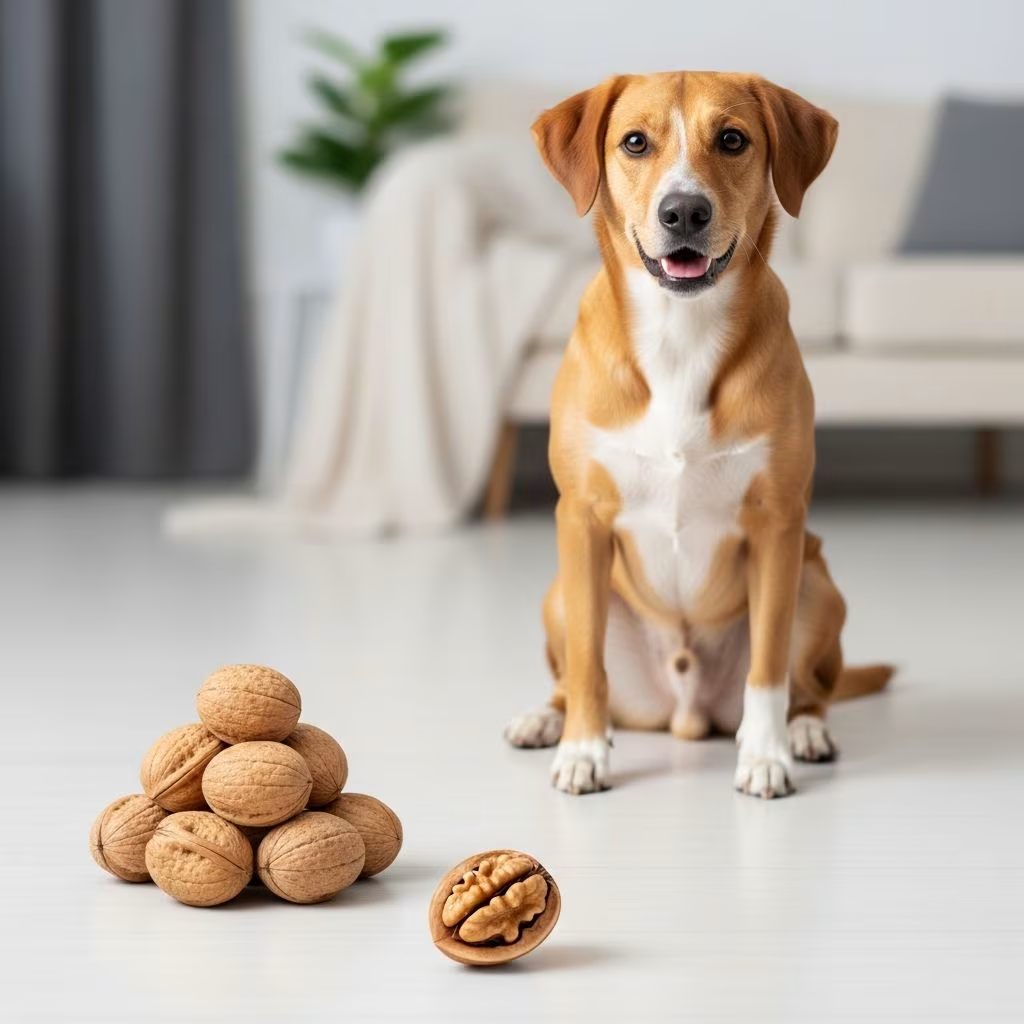
Can Dogs Eat Walnuts? A Complete Guide for Pet Owners
As a pet owner, you naturally want to share healthy snacks with your canine companion. While walnuts are packed with omega-3 fatty acids, fiber, and antioxidants that benefit humans, the situation is quite different for dogs. Dr. Ashley Hughes, DVC, explains that while there’s no need to panic if your dog accidentally consumes a single walnut, making walnuts a regular treat is not advisable. The potential dangers associated with walnut consumption for dogs significantly outweigh any possible nutritional benefits they might offer.
Are Walnuts Safe for Dogs to Eat?
The safety of walnuts for dogs depends on several factors, including the type of walnut, how it was stored, and whether your dog has any pre-existing health conditions. While a stray walnut from a grocery store bag poses minimal immediate risk if accidentally consumed, deliberately feeding walnuts as a regular treat is not recommended. The primary concern is that walnuts are highly susceptible to a type of black mold that produces mycotoxins—dangerous compounds that can prove extremely toxic to dogs.
Some fungi that grow on walnuts produce metabolites called mycotoxins, which are considered carcinogenic. Others produce tremorgenic mycotoxins, which can cause tremors and seizures in affected dogs. These toxins are particularly concerning because they can be present even when the mold is invisible to the naked eye, making it impossible to identify contaminated walnuts by sight alone.
Types of Walnuts and Their Safety
Black Walnuts: Highly Toxic
Black walnuts, also known as Eastern American black walnuts, are native to the United States and present a serious threat to canine health. These nuts contain a naturally occurring compound called juglone, which is toxic to dogs. Black walnuts get their name from the black mold that covers them, which can remain invisible to the human eye but still pose grave risks.
If your dog ingests black walnuts, they may experience upset stomach, vomiting, and diarrhea. In more severe cases, black walnut consumption can lead to tremors, seizures, liver damage, and potentially fatal liver failure. This is why black walnuts found in yards, parks, or outdoor settings should be considered a serious health hazard and require immediate veterinary attention if consumed.
English Walnuts: Safer, But Still Not Ideal
English walnuts are the variety most commonly found in grocery stores and used in cooking and baking. These are technically the safest type of walnuts for dogs, and it’s generally acceptable for dogs to eat one or two small pieces of English walnut as an occasional treat. However, this doesn’t mean they’re an ideal snack choice.
English walnuts remain high in fat and calories, which can cause several health complications if consumed regularly. Because store-bought walnuts are less likely to contain black mold than nuts gathered outdoors, the immediate toxicity risk is lower. However, the high fat content still presents digestive challenges for your dog’s system. Additionally, English walnuts are often prepared with salt or other seasonings that may not be suitable for canine consumption.
What If My Dog Eats Walnuts?
Accidental Consumption of Store-Bought Walnuts
If your dog accidentally eats a walnut you’ve dropped on the floor from a grocery store bag, you generally don’t need to panic. Store-bought walnuts are significantly less likely to contain black mold compared to nuts gathered from outdoor environments. However, this single incident should not encourage you to make walnuts a regular part of their diet.
Consumption of Outdoor or Moldy Walnuts
If your dog consumes a walnut from your yard, a park, or any outdoor setting—particularly if it appears moldy—close monitoring is essential. Watch for warning signs including:
- Vomiting or retching
- Tremors or muscle shaking
- Seizures
- Lethargy or weakness
- Loss of appetite
- Abdominal discomfort
If you observe any of these symptoms, contact your veterinarian immediately, as mycotoxin poisoning can be fatal if left untreated. Don’t wait to see if symptoms resolve on their own—prompt veterinary care is crucial in these situations.
Health Risks Associated with Walnut Consumption
Black Mold and Mycotoxin Poisoning
The most serious risk factor for walnut consumption in dogs is the presence of black mold and associated mycotoxins. Moldy walnuts are particularly dangerous and can cause serious health consequences. Tremorgenic mycotoxins are especially harmful neurotoxins that can trigger seizures, tremors, liver damage, and potentially fatal liver failure.
High Fat Content and Digestive Issues
One reason walnuts are beneficial for humans is their high content of healthy fats, including omega-3 oils, along with protein, fiber, antioxidants, vitamins, and minerals. Unfortunately, for dogs, these high quantities of fats can upset their stomachs and cause vomiting and diarrhea. Nuts in general have a high fat content, and even if they’re not toxic, they can still cause stomach upset in some dogs.
Dogs with sensitive stomachs or pre-existing digestive issues face particular vulnerability to walnut-related gastrointestinal distress. The high fat content can be difficult for their digestive systems to process efficiently.
Pancreatitis Risk
When dogs consume fatty foods like walnuts in significant quantities, they risk developing pancreatitis—inflammation of the pancreas that can be life-threatening. This condition causes severe abdominal pain, vomiting, and lethargy. Pancreatitis can require emergency veterinary care and may result in long-term dietary restrictions for your dog.
Obesity and Weight Management Concerns
High-fat nuts like walnuts are calorie-dense, and regular consumption can lead to unhealthy weight gain in dogs. This extra weight strains a dog’s joints, affects heart health, and can contribute to the development of other chronic health conditions. For dogs already struggling with weight management or arthritis, walnuts present an unnecessary dietary risk.
Choking Hazard and Intestinal Blockage
The size and shape of whole walnuts make them a significant choking hazard, especially for smaller dog breeds. Even if a dog manages to swallow a walnut without choking, it can become lodged in their digestive tract and cause intestinal obstruction. This serious condition may require surgical intervention to resolve and can be life-threatening if not treated promptly.
Walnut Shells: A Particular Concern
Dogs should never eat walnut shells, as these can easily become stuck in your dog’s intestines and cause blockages, particularly in small breed dogs. The hard shell fragments can cause perforation of the digestive tract or create dangerous obstructions requiring emergency surgery. If your dog consumes walnut shells, contact your veterinarian immediately.
Shelled walnuts are sometimes considered slightly safer than unshelled varieties only because the choking hazard is theoretically reduced. However, shelled walnuts carry an even higher risk of fungal contamination because they lack the shell’s protective barrier. Shelled walnuts exposed to air and moisture are more susceptible to mold development.
Safe Nut Alternatives for Dogs
If you want to share nuts with your dog as an occasional treat, several safer options exist. Dogs can safely consume the following nuts in moderation:
- Cashews
- Pine nuts
- Chestnuts
- Peanuts (which are technically legumes but commonly grouped with nuts)
Nuts that should be avoided in addition to walnuts include almonds, hazelnuts, pistachios, and macadamia nuts. When offering any nuts to your dog, always do so in moderation and monitor for any adverse reactions.
Can Dogs Eat Walnut Oil?
Yes, dogs can consume walnut oil as long as you’re mindful of the caloric content and adjust your dog’s daily food intake accordingly. Walnut oil is often used in both dry and wet dog food formulations. However, this should only be offered occasionally and in small quantities, as it’s still high in fat and calories.
Important Considerations for Different Dog Populations
Puppies and Young Dogs
Puppies should never eat walnuts, as these nuts pose multiple health risks to young dogs with developing digestive and immune systems. Puppies are particularly vulnerable to intestinal blockages and mycotoxin poisoning. If your puppy accidentally consumes walnuts, watch them closely for adverse reactions and contact your veterinarian for guidance.
Senior Dogs
Senior dogs may have compromised digestive systems and are often more susceptible to pancreatitis and other fat-related health issues. Extra caution should be exercised with senior dogs to avoid any walnut exposure.
Frequently Asked Questions
Q: Can dogs eat black walnuts?
A: No. Black walnuts are highly toxic to dogs due to their juglone content and the black mold that covers them. They can cause vomiting, tremors, seizures, liver damage, and potentially fatal consequences. If your dog ingests black walnuts, contact your veterinarian immediately.
Q: Can dogs eat English walnuts?
A: Technically speaking, yes—but with significant caveats. Dogs can eat one or two small pieces of English walnuts occasionally. However, English walnuts are still high in fat and calories, making them a suboptimal treat choice. They’re not recommended as a regular part of your dog’s diet.
Q: Can dogs eat walnut shells?
A: No. Dogs should not eat walnut shells because they can become lodged in your dog’s intestines and cause blockages, especially in small dogs. If your dog consumes walnut shells, contact your veterinarian immediately.
Q: What should I do if my dog eats a moldy walnut?
A: If your dog eats a walnut that appears moldy or was found outdoors, monitor them closely for signs of mycotoxin poisoning including vomiting, tremors, and seizures. Contact your veterinarian immediately if any symptoms develop, as these can be fatal if left untreated.
Q: Are there safe nut alternatives I can give my dog?
A: Yes. Dogs can safely eat cashews, pine nuts, chestnuts, and peanuts in moderation. Always offer nuts occasionally and in small quantities, monitoring for any adverse reactions.
Q: How can I prevent my dog from eating walnuts?
A: Store walnuts securely in sealed containers where your dog cannot access them. Clean up any dropped walnuts immediately. Supervise your dog outdoors, especially in areas with walnut trees, to prevent them from consuming fallen nuts.
Key Takeaways
While a single accidental consumption of a store-bought walnut is unlikely to cause serious harm, walnuts should not be deliberately fed to your dog as a regular treat. The risks—including black mold toxicity, high fat content, choking hazards, and intestinal blockage—simply aren’t worth any potential benefit. Store-bought English walnuts present fewer immediate dangers than outdoor or black walnuts, but they’re still not an ideal snack choice for your canine companion.
If you’re looking to reward your dog with a special treat, numerous safer alternatives exist that won’t put your pet’s health at risk. When in doubt about any food item’s safety for your dog, consult with your veterinarian. Your pet’s health and safety should always be the top priority when making dietary decisions.
References
- Can Dogs Eat Walnuts? — Pawlicy. Retrieved November 28, 2025. https://www.pawlicy.com/blog/can-dogs-eat-walnuts/
- Can Dogs Eat Walnuts? Absolutely Not — Pumpkin Pet Insurance. Retrieved November 28, 2025. https://www.pumpkin.care/post/can-dogs-eat-walnuts
- Can Dogs Eat Walnuts? — Chewy Education. Retrieved November 28, 2025. https://www.chewy.com/education/dog/food-and-nutrition/nutrition-pet-diet-tips-can-dogs-eat-walnuts
- Can Dogs Eat Walnuts? — PetMD. Retrieved November 28, 2025. https://www.petmd.com/dog/nutrition/can-dogs-eat-walnuts



