

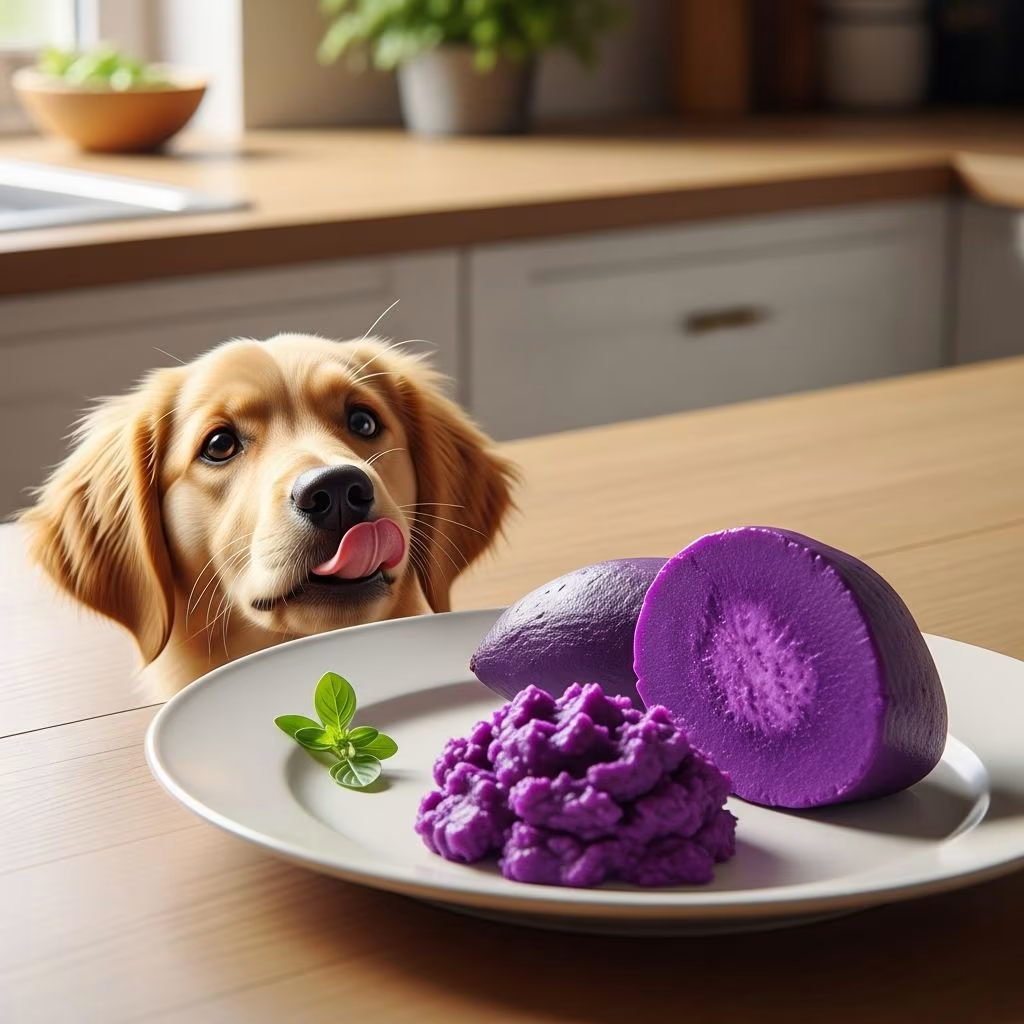
Vibrant purple ube, a staple in Filipino cuisine, captivates with its sweet flavor and striking color. For dog owners, the question arises: can this root vegetable become a healthy addition to their pet’s diet? When prepared correctly, ube provides nutritional value without major hazards, serving as an occasional treat rich in essential nutrients.
Understanding Ube: A Nutrient-Packed Root Vegetable
Ube, scientifically known as Dioscorea alata, differs from sweet potatoes despite visual similarities. This starchy tuber thrives in tropical regions and boasts a dense nutritional profile. Per 100 grams of cooked ube, it delivers approximately 27 grams of carbohydrates, making it an energy source suitable for active dogs in moderation.
Beyond carbs, ube supplies dietary fiber that supports gut health. It also contains key vitamins like A, C, B6, and E, alongside minerals such as potassium, magnesium, phosphorus, and manganese. Antioxidants, including anthocyanins and flavonoids from its purple hue, contribute to cellular protection.
- Vitamin A: Promotes vision and immune function.
- Vitamin C: Aids collagen production for skin and joints.
- Potassium: Supports muscle and heart health.
- Flavonoids: May help regulate blood sugar levels.
Key Health Advantages for Canines
Incorporating small amounts of cooked ube into a dog’s meals can yield several benefits. Its complex carbohydrates offer sustained energy, ideal for dogs with high activity levels. Fiber content promotes regular digestion, reducing risks of constipation.
Antioxidants combat oxidative stress, potentially lowering inflammation in conditions like arthritis. Vitamin B6 supports neurological health, while vitamin E benefits skin and coat quality. Minerals strengthen bones and improve circulation.
| Nutrient | Benefit for Dogs | Source Concentration |
|---|---|---|
| Carbohydrates | Energy provision | High (27g/100g) |
| Dietary Fiber | Digestion aid | Moderate |
| Antioxidants | Immune boost, anti-inflammation | High due to pigments |
| Vitamin B6 | Brain function | Present |
| Potassium | Muscle support | Good source |
These attributes position ube as a low-fat alternative to carb-heavy treats, aiding weight management when portioned appropriately.
Essential Preparation Guidelines
Safety hinges on proper cooking. Raw ube harbors solanine and oxalates, compounds toxic to dogs that can cause gastrointestinal distress or neurological issues. Cooking—via boiling, steaming, or baking—neutralizes these toxins and improves digestibility.
Avoid frying or adding seasonings, oils, or sugars, which introduce unhealthy fats or irritants. Puree cooked ube plain for easy mixing into kibble or homemade meals. Start with tiny portions to monitor tolerance, especially for puppies or seniors.
- Peel and chop the ube into small pieces.
- Boil or steam until soft (15-20 minutes).
- Mash or blend without additives.
- Cool before serving.
Navigating Potential Drawbacks
While beneficial, overfeeding ube poses risks. Excess fiber may trigger diarrhea or gas, particularly in sensitive dogs. High carbs could contribute to obesity if not balanced with exercise and a complete diet.
Allergies are rare, but introduce gradually. Processed ube products like jams often contain sugar, preservatives, or propylene glycol, which may harm dogs in quantity. Opt for fresh, minimally processed forms.
- Sensitive stomachs: May experience upset from new fibers.
- Portion control: Limit to 10% of daily calories.
- Raw avoidance: Prevents choking and toxicity.
Comparing Ube to Similar Tubers
Ube resembles purple sweet potatoes but grows on vines, not underground, affecting texture and flavor. Both are dog-safe when cooked, offering comparable nutrients. Yams (true varieties) provide similar fiber and vitamins but differ in carb profiles.
| Vegetable | Growth Habit | Key Nutrients | Dog Safety |
|---|---|---|---|
| Ube | Vine | Carbs, flavonoids, vitamins A/C | Safe cooked |
| Purple Sweet Potato | Underground | Similar vitamins, antioxidants | Safe cooked |
| Regular Yam | Vine/underground | Fiber, beta-carotene | Safe in moderation |
Practical Feeding Strategies
Determine portions by dog size: small breeds (under 20 lbs) get 1-2 teaspoons daily; medium (20-50 lbs) up to 1-2 tablespoons; large (over 50 lbs) 2-4 tablespoons. Mix into regular food or use as toppers.
For treats, dehydrate cooked ube slices at low heat for chewy snacks. Monitor weight and stool quality, adjusting as needed. Consult a vet for dogs with diabetes, pancreatitis, or allergies.
Creative Recipe Ideas
Ube Puppy Mash: Blend boiled ube with plain yogurt and a dash of fish oil for omega-3s. Serve chilled.
Baked Ube Bites: Mash ube, form into balls, bake at 350°F for 20 minutes. Cool and store refrigerated.
Ube Kibble Topper: Puree and freeze in ice cube trays for portioned servings.
Frequently Asked Questions
Is raw ube toxic to dogs?
Yes, raw ube contains solanine and oxalates that can cause vomiting, diarrhea, or worse. Always cook thoroughly.
How much ube can I give my dog daily?
Keep it under 10% of total calories. For a 50-lb dog, that’s about 2 tablespoons max.
Can puppies eat ube?
Puppies can have small amounts of cooked ube after weaning, but prioritize balanced puppy food.
Does ube help with dog arthritis?
Its antioxidants may reduce inflammation, supporting joint health alongside vet-recommended treatments.
Is ube jam safe for dogs?
No, due to added sugars and preservatives. Stick to plain cooked ube.
Expert Recommendations and Final Guidance
Veterinarians endorse ube as a supplemental treat, emphasizing moderation and proper prep. It enhances variety without replacing commercial diets formulated for complete nutrition. Regular vet check-ups ensure it fits your dog’s health profile.
With its appealing color and taste, ube delights dogs while delivering wellness perks. Observe your pet’s response and prioritize balance for long-term vitality.
References
- Can Dogs Eat Ube (Purple Yam)? Vet-Approved Facts — Hepper. 2023. https://articles.hepper.com/can-dogs-eat-ube/
- Can Dogs Eat Ube (Purple Yam)? Nutrition Facts & FAQ: Vet Answer — Dogster. 2023. https://www.dogster.com/ask-the-vet/can-dogs-eat-ube-purple-yam-vet-answer
- Can Dogs Eat Yams? Benefits of Yams for Dogs — Raw Bistro. 2024. https://rawbistro.com/blogs/raw-bistro/can-dogs-eat-yams-benefits-of-yams-for-dogs
- What is Ube? — UBAE. 2023. https://ubae.co/pages/what-is-ube
- Can Dogs Eat Yams and What Will Happen If They Do? — VetCBDHemp. 2023. https://vetcbdhemp.com/blogs/news/can-dogs-eat-yams-and-what-will-happen-if-they-do



