

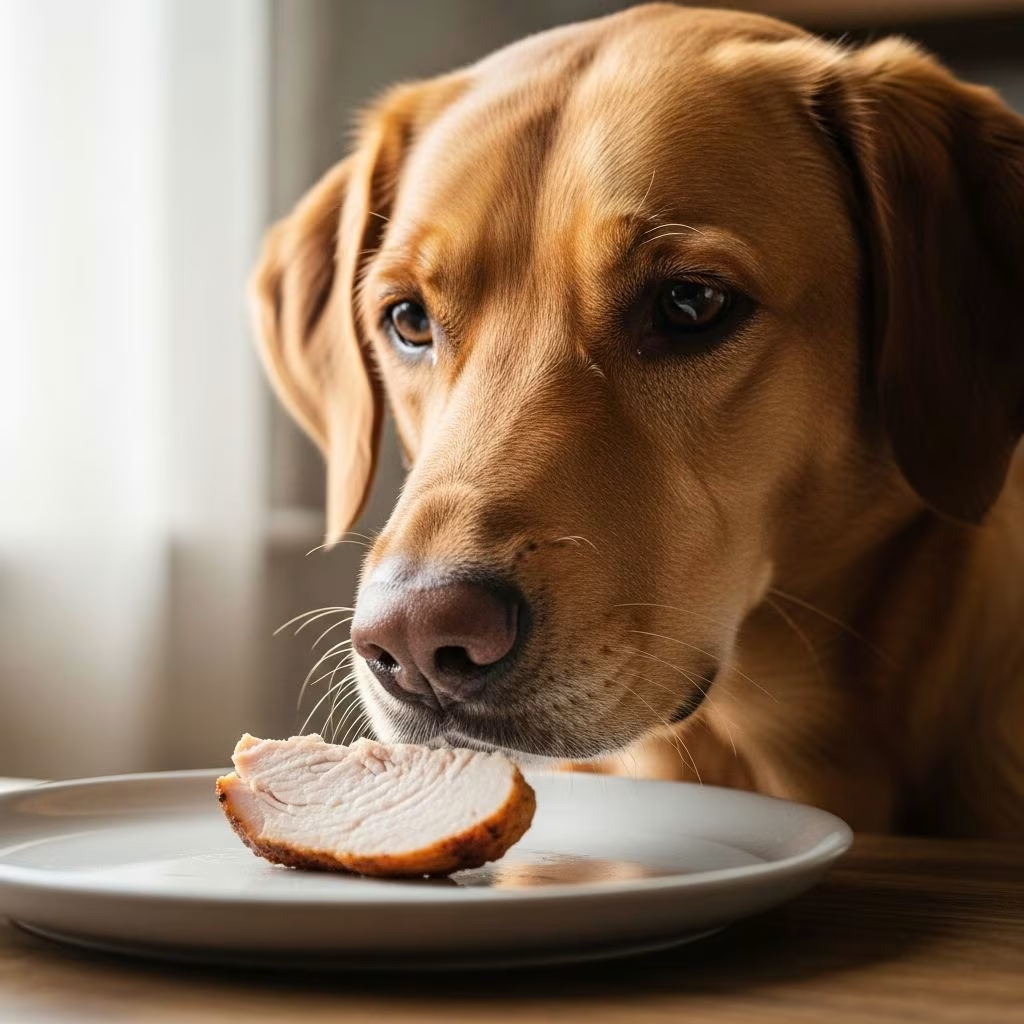
Can Dogs Eat Turkey?
Turkey is a popular protein source that many dog owners wonder about when it comes to their pets’ diet. The straightforward answer is yes, dogs can eat turkey, and it can be a healthy addition to their diet when prepared and served correctly. However, the preparation method, portion size, and form of turkey matter significantly when determining whether it’s safe for your canine companion. Turkey is already a common ingredient in many commercial dog foods, making it a familiar and generally well-tolerated protein source for most dogs.
Understanding the nuances of feeding turkey to dogs is essential for pet owners who want to incorporate this protein into their dog’s diet safely. Not all forms of turkey are appropriate for dogs, and certain preparations can be harmful. This guide will help you navigate the dos and don’ts of feeding turkey to your furry friend.
Nutritional Benefits of Turkey for Dogs
Turkey offers a comprehensive nutritional profile that makes it an excellent protein choice for canine diets. When served plain and properly prepared, turkey provides numerous health benefits that support your dog’s overall wellness.
Protein Content and Amino Acids
Turkey is rich in high-quality protein, which is essential for dogs’ muscle development, repair, and maintenance. Dogs require adequate protein to support their strength, stamina, and proper growth throughout their lives. The protein in turkey contains amino acids that are particularly valuable for maintaining lean muscle mass and supporting active lifestyles in dogs of all ages.
Vitamins and Minerals
Turkey contains an impressive array of vitamins and minerals that contribute to your dog’s health. The B vitamins found in turkey, including B6 and B12, support healthy metabolism and energy conversion. Additionally, turkey provides important minerals such as:
- Zinc – supports immune function and skin health
- Phosphorus – contributes to bone strength and dental health
- Selenium – acts as an antioxidant and promotes cellular health
- Niacin – aids in metabolism and energy production
- Potassium – supports cardiovascular function
- Magnesium – contributes to muscle and nerve function
Lean Protein Source
When prepared without the skin and fatty portions, turkey is notably leaner than many other meat options. Turkey breast, in particular, contains only about 3% of a dog’s recommended daily allowance of fat, making it an excellent choice for dogs requiring lighter protein options or those managing weight. This lean characteristic makes turkey especially suitable for senior dogs or those with specific dietary needs.
How to Safely Prepare Turkey for Dogs
The preparation method is crucial in determining whether turkey is safe and beneficial for your dog. Following these guidelines ensures your pet receives the nutritional benefits without exposure to potentially harmful ingredients.
Plain Preparation is Essential
Turkey must be cooked thoroughly and served completely plain, without any added ingredients or seasonings. This means no salt, garlic, onion, seasoning blends, or other flavor enhancers should be added to the turkey. These additions can upset your dog’s digestive system or, in the case of garlic and onion, be toxic to dogs.
Remove Skin and Fat
The skin and fatty portions of turkey should always be removed before serving to your dog. While the meat itself is lean, the skin is high in fat and can cause digestive upset or contribute to pancreatitis in susceptible dogs. Removing excess fat also helps maintain the health benefits of this lean protein.
Proper Cooking Methods
Turkey should be fully cooked, whether you’re preparing it fresh or using leftovers from your own meal. Undercooked turkey may contain harmful bacteria such as salmonella that can cause food poisoning in dogs. Ensure the internal temperature reaches 165°F (74°C) for food safety. Boiling, baking, or grilling without added oils are all acceptable cooking methods.
Turkey Options: What’s Safe and What to Avoid
Not all turkey products are appropriate for dogs. Understanding which forms of turkey are safe and which should be avoided is critical for protecting your pet’s health.
Plain Cooked Turkey Breast
Plain, cooked turkey breast is the safest option for dogs. As white meat, it’s higher in protein and lower in fat compared to dark meat. It’s also easily digestible, making it an excellent choice for dogs with sensitive stomachs or digestive sensitivities.
Ground Turkey
Dogs can eat ground turkey, provided it’s cooked thoroughly and free of additives, seasonings, or fat. When selecting ground turkey for your dog, choose lean or extra-lean varieties. Regular ground turkey can contain up to 6 grams of saturated fat per serving, while lean ground turkey contains approximately 2.5 grams, and extra-lean varieties contain as little as 1 gram. Ground turkey containing onions, garlic, or other seasonings must be avoided entirely.
Turkey Necks
Raw turkey necks should never be fed to dogs, as they can harbor harmful bacteria like salmonella that cause food poisoning. However, properly cooked turkey necks that are served without seasoning can be given to dogs as they’re high in protein and offer nutritional benefits.
Turkey Bones
Turkey bones should never be given to dogs, regardless of preparation method. Both raw and cooked turkey bones can splinter easily, creating serious health risks including choking hazards, intestinal blockages, and internal injuries. These risks make turkey bones particularly dangerous for your dog’s safety.
Processed Turkey Products to Avoid
Several processed turkey products should never be fed to dogs:
- Turkey Bacon: Highly processed and contains excessive sodium, preservatives, and additives that can be harmful to dogs.
- Turkey Sausage: Contains large amounts of sodium, preservatives, and potentially toxic ingredients like garlic and onion.
- Turkey Burgers: Processed with added sodium, preservatives, and unhealthy ingredients that may be toxic to dogs.
- Deli Turkey: Although dogs can technically eat deli turkey in moderation, it’s highly processed and contains sodium additives, preservatives, and nitrates that pose health risks even in low-sodium varieties.
Portion Control and Feeding Guidelines
While turkey can be a healthy treat, moderation is essential to maintaining your dog’s nutritional balance and preventing weight gain.
Treat Limitations
Turkey should be considered a treat or supplement, not a meal replacement. Limit all treats, including turkey, to no more than 10 percent of your dog’s daily caloric intake. Excessive turkey consumption can prevent your dog from receiving a well-balanced diet and may lead to nutritional imbalances and weight gain.
Consulting Your Veterinarian
Before introducing turkey or any new food to your dog’s diet, it’s advisable to consult with your veterinarian, especially if your dog has preexisting health conditions such as diabetes, pancreatitis, or chronic digestive ailments. Your vet can provide personalized recommendations based on your dog’s specific health needs and dietary requirements.
Common Misconceptions About Turkey and Dogs
Several myths about turkey and dogs circulate among pet owners. Understanding the facts helps ensure you make informed decisions about your pet’s diet.
Does Turkey Make Dogs Sleepy?
A common misconception suggests that turkey contains enough tryptophan to make dogs sleepy, similar to the effect some people experience after eating turkey at Thanksgiving. However, this is not accurate. While turkey does contain tryptophan, an amino acid that aids in sleep and mood regulation, the amount is too small to have any noticeable effect on your dog’s energy levels. You would need to consume an enormous quantity of turkey in a single sitting for the tryptophan to influence sleep, and this applies equally to dogs.
Turkey Compared to Other Proteins
Understanding how turkey stacks up against other protein sources can help you make informed choices about your dog’s diet.
Turkey vs. Chicken
Both turkey and chicken are lean poultry options for dogs. Turkey is slightly higher in certain minerals like zinc and phosphorus compared to chicken. However, dogs with poultry allergies may react to both turkey and chicken, so alternative protein sources may be necessary for sensitive dogs.
Turkey vs. Beef
Turkey is generally leaner than beef, making it a better choice for dogs that require lower fat intake or are prone to digestive sensitivities. However, beef provides different nutritional profiles and can be suitable for dogs without dietary restrictions.
Turkey vs. Fish
While fish provides omega-3 fatty acids that turkey lacks, turkey still serves as a valuable protein source in a rotational diet. Many veterinarians recommend rotating protein sources to provide varied nutritional profiles and reduce the risk of developing food sensitivities.
Frequently Asked Questions
Q: Is turkey toxic to dogs?
A: No, turkey is not toxic to dogs when served plain and properly prepared. It’s commonly used as an ingredient in commercial dog foods and is generally well-tolerated by most dogs.
Q: Can puppies eat turkey?
A: Yes, puppies can eat plain, cooked turkey as part of a balanced diet. However, consult your veterinarian about appropriate portion sizes based on your puppy’s age, size, and nutritional needs.
Q: How much turkey can I give my dog?
A: Turkey should comprise no more than 10 percent of your dog’s daily caloric intake as a treat. The exact amount depends on your dog’s size, age, and activity level. Your veterinarian can recommend appropriate portions.
Q: Can dogs eat turkey skin?
A: No, turkey skin should be removed before serving to your dog. The skin is high in fat and can cause digestive upset or contribute to pancreatitis.
Q: Is turkey good for dogs with food allergies?
A: Turkey can be a suitable alternative protein for dogs with allergies to beef or chicken. However, some dogs may have poultry allergies that affect both turkey and chicken. Consult your veterinarian if your dog has food allergies.
Q: Can I give my dog Thanksgiving turkey?
A: Only if it’s a portion of plain turkey without any seasonings, skin, or bones. Most holiday turkey is seasoned with ingredients harmful to dogs, so avoid giving your dog table scraps from holiday meals.
References
- Can Dogs Eat Turkey? — PetMD. Accessed 2025. https://www.petmd.com/dog/nutrition/can-dogs-eat-turkey
- Is it Safe for Dogs to Eat Turkey? — Animal Family Veterinary Care. Accessed 2025. https://animalfamilyveterinarycare.com/blog/is-it-safe-for-dogs-to-eat-turkey/
- Can Dogs Eat Turkey? Is Turkey Safe For Dogs? — Spot & Tango. Accessed 2025. https://www.spotandtango.com/blog/can-dogs-eat-turkey
- Can Dogs Eat Turkey? A Guide to Safety — Purina US. Accessed 2025. https://www.purina.com/articles/dog/feeding/can-dogs-eat/turkey
- Can Dogs Eat Turkey? — American Kennel Club. Accessed 2025. https://www.akc.org/expert-advice/nutrition/can-dogs-eat-turkey/
- Can Dogs Eat Turkey? Benefits and Safety — Nature’s Logic. Accessed 2025. https://natureslogic.com/blog/can-dogs-eat-turkey/
- Can Dogs Eat Turkey? — Cheyenne Mountain Animal Hospital. Accessed 2025. https://cheyennepets.com/blog/can-dogs-eat-turkey/
- Can Dogs Eat Turkey? — Veterinary Emergency Group. Accessed 2025. https://www.veg.com/post/can-dogs-eat-turkey



