

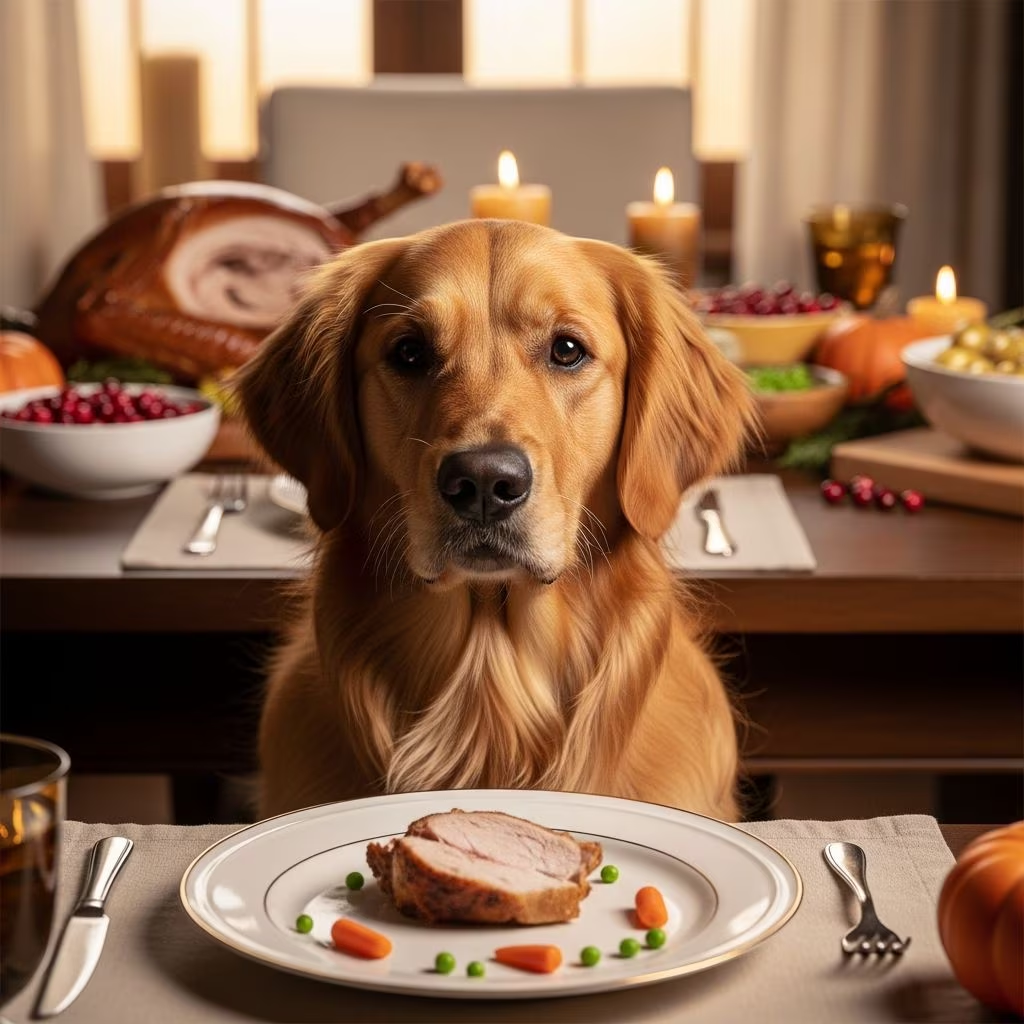
Plain, cooked turkey meat offers dogs a lean source of protein rich in essential nutrients, making it a suitable occasional treat when prepared correctly without bones, skin, or additives.
Nutritional Advantages of Turkey in a Dog’s Diet
Turkey stands out as a high-quality protein that supports muscle development and overall vitality in dogs. Its low-fat profile, especially in white meat varieties, benefits pets managing weight or requiring lower-fat meals. Key nutrients include B vitamins for energy metabolism, zinc for immune support, and selenium acting as an antioxidant to protect cells.
- Protein Powerhouse: Essential amino acids aid in tissue repair and growth.
- Vitamin Boost: B vitamins enhance metabolic functions and skin health.
- Mineral Support: Zinc and selenium bolster immunity and coat condition.
Incorporating small amounts into a balanced diet can complement commercial foods, particularly for dogs with sensitivities to other proteins like beef or chicken.
Safe Preparation Methods for Turkey Treats
To ensure safety, always cook turkey thoroughly to eliminate bacteria such as Salmonella, which raw meat may harbor. Remove all skin, fat trimmings, and bones before serving. Seasonings like garlic, onions, or salt are toxic and must be avoided entirely.
| Do’s | Don’ts |
|---|---|
| Boil, bake, or grill plainly | Fry or use oils/butters |
| Shred into small, bite-sized pieces | Leave bones intact |
| Cool completely before offering | Add spices or herbs |
Portion control is crucial: treats should not exceed 10% of daily calories to prevent digestive upset or obesity.
Portion Guidelines by Dog Size
Adjust servings based on your dog’s weight and activity level. Start small to monitor tolerance.
- Small dogs (under 20 lbs): 1-2 tablespoons
- Medium dogs (20-50 lbs): 2-4 tablespoons
- Large dogs (over 50 lbs): 1/4 to 1/2 cup
Consult a vet for puppies, seniors, or dogs with conditions like pancreatitis, as their needs differ.
Dangerous Parts of Turkey to Avoid Completely
Bones: A Hidden Hazard
Turkey bones, whether raw or cooked, pose severe risks. Cooked bones splinter into sharp shards that can puncture intestines, cause blockages, or lead to choking. Even supervised chewing isn’t safe—discard all bones immediately.
Skin and Fat Trimmings
High-fat content in skin can trigger pancreatitis, vomiting, or diarrhea. Fatty foods overwhelm a dog’s digestive system, leading to inflammation of the pancreas.
Processed Varieties Like Bacon or Sausage
Turkey bacon, sausage, or deli meats contain excessive sodium, nitrates, and preservatives that risk salt poisoning, gastrointestinal distress, or toxicity from additives. Burgers often include onions or garlic, which damage red blood cells.
Specific Turkey Products Evaluated for Dogs
- Ground Turkey: Safe if plain, unseasoned, and fully cooked—ideal for mixing into meals.
- Turkey Necks: Raw versions may carry bacteria; cooked ones risk splintering. Best avoided unless vet-approved and supervised.
- Turkey Broth: Homemade, low-sodium versions can hydrate, but store-bought often has onions or excess salt.
- Commercial Dog Foods: Many formulas use turkey safely, processed to remove risks.
Health Risks and Warning Signs
Beyond preparation errors, some dogs may have allergies manifesting as itching, ear infections, or digestive issues. Watch for immediate reactions like lethargy, vomiting, or bloody stools after consumption.
If bones are ingested, symptoms include gagging, abdominal pain, or constipation—seek emergency vet care. Pancreatitis signs: hunched posture, refusal to eat, fever.
Turkey in Holiday Celebrations: Pet-Safe Tips
Thanksgiving or Christmas turkeys tempt counter-surfing pups. Keep platters elevated, bones in sealed trash, and offer a plain portion as a reward. Freeze extras in portioned bags for future treats.
- Designate a “dog-safe” plate away from the table.
- Elevate food and secure garbage.
- Engage your dog with toys during meals to distract.
Comparing Turkey to Other Poultry for Dogs
| Poultry Type | Pros for Dogs | Cons/Risks |
|---|---|---|
| Turkey | Lean, nutrient-dense | Bones splinter easily |
| Chicken | Similar nutrition | Common allergen |
| Duck | Higher omega fats | Fattier, costlier |
Turkey edges out for leanness, suiting overweight or sensitive dogs.
Debunking Common Myths About Turkey and Dogs
Myth: Turkey Causes Sleepiness. Tryptophan levels are too low to induce drowsiness, unlike the myth from human holiday naps.
Myth: All Poultry Bones Are Chews. No—cooking alters bone structure, making them dangerous.
Integrating Turkey into Specialized Diets
For weight loss, turkey’s low calories support fat reduction without sacrificing protein. Allergic dogs may thrive on novel proteins like turkey. Always transition gradually and vet-check prescription diets.
Frequently Asked Questions
Can puppies eat turkey?
Yes, in tiny, plain amounts after weaning, but bones and fat remain off-limits. Puppies’ systems are delicate.
Is raw turkey okay for dogs?
No—bacterial risks outweigh benefits. Stick to cooked.
What if my dog ate seasoned turkey?
Monitor for vomiting or lethargy; contact poison control or vet if symptoms arise.
How often can I give turkey treats?
Occasionally, as 10% max of calories. Daily risks imbalance.
Can senior dogs have turkey?
Yes, lean portions aid joint health via protein, but adjust for dental issues.
Expert Recommendations for Long-Term Use
Veterinarians endorse turkey in moderation within varied diets. Pair with veggies like carrots for fiber. Regular check-ups ensure nutritional balance.
References
- Can Dogs Eat Turkey? – PetMD — PetMD. 2023-11-20. https://www.petmd.com/dog/nutrition/can-dogs-eat-turkey
- Is it Safe for Dogs to Eat Turkey? – Carey Animal Hospital — Carey Animal Hospital. 2024-05-15. https://careyanimalhospital.com/blog/blog-can-dogs-eat-turkey/
- Can Dogs Eat Turkey? Find Out When It’s Safe and Even Beneficial – GoodRx — GoodRx. 2024-08-10. https://www.goodrx.com/pet-health/dog/can-dogs-eat-turkey
- Can Dogs Eat Turkey? | Boulder Veterinary Hospital — Boulder Veterinary Hospital. 2023-12-01. https://bouldervet.com/blog/can-dogs-eat-turkey/
- Is it Safe for Dogs to Eat Turkey? | West Loop Veterinary Care — West Loop Veterinary Care. 2024-02-14. https://westloopvet.com/?p=18466
- Can Dogs Eat Turkey? – American Kennel Club — AKC. 2024-07-22. https://www.akc.org/expert-advice/nutrition/can-dogs-eat-turkey/



