

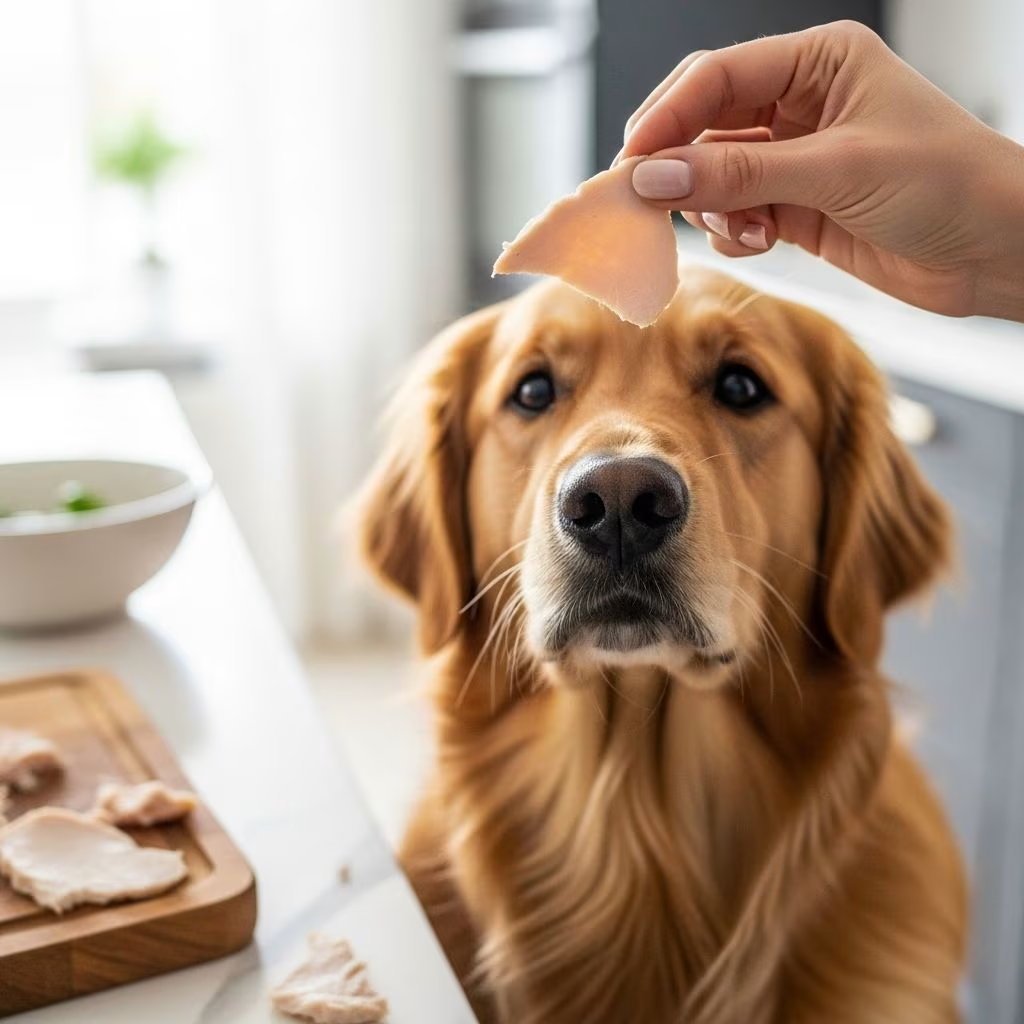
Plain, cooked turkey meat offers dogs a nutritious protein boost without inherent toxicity, making it a suitable occasional treat when prepared correctly.
Nutritional Advantages of Turkey in Canine Diets
Turkey stands out as a lean protein source that supports various aspects of canine health. It delivers high-quality protein essential for muscle maintenance and tissue repair, along with essential amino acids and omega-3 fatty acids.
Key nutrients include B vitamins such as riboflavin, B3, B6, and B12, which aid energy metabolism and overall vitality. Selenium acts as an antioxidant, bolstering metabolic functions and immune response, while zinc and phosphorus contribute to immune health and bone strength.
- Lean profile: Lower fat content compared to many meats, ideal for weight management or conditions like pancreatitis.
- Skin and coat support: Omega-3s promote glossy coats and healthy skin.
- Mood enhancement: Tryptophan helps serotonin production, potentially aiding relaxation.
- Digestion-friendly: Plain turkey is typically easy on the stomach.
- Allergy alternative: Useful for dogs sensitive to chicken or beef.
White meat, in particular, provides superior protein density over dark meat, enhancing its value in balanced diets.
Preparation Guidelines for Safe Turkey Treats
To ensure safety, focus on simplicity: cook thoroughly to 165°F (74°C) to kill bacteria like Salmonella, and serve boneless, skinless, unseasoned meat.
| Do’s | Don’ts |
|---|---|
| Cook plain without salt, oils, or spices | Add garlic, onions, or herbs (toxic) |
| Remove all skin and fat | Include fatty skin (risks pancreatitis) |
| Use small, shredded pieces | Offer whole chunks or bones |
| Start with tiny portions | Feed raw meat |
Ground turkey works well too, provided it’s handled identically—fully cooked and additive-free.
Recommended Portions and Frequency
Limit turkey to 10% of daily calories as a treat, not a meal replacement, to prevent digestive upset or obesity.
- Puppies and small breeds: 1-2 tablespoons max per day.
- Medium dogs: Palm-sized piece occasionally.
- Large breeds: Up to 1/4 cup, sparingly.
Monitor for reactions like diarrhea; consult a vet if issues arise. Regular table scraps can lead to weight gain, diabetes, or joint problems.
Turkey Parts to Absolutely Avoid
Not all turkey components suit dogs; certain elements pose serious threats.
- Bones: Cooked bones splinter, risking choking, punctures, or blockages.
- Skin: High fat triggers pancreatitis or stomach issues.
- Seasonings: Garlic, onions, and spices are toxic, causing anemia or irritation.
- Deli or processed: Loaded with sodium, preservatives; leads to thirst, hypertension, or dehydration.
- Gravy or stuffing: Often contains harmful fats, onions, or dairy.
Stick exclusively to plain breast or ground meat for risk-free enjoyment.
Special Considerations for Health Conditions
Dogs with pancreatitis, obesity, or allergies benefit most from turkey’s low-fat profile, but always vet-check first.
For inflammatory issues, turkey outperforms chicken due to lower allergy rates. Ground forms suit picky eaters or soft-food needs, but verify no additives.
Holiday Safety: Turkey During Thanksgiving
Thanksgiving turkey tempts many pups, but vigilance prevents vet visits. Shred plain meat post-meal, cool completely, and dole out sparingly amid festivities.
Keep counters clear, bones binned securely, and guests informed—no begging allowed. Post-feast, watch for bloating or lethargy signaling overindulgence.
DIY Turkey Recipes for Dogs
Incorporate turkey into homemade meals under vet guidance for variety.
Simple Turkey Bites
- Boil 1 lb ground turkey until 165°F.
- Mix with cooked brown rice and carrots (1:1:0.5 ratio).
- Cool, portion into treats; freeze extras.
Yields nutrient-dense snacks supporting digestion and energy.
Turkey Veggie Mash
Blend cooked turkey, pumpkin, and peas for fiber-rich toppers on kibble. Avoid over 10% of meals.
Frequently Asked Questions
Can puppies eat turkey?
Yes, in tiny, plain amounts after weaning; consult vet for growing needs.
Is raw turkey okay for dogs?
No—raw risks bacteria; always cook fully.
What if my dog ate turkey bones?
Seek emergency vet care immediately due to splinter risks.
Can senior dogs have turkey?
Absolutely, its lean nature aids joint health and easy digestion.
Does turkey cause allergies?
Rare, but monitor; novel protein for allergy trials.
Monitoring Your Dog After Turkey Treats
Introduce gradually: observe stool, energy, and appetite for 24-48 hours. Vomiting, diarrhea, or lethargy warrants vet attention; bland diet or meds may help.
Long-term, balance with complete foods prevents deficiencies. Turkey enhances, not replaces, nutrition.
References
- Is it Safe for Dogs to Eat Turkey? — Carey Animal Hospital. 2023-11-15. https://careyanimalhospital.com/blog/blog-can-dogs-eat-turkey/
- Can Dogs Eat Turkey? — American Kennel Club (AKC). 2024-10-01. https://www.akc.org/expert-advice/nutrition/can-dogs-eat-turkey/
- Can Dogs Eat Turkey? Benefits and Safety — Nature’s Logic. 2024-05-20. https://natureslogic.com/blog/can-dogs-eat-turkey/
- Can Dogs Eat Turkey? — Boulder Veterinary Hospital. 2023-12-05. https://bouldervet.com/blog/can-dogs-eat-turkey/
- Can Dogs Eat Ground Turkey? A Guide to Safe and Healthy Feeding — NomNomNow. 2024-08-12. https://www.nomnomnow.com/learn/article/can-dogs-eat-ground-turkey
- Is it Safe for Dogs to Eat Turkey? — Warrick Veterinary Clinic. 2023-11-20. https://warrickvet.com/blog/can-dogs-eat-turkey/
- Which Parts of the Turkey are Safe for a Dog? — OVRS. 2023-11-22. https://www.ovrs.com/blog/which-parts-of-the-turkey-are-safe-for-a-dog/



