

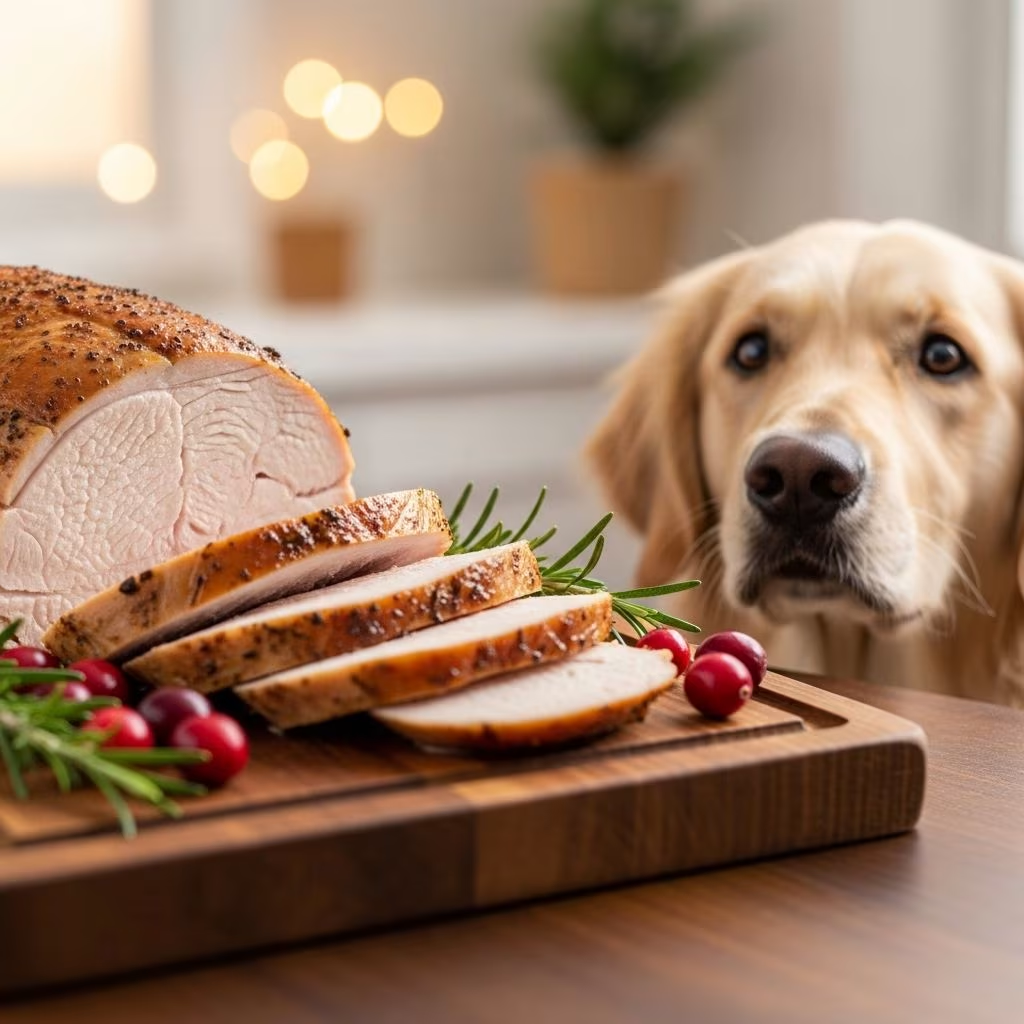
Turkey serves as a nutritious protein source for dogs when offered in plain, cooked form without harmful additives. Rich in essential amino acids, vitamins, and minerals, it supports muscle maintenance and overall vitality, but preparation methods determine its safety.
Nutritional Advantages of Turkey for Canines
Turkey stands out as a lean meat option, providing high-quality protein that aids in building and repairing tissues in dogs. It contains vital B vitamins such as niacin, B6, and B12, which play roles in energy production and metabolic processes. Selenium, an antioxidant mineral found in turkey, helps protect cells from damage and supports thyroid function, while phosphorus contributes to bone health.
For dogs with sensitivities to common proteins like chicken or beef, turkey offers a valuable alternative, potentially reducing allergic reactions and promoting better digestion. The presence of tryptophan, an amino acid, may influence mood regulation through serotonin production, and omega-3 fatty acids benefit skin and coat condition. White meat portions, like breast, are particularly low in fat, making them suitable for weight-conscious pets.
Potential Hazards and What to Avoid
While beneficial, turkey poses risks if not handled properly. Cooked bones splinter easily, creating choking dangers or internal injuries such as perforations in the digestive tract. Turkey skin, laden with fat, can trigger pancreatitis, a painful inflammation of the pancreas leading to vomiting, diarrhea, and lethargy.
Seasonings common in human recipes—garlic, onions, salt, and spices—are toxic or irritating to dogs. Garlic and onions damage red blood cells, causing anemia, while excess sodium leads to thirst, hypertension, or salt poisoning. Processed varieties like deli slices, bacon, hot dogs, or sausages contain preservatives, nitrates, and high sodium levels, risking gastrointestinal upset or weight gain.
Safe Preparation Methods for Turkey
To feed turkey securely, select boneless, skinless cuts and cook them plainly by baking, boiling, or grilling without oils or seasonings. Ground turkey works well if lean (93% or higher) and unseasoned, retaining minerals like potassium and selenium. Portion control is essential; treats should not exceed 10% of daily calories to maintain nutritional balance.
Introduce turkey gradually to new eaters, starting with small amounts to check for allergies or intolerances like itching, ear infections, or stool changes. Raw turkey carries bacterial risks such as salmonella, though some dogs tolerate it; consult a vet first, especially for puppies or immunocompromised pets.
Ideal Turkey Cuts for Dogs
| Cut | Fat Content | Benefits | Preparation Notes |
|---|---|---|---|
| Breast (White Meat) | Low (3% RDA) | High protein, easy digest | Boil or bake plain |
| Ground Turkey | Variable (use lean) | Rich in minerals | Cook thoroughly, no additives |
| Dark Meat | Moderate | More iron, flavor | Skinless, boneless only |
| Deli/Processed | High sodium | Avoid or minimal | Occasional small pieces |
Health Considerations for Specific Dogs
Puppies benefit from turkey’s protein for growth but require smaller, frequent portions to avoid tummy upset. Seniors, with slower metabolisms, gain from its low-fat profile for joint and weight support. Overweight dogs thrive on lean cuts to control calories, while active breeds use the protein for sustained energy.
- Pancreatitis-prone dogs: Skip fatty parts entirely.
- Allergy sufferers: Turkey as novel protein substitute.
- Dogs with kidney issues: Moderate phosphorus intake; vet approval needed.
- Diabetic pets: Low-fat helps blood sugar stability.
Recognizing Adverse Reactions
Monitor for symptoms post-feeding: persistent vomiting, bloody stools, abdominal pain (hunching), excessive drooling, or weakness signal emergencies. Mild issues like gas or soft stools may resolve, but discontinue and seek vet care if lasting over 24 hours. Allergic signs include facial swelling, hives, or breathing difficulties—rush to an ER.
Incorporating Turkey into Dog Diets
Many commercial dog foods feature turkey as a base ingredient, ensuring balanced nutrition. For homemade meals, combine with veggies like carrots or green beans and carbs such as sweet potatoes, under veterinary nutritionist guidance to meet AAFCO standards. Holiday scraps tempt sharing, but stick to plain portions amid feasts.
Fresh, unprocessed turkey enhances palatability, encouraging picky eaters. Rotate proteins weekly for variety, preventing deficiencies and boredom.
Frequently Asked Questions
Is raw turkey okay for dogs?
Some dogs handle raw turkey well due to strong stomach acids, gaining full nutrients without cooking losses, but bacterial contamination risks illness in vulnerable dogs. Boil or vet-approved freeze-thaw for safety.
How much turkey can I give my dog?
Limit to 10% of calories; e.g., 1-2 oz for a 20-lb dog daily as treat, adjusting by size and activity.
Can turkey help with dog allergies?
Yes, as a hypoallergenic option for chicken/beef allergies, but test via elimination diet.
What if my dog ate turkey bones?
Bones can splinter; watch for choking, constipation, or bloody stool. X-rays and vet intervention often needed.
Is turkey bacon safe?
No, high fat/sodium causes digestive woes and pancreatitis; avoid.
Expert Tips for Year-Round Feeding
Store leftovers refrigerated up to 3 days or freeze portions. Thaw safely to prevent bacteria. Pair with vet checkups for tailored advice, especially pre-existing conditions. Turkey’s affordability and availability make it a staple, but quality fresh meat beats processed.
Owners report improved coat shine and energy in turkey-fed dogs, attributing to its nutrient density. Sustainable sourcing benefits pet and planet.
References
- Can Dogs Eat Turkey? Is Turkey Safe For Dogs? — Spot & Tango. 2023. https://www.spotandtango.com/blog/can-dogs-eat-turkey
- Can Dogs Eat Turkey? A Guide to Safety — Purina US. 2024-10-15. https://www.purina.com/articles/dog/feeding/can-dogs-eat/turkey
- Can Dogs Eat Turkey? — Gray Animal Hospital. 2024. https://grayanimalhospitalinc.com/blog/can-dogs-eat-turkey/
- Can Dogs Eat Turkey? — American Kennel Club (AKC). 2023-11-20. https://www.akc.org/expert-advice/nutrition/can-dogs-eat-turkey/
- Can Dogs Eat Turkey? Benefits and Safety — Nature’s Logic. 2024. https://natureslogic.com/blog/can-dogs-eat-turkey/
- Can Dogs Eat Turkey? — Boulder Veterinary Hospital. 2023. https://bouldervet.com/blog/can-dogs-eat-turkey/
- Can Dogs Eat Turkey? — VEG ER for Pets. 2024. https://www.veg.com/post/can-dogs-eat-turkey



