

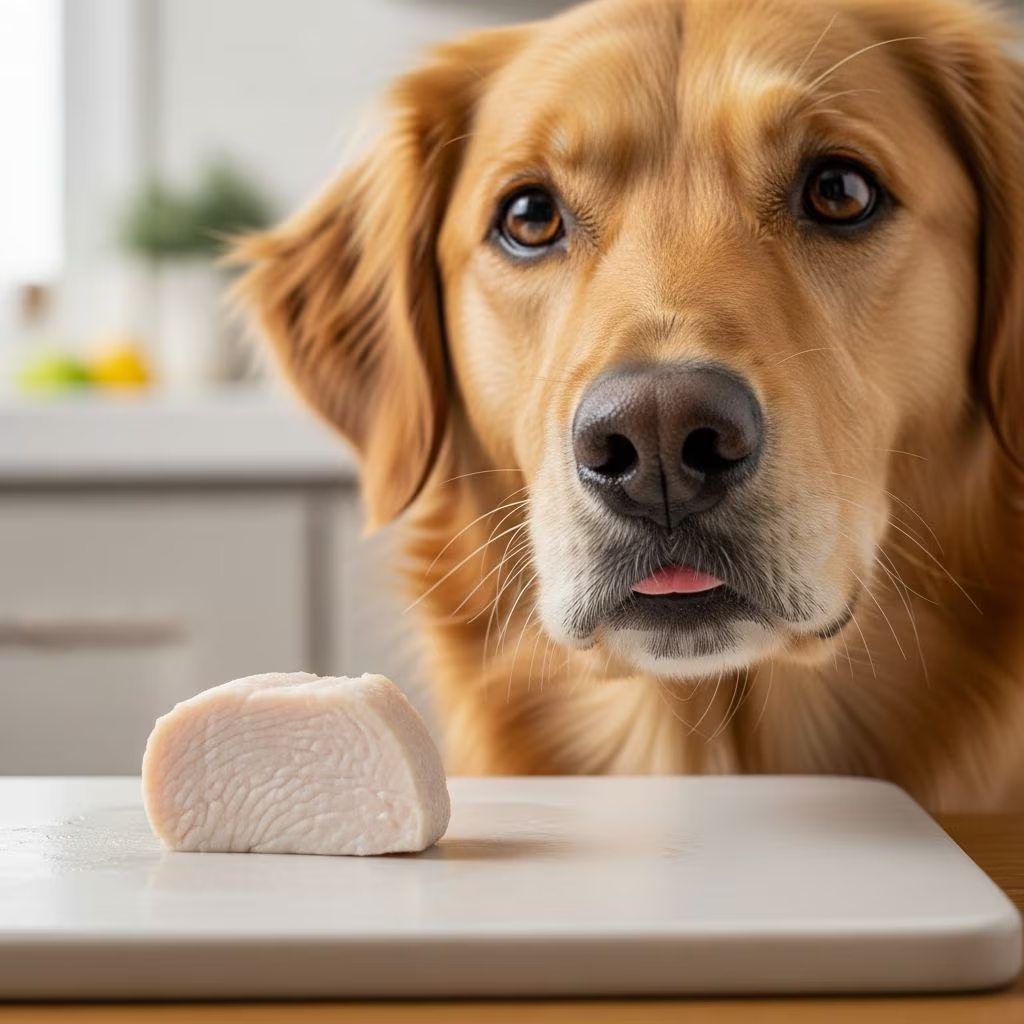
Turkey can be a safe and nutritious treat for dogs when prepared correctly, offering high-quality protein and essential nutrients without replacing their balanced diet. Plain, cooked turkey meat provides benefits like muscle support and vitamins, but parts like bones, skin, and seasonings pose serious risks.
Is Turkey Safe for Dogs?
Yes, dogs can safely eat plain, cooked turkey meat, which is rich in protein, riboflavin, phosphorus, and other nutrients commonly found in commercial dog foods. It serves as a lean protein source ideal for dogs with allergies to other meats like chicken or beef, supporting muscle growth, energy, and overall health. However, safety hinges on preparation: avoid raw turkey due to bacteria like Salmonella and E. coli, which can cause severe gastrointestinal issues in dogs and humans.
Turkey should never exceed 10% of a dog’s daily caloric intake to prevent obesity, nutritional imbalances, or digestive upset. Consult a veterinarian before introducing it, especially for dogs with conditions like pancreatitis, diabetes, or sensitive stomachs.
Benefits of Feeding Turkey to Dogs
Turkey offers several health advantages when fed appropriately:
- High-Quality Protein: Supports muscle maintenance, repair, and energy needs, making it suitable for active dogs or those on weight management plans.
- Essential Nutrients: Provides B vitamins (B3, B6, B12) for energy metabolism, selenium as an antioxidant for metabolic function, zinc for immune support, and phosphorus for bone health.
- Low in Fat (Lean Cuts): Turkey breast, with only about 3% fat relative to a dog’s RDA, is easily digestible and ideal for dogs with delicate stomachs or obesity risks.
- Tryptophan and Omega-3s: Aids serotonin production for mood regulation and promotes healthy skin and coat.
- Allergy-Friendly Alternative: A novel protein for dogs sensitive to common meats, reducing allergy symptoms.
Incorporate turkey into homemade diets only under veterinary guidance to ensure completeness.
Can Dogs Eat Cooked Turkey?
Dogs can eat cooked turkey safely if it’s plain, boneless, and skinless. A dog’s digestive system processes it well, but limit portions to avoid overfeeding. Bake, boil, or grill without oils, butter, salt, garlic, onions, or herbs, as these can be toxic or cause pancreatitis.
Introduce gradually to check for allergies, watching for vomiting, diarrhea, or itching.
Can Dogs Eat Raw Turkey?
No, raw turkey is unsafe due to risks of Salmonella, E. coli, and other pathogens leading to food poisoning, severe infections, and zoonotic spread. Always cook thoroughly to an internal temperature recommended by food safety guidelines.
Can Dogs Eat Turkey Bones?
Never feed turkey bones, cooked or raw. Cooked bones splinter into sharp fragments causing choking, mouth injuries, blockages, or perforations in the digestive tract. Raw bones carry bacterial risks and can still fracture teeth.
Can Dogs Eat Turkey Skin?
Avoid turkey skin, which is high in fat and often seasoned, leading to pancreatitis, vomiting, diarrhea, and weight gain. Even unseasoned skin poses risks for fat-sensitive dogs.
Can Dogs Eat Turkey Neck?
Turkey necks are risky; raw ones may carry bacteria, while cooked ones splinter dangerously. Some owners use raw necks recreationally under supervision, but veterinary experts advise against it due to choking and obstruction hazards.
Can Dogs Eat Ground Turkey?
Yes, lean or extra-lean ground turkey (93% lean or higher) is safe when cooked thoroughly without seasonings. It provides protein, potassium, niacin, selenium, phosphorus, and zinc. Use for meals but ensure balance.
Can Dogs Eat Turkey Bacon, Hot Dogs, or Deli Meat?
Processed turkey products like bacon, hot dogs, sausage, or deli meat are not recommended due to high sodium, nitrates, preservatives, fat, and spices causing vomiting, diarrhea, thirst, hypertension, and toxicity risks. Offer only sparingly as an absolute treat, far below 10% of calories.
Can Dogs Eat Turkey Gravy?
No, turkey gravy often contains onions, garlic, fats, and thickeners toxic to dogs, leading to anemia, digestive upset, or pancreatitis. Stick to plain meat.
How to Safely Prepare Turkey for Dogs
Follow these steps for safe turkey treats:
- Select fresh, plain turkey breast or ground turkey (lean cuts).
- Cook thoroughly: bake at 350°F until internal temperature reaches 165°F, boil, or grill without additives.
- Remove all skin, bones, fat, and seasonings.
- Cool completely to prevent burns.
- Chop into small, age-appropriate pieces (smaller for puppies/small breeds).
- Portion: 10% max of daily calories; e.g., 1-2 oz for a 20-lb dog.
Store leftovers refrigerated for up to 3 days or freeze in portions.
How Much Turkey Can Dogs Eat?
| Dog Weight | Daily Treat Allowance (Calories) | Approx. Turkey Amount (oz) |
|---|---|---|
| Small (10-20 lbs) | 50-100 | 1-2 |
| Medium (20-50 lbs) | 100-250 | 2-5 |
| Large (50+ lbs) | 250+ | 5-10+ |
Adjust based on activity, age, and health; calculate using your dog’s total daily needs.
What to Do if Your Dog Eats Unsafe Turkey
If your dog consumes bones, skin, raw turkey, or toxic seasonings:
- Monitor for symptoms: vomiting, diarrhea, lethargy, abdominal pain, excessive drooling, or blood in stool.
- Remove access to more food; offer water.
- Contact vet or pet poison hotline immediately for large amounts or symptoms.
- Treatments may include induced vomiting, activated charcoal, fluids, or surgery for obstructions.
Thanksgiving and Holiday Safety Tips for Dogs
Holidays amplify risks with table scraps. Keep dogs away from turkey carcasses, pies, and stuffing containing onions or grapes. Offer plain meat scraps as treats; freeze plain stock (fat skimmed) for future use. Educate family on hazards.
Turkey Recipe Ideas for Dogs
Simple Boiled Turkey Bites
Ingredients: 1 lb turkey breast, water. Boil until cooked, shred, cool, and serve small amounts. Mix with rice and veggies for a balanced meal.
Turkey Meatballs
Mix lean ground turkey with oats, egg, and pumpkin; bake plain. Portion control essential.
Frequently Asked Questions
Is turkey good for dogs with allergies?
Yes, turkey is often a hypoallergenic alternative protein for dogs allergic to chicken or beef.
Can puppies eat turkey?
Puppies can have small amounts of plain cooked turkey after weaning, but prioritize puppy food for growth.
Is turkey breast better than dark meat for dogs?
Turkey breast (white meat) is leaner and easier to digest than dark meat.
What if my dog ate a turkey bone?
Seek veterinary care promptly to prevent complications like blockages.
Can senior dogs eat turkey?
Yes, lean turkey supports muscle mass in seniors, but monitor portions for kidney health.
References
- Can Dogs Eat Turkey? A Guide to Safety — Purina US. 2023. https://www.purina.com/articles/dog/feeding/can-dogs-eat/turkey
- Can Dogs Eat Turkey? — Gray Animal Hospital. 2023. https://grayanimalhospitalinc.com/blog/can-dogs-eat-turkey/
- Can Dogs Eat Turkey? — American Kennel Club (AKC). 2023-11-24. https://www.akc.org/expert-advice/nutrition/can-dogs-eat-turkey/
- Can Dogs Eat Turkey? Is Turkey Safe For Dogs? — Spot & Tango. 2023. https://www.spotandtango.com/blog/can-dogs-eat-turkey
- Can Dogs Eat Turkey? Benefits and Safety — Nature’s Logic. 2023. https://natureslogic.com/blog/can-dogs-eat-turkey/
- Can Dogs Eat Turkey? — VEG ER for Pets. 2023. https://www.veg.com/post/can-dogs-eat-turkey



