

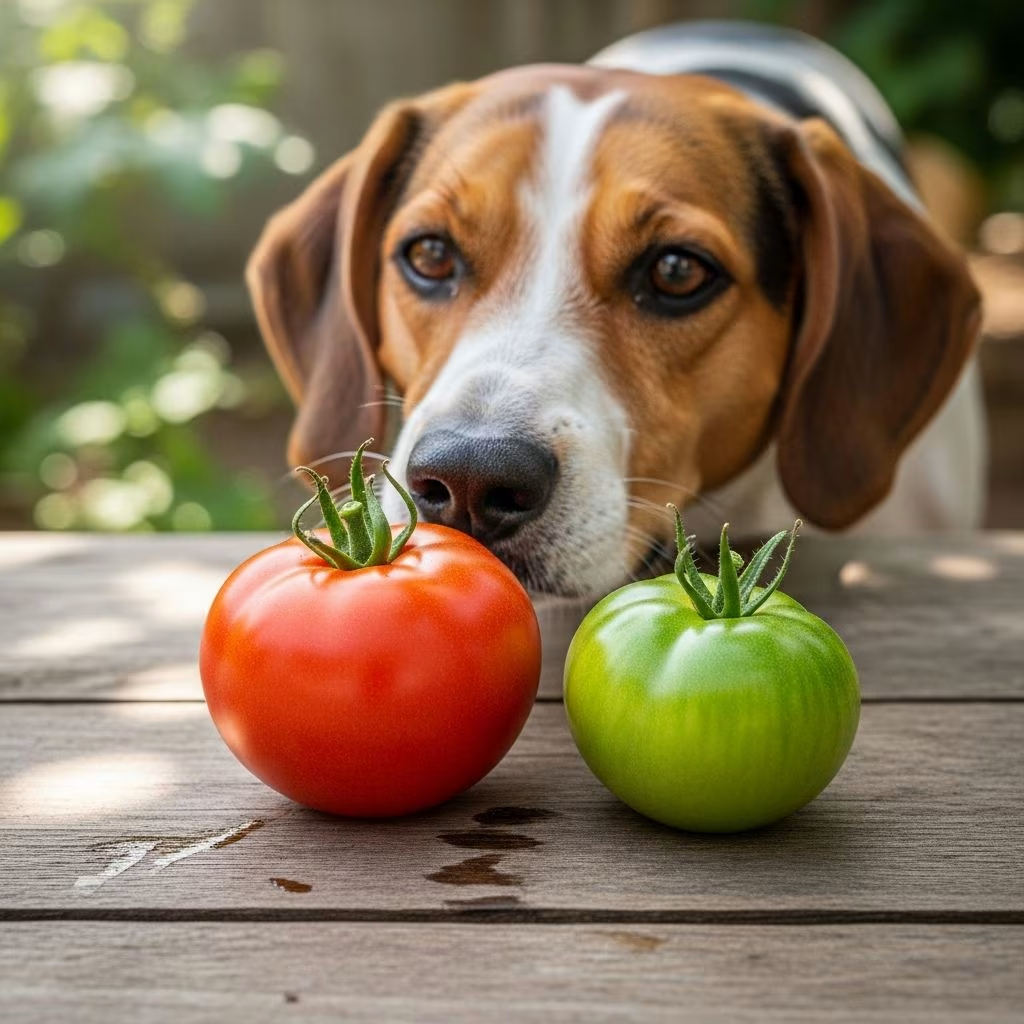
Can Dogs Eat Tomatoes?
Yes, dogs can have tomatoes—as long as they’re ripe. Ripe, red tomatoes—including cherry tomatoes—are non-toxic to dogs when they’re served plain without any salt, seasoning, or sauces. However, not all parts of the tomato plant are safe for your canine companion. Understanding which portions are safe and how to prepare them properly is essential for keeping your dog healthy and happy.
The key to safely feeding tomatoes to your dog lies in recognizing that while the ripe fruit itself can be a nutritious treat, certain parts of the tomato plant contain harmful compounds. This guide will help you navigate the do’s and don’ts of feeding tomatoes to your furry friend.
Are Tomatoes Safe for Dogs?
The safety of tomatoes for dogs depends entirely on ripeness and preparation. Ripe, red tomatoes are generally safe when given in moderation, but the green parts of the plant—including stems, leaves, and unripe tomatoes—contain toxic compounds that can harm your dog.
Tomatoes belong to the nightshade family of vegetables, which also includes potatoes, bell peppers, and eggplants. While ripe tomato flesh is considered non-toxic, the plant itself contains substances that require careful attention.
The Role of Solanine and Tomatine
The primary concern with tomato plants involves two alkaloid compounds: solanine and tomatine. These naturally occurring substances are found in significantly higher concentrations in the green parts of the plant. As tomatoes ripen and turn red, the levels of these toxic compounds decrease substantially, making mature tomatoes safe for canine consumption.
Solanine is a naturally occurring substance in nightshade vegetables that can be toxic to dogs in larger quantities. When concentrated in green, unripe tomatoes and plant foliage, it poses potential risks to your pet’s health.
Nutritional Benefits of Tomatoes for Dogs
When prepared correctly, ripe tomatoes can offer several nutritional advantages to your dog’s diet. These benefits make tomatoes an attractive occasional treat option.
Key Nutritional Components
Vitamins and Minerals: Tomatoes are rich in vitamins A, C, and K, which support vision, immune function, and bone health. These essential nutrients contribute to overall wellness and help maintain your dog’s bodily functions.
Antioxidants: Lycopene, a powerful antioxidant found in tomatoes, can support heart health and reduce inflammation in your dog’s body. This compound gives tomatoes their characteristic red color and provides significant health benefits.
Fiber Content: The dietary fiber in tomatoes supports healthy digestion and can help maintain regular bowel movements in dogs. This is particularly beneficial for dogs experiencing occasional digestive sluggishness.
Low-Calorie Nature: Tomatoes are an excellent low-calorie treat option, containing approximately 4 calories per slice. This makes them ideal for overweight dogs or those requiring careful calorie management.
According to veterinary experts, ripe and red tomatoes in small amounts can provide nutritional benefits to dogs due to their vitamin C content and potential antioxidant properties.
What Parts of Tomatoes Are Safe for Dogs?
Not all parts of the tomato are appropriate for your dog. Understanding which components are safe is crucial for responsible feeding.
Safe Tomato Parts
Ripe Red Tomato Flesh: The mature, red flesh of the tomato is the safest part for dogs to consume. Plain, ripe tomatoes are low in calories and rich in beneficial nutrients. This portion should be offered in moderation as an occasional treat, following the 10% treat rule to prevent digestive upset.
Cooked Tomatoes (Plain, Unsalted): Cooked tomatoes are safe for dogs in small quantities when prepared without added garlic, onion, salt, or oil. These added ingredients can be harmful to your pet, so plain preparation is essential.
Unsafe Tomato Parts
Green Tomatoes: Unripe, green tomatoes contain elevated levels of solanine and tomatine, which can be toxic in larger amounts. These should never be offered to your dog.
Tomato Stems and Leaves: The stems and leaves of tomato plants are high in solanine, and even small quantities can lead to gastrointestinal or neurological issues. These parts should always be kept away from your dog.
Canned or Processed Tomato Products: Commercial tomato products often include onion, garlic, or added salt—all ingredients that are harmful to dogs. Tomato sauces, soups, and condiments should never be given to your pet.
Potential Risks and Considerations
While ripe tomatoes can be a healthy treat, several factors should be considered before introducing them to your dog’s diet.
Acidity Concerns
Tomatoes are acidic fruits, and this acidity may upset sensitive stomachs, especially in puppies or dogs with reflux conditions. Excessive tomato consumption can lead to diarrhea or vomiting. Always introduce tomatoes gradually and monitor your dog’s response.
Dogs with Special Conditions
Tomatoes are not safe for all dogs. Dogs with sensitive stomachs, acid reflux, or known allergies may react negatively to tomatoes. Ripe red tomatoes are generally safe in moderation for most dogs, but always avoid green parts and monitor for adverse symptoms after feeding.
Allergic Reactions
Yes, tomatoes can cause allergic reactions in some dogs. Signs of allergic response may include itching, vomiting, diarrhea, or swelling. If your dog exhibits any of these symptoms after eating a tomato, discontinue feeding immediately and consult your veterinarian, as it may indicate food sensitivity or allergy.
Toxicity Symptoms
If your dog ingests toxic parts of the tomato plant, watch for symptoms including gastrointestinal upset, drooling, lethargy, weakness, and in severe cases, neurological symptoms. These can occur when large quantities of solanine or tomatine are consumed.
How to Safely Prepare Tomatoes for Your Dog
Proper preparation is essential for safely offering tomatoes to your dog. Follow these guidelines to minimize risks.
Preparation Steps
Select Ripe Tomatoes: Always choose fully ripe, red tomatoes. Avoid any with green coloring or those that are still firm and unripe.
Remove All Green Parts: Thoroughly remove stems, leaves, and any unripe green portions. Even small amounts of these parts can be problematic.
Wash Thoroughly: Rinse the tomato under running water to remove any pesticides or contaminants.
Remove Seeds (Optional): While not strictly necessary, removing seeds can make digestion easier for some dogs, particularly those with sensitive stomachs.
Cut Into Appropriate Sizes: Cut the tomato into small, bite-sized pieces appropriate for your dog’s size to prevent choking hazards.
Serve Plain: Never add salt, seasonings, oil, or any other ingredients. Plain tomato flesh is the safest option.
Special Tomato Products and Dogs
Various tomato products present different levels of safety for dogs.
Tomato Skin and Seeds
Dogs can eat tomatoes with skin as long as the tomato is ripe, red, and served plain. Tomato skin is not toxic, but some dogs may have trouble digesting it. Start with a small amount and observe your dog’s response before offering larger portions.
Sun-Dried Tomatoes
The safety of sun-dried tomatoes depends on preparation methods. Plain, unsalted, and preservative-free sun-dried tomatoes may be acceptable in tiny amounts. However, most commercially available sun-dried tomatoes are seasoned with garlic, oil, or salt, making them unsafe for dogs.
Cherry Tomatoes
Ripe, red cherry tomatoes are non-toxic to dogs when served plain. Cut them into appropriate sizes based on your dog’s size, particularly for smaller dogs, to prevent choking hazards.
The 10% Treat Rule
A fundamental principle in dog nutrition is the 10% treat rule, which states that treats should comprise no more than 10% of your dog’s daily caloric intake. The remaining 90% should come from a complete, balanced commercial dog food. Even though tomatoes are low in calories and nutritious, they should still follow this guideline to ensure your dog receives proper nutrition from their primary diet.
Introducing Tomatoes to Your Dog’s Diet
If you decide to offer tomatoes to your dog, introduction should be gradual and careful.
Start Small: Begin with a small piece or slice and observe your dog for 24 hours for any adverse reactions.
Watch for Symptoms: Monitor for signs of digestive upset, allergic reactions, or any other negative responses.
Increase Gradually: If no adverse effects occur, you can occasionally offer slightly larger portions while maintaining the 10% treat rule.
Consult Your Veterinarian: Always consult with your veterinarian before introducing new foods, particularly if your dog has pre-existing health conditions or dietary sensitivities.
Frequently Asked Questions (FAQs)
Q: Are tomatoes safe for all dogs?
A: Tomatoes are not safe for all dogs. Dogs with sensitive stomachs, acid reflux, or known allergies may react negatively. Ripe red tomatoes are generally safe in moderation for most healthy dogs, but always avoid green parts and monitor for any adverse symptoms after feeding.
Q: Can dogs eat tomatoes with skin?
A: Yes, dogs can eat tomatoes with skin as long as the tomato is ripe, red, and served plain. Tomato skin is not toxic, though some dogs may have difficulty digesting it. Start with a small amount and observe your dog’s response.
Q: What should I do if my dog eats green tomatoes or tomato plants?
A: If your dog ingests green tomatoes, stems, or leaves, contact your veterinarian immediately. Monitor for symptoms including gastrointestinal upset, drooling, lethargy, or neurological signs, and provide your vet with details about the quantity consumed.
Q: Can tomatoes cause allergic reactions in dogs?
A: Yes, tomatoes can cause allergic reactions in some dogs. Signs may include itching, vomiting, diarrhea, or swelling. If your dog reacts after eating a tomato, discontinue feeding and consult your veterinarian immediately.
Q: How often can I give my dog tomatoes?
A: Tomatoes should be offered only occasionally as a treat, not as a regular part of your dog’s diet. They should comprise no more than 10% of your dog’s daily caloric intake, with the remaining 90% coming from complete, balanced dog food.
Q: Are canned or processed tomato products safe for dogs?
A: No, canned and processed tomato products are generally unsafe for dogs. They often contain onion, garlic, added salt, and other ingredients that are harmful to canines. Stick to plain, fresh, ripe tomatoes only.
Q: Can puppies eat tomatoes?
A: While ripe tomatoes are technically safe for puppies, the acidity may upset their developing digestive systems more easily than adult dogs. Consult your veterinarian before introducing tomatoes to puppies, and if you do offer them, use very small portions.
Final Recommendations
Tomatoes can be a safe and nutritious occasional treat for dogs when properly prepared and offered in moderation. The key is ensuring that only ripe, red tomato flesh is given, while all green parts—stems, leaves, and unripe tomatoes—are completely avoided. With approximately 4 calories per slice and rich nutritional content including vitamins A, C, and K, fiber, and antioxidants like lycopene, tomatoes offer genuine health benefits for your canine companion.
Always introduce new foods gradually, monitor your dog for adverse reactions, and consult your veterinarian before making significant dietary changes, particularly if your dog has pre-existing health conditions or dietary sensitivities. By following these guidelines, you can safely incorporate tomatoes as an occasional healthy addition to your dog’s diet while maintaining their overall nutrition through complete, balanced commercial dog food as their primary dietary source.
References
- Can Dogs Have Tomatoes? Safety, Benefits & Feeding Guidelines — Noble Vet Clinic. 2024. https://noblevetclinic.com/blog/can-dogs-have-tomatoes
- Can Dogs Eat Tomatoes? Benefits, Risks, and Feeding Tips — PetMD. 2024. https://www.petmd.com/dog/nutrition/can-dogs-eat-tomatoes
- Can Dogs Eat Tomatoes: Unveiling the Truth — Red Gold Tomatoes. 2024. https://www.redgoldtomatoes.com/redgoldtomatoes/post/can-dogs-eat-tomatoes-unveiling-the-truth
- Can Dogs Eat Tomatoes? The Good, the Bad, and the Green — Petzyo. 2024. https://petzyo.com.au/blogs/health-wellbeing/can-dogs-eat-tomatoes
- Can Dogs Eat Tomatoes? — Chewy. 2024. https://www.chewy.com/education/dog/food-and-nutrition/can-dogs-eat-tomatoes
- Can Dogs Eat Tomatoes? — American Kennel Club. 2024. https://www.akc.org/expert-advice/nutrition/can-dogs-eat-tomatoes/



