

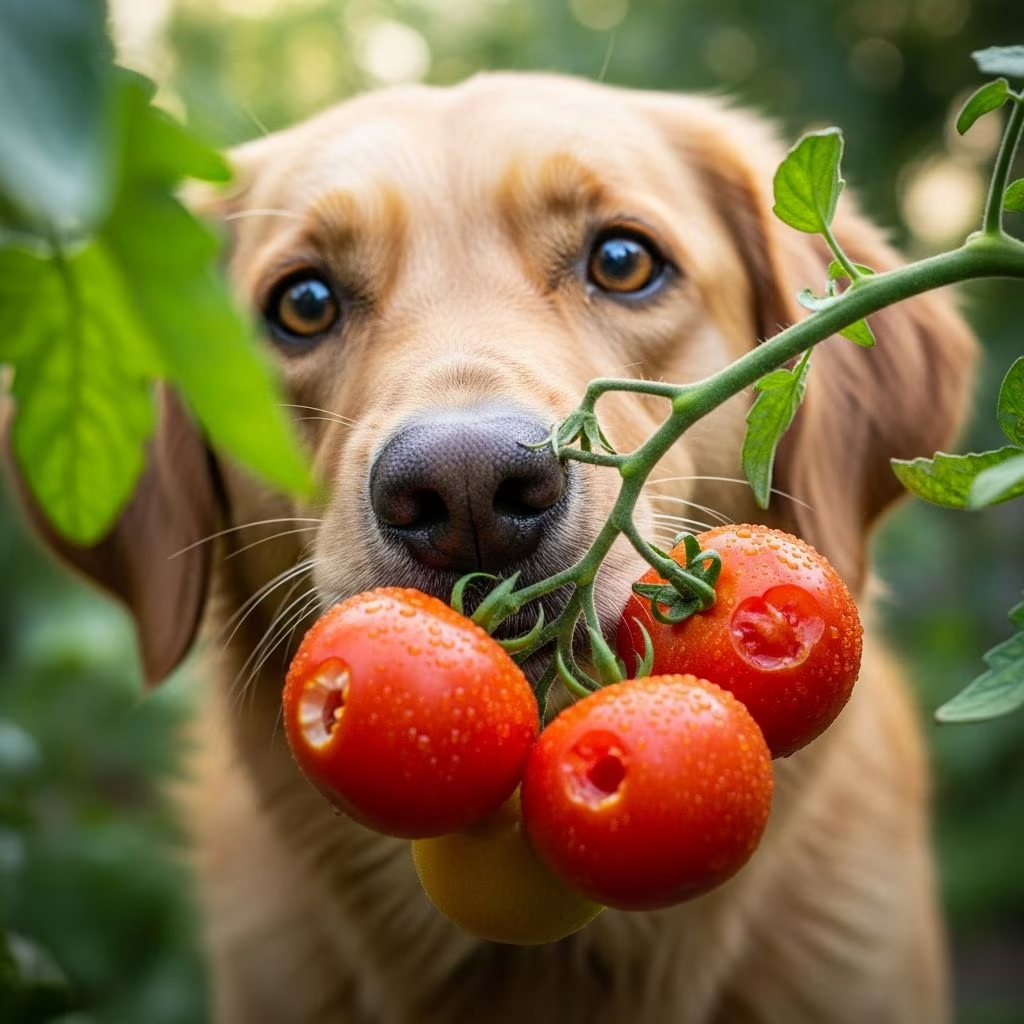
Can Dogs Eat Tomatoes? A Complete Nutrition Guide
Many dog owners wonder whether they can share their fresh garden tomatoes or kitchen scraps with their furry companions. The short answer is yes, but with important caveats. Dogs can eat ripe tomatoes in moderation, but it’s crucial to understand which parts are safe and which pose potential risks. Tomatoes are nutrient-rich foods that can offer health benefits when served properly, but the green parts of the plant contain toxic compounds that every dog owner should know about.
Are Tomatoes Safe for Dogs?
The safety of tomatoes for dogs depends entirely on their ripeness and which parts you’re feeding. Ripe, red tomatoes are generally non-toxic and safe for dogs when given in small amounts as occasional treats. However, the same cannot be said for unripe or green tomatoes, which contain harmful alkaloid compounds.
Tomatoes are part of the nightshade family of vegetables, which also includes potatoes and bell peppers. This family classification is important because nightshade plants naturally produce compounds as a defense mechanism. In tomatoes, the primary concern is two specific toxins: solanine and tomatine.
As tomatoes ripen and turn from green to red, the concentration of these toxic compounds decreases significantly. This is why ripe, red tomatoes are safe, while green or unripe tomatoes pose a genuine health risk to dogs. Understanding this distinction is essential for keeping your dog healthy and preventing accidental poisoning.
Which Parts of the Tomato Plant Are Toxic?
Not all parts of the tomato plant are created equal when it comes to dog safety. It’s critical to recognize which components contain dangerous levels of solanine and tomatine:
- Green or unripe tomatoes: Contain high levels of tomatine and should never be fed to dogs
- Tomato stems: Exceptionally high in solanine and toxic even in small quantities
- Tomato leaves: Dangerous to dogs and can cause gastrointestinal or neurological issues
- Tomato vines: Part of the toxic green material that should be avoided entirely
- Ripe red flesh: The only safe part of the tomato plant for dogs when served plain and in moderation
When preparing tomatoes for your dog, always remove stems, leaves, and ensure the tomato is fully ripe. Even small amounts of the green parts can lead to health complications, making it essential to practice careful preparation.
Nutritional Benefits of Ripe Tomatoes for Dogs
When served appropriately, ripe tomatoes can provide several nutritional advantages to your dog’s diet. These benefits make them a worthwhile occasional treat when incorporated safely:
- Vitamin A: Supports vision and eye health
- Vitamin C: Acts as an antioxidant and strengthens the immune system
- Vitamin K: Essential for blood clotting and bone health
- Potassium: Supports muscle function and cardiac health
- Lycopene: A powerful antioxidant that may reduce inflammation and support heart health
- Folate (Vitamin B9): Promotes tissue growth and cell function
- Dietary fiber: Helps support healthy digestion
These nutrients explain why tomatoes are often included as ingredients in commercial dog foods. The combination of vitamins, minerals, and antioxidants can contribute to overall health when tomatoes are part of a balanced diet.
Low-Calorie Treat Option
For dogs that need to maintain a healthy weight, ripe tomatoes offer an excellent low-calorie alternative to traditional treats. A single slice of tomato contains approximately four calories, making it ideal for weight management without sacrificing flavor or nutrition. This makes tomatoes particularly valuable for overweight dogs or those on calorie-restricted diets.
Potential Risks and Concerns
While ripe tomatoes offer nutritional benefits, they’re not without risks. Understanding potential problems helps you make informed decisions about including them in your dog’s diet:
Digestive Upset
Even ripe tomatoes can cause digestive issues in some dogs. Too many tomatoes may lead to mild stomach upset, including diarrhea or gas. This is why moderation is essential, and new foods should always be introduced gradually. Dogs with sensitive digestive systems are particularly susceptible to these effects.
Acidity Concerns
Tomatoes are naturally acidic foods that may irritate the stomach lining in certain dogs. Dogs with conditions like acid reflux, chronic gastroenteritis, or kidney disease may be more sensitive to acidic foods and should avoid tomatoes altogether. Even healthy dogs with particularly sensitive stomachs might experience discomfort from tomato acidity.
Choking Hazards
Certain tomato varieties pose choking risks, particularly for small dog breeds. Cherry tomatoes or larger chunks can be problematic. Always cut tomatoes into appropriately sized pieces for your dog’s size, and supervise feeding to prevent choking incidents.
Allergic Reactions
Some dogs may develop allergic reactions to tomatoes. Signs of tomato allergies include itching, vomiting, diarrhea, or swelling. If your dog experiences any adverse reactions after consuming tomatoes, discontinue feeding immediately and consult your veterinarian to rule out food sensitivity or allergy.
What About Processed Tomato Products?
Not all tomato products are safe for dogs. Many processed items contain ingredients that are toxic to canines:
- Tomato sauce: Often contains garlic and onion, which are toxic to dogs
- Canned tomato products: May include added salt, which isn’t healthy for dogs
- Tomato soup: Typically contains salt, seasonings, and potentially harmful ingredients
- Ketchup: High in sugar and salt, plus may contain garlic or other unsafe additives
- Sun-dried tomatoes: Usually seasoned with garlic, oil, or salt, making them unsafe
Only plain, ripe tomatoes without any added seasonings, salt, oil, or other ingredients should be given to dogs. When in doubt, stick to whole, fresh tomatoes prepared with nothing added.
Safe Ways to Serve Tomatoes to Your Dog
If you’ve decided that tomatoes are appropriate for your dog, follow these guidelines to ensure safe feeding:
- Select ripe, red tomatoes: Never use green or unripe tomatoes
- Remove all stems and leaves: These parts contain high concentrations of solanine and tomatine
- Wash thoroughly: Clean the tomato to remove any pesticides or dirt
- Cut into appropriate sizes: Prevent choking by cutting into small pieces suitable for your dog’s size
- Serve plain: No salt, seasoning, oil, or other additives
- Start slowly: Introduce tomatoes gradually to monitor for any adverse reactions
- Follow the 10% treat rule: Treats should make up no more than 10% of your dog’s daily caloric intake
Who Should Avoid Tomatoes?
Not all dogs are suitable candidates for tomato treats. Certain dogs have specific health conditions or sensitivities that make tomatoes inappropriate:
- Dogs with sensitive stomachs or digestive conditions
- Dogs with a history of acid reflux or gastric issues
- Dogs with chronic gastroenteritis or kidney disease
- Dogs with known tomato allergies or sensitivities
- Puppies, who may have more delicate digestive systems
- Very small dog breeds prone to choking
Always consult with your veterinarian before introducing new foods, especially if your dog has any underlying health conditions or digestive sensitivities.
Cooked Tomatoes Versus Raw
Both cooked and raw tomatoes can be safe options when properly prepared. Cooked tomatoes are safe in small quantities if they are plain and contain no added garlic, onion, salt, or oil. Cooking doesn’t significantly increase the toxicity of ripe tomatoes, so the choice between raw and cooked is largely based on your dog’s preferences and your preparation convenience. However, always ensure that any cooked tomato product remains plain and unseasoned.
Frequently Asked Questions
Q: Are tomatoes safe for all dogs?
A: Ripe red tomatoes are generally safe for most dogs in moderation, but they are not appropriate for all dogs. Dogs with sensitive stomachs, acid reflux, allergies, or certain medical conditions should avoid tomatoes entirely. Always consult your veterinarian before introducing tomatoes to your dog’s diet, especially if your pet has a history of digestive issues.
Q: Can dogs eat tomatoes with skin?
A: Yes, dogs can eat tomatoes with skin as long as the tomato is ripe, red, and served plain. Tomato skin is not toxic to dogs; however, some dogs may have difficulty digesting it. If you’re offering tomato with skin for the first time, start with a small amount and observe your dog for any digestive issues before offering larger quantities.
Q: Can dogs eat cherry tomatoes?
A: Cherry tomatoes are safe for dogs when they’re ripe and red, but they do pose a choking hazard, especially for small breeds. If you offer cherry tomatoes, cut them into smaller pieces and always supervise your dog during feeding to prevent choking accidents.
Q: How much tomato can I give my dog?
A: Tomatoes should follow the 10% treat rule, meaning treats should comprise no more than 10% of your dog’s daily caloric intake. For most dogs, this means just a small slice or a few small pieces as an occasional treat, not a regular part of their diet.
Q: What are signs of tomato poisoning in dogs?
A: If your dog ingests green tomatoes, stems, or leaves, watch for symptoms including gastrointestinal upset, vomiting, diarrhea, lethargy, tremors, or loss of appetite. Contact your veterinarian immediately if you suspect your dog has consumed toxic parts of the tomato plant.
Q: Can dogs eat sun-dried tomatoes?
A: It depends on how sun-dried tomatoes are prepared. Plain, unsalted, and preservative-free sun-dried tomatoes may be acceptable in tiny amounts, but most commercially available sun-dried tomatoes are seasoned with garlic, oil, or salt, making them unsafe for dogs. It’s safest to avoid sun-dried tomatoes altogether.
Q: Can tomatoes cause allergic reactions in dogs?
A: Yes, some dogs can develop allergic reactions to tomatoes. Signs may include itching, vomiting, diarrhea, swelling, or other adverse reactions. If your dog shows any signs of an allergic reaction after eating tomatoes, stop offering them immediately and consult your veterinarian.
Final Thoughts on Tomatoes for Dogs
Yes, tomatoes are a safe treat for dogs when served properly and in moderation. The key to safely incorporating tomatoes into your dog’s diet is remembering three critical rules: ensure the tomato is fully ripe and red, remove all stems, leaves, and green parts, and serve only the plain red flesh without any seasonings or additives.
While tomatoes offer genuine nutritional benefits including vitamins, minerals, antioxidants, and fiber, they should always be considered a supplement to, not a replacement for, your dog’s complete and balanced regular diet. Treats like tomatoes should support your dog’s core nutrition, not dominate their caloric intake.
If you have any concerns about your dog’s health, digestive sensitivities, or whether tomatoes are appropriate for your specific pet, always consult with your veterinarian. Your vet can provide personalized guidance based on your dog’s age, health status, and individual needs. When fed appropriately, fresh ripe tomatoes can be a refreshing, low-calorie treat that your dog may enjoy throughout the year.
References
- Can Dogs Eat Tomatoes? Safety, Benefits & Feeding Guidelines — Noble Vet Clinic. https://noblevetclinic.com/blog/can-dogs-have-tomatoes
- Can Dogs Eat Tomatoes? Benefits, Risks, and Feeding Tips — PetMD. https://www.petmd.com/dog/nutrition/can-dogs-eat-tomatoes
- Can Dogs Eat Tomatoes? The Good, the Bad, and the Green — Petzyo. https://petzyo.com.au/blogs/health-wellbeing/can-dogs-eat-tomatoes
- Can Dogs Eat Tomatoes? — American Kennel Club. https://www.akc.org/expert-advice/nutrition/can-dogs-eat-tomatoes/
- Can Dogs Eat Tomatoes? — Chewy. https://www.chewy.com/education/dog/food-and-nutrition/can-dogs-eat-tomatoes
- Can Dogs Eat Tomatoes: Unveiling the Truth — Red Gold. https://www.redgoldtomatoes.com/redgoldtomatoes/post/can-dogs-eat-tomatoes-unveiling-the-truth



