

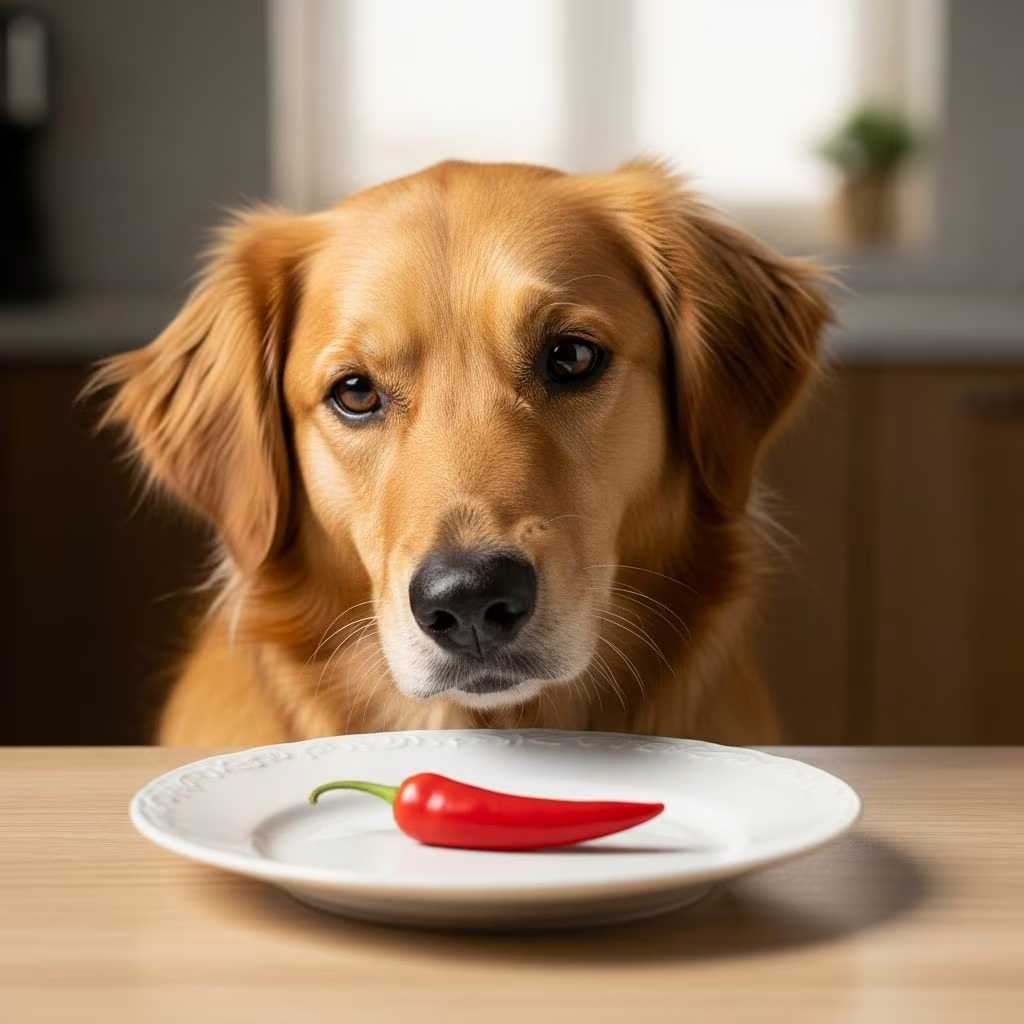
Dogs should never consume spicy foods because capsaicin, the compound responsible for heat in peppers, triggers intense irritation in their mouths, throats, and digestive tracts, often resulting in pain, vomiting, diarrhea, and more severe complications.
The Science Behind Spice and Canine Sensitivity
Capsaicin binds to receptors in a dog’s mouth, esophagus, stomach, and intestines, creating a burning sensation that signals danger to the brain, even though no actual tissue damage occurs. Dogs possess approximately 1,700 taste buds, far fewer than the 9,000 in humans, limiting their ability to perceive flavors like spice but not their sensitivity to its painful effects.
This internal reaction means a dog might not show obvious distress from taste alone but will suffer gastrointestinal upset. Additional ingredients in spicy dishes, such as garlic and onions, exacerbate risks by damaging red blood cells and potentially causing anemia.
Immediate Reactions to Spicy Ingestion
When a dog encounters spicy food, visible signs often emerge quickly. Common responses include excessive drooling, pawing at the mouth, coughing, sneezing, and frantic face rubbing as they attempt to alleviate the burn.
- Drooling and pawing: Efforts to remove the irritant from sensitive mucous membranes.
- Coughing or sneezing: Respiratory irritation from capsaicin vapors or direct contact.
- Face covering: Instinctive behavior to soothe inflamed areas.
These behaviors highlight discomfort that humans might enjoy as a flavor thrill but prove distressing for pets lacking the context to endure it.
Gastrointestinal Consequences of Spice Exposure
Beyond oral irritation, capsaicin disrupts the digestive process, leading to inflammation along the entire tract. Symptoms typically appear within hours and can persist for days.
| Symptom | Description | Duration |
|---|---|---|
| Vomiting | Expulsion of stomach contents due to irritation | 1-2 hours post-ingestion |
| Diarrhea | Loose, frequent stools from intestinal inflammation | Up to 48 hours |
| Gas and bloating | Excessive flatulence and abdominal discomfort | Several hours to days |
| Excessive thirst | Increased drinking to combat dehydration | Ongoing until recovery |
Such effects stem from the dog’s digestive system being ill-equipped for capsaicin, unlike human systems adapted through culinary evolution.
Hidden Dangers in Common Spicy Items
Many popular spicy foods compound risks with toxic additives. Hot sauces frequently contain garlic or onions, which are part of the Allium family and hemolytic agents in dogs, even in powdered form.
- Hot sauce: Capsaicin plus sugars and preservatives irritate and ferment in the gut.
- Chili peppers or jalapeños: Pure capsaicin sources causing peak burning.
- Spicy snacks like chips: High salt, fat, and oils overload the system.
- Buffalo wings or barbecue: Often laced with garlic, onions, and excessive fats.
A single lick might not require immediate veterinary intervention for mild cases, but monitoring is essential, as larger amounts or repeated exposure heighten toxicity.
What to Do If Your Dog Eats Something Spicy
Act promptly to minimize harm. Offer cooling remedies to neutralize capsaicin without worsening issues.
- Wipe the mouth: Use a damp cloth to remove residue from face, paws, and muzzle.
- Provide relief foods: Cold water, plain yogurt (if lactose-tolerant), or milk can bind capsaicin. Follow with a bland diet like boiled rice, mashed potatoes, or unseasoned chicken.
- Monitor symptoms: Watch for lethargy, persistent vomiting, blood in stool, or breathing difficulties.
- Contact a vet: If toxic ingredients like garlic are involved or symptoms intensify, seek professional care immediately.
Avoid forcing vomiting unless directed by a vet, as this could spread irritants further.
Long-Term Health Implications
Occasional small exposures might resolve without lasting damage, but habitual feeding disrupts nutritional balance and encourages begging for unsafe foods. Puppies and seniors face amplified risks due to immature or weakened systems.
Chronic irritation may lead to gastritis or exacerbated conditions like pancreatitis. Sharing human meals imbalances essential nutrients, potentially causing obesity or deficiencies.
Safe Flavor Alternatives for Your Dog’s Diet
Dogs thrive on tailored nutrition. Enhance meals with pet-safe options instead of spices.
- Herbs: Parsley, basil, or turmeric in moderation for antioxidants (vet-approved).
- Vegetables: Carrots, green beans, or pumpkin for fiber and low-calorie appeal.
- Fruits: Blueberries or apples (no seeds) for natural sweetness.
Commercial dog foods provide complete nutrition. Consult a veterinarian before adding supplements.
Spices and Herbs: Safe vs. Dangerous
| Safe (Small Amounts) | Dangerous/Avoid |
|---|---|
| Turmeric Parsley Basil Rosemary | Capsaicin peppers Chili powder Garlic Onions Nutmeg |
Always prioritize plain preparations and veterinary guidance.
Preventing Accidental Spicy Encounters
Proactive habits safeguard your pet:
- Store spices, sauces, and seasoned foods out of reach.
- Train “leave it” commands to deter counter surfing.
- Elevate trash cans with secure lids.
- Educate family on no-sharing rules, especially with children.
Consistency fosters healthy boundaries, reducing begging and risks.
FAQs: Spicy Foods and Dogs
Can a small amount of spice hurt my dog?
Even minor amounts cause discomfort; larger doses risk severe GI issues or toxicity from additives.
Do dogs feel the burn from spicy food like humans?
Yes, capsaicin activates the same pain receptors, often more intensely without flavor enjoyment.
Is hot sauce ever okay for dogs?
No, due to capsaicin, garlic, and high sodium content.
What if my dog ate a jalapeño?
Monitor for symptoms and contact your vet; provide bland foods for relief.
Are there any spicy treats made for dogs?
Reputable brands avoid capsaicin; opt for mild flavor enhancers instead.
References
- The Dog Ate My Sriracha: Is Hot Sauce Safe for Dogs? — Pepper Palace. 2023. https://pepperpalace.com/blogs/expert-tips/the-dog-ate-my-sriracha-is-hot-sauce-safe-for-dogs
- Can Dogs Eat Spicy Food? — Everhart Veterinary Hospital. 2024. https://www.everhartvet.com/can-dogs-eat-spicy-food/
- Can My Dog Eat Spicy Food? — Taste of the Wild Pet Food. 2023. https://www.tasteofthewildpetfood.com/articles/can-my-dog-eat-that/spicy-food/
- Can Dogs Eat Spicy Food? — Hill’s Pet. 2024. https://www.hillspet.com/dog-care/nutrition-feeding/can-dogs-eat-spicy-food



