

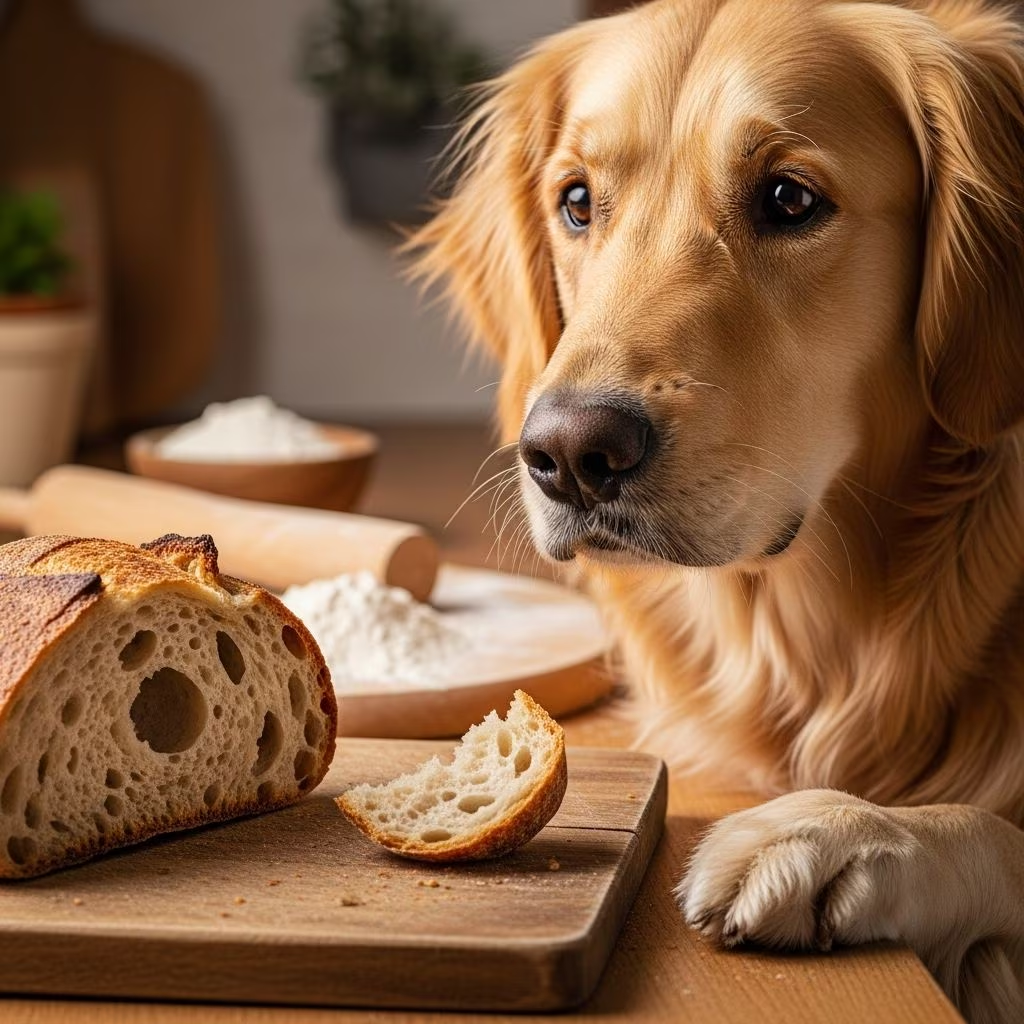
Can Dogs Eat Sourdough Bread? A Comprehensive Guide
Sourdough bread has become increasingly popular among home bakers and bread enthusiasts, with its distinctive tangy flavor and crispy crust making it a beloved staple in many households. If you’re a dog owner who enjoys sourdough, you may have wondered whether it’s safe to share this treat with your furry companion. The answer is nuanced: while plain, fully baked sourdough bread is not toxic to dogs in small amounts, the risks associated with raw dough and certain ingredients make sourdough a food that requires careful consideration when it comes to your pet’s diet.
Is Baked Sourdough Bread Safe for Dogs?
Plain, fully baked sourdough bread is generally not toxic to dogs when given occasionally in small quantities. Dogs can safely consume a small piece of baked sourdough bread made without harmful additives, much like other types of bread. However, this doesn’t mean sourdough should become a regular part of your dog’s diet. Bread provides minimal nutritional value for dogs and doesn’t offer the essential nutrients they need to thrive.
When considering whether to give your dog baked sourdough bread, ensure that the bread contains no toxic ingredients such as raisins, onions, garlic, chocolate, or xylitol (an artificial sweetener). These additions can pose serious health risks to your pet, regardless of the bread type.
The Critical Danger: Raw and Unbaked Sourdough
While baked sourdough bread poses minimal risk, raw or unbaked sourdough is an entirely different story. Unbaked sourdough dough is extremely dangerous and potentially life-threatening for dogs. This danger stems from the fermentation process that occurs when dough is rising, a critical distinction that many pet owners don’t fully understand.
Understanding the Fermentation Process
Sourdough bread undergoes fermentation, which is what gives it its characteristic tang and texture. During this process, yeast uses sugars and produces two critical byproducts: carbon dioxide gas and alcohol (ethanol). While this process is essential for creating delicious bread for humans, it becomes hazardous when raw dough is ingested by dogs.
Health Risks of Raw Sourdough Dough
Consuming raw sourdough dough can cause multiple serious health conditions in dogs, ranging from immediate to life-threatening emergencies.
Bread Dough Toxicosis
Bread dough toxicosis is a serious condition that occurs when dogs ingest raw sourdough dough. This happens because the dough continues to ferment inside the dog’s stomach, just as it would in a warm kitchen. The expanding dough causes bloating and can lead to gastric-dilation volvulus (GDV), a life-threatening condition where the stomach twists.
Signs of gastric-dilation volvulus include:
- Vomiting or unproductive retching (dry heaving)
- Distended or swollen abdomen
- Elevated heart rate
- Collapse and weakness
- Possible death if untreated
Alcohol Poisoning
Perhaps the most insidious risk is alcohol poisoning. As yeast ferments during the rising process, it produces ethanol, which is rapidly absorbed into your dog’s bloodstream. This alcohol poisoning is distinct from accidental consumption of beverages and can be particularly severe in dogs because they are much more sensitive to alcohol than humans.
Symptoms of alcohol poisoning from raw sourdough ingestion include:
- Tremors or shaking
- Dangerously low blood sugar (hypoglycemia)
- Low blood pressure
- Hypothermia (low body temperature)
- Slow or shallow breathing (respiratory depression)
- Seizures in severe cases
- Respiratory failure or death if untreated
Additional Symptoms of Raw Dough Ingestion
Beyond bloat and alcohol toxicity, dogs that consume raw sourdough may experience:
- Unproductive attempts to vomit
- Discomfort or pain in the abdomen
- Lethargy or extreme tiredness
- Difficulty walking or stumbling
- General weakness
Long-Term Health Risks of Regular Sourdough Consumption
Beyond the immediate dangers of raw dough, even regularly consuming baked sourdough bread can contribute to long-term health issues in dogs.
Weight Gain and Obesity
Sourdough bread is high in carbohydrates, and regular consumption can contribute to weight gain and obesity in dogs. Obesity in dogs is associated with numerous health problems, including joint issues, diabetes, and heart disease.
Digestive Issues
Some dogs may have difficulty digesting bread, which can lead to gastrointestinal upset including vomiting and diarrhea. Additionally, the gluten present in sourdough bread can trigger gluten intolerance or allergies in some dogs, particularly those with sensitivities.
What to Do If Your Dog Eats Raw Sourdough
If you suspect or witness your dog consuming raw sourdough dough or starter, immediate action is critical. Time is of the essence, and prompt treatment can mean the difference between life and death.
Take these steps immediately:
- Call your veterinarian right away — Inform them of the suspected ingestion and amount
- Contact Pet Poison Helpline — Call (855) 764-7661 for emergency guidance from experts who specialize in pet poisoning cases
- Transport your dog to the nearest veterinary clinic — Do not wait for symptoms to appear; get professional help immediately
- Do not attempt to induce vomiting at home — This can cause additional complications and should only be done by a veterinarian within a 15-30 minute window from ingestion
A veterinarian may administer medications to induce vomiting if caught within the appropriate timeframe, or may hospitalize your dog to provide supportive care and counteract the effects of the dough and alcohol in their system.
What If Your Dog Eats Fully Baked Sourdough Bread?
If your dog has eaten plain, fully baked sourdough bread, the situation is far less urgent. Watch for signs of stomach upset and contact your veterinarian if symptoms persist. Common signs of gastrointestinal upset include:
- Vomiting
- Diarrhea
- Loss of appetite
- Excessive gas
- Dehydration
- Lethargy
- Restlessness
Most dogs who consume a whole loaf of plain bread will experience only mild stomach upset at most. If symptoms persist or your dog shows signs of distress, consult your veterinarian.
How to Prevent Dogs From Eating Sourdough Bread
The most effective strategy is prevention. By taking proactive measures, you can minimize the risk of accidental ingestion.
Safe Storage Practices
Store sourdough bread and sourdough starter safely out of your dog’s reach:
- Keep rising dough in the oven, pantry, or cabinet where your dog cannot access it
- Use sealed containers or bread boxes for storing baked bread
- Install child-proof locks on cabinets if your dog has learned to open them
- Never leave bread unattended on countertops or tables
- Securely dispose of discarded or moldy bread in a secure location
Safe Baking Practices
If you bake sourdough at home, take special precautions during the rising process:
- Keep rising dough in a location your dog absolutely cannot access
- Close doors to rooms where dough is rising
- Never leave dough unattended on countertops
- Be aware that some dogs are clever enough to jump on counters or open cabinets
Educate Family Members
Ensure that everyone in your household understands the dangers of raw sourdough and enforces safe storage practices. Children should be taught not to give bread or dough to dogs, even as a “treat.”
Other Types of Bread to Avoid
Beyond raw sourdough, certain types of bread pose risks to dogs:
Moldy Bread
Moldy bread should be disposed of securely and kept away from dogs. While most dogs may only experience mild stomach upset from eating moldy bread, mold can contain mycotoxins that cause tremors or seizures. If your dog eats moldy bread, contact your veterinarian for guidance.
Bread With Toxic Ingredients
Any bread containing the following ingredients should never be given to dogs:
- Raisins or grapes
- Onions or garlic
- Chocolate
- Xylitol (artificial sweetener)
- Nuts (particularly macadamia nuts)
Safer Treat Alternatives for Dogs
Rather than bread, consider offering your dog healthier treat alternatives that provide nutritional value:
- Plain, cooked chicken or turkey (no seasonings)
- Carrots (raw or cooked)
- Apples (without seeds)
- Plain pumpkin puree
- Watermelon (seedless)
- Blueberries
- Sweet potato
- Plain green beans
These alternatives provide better nutritional value and are less likely to contribute to digestive upset or obesity.
Frequently Asked Questions (FAQs)
Q: Can dogs eat a small piece of baked sourdough bread?
A: Yes, a small piece of plain, fully baked sourdough bread without toxic ingredients is not toxic to dogs. However, it should only be given occasionally and is not recommended as a regular treat since it provides little nutritional value.
Q: Is sourdough starter dangerous for dogs?
A: Yes, sourdough starter is very dangerous for dogs because it contains active yeast and continues to ferment, producing alcohol and gas. Never allow your dog to consume starter culture.
Q: How quickly do symptoms appear if a dog eats raw sourdough?
A: Symptoms can appear within 30 minutes to several hours after ingestion. The speed depends on the amount consumed and the dog’s size. Seek immediate veterinary care if you suspect raw dough ingestion.
Q: What’s the difference between sourdough and regular bread for dogs?
A: The main difference is the fermentation process in sourdough. Raw sourdough produces alcohol during fermentation, making it particularly dangerous. Fully baked sourdough carries similar risks to other breads, though the alcohol is baked out.
Q: Can puppies eat sourdough bread?
A: Puppies have more sensitive digestive systems than adult dogs and should avoid bread entirely. The risk of gastric upset is higher, and there’s no nutritional benefit. Stick to puppy-appropriate foods and treats.
Q: Will a single bite of raw sourdough kill a dog?
A: The severity depends on the dog’s size and the amount consumed. While a single small bite may cause mild symptoms, raw sourdough ingestion always warrants immediate veterinary evaluation, as the condition can deteriorate rapidly.
References
- Sourdough Bread for Dogs: Is It Safe? — Bailey’s CBD. https://baileyscbd.com/blogs/dog-nutrition/sourdough-bread-and-dogs-dietary-caution
- Can Dogs Eat Sourdough Bread? — Pet Poison Helpline. https://www.petpoisonhelpline.com/pet-tips/can-dogs-eat-sourdough-bread/
- Can Dogs Eat Sourdough Bread? — Chewy. https://www.chewy.com/education/dog/food-and-nutrition/is-sourdough-bread-bad-for-dogs
- Sourdough Lovers Beware: Protecting Pets From Raw Dough — Durvet. https://www.durvet.com/can-dogs-and-cats-eat-sourdough-bread/
- Is Bread Safe for Dogs? Types, Risks, and Feeding Tips — PetLab Co. https://thepetlabco.com/learn/dog/nutrition/can-dogs-eat-bread



