

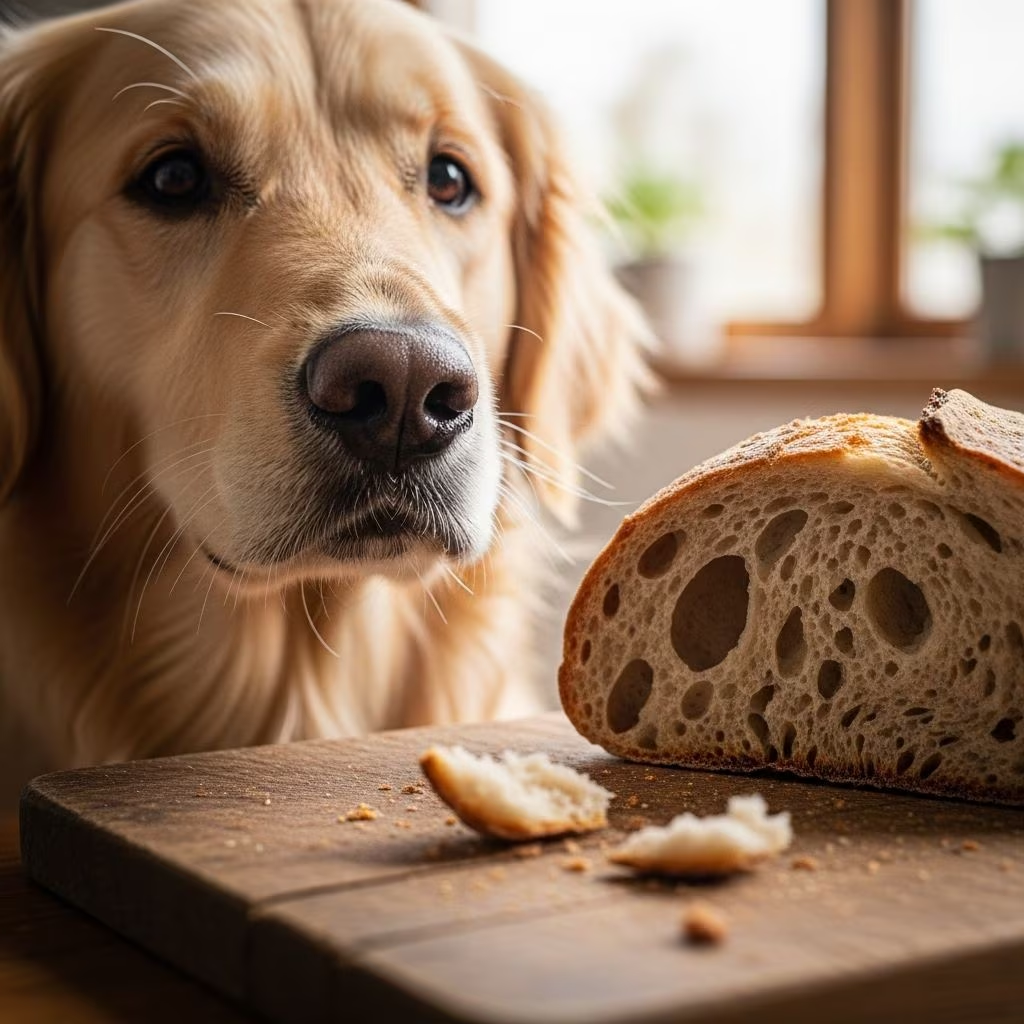
Can Dogs Have Sourdough Bread?
Many dog owners wonder whether they can share their sourdough toast or leftover bread with their canine companions. Plain sourdough bread isn’t toxic to dogs when fully baked, much like other types of bread. However, the question of whether it’s safe requires a more nuanced answer. It’s safe to give your dog an occasional, small piece of baked sourdough bread made without toxic ingredients like raisins, onions, garlic, chocolate, or xylitol. The key distinction lies in understanding the difference between baked and unbaked sourdough, as well as recognizing which ingredients can pose serious health risks to your pet.
Why Is Sourdough Bread Bad for Dogs?
Raw sourdough bread can pose life-threatening health risks to dogs, specifically a condition known as bread dough toxicosis. The reason it’s so dangerous is because the dough ferments and produces ethanol (a type of alcohol) and carbon dioxide. When a dog ingests raw or partially baked sourdough dough, the yeast continues to ferment in the warm, moist environment of the stomach, leading to multiple serious complications.
The Fermentation Process and Its Dangers
Sourdough bread is made through a fermentation process using wild yeast and bacteria found in a starter. This process gives sourdough its distinctive tangy flavor and unique texture that many humans enjoy. However, what makes sourdough appealing for human consumption becomes hazardous when consumed by dogs in its raw form. The active yeast can continue to ferment in a dog’s stomach long after ingestion, creating a cascade of dangerous effects that require immediate veterinary attention.
Ethanol Production and Alcohol Poisoning
One of the most serious concerns with raw sourdough consumption is the production of ethanol during fermentation. As the yeast ferments in your dog’s stomach, it generates ethanol, which is a type of alcohol. Dogs are extremely sensitive to alcohol, and even small amounts can cause significant toxicity. Symptoms of alcohol poisoning in dogs include vomiting, disorientation, depression, trembling, loss of coordination, difficulty breathing, and in severe cases, seizures. These symptoms can appear within hours of ingestion and require emergency veterinary care.
Bloating and Gastric Dilatation-Volvulus
As the dough continues to rise in the digestive tract due to fermentation, it releases carbon dioxide gas. This gas accumulation can cause painful bloating and potentially fatal gastric dilatation-volvulus (GDV), commonly known as bloat. Bloat is a life-threatening emergency where the stomach becomes dangerously distended and may twist, cutting off blood supply. Dogs experiencing bloat show signs of abdominal pain, restlessness, excessive drooling, and difficulty breathing. This condition requires immediate surgical intervention to save the dog’s life.
Obstruction Risk
Raw or partially baked sourdough can expand significantly in the dog’s stomach, potentially leading to a blockage. Unlike cooked bread, which breaks down more easily, raw dough can form dense, gluey clumps that obstruct the digestive tract. This obstruction may require surgical removal and can lead to serious complications if not addressed promptly.
Understanding Baked Sourdough Safety
The critical distinction that makes baked sourdough different from raw dough is that the baking process deactivates the yeast. Once sourdough has been properly baked at high temperatures, the yeast is killed, preventing further fermentation in your dog’s digestive system. This is why veterinarians generally agree that plain, baked sourdough bread is safe for dogs to eat in small, occasional amounts.
Baked sourdough doesn’t produce ethanol or excessive gas in the stomach because the fermentation process has already completed during baking. Dogs may even enjoy the sour taste and crispy crust of sourdough as a once-in-a-while treat. However, it’s important to emphasize that while baked sourdough is safe, it should not become a regular part of your dog’s diet.
Toxic Ingredients to Watch For
Beyond the dangers of raw dough and fermentation, sourdough bread may contain ingredients that are directly toxic to dogs. Always check ingredient lists carefully, as some seemingly innocent bread varieties can harbor serious health hazards.
Common Toxic Ingredients in Bread
| Ingredient | Risk Level | Health Effects |
|---|---|---|
| Raisins and Grapes | Dangerous | Kidney failure, acute kidney injury |
| Onions and Garlic | Dangerous | Hemolytic anemia, damage to red blood cells |
| Chocolate | Dangerous | Theobromine toxicity, heart issues, seizures |
| Xylitol | Dangerous | Hypoglycemia, liver damage, insulin shock |
| Macadamia Nuts | Dangerous | Weakness, vomiting, hyperthermia |
| Raw Yeast/Dough Starter | Dangerous | Bread dough toxicosis, ethanol poisoning, bloat |
These ingredients can cause severe, sometimes life-threatening reactions in dogs. Even small amounts of xylitol or chocolate can trigger emergency situations requiring veterinary intervention. Always read the ingredient label carefully, even on breads labeled as “natural” or “healthy.”
Nutritional Considerations
Beyond safety concerns, it’s important to understand that sourdough bread—whether baked or raw—provides minimal nutritional value for your dog. Bread is primarily composed of carbohydrates and doesn’t offer the essential nutrients that dogs need to thrive. Dogs require a diet rich in high-quality proteins, healthy fats, vitamins, and minerals. Sourdough is calorie-dense yet nutritionally sparse, meaning it fills your dog’s stomach without providing meaningful dietary benefit.
Regular bread consumption can interfere with balanced nutrition if it causes your dog to feel full before eating their regular, nutritionally complete meals. For dogs with weight concerns, the empty calories in bread can contribute to obesity and related health problems like diabetes, joint issues, and heart disease. Additionally, the high carbohydrate content in bread can be problematic for dogs prone to weight gain or those with metabolic sensitivities.
Safe Feeding Guidelines for Baked Sourdough
If you choose to offer your dog a small piece of plain, fully baked sourdough bread as an occasional treat, follow these guidelines:
– Size matters: Offer only small, bite-sized pieces- Frequency: Reserve bread for occasional treats, not daily snacks- Preparation: Ensure the bread is completely baked and cooled- Ingredients: Verify the bread contains no toxic additions like raisins, chocolate, garlic, onions, or xylitol- Portion control: Adjust your dog’s regular meal portions if giving bread to avoid excess calorie intake- Monitor response: Watch for any digestive upset or adverse reactions
Recognizing Signs of Sourdough Toxicity
If your dog accidentally consumes raw sourdough dough or shows signs of distress after eating bread, watch carefully for these warning symptoms:
– Excessive or unusual drooling- Vomiting or retching- Diarrhea or constipation- Pacing or restlessness- Abdominal pain or bloating- Disorientation or confusion- Trembling, twitching, or seizures- Difficulty breathing or rapid breathing- Loss of coordination- Depression or lethargy- Difficulty walking
Any of these symptoms, especially in combination or with severe bloating, constitute a veterinary emergency. Contact your veterinarian immediately or visit an emergency veterinary clinic if you suspect bread dough toxicosis or toxic ingredient ingestion.
Special Concerns for Puppies
Puppies require extra caution when it comes to bread consumption. Their digestive systems are still developing and adapting to processing various foods. Bread, particularly processed varieties, can be difficult for a young dog’s digestive system to manage, potentially leading to bloating, constipation, or mild gastrointestinal upset. Additionally, because puppies are more prone to choking hazards, soft, chewy bread can stick to the roof of their mouths or form gluey clumps in their throats. While a crumb or two likely won’t cause harm, it’s best to wait until your puppy is older before introducing bread and to consult your veterinarian before offering new foods.
Safer Treat Alternatives
Rather than offering bread, consider providing your dog with treats that offer nutritional value and are specifically formulated for canine dietary needs. Healthy alternatives include:
– Fresh fruits like apples, bananas, or blueberries (in moderation)- Vegetables such as carrots, green beans, or sweet potatoes- Plain, cooked chicken or turkey- Plain, cooked eggs- Dog-specific treats made with nutritious, whole-food ingredients- Peanut butter (xylitol-free) in small amounts- Plain, unsalted pumpkin
Frequently Asked Questions
Q: Is plain baked sourdough bread safe for dogs?
A: Yes, plain baked sourdough bread is safe for dogs when fully cooked and free of toxic ingredients. However, it should only be offered as an occasional treat in small amounts, as it provides minimal nutritional value.
Q: What should I do if my dog eats raw sourdough dough?
A: Contact your veterinarian or emergency veterinary clinic immediately. Raw dough toxicosis is a serious condition that can produce life-threatening symptoms within hours, including ethanol poisoning and bloat.
Q: How much sourdough can I safely give my dog?
A: For small dogs under 10 kg, offer no more than a quarter slice occasionally. Medium dogs (10-25 kg) can have up to half a slice sparingly. Large dogs (25+ kg) should have no more than one slice, rarely.
Q: Can sourdough starter be given to dogs?
A: No, sourdough starter should never be given to dogs. It contains active yeast and bacteria that will continue to ferment in your dog’s stomach, causing bread dough toxicosis and potentially fatal complications.
Q: What makes sourdough different from other types of bread for dogs?
A: Sourdough’s fermentation process creates active yeast that can continue fermenting in a dog’s stomach if consumed raw or partially baked. Fully baked sourdough has the yeast deactivated by heat, making it similar to other cooked breads in terms of safety.
Q: Are there any health benefits to feeding my dog bread?
A: Bread offers no significant health benefits for dogs. While it contains trace vitamins and minerals, dogs receive these nutrients more effectively through balanced commercial dog food and whole-food treats.
Q: What symptoms indicate my dog has eaten something toxic in bread?
A: Watch for vomiting, diarrhea, trembling, disorientation, rapid breathing, abdominal pain, or seizures. These symptoms warrant immediate veterinary attention.
Final Veterinary Recommendations
Sourdough bread isn’t inherently toxic to dogs, but it’s not a powerhouse of canine nutrition either. A small bite of plain, fully baked sourdough occasionally is unlikely to harm a healthy adult dog. However, raw or partially baked sourdough poses serious, potentially life-threatening risks that make it absolutely off-limits. The fermentation process that makes sourdough appealing to humans creates dangerous conditions in your dog’s digestive system.
Rather than regularly offering bread as a treat, prioritize specially-formulated canine treats, whole foods, and balanced meals that meet your dog’s complete nutritional needs. Always consult your veterinarian before introducing new foods, especially if your dog has existing health conditions, sensitivities, or is a puppy. When in doubt about whether a particular food is safe for your dog, err on the side of caution and contact your veterinary professional. Your dog deserves the best nutrition possible, not just convenient leftovers from your kitchen.
References
- Can Dogs Eat Bread? A Guide to Safety — Purina US. 2024. https://www.purina.com/articles/dog/feeding/can-dogs-eat/bread
- Can Dogs Eat Sourdough Bread? — Risks & Safety Explained — Pets Care. 2024. https://www.petscare.com/news/faq/can-a-dog-have-sourdough-bread
- Dogs and Bread: Important Things Every Pet Parent Should Know — Noble Vet Clinic. 2024. https://noblevetclinic.com/blog/can-dogs-eat-bread
- Sourdough Bread and Dogs: Dietary Caution — Bailey’s CBD. 2024. https://baileyscbd.com/blogs/dog-nutrition/sourdough-bread-and-dogs-dietary-caution
- Is Bread Safe for Dogs? Types, Risks, and Feeding Tips — PetLab Co. 2024. https://thepetlabco.com/learn/dog/nutrition/can-dogs-eat-bread
- Can Dogs Eat Sourdough Bread? Risks, Safety & Alternatives — Bowlsome. 2024. https://bowlsome.au/blogs/news/can-dogs-eat-sourdough-bread



