

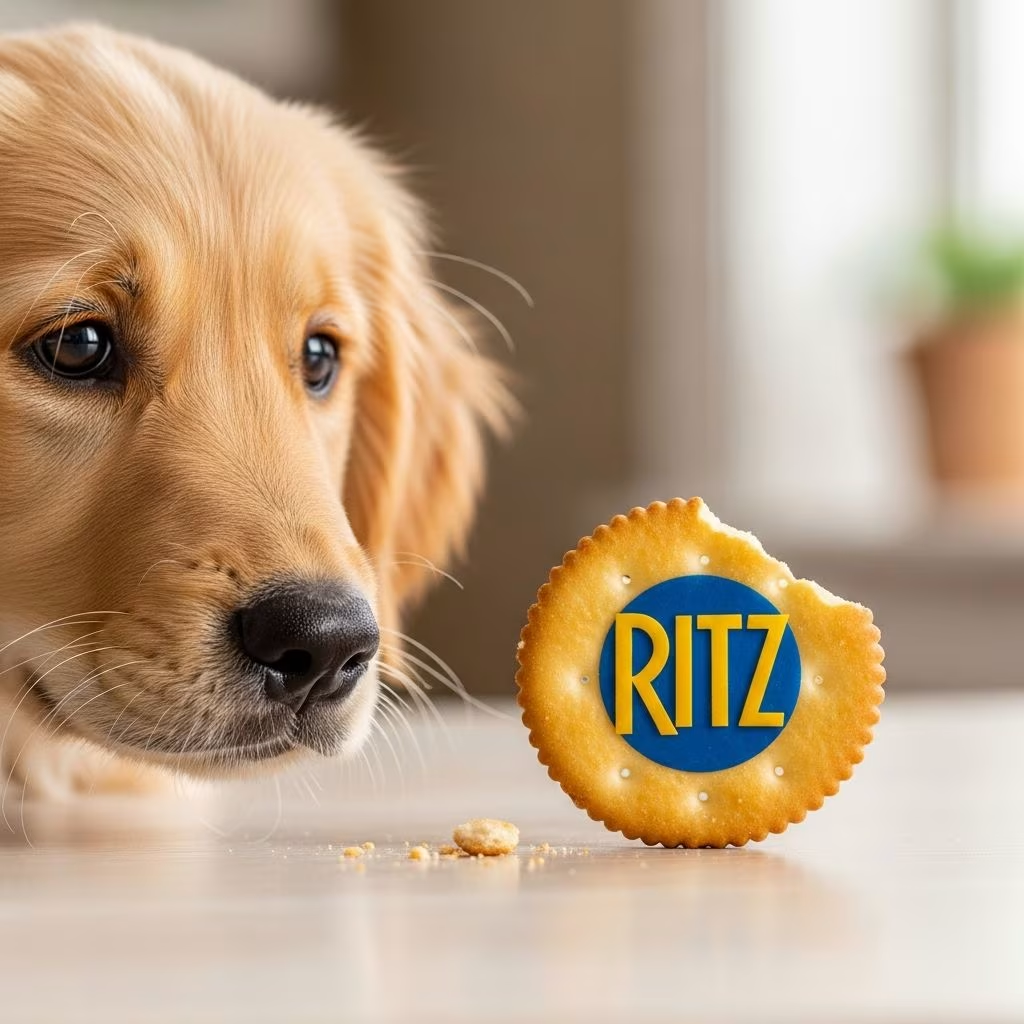
Dogs often beg for human snacks like **Ritz crackers** due to their appealing crunchy texture and buttery flavor. While these popular crackers are not toxic to dogs, they are not recommended as a regular treat. Ritz crackers lack essential nutrients and contain high levels of salt, fat, sugar, and refined carbohydrates that can harm canine health over time.
This comprehensive guide explores the ingredients in Ritz crackers, potential health risks, safe feeding guidelines, and healthier alternatives to keep your dog happy and healthy.
Are Ritz Crackers Good for Dogs?
**No, Ritz crackers are not good for dogs.** They are processed human snacks made primarily from refined wheat flour, vegetable oils, sugar, high-fructose corn syrup, and salt. Dogs require a balanced diet rich in high-quality proteins, healthy fats, and whole-food sources of vitamins and minerals, which Ritz crackers do not provide.
Instead of offering nutritional benefits, these crackers contribute empty calories. Regular consumption can displace nutrient-dense dog food from their diet, leading to deficiencies. Key problematic ingredients include:
- Sugar and high-fructose corn syrup: Added sugars provide excess calories without value, promoting weight gain, diabetes risk, and dental issues.
- Salt: High sodium content exceeds a dog’s daily needs, potentially causing thirst, dehydration, or salt poisoning in large amounts.
- Fats from vegetable oils: While fats are essential, the type and quantity in Ritz crackers can lead to pancreatitis or obesity.
- Refined carbohydrates: Make up about 62.5% of the cracker, converting quickly to sugar and contributing to energy spikes and crashes unsuitable for dogs.
Veterinarians emphasize that treats should comprise no more than 10% of a dog’s daily caloric intake, per the 90/10 rule: 90% balanced dog food and 10% treats. Ritz crackers quickly exceed this limit without benefits.
Can Dogs Eat Any Crackers?
Not all crackers are equal when it comes to dog safety. While plain, unsalted crackers might be tolerable in tiny amounts, many varieties—including flavored Ritz options—are unsafe due to toxic or harmful additives.
Always check ingredient labels before sharing:
- Avoid toxic ingredients: Garlic powder, onion powder, or xylitol (though Ritz lacks xylitol) can cause poisoning.
- Steer clear of high-fat, salty, or cheesy varieties: Ritz Bits with cheese add dairy, which many dogs can’t digest, leading to upset stomach.
- Plain crackers only occasionally: Even low-salt options lack nutrition and pose choking risks from their hard texture.
Dogs thrive on species-appropriate foods. Human crackers disrupt gut health and provide no probiotic or fiber benefits found in dog-specific treats.
Are Ritz Crackers Completely Safe for Dogs?
**Ritz crackers are not completely safe for dogs.** Though not acutely toxic like chocolate or grapes, their composition poses several risks, especially with repeated exposure.
| Risk Factor | Potential Effects | At-Risk Dogs |
|---|---|---|
| High Salt | Excessive thirst, dehydration, sodium ion poisoning (vomiting, tremors) | Small breeds, puppies, seniors |
| High Fat (28%) | Pancreatitis, obesity, diarrhea | Dogs prone to pancreatitis, overweight pups |
| Sugar/Carbs | Weight gain, diabetes, tooth decay | Diabetic or obese dogs |
| Choking Hazard | Airway blockage, intestinal obstruction | Greedy eaters, small dogs |
A single small piece might not harm a healthy adult dog, but larger quantities or frequent feeding can lead to gastrointestinal upset, including vomiting or diarrhea. Symptoms of overconsumption include lethargy, abdominal pain, and persistent vomiting—contact a vet immediately if observed.
Understanding Ritz Cracker Ingredients for Dogs
To assess safety, break down a typical Ritz cracker’s nutrition (per serving, approx. 5 crackers):
- Calories: 80–100, mostly from fat and carbs—quickly adds up for small dogs.
- Sodium: 135–200mg, far exceeding the daily limit for most dogs (e.g., 100mg for a 10lb dog).
- Fat: 4.5g, risking lipid overload.
- Sugar: 1g + HFCS, unnecessary for carnivorous dogs.
Dogs process food differently: their shorter digestive tracts suit meat over grains. Refined ingredients ferment poorly, causing gas or loose stools.
What Happens If a Dog Eats Ritz Crackers?
If your dog sneaks a **Ritz cracker**, monitor closely. One cracker typically causes no immediate harm in healthy dogs but may result in:
- Increased thirst and urination from salt.
- Mild stomach upset or soft stools from fat/sugar.
- No symptoms in tolerant dogs.
For larger amounts (e.g., half a sleeve):
- Short-term: Vomiting, diarrhea, lethargy.
- Long-term: Weight gain, joint strain, heart issues from obesity.
Call your vet if symptoms persist or if the dog is small, has pre-existing conditions, or ate many crackers. Provide plenty of fresh water to aid flushing.
How Many Ritz Crackers Can a Dog Eat?
**Limit to occasional tiny crumbs or avoid entirely.** No set “safe” number exists due to variables like dog size, health, and activity. For example:
- Toy breeds (<10lbs): Max 1/4 cracker rarely.
- Medium (20–50lbs): 1/2 cracker occasionally.
- Large (>50lbs): 1 whole cracker max, infrequently.
Follow the 10% treat rule: Calculate daily calories (e.g., 400kcal for 20lb dog) and allocate 40kcal to treats. One Ritz cracker often hits that.
Healthier Alternatives to Ritz Crackers for Dogs
Opt for dog-safe snacks mimicking crunch and flavor without risks:
- Plain rice cakes or low-salt rice crackers: Broken into bits for texture.
- Vegetable chews: Carrot sticks, green beans—low-cal, crunchy, nutrient-rich.
- Commercial dog treats: Grain-free options with meat as first ingredient.
- Homemade: Baked sweet potato slices or frozen blueberries.
- Freeze-dried liver or meat bits: High-protein, flavorful rewards.
These provide fiber, vitamins, and satisfaction while supporting dental health and weight management.
Tips for Sharing Human Foods Safely
To prevent begging and accidents:
- Train “leave it” commands.
- Store snacks out of reach.
- Feed meals in puzzle toys for engagement.
- Consult your vet for personalized diet advice, especially for pups with allergies or conditions.
Prioritize AAFCO-approved dog food as the base—human foods are supplements at best.
Frequently Asked Questions (FAQs)
Is it OK to give dogs Ritz crackers?
No, they are not healthy and best avoided to prevent digestive issues or weight gain.
Why do dogs like Ritz crackers?
Dogs enjoy the crunchy texture, saltiness, and buttery aroma that mimic appealing scents.
Are all Ritz varieties unsafe?
Yes, including cheese or peanut butter flavors due to extra fat, salt, and dairy.
Can Ritz crackers cause pancreatitis?
High fat content raises risk, with symptoms like vomiting and pain requiring vet care.
What if my dog ate a whole box?
Monitor for vomiting, diarrhea, or lethargy; contact a vet or pet poison hotline immediately.
Are plain crackers better?
Slightly, in tiny amounts, but dog treats are always superior.
References
- Can Dogs Eat Ritz Crackers? Human Food for Dogs — Kinship. 2023. https://www.kinship.com/dog-nutrition/can-dogs-eat-ritz-crackers
- Can Dogs Eat Ritz Crackers – Pros, Cons, and Vet Tips! — Dog Health Talks. 2024. https://www.doghealthtalks.com/can-dogs-eat-ritz-crackers/
- Can Dogs Eat Ritz Crackers? Vet-Reviewed Facts & Safety — Dogster. 2024. https://www.dogster.com/dog-nutrition/can-dogs-eat-ritz-crackers
- Can Dogs Eat Ritz Crackers? Vet-Approved Feeding Facts — Hepper. 2024. https://articles.hepper.com/can-dogs-eat-ritz-crackers/
- Can Dogs Eat Crackers? The Dos and Don’ts — Petcube. 2023. https://petcube.com/blog/the-dos-and-donts-of-feeding-your-dog-crackers/



