

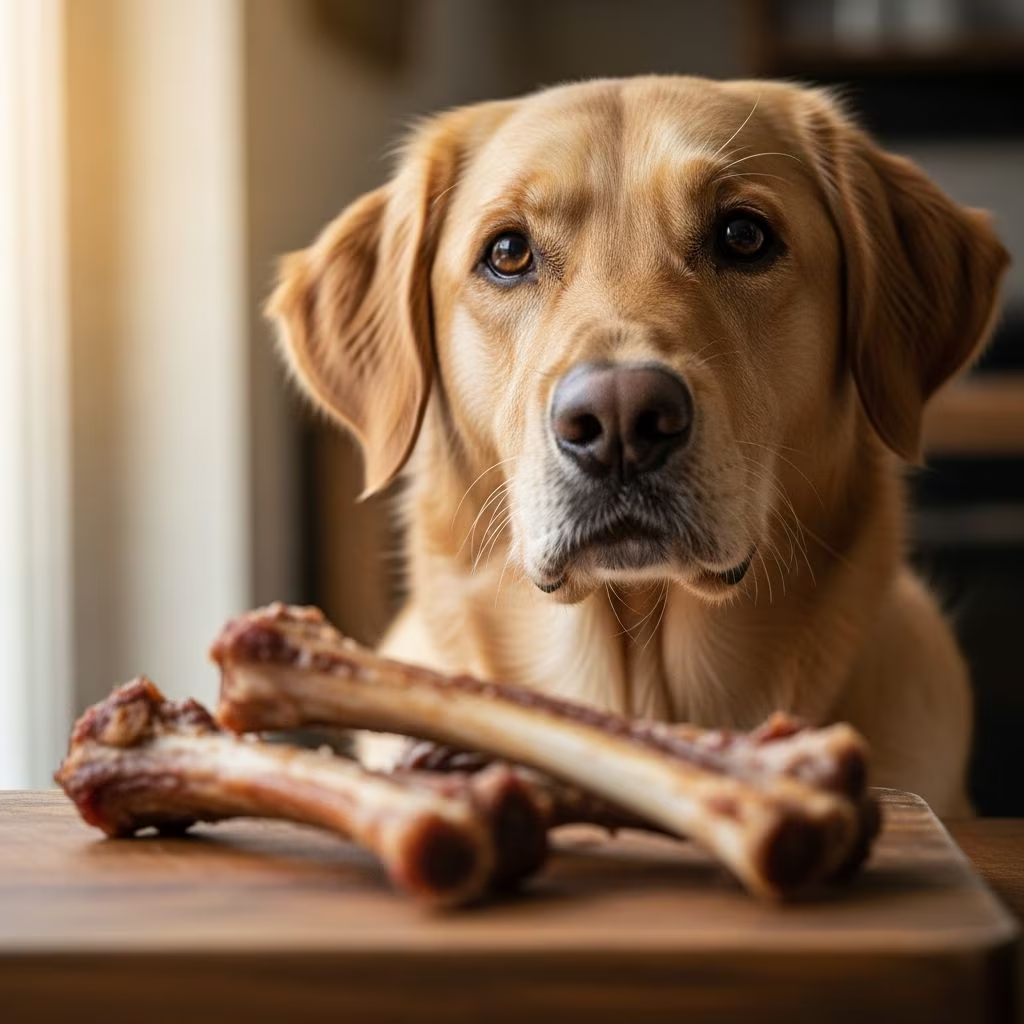
Rib bones are not safe for dogs to eat, whether cooked, raw, or from beef, pork, or other meats. They pose significant health risks including splintering, choking, broken teeth, digestive obstructions, and potentially life-threatening perforations in the gastrointestinal tract. While dogs may be drawn to the fatty, flavorful meat on ribs, veterinarians strongly advise against offering them due to these dangers.
Ribs come from fattier cuts of meat that undergo slow cooking to tenderize tough connective tissues, resulting in high-fat content and often seasoned with harmful ingredients like garlic, onions, salt, and sugar. Even the meat alone can trigger pancreatitis or severe digestive upset. This article breaks down the risks, addresses common questions, and provides safer alternatives to keep your dog healthy and happy.
Are Rib Bones Good for Dogs?
Rib bones are not good for dogs and should never be shared, despite the appealing smell and taste. Here’s why:
- High fat content: Rib meat is among the fattier cuts, providing excess energy that can lead to vomiting, diarrhea, or pancreatitis—a painful inflammation of the pancreas that requires veterinary intervention.
- Softening and splintering: Slow cooking softens rib bones, making them prone to breaking into sharp shards. These can pierce the mouth, throat, or intestines, causing internal bleeding, blockages, or infections.
- Toxic seasonings: BBQ ribs often include onions, garlic, and excessive salt, which are toxic to dogs and can lead to anemia, gastrointestinal distress, or salt poisoning.
- Choking hazard: Dogs may try to gulp large pieces, leading to airway obstruction.
According to veterinary experts, the nutritional downsides far outweigh any minor benefits like protein or calcium from attached meat scraps.
Can Dogs Eat the Meat from Rib Bones?
No, even rib meat removed from the bone is unsafe for most dogs. It’s excessively fatty, increasing risks of:
- Acute pancreatitis from high lipid intake.
- Digestive upset like nausea and loose stools.
- Caloric overload leading to obesity in less active dogs.
Seasonings exacerbate issues—garlic and onions damage red blood cells, while sauces add sugars and spices that irritate the stomach. Opt for plain, lean cooked meats like chicken breast instead, in moderation as treats (under 10% of daily calories).
Are Rib Bones Safe for Dogs?
Rib bones are not safe for dogs in any form. They belong in the ‘off-limits’ category alongside chocolate or grapes. Key dangers include:
| Risk | Description | Potential Consequences |
|---|---|---|
| Splintering | Cooked bones soften and shatter easily | Mouth lacerations, throat punctures, intestinal perforations |
| Choking | Sharp fragments or whole pieces | Airway blockage, emergency surgery |
| Blockages | Undigested shards lodge in gut | Obstruction, vomiting, lethargy, surgery |
| Bacterial risks (raw) | Salmonella or parasites | Food poisoning for dog and household |
Symptoms of rib bone ingestion include gagging, drooling, abdominal pain, bloody stools, or collapse—seek immediate vet care if suspected.
Tips for Bone Safety
Traditional images of dogs gnawing bones are misleading; modern veterinary consensus urges avoiding real bones altogether. Here’s why and how to choose safer options:
Why Avoid Bones?
- Cooked bones splinter: Heat alters structure, creating razor-sharp edges that damage tissues.
- Raw bones risks: Hard to digest, they cause fractures, wear teeth, or carry pathogens like Salmonella. The AVMA warns against raw feeding due to contamination.
- Size mismatch: Small dogs face greater choking risks; large breeds may shatter bones anyway.
Safe Alternatives for Chewing
- Veterinary dental chews: Designed to clean teeth without splinter risk (e.g., those with VOHC seal).
- Synthetic bones: Durable nylon or rubber toys like Nylabones, sized appropriately.
- Frozen carrots or apples: Low-calorie, crunchy options that satisfy gnawing urges.
- Rawhides (supervised): Only large, digestible pieces from reputable sources.
- Antlers or hooves: Naturally shed, but inspect for cracks and supervise.
Always supervise chewing, match size to dog breed, and rotate toys to prevent boredom. Consult your vet for breed-specific advice.
Safe Alternatives to Rib Bones for Dogs
Beyond basics, consider these vet-recommended chews:
- Bully sticks: Single-ingredient beef muscle, digestible and protein-rich.
- Yak chews: Hard cheese treats that soften when chewed.
- Fish skins: Omega-3 packed, low-fat crisps.
- Kongs with peanut butter: Mental stimulation plus safe ‘chew’ simulation.
These provide dental benefits, reduce plaque, and entertain without health perils. Transition gradually to avoid tummy issues.
Frequently Asked Questions (FAQs)
Can dogs eat beef rib bones?
No, beef rib bones are unsafe. Though denser, they still splinter when cooked and carry fat risks.
Can dogs eat pork rib bones?
No, pork bones are especially dangerous—cooked ones splinter, raw carry bacteria and parasites.
Can dogs eat cooked rib bones?
No, cooking heightens splintering risks, making them more hazardous than raw.
Are rib bones safe for dogs?
No, they can cause choking, fractures, blockages, or perforations requiring surgery.
How many rib bones can a dog eat?
Zero—any amount risks serious illness or injury.
Is it OK to give dogs rib bones?
No, veterinarians unanimously advise against it.
Why do dogs like rib bones?
Dogs are attracted to the fatty aroma and meaty texture, but appeal doesn’t equal safety.
Can dogs eat ribs?
No, neither meat nor bones are suitable due to fat, seasonings, and splinter risks.
Are bones safe for dogs?
Generally no—opt for safe chews to avoid teeth damage, choking, or gut issues.
This comprehensive guide ensures you make informed choices for your dog’s well-being. Prioritize safety over tradition for a happier, healthier pup.
References
- Can Dogs Eat Rib Bones? Human Food for Dogs — Kinship. 2023. https://www.kinship.com/dog-nutrition/can-dogs-eat-rib-bones
- Can Dogs Eat Rib Bones? — PetMD. 2024-05-15. https://www.petmd.com/dog/nutrition/can-dogs-eat-rib-bones
- Can Dogs Eat Bones? — PetMD. 2024. https://www.petmd.com/dog/nutrition/can-dogs-eat-bones
- What Bones Can Dogs Eat? — San Francisco SPCA. 2023-11-20. https://www.sfspca.org/blog/what-bones-can-dogs-eat/
- Can Dogs Have Rib Bones? — K9 Connoisseur. 2023. https://k9connoisseur.com/blogs/news/can-dogs-have-rib-bones



