

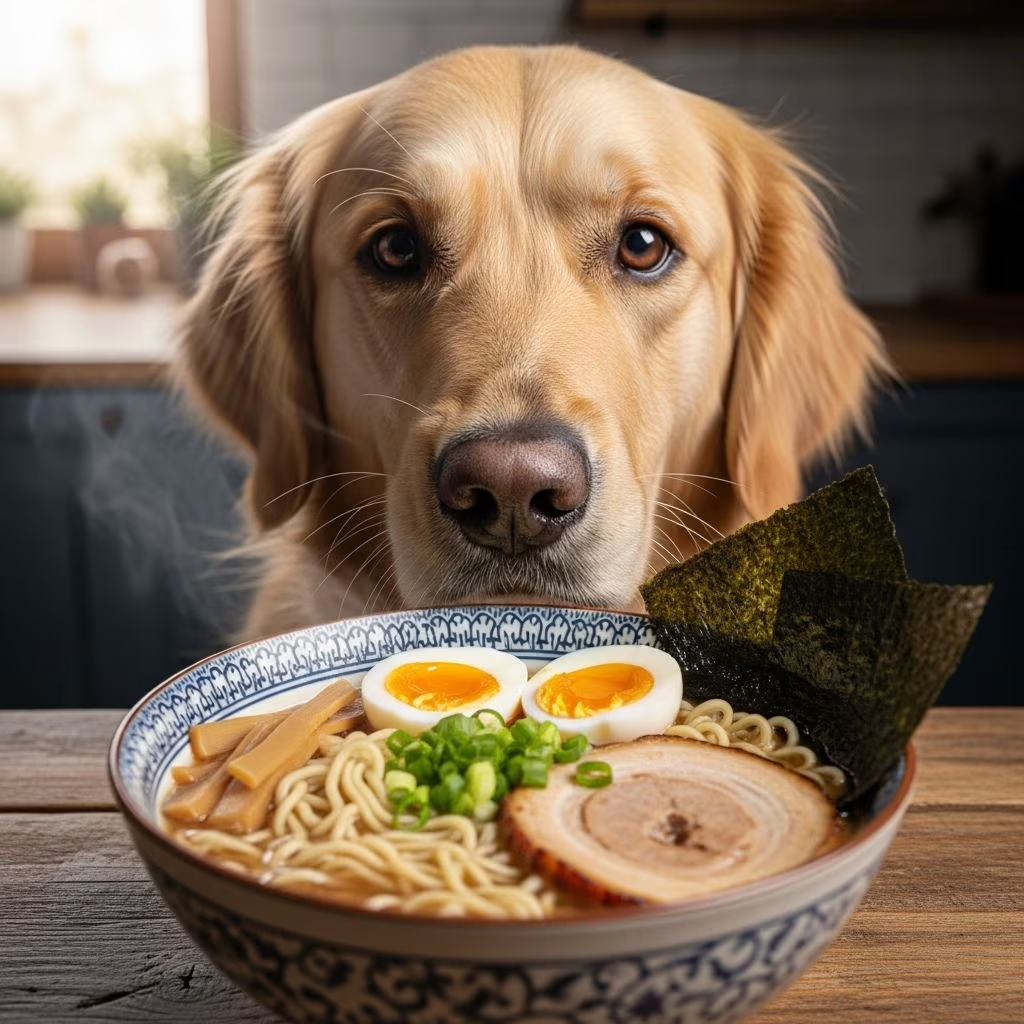
Ramen noodles, whether instant or restaurant-style, are not safe for dogs to consume. High sodium levels, toxic flavorings, and lack of nutritional value make them a hazardous choice that can lead to immediate digestive upset or long-term health complications.
The Hidden Dangers Lurking in Ramen for Your Pet
Pet owners often share human foods with their dogs out of love, but ramen presents multiple risks that outweigh any momentary pleasure. Understanding these threats helps prevent accidental exposure and promotes better dietary habits.
Excessive Sodium: A Silent Threat
One single serving of instant ramen can contain over 1,500 mg of sodium, far exceeding the daily recommendation for most dogs, which is around 100 mg per 10 pounds of body weight. This overload disrupts fluid balance, causing dehydration as dogs drink excessively to compensate. In extreme cases, it triggers hypernatremia, where blood sodium concentration spikes, potentially leading to seizures, brain swelling, and organ failure.
- Dehydration symptoms: Dry gums, sunken eyes, lethargy.
- Short-term effects: Increased thirst, frequent urination.
- Long-term risks: High blood pressure, kidney strain, heart disease.
Government guidelines from bodies like the FDA emphasize limiting sodium in pet foods to prevent such issues, reinforcing why processed human snacks like ramen are off-limits.
Toxic Seasonings and Additives
Flavor packets in instant ramen are packed with monosodium glutamate (MSG), onion powder, and garlic, all problematic for canines. Onion and garlic belong to the allium family, which damages red blood cells, causing hemolytic anemia even in small doses. MSG may provoke neurological reactions like tremors or hyperactivity.
Seasoning oils further irritate the gastrointestinal tract, leading to vomiting, diarrhea, and nutrient malabsorption. A study from veterinary journals notes that repeated exposure exacerbates these effects, weakening the gut lining over time.
Carbohydrate Overload and Obesity Risks
Made from refined wheat flour, ramen noodles offer empty calories with minimal fiber or vitamins. Dogs, as carnivores, thrive on protein-rich diets; excess carbs convert to fat, promoting weight gain and related conditions like diabetes or joint stress. Plain noodles fare no better, as they still carry sodium and lack canine nutritional balance.
Comparing Instant vs. Restaurant Ramen: Neither is Ideal
While restaurant ramen uses fresher ingredients, it remains unsuitable. Broths are laden with fats, salts, and alliums, creating a richer toxin profile. Noodles, though chewier due to alkaline processing, retain wheat-based allergens and oils.
| Aspect | Instant Ramen | Restaurant Ramen |
|---|---|---|
| Sodium Content | Extremely High (1,500+ mg/serving) | High (varies, often 1,000+ mg) |
| Toxic Ingredients | MSG, onion/garlic powder, oils | Fresh onions/garlic, fatty broths |
| Nutritional Value | Negligible; refined carbs | Slightly better but still poor |
| Dog Safety Rating | Dangerous | Risky |
This comparison highlights why both forms should be avoided, prioritizing dog-specific nutrition over human indulgences.
What Happens If Your Dog Eats Ramen?
Accidental ingestion is common, but response speed matters. Small amounts in healthy dogs might cause mild thirst or loose stools, resolving within 24 hours with water access. Larger quantities or sensitive pups demand vigilance.
Immediate Symptoms to Watch For
- Vomiting or diarrhea within hours.
- Excessive panting, restlessness from MSG.
- Lethargy, weakness indicating sodium imbalance.
- Skin itching or swelling from allergies.
If symptoms appear, withhold food for 12 hours, provide fresh water, and monitor. Contact a vet if issues persist beyond 24 hours or include blood in stool, seizures, or collapse.
Emergency Response Protocol
- Assess amount eaten and ingredients (check for alliums).
- Call pet poison hotline or vet; induce vomiting only under professional guidance.
- Administer fluids if advised to dilute sodium.
- Follow up with bloodwork for severe cases.
Veterinary sources like the ASPCA Animal Poison Control Center report thousands of annual calls for similar exposures, underscoring the need for prompt action.
Nutritional Needs of Dogs: Why Human Foods Fall Short
Dogs require a precise balance of 50-75% protein, moderate fats, and limited carbs per AAFCO standards. Ramen disrupts this, offering no taurine for heart health or glucosamine for joints. Opt for commercial kibble or fresh foods meeting these guidelines.
Allergies affect 10-15% of dogs, with wheat and soy in ramen as common culprits, per peer-reviewed studies in the Journal of Veterinary Internal Medicine. Symptoms range from ear infections to chronic GI issues.
Safe and Healthy Alternatives to Ramen
Craving noodle-like treats? Choose dog-safe options that mimic texture without risks.
- Plain Cooked Pasta: Small portions, no sauce; wheat-free for allergies.
- Sweet Potato Noodles: Spiralized, baked; fiber-rich and low-sodium.
- Commercial Dog Noodles: Grain-free formulas with meat flavors (e.g., limited-ingredient brands).
- Vegetable Sticks: Carrots or zucchini for crunch without carbs.
These provide chewing satisfaction and nutrients. Always introduce new foods gradually to check tolerance.
Preventing Kitchen Mishaps: Practical Tips
Proactive measures keep ramen out of paws:
- Store packages in high cabinets or sealed containers.
- Feed dogs in separate rooms during meals.
- Use puzzle toys with approved treats to redirect begging.
- Educate family on toxic foods list (chocolate, grapes, etc.).
Training commands like “leave it” reinforces boundaries, reducing accident rates by up to 70% according to behavior studies.
Frequently Asked Questions
Is plain ramen safe for dogs?
No, even plain versions have sodium and refined carbs that offer no benefits and risk obesity.
How much ramen is too much?
Any amount over a teaspoon per 10 lbs body weight risks sodium overload; err on zero.
Can puppies eat ramen?
Puppies are more vulnerable due to developing organs; strictly avoid.
What if my dog ate ramen seasoning only?
Seek vet advice immediately—MSG and alliums pose acute dangers.
Are there dog-friendly ramen recipes?
Yes, use bone broth, plain rice noodles, and lean meat; consult a vet nutritionist.
Building a Lifetime of Healthy Habits
Prioritizing species-appropriate nutrition extends lifespan and vitality. Regular vet checkups, weight monitoring, and toxin awareness form the foundation. While ramen tempts, the cost to your dog’s health isn’t worth it—choose love through informed choices.
References
- Can Dogs Eat Ramen Noodles? Vet-Verified Nutrition Facts & Risks — Dogster. 2023-10-15. https://www.dogster.com/dog-health-care/can-dogs-eat-ramen-noodles
- Can Dogs Eat Ramen Noodles? — Pet Insurance Review. 2024-02-20. https://www.petinsurancereview.com/blog/can-dogs-eat-ramen-noodles
- Can Dogs Eat Noodles? A Complete Safety Guide for Pet Parents — Furry Green. 2023-11-05. https://furrygreen.hk/blogs/blog/can-dogs-eat-noodles-a-complete-safety-guide-for-pet-parents
- Can Dogs Eat Pasta? | Learn if Your Dog Can Eat Noodles — Rover. 2024-01-12. https://www.rover.com/blog/can-my-dog-eat-pasta/
- Pet Nutrition Guidelines — FDA Center for Veterinary Medicine. 2025-06-01. https://www.fda.gov/animal-veterinary/animal-food-feeds/pet-food



