

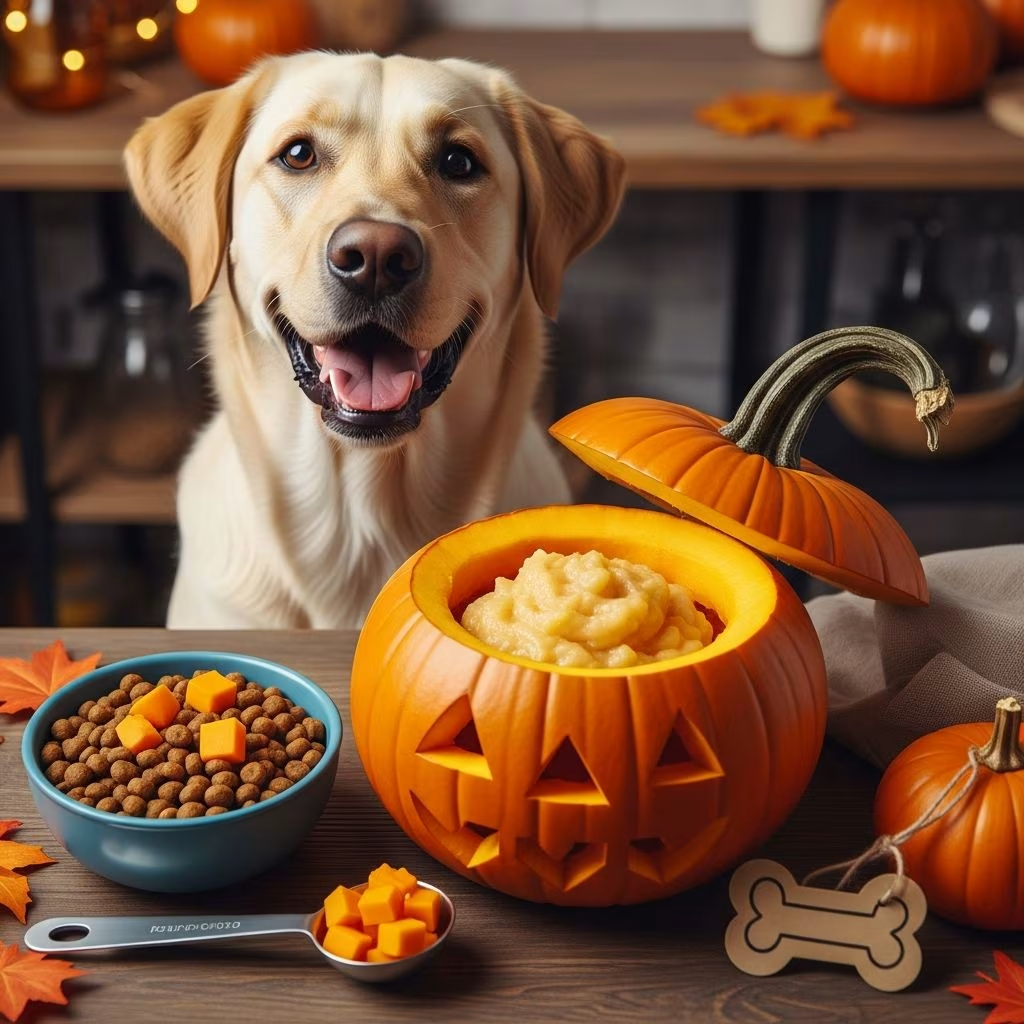
Can Dogs Eat Pumpkin? A Comprehensive Guide for Pet Parents
Yes, pumpkin is safe for dogs to eat and is packed with nutrients that can support everything from a shiny coat to healthy vision. However, the key to safely feeding pumpkin to your dog lies in understanding what type of pumpkin to offer, how much to give, and what varieties to avoid. This vibrant orange vegetable has become a popular choice among pet owners looking to enhance their dog’s diet with natural, whole-food ingredients.
Pumpkin is particularly well-known as a natural remedy for digestive issues in dogs, making it a staple in many households during the fall season and beyond. But before you start adding pumpkin to your dog’s meals, it’s important to understand the nuances of proper preparation and portion control.
Is Pumpkin Good for Dogs?
Nutritional Benefits
Pumpkin is a nutritional powerhouse that offers several health benefits for your canine companion. This gourd contains vitamins A, C, and E, which support overall health and immune function. Additionally, pumpkin is rich in fiber, which plays a crucial role in digestive health. The vegetable also contains minerals such as potassium and iron, along with B-complex vitamins and calcium, making it a well-rounded nutritional addition to your dog’s diet.
Digestive Support
One of the most recognized benefits of pumpkin for dogs is its ability to support digestive health. Pumpkin can help with both constipation and diarrhea due to its high fiber content. The fiber adds bulk to your dog’s stool and helps food move through the digestive tract more efficiently. When your dog experiences diarrhea, the fiber in pumpkin absorbs water, which helps make the stool firmer and more regular. This dual action makes pumpkin an excellent natural remedy for various digestive complaints.
Antioxidants and Immune Support
Pumpkin seeds contain compounds called cucurbitacins, which are amino acids that can support parasite management. Many pet parents choose to use pumpkin as a natural alternative to commercial dewormers, especially if their dog has experienced uncomfortable side effects from conventional treatments.
Types of Pumpkin: What’s Safe and What’s Not
Pure Canned Pumpkin
Most pet parents choose to use canned pumpkin, which is entirely safe for dogs as long as it is 100% pure pumpkin with no additives. Always check the label to ensure you’re selecting plain pumpkin puree without any added ingredients. Canned pumpkin is convenient, shelf-stable, and provides consistent nutritional value, making it an excellent choice for most dog owners.
Pumpkin Pie Filling: A Product to Avoid
One of the most critical mistakes pet owners make is confusing pure pumpkin with pumpkin pie filling. Be very careful about feeding your dog canned pumpkin pie mix, as the sugar, salt, and nutmeg can actually be toxic to your dog. Nutmeg, in particular, can cause serious health issues in dogs, including neurological symptoms and gastrointestinal upset.
Sugar-Free Pumpkin Products
Another type of canned pumpkin to be cautious of is products labeled as sugar-free. Unfortunately, many sugar-free products contain a sweetener called xylitol, which is extremely toxic to dogs. Xylitol can lead to seizures, liver failure, and even death. Always check the can label meticulously to verify all ingredients before feeding the contents to your pet, and never assume that a product is safe without reading the label carefully.
Fresh and Cooked Pumpkin
Fresh, cooked pumpkin is also safe for dogs when prepared properly. If you prefer to prepare pumpkin from scratch, simply cook fresh pumpkin until it’s soft and puree it. However, avoid using raw pumpkin, as it’s tougher to chew and harder to digest than cooked pumpkin, which can lead to stomach upset and digestive discomfort.
Raw Pumpkin Considerations
While raw pumpkin won’t necessarily hurt your dog, it’s not particularly digestible, which could lead to tummy upset and bloating. If your dog has a non-sensitive stomach, he or she may show no signs of discomfort after eating raw pumpkin. However, dogs with more sensitive stomachs or existing digestive issues may find that raw pumpkin isn’t very digestible and should stick to cooked varieties.
Potential Risks and Safety Concerns
Portion Control Matters
Too much fiber can cause digestive upset, leading to bloating or loose stools. While pumpkin is generally safe, it should be given in moderation. Start with small amounts and monitor your dog’s reaction before increasing the portion size. The appropriate amount depends on your dog’s size and individual digestive sensitivity. As a general guideline, small dogs can have about one to two tablespoons daily, while larger dogs can handle up to four tablespoons per day, but always consult with your veterinarian for personalized recommendations.
Vitamin A Toxicity
While vitamin A is beneficial for dogs, excessive amounts can lead to toxicity. Make sure pumpkin is just a supplement to a balanced diet rather than a primary food source. Signs of vitamin A toxicity include loss of appetite, vomiting, and lethargy. If you notice these symptoms in your dog, contact your veterinarian immediately and reduce or eliminate pumpkin from their diet.
Digestive Complications from Excess Fiber
While pumpkin can soothe an upset stomach, overdoing it can lead to gas, bloating, or diarrhea. Too much fiber can have the opposite effect, even causing loose stools and making your dog lose weight. This is why moderation and proper portion control are absolutely essential when incorporating pumpkin into your dog’s regular diet.
Avoiding Additives and Harmful Ingredients
You should only feed your dog pure pumpkin without any additives. Some types of canned pumpkin may contain a lot of sodium or sugar, which is not good for dogs. It’s easy to mistake pumpkin pie filler for pure pumpkin, so it’s important to read labels carefully every time you purchase pumpkin products.
Pumpkin Skin and Seeds
Pumpkin skin is particularly tough-textured, making it quite difficult to digest. If your dog does eat raw or cooked pumpkin skin, it may cause stomach discomfort or lead to temporary digestive issues. Additionally, large amounts of pumpkin seeds or the pumpkin skin can be choking hazards. While pumpkin seeds are packed with antioxidants and make for an excellent snack for dogs in moderation, they should be prepared appropriately and given in small quantities.
Special Considerations
Dogs with diabetes or kidney disease may need stricter dietary control and should only consume pumpkin under veterinary supervision. In rare cases, dogs may have an allergy or sensitivity to pumpkins, so watch for any adverse reactions like itching or gastrointestinal upset. Additionally, ensure that the pumpkin flesh is fresh, as rotted pumpkins can cause serious digestive upset and other health complications.
How to Safely Feed Pumpkin to Your Dog
Preparation Guidelines
Dogs can eat pumpkin, but it should always be plain, cooked pumpkin—fresh or canned. Avoid pumpkin pie filling and raw pumpkin. If preparing fresh pumpkin, ensure it’s thoroughly cooked and pureed to a smooth consistency. Allow the pumpkin to cool completely before serving it to your dog to prevent burns or discomfort.
Portion Size Recommendations
Portion sizes are essential when feeding pumpkin to your dog. If you don’t know how much pumpkin to feed your dog, it’s best to get advice from your veterinarian or choose a suitable food source and follow label recommendations. The general guidelines suggest small dogs can receive about one to two tablespoons daily, medium dogs can have two to four tablespoons, and larger dogs can tolerate up to four tablespoons daily.
Introduction and Monitoring
When introducing pumpkin to your dog’s diet for the first time, start with very small amounts and gradually increase the portion over several days. This allows your dog’s digestive system to adjust and helps you identify any potential sensitivities or adverse reactions. Monitor your dog closely for changes in stool consistency, energy levels, or any signs of gastrointestinal upset.
Integration into Regular Diet
You can incorporate pumpkin into your dog’s diet by mixing it with their regular food, serving it as a standalone treat, or freezing it in ice cube trays for a refreshing summer treat. Homemade or canned pumpkin puree is safe for dogs to eat at the recommended daily amount, but never give your dog pumpkin pie filling or other canned pumpkins with added spices.
Frequently Asked Questions
Q: Can dogs eat raw pumpkin?
A: Raw pumpkin isn’t recommended for dogs, as it’s tougher to chew and harder to digest than cooked pumpkin, which can lead to stomach upset. Pumpkin is safer and tastier for your pup when cooked and served plain.
Q: Can dogs eat pumpkin puree?
A: Yes, pumpkin puree, including homemade or canned, is safe for dogs to eat at the recommended daily amount. Don’t ever give your dog pumpkin pie filling or other canned pumpkins with added spices.
Q: Can dogs eat pumpkin seeds?
A: Pumpkin seeds are safe for dogs in small, controlled amounts. Inside each pumpkin seed is cucurbitacin, an amino acid that can help support parasite management. However, seeds should be prepared appropriately and given sparingly to avoid choking hazards and digestive upset.
Q: How much pumpkin should I give my dog?
A: Portion sizes depend on your dog’s weight and digestive sensitivity. Generally, small dogs can have one to two tablespoons daily, while larger dogs can handle up to four tablespoons. Always consult with your veterinarian for personalized recommendations based on your individual dog’s needs.
Q: What are the signs of pumpkin toxicity in dogs?
A: Signs of excessive pumpkin consumption or vitamin A toxicity include loss of appetite, vomiting, lethargy, and digestive upset. If you notice these symptoms, contact your veterinarian and reduce pumpkin intake.
Q: Can I use pumpkin pie filling for my dog?
A: No, absolutely not. Pumpkin pie filling contains added sugars, spices like nutmeg, and potentially xylitol, all of which can be toxic to dogs. Only use 100% pure pumpkin with no additives.
References
- Can Dogs Eat Pumpkin? — Chewy Education. Retrieved from https://www.chewy.com/education/dog/food-and-nutrition/can-dogs-eat-pumpkin
- Can My Dog Eat Pumpkin? — WebMD Pets. Retrieved from https://www.webmd.com/pets/dogs/can-i-give-dog-pumpkin
- Can Dogs Eat Pumpkin? Benefits, Risks & How to Feed It — Spot and Tango. Retrieved from https://www.spotandtango.com/blog/can-dogs-eat-pumpkin
- Is Pumpkin Safe for Dogs? Here’s What Vets Say — Country Living. Retrieved from https://www.countryliving.com/life/kids-pets/a69181937/can-dogs-eat-pumpkins/
- Is Pumpkin Good for Dogs? What Our Vets Want You to Know — Longwood Veterinary Center. Retrieved from https://longwoodvetcenter.com/is-pumpkin-good-for-dogs-what-our-vets-want-you-to-know/
- Can Dogs Eat Pumpkin? — Park Veterinary Hospital. Retrieved from https://parkvet.net/blog/can-dogs-eat-pumpkin/



