

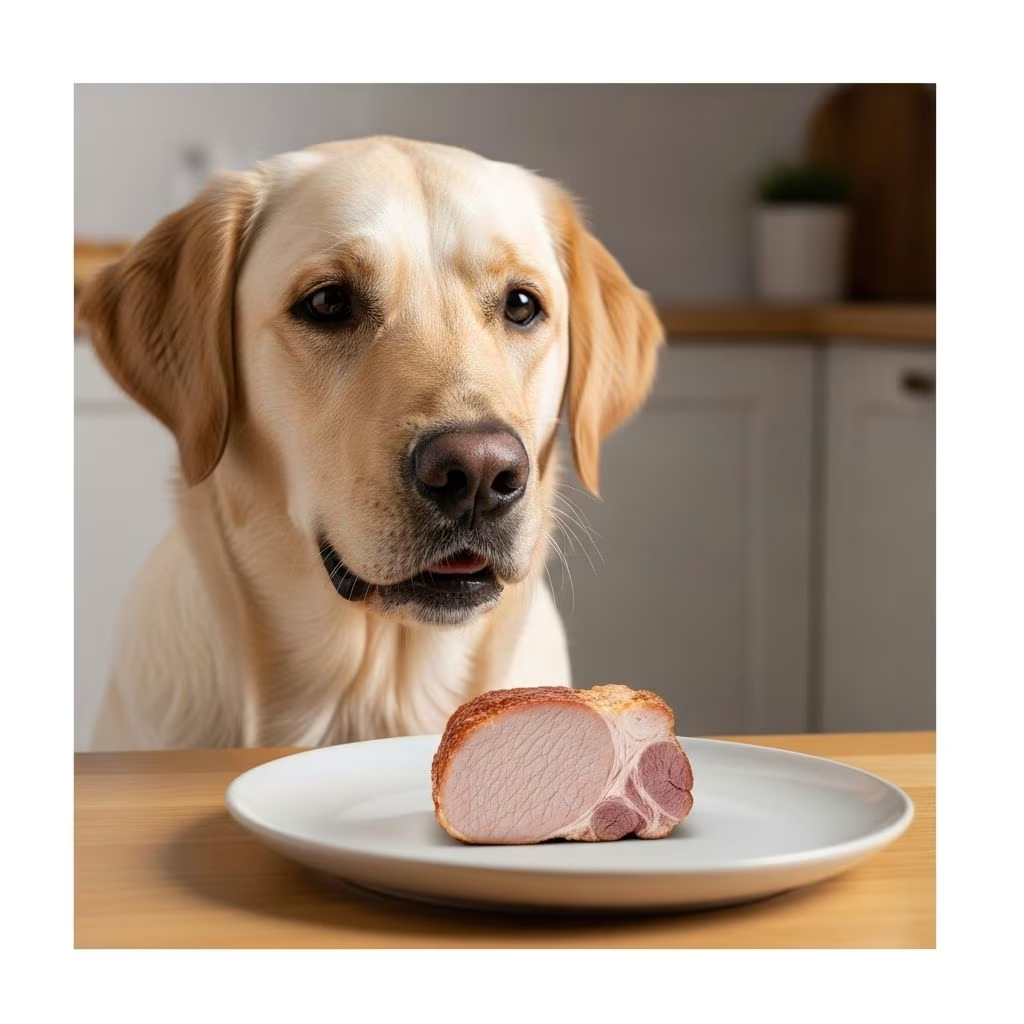
Can Dogs Eat Pork? A Complete Guide for Pet Owners
When your dog gives you those pleading eyes while you’re preparing pork for dinner, you might wonder if it’s safe to share a bite. The straightforward answer is yes, dogs can eat pork, but like many things in pet nutrition, there’s more to the story. Plain, well-cooked, lean pork is generally safe for dogs in small amounts. However, the preparation method, seasoning, and type of pork matter significantly when determining whether it’s appropriate for your furry friend.
The key to safely feeding pork to your dog lies in understanding which forms are safe and which should be avoided entirely. Processed pork products like bacon, sausages, and ham contain high levels of sodium and preservatives that can be harmful to dogs. Additionally, the way pork is cooked and whether bones are present plays a crucial role in keeping your dog safe and healthy.
Nutritional Benefits of Pork for Dogs
Pork offers several nutritional advantages when fed properly to your dog. Understanding these benefits can help you appreciate why pork can be a valuable addition to your dog’s diet.
High-Quality Protein Source
Pork is an excellent source of protein, offering all 10 essential amino acids that dogs need in their diet. Protein plays a crucial role in building and repairing tissues, producing enzymes and hormones, and maintaining proper dog nutrition. The amino acids present in pork are particularly beneficial for maintaining healthy skin and coat quality. Additionally, protein helps keep your dog’s muscles strong and supports their overall energy levels throughout the day.
Essential Vitamins and Minerals
Beyond protein, pork provides important micronutrients that contribute to your dog’s overall health. Pork is a particularly good source of B vitamins, especially B6 and B12, which play vital roles in brain function and the formation of red blood cells. These vitamins help your dog’s nervous system function properly and support energy metabolism. Pork also contains minerals like potassium, which is needed for proper nerve and muscle impulses, and zinc, which supports a strong immune system.
Alternative Protein for Dogs with Allergies
For dogs who may be allergic or intolerant to more common protein sources like chicken or beef, pork serves as an excellent alternative. Many veterinarians recommend pork for dogs with food allergies because it is considered a novel protein source. Dogs that have developed sensitivities to frequently used proteins can often tolerate pork well, helping to reduce allergic reactions and digestive issues. This makes pork particularly valuable for dogs with specific dietary requirements or allergies.
High-Value Training Treat
Pork’s rich and savory taste makes it an attractive high-value treat in the eyes of many dogs. Given its palatability and appeal, pork can be effectively used in training sessions, acting as a powerful motivator and reward. The strong flavor and texture make it particularly useful for reinforcing positive behaviors during obedience training.
Safe Ways to Cook Pork for Your Dog
Preparation is paramount when feeding pork to your dog. The way you cook pork directly impacts its safety and nutritional value for your canine companion.
Cooking Temperature and Methods
Always cook pork thoroughly to an internal temperature of at least 145 degrees Fahrenheit (63 degrees Celsius) to kill harmful organisms and parasites. Plain boiling or baking are the safest cooking methods for your dog. Avoid frying, grilling, or using excessive oils, spices, and seasonings. These cooking methods can add unnecessary fat and potentially harmful ingredients to the pork. When cooking pork for your dog, keep it as simple as possible—plain cooked meat with no additives is the safest option.
Removing Fat and Bones
Always trim excess fat from the pork before serving it to your dog. High-fat content can cause digestive upset and gastrointestinal issues. Completely remove all bones from the pork, as they can pose serious safety risks. Never give your dog pork chops with bones attached, as cooked bones can splinter easily and cause choking hazards or internal injuries.
Portion Control and the 10% Rule
When introducing pork to your dog’s diet, stick to the 10% treat rule. Treats, including pork, should make up no more than 10% of your dog’s daily caloric intake. The remaining 90% should come from their regular, balanced dog food. For most dogs, this means only small amounts of pork should be given at a time. Always start with very small portions if your dog has never had pork before, gradually increasing the amount while monitoring for any adverse reactions.
What Types of Pork to Avoid
While plain pork is safe, many pork products are not suitable for dogs and should be avoided entirely.
Processed Pork Products
Bacon, ham, sausages, hot dogs, and deli meats are highly processed and contain excessive amounts of salt, preservatives, and fat. These products can cause digestive upset, pancreatitis, and other health issues in dogs. The high sodium content is particularly concerning, as dogs don’t need much salt in their diet. Many processed pork products also contain spices and seasonings that can be harmful to your dog.
Seasoned and Marinated Pork
Never feed your dog pork that has been seasoned, salted, marinated, or smothered in barbecue sauce. Common seasonings like garlic powder and onion powder are toxic to dogs and can cause serious health problems. Barbecue sauce typically contains sugar, spices, and sometimes xylitol, which is extremely toxic to dogs. Even seemingly harmless seasonings can cause upset stomachs and digestive issues.
Raw Pork
Raw pork should not be fed to dogs. Although some believe raw pork is safe because dogs are natural carnivores, raw pork carries significant risks. Raw or undercooked pork can contain the parasite Trichinella spiralis, which causes trichinosis—a parasitic infection that leads to muscle inflammation and other serious health problems. The larvae of this parasite can cause severe illness in dogs. Always ensure pork is thoroughly cooked before serving it to your dog.
Pork Bones: Can Dogs Have Them?
The question of whether dogs can eat pork bones is controversial among pet owners, but safety experts agree that caution is necessary. Cooked pork bones are particularly dangerous. When cooked, pork bones become brittle and splinter easily. These splintered pieces can become choking hazards and potentially cause punctures to your dog’s mouth, gums, and gastrointestinal tract. Splintered bones can also cause intestinal obstructions, which may require emergency surgery.
Raw pork bones are somewhat safer than cooked bones, but they still carry risks. Raw bones may harbor bacteria and other pathogens. If you’re considering giving your dog raw pork bones, it’s essential to discuss this with your veterinarian or canine nutritionist first. In most cases, it’s best to avoid pork bones entirely and instead offer safer chew toys or veterinarian-approved dental chews.
Specific Pork Products and Dogs
Can Dogs Eat Pork Chops?
Yes, plain pork chops can be fed to dogs, provided they are cooked properly and contain no seasoning or spices. Remove all bones from the pork chops before serving. Be sure to trim any excess fat. Many seasonings contain ingredients that are toxic to dogs, so it’s very important that pork chops don’t have anything added to them. Always offer plain, boneless, lean pork chops only.
Can Dogs Eat Pulled Pork?
Plain pulled pork that’s cooked properly is safe for dogs to eat, as long as there aren’t any seasonings or spices added to it. However, make sure you’re not adding any barbecue sauce or other sauces to the pulled pork. Barbecue sauce often contains sugar, spices, and sometimes harmful ingredients like xylitol. Only serve completely plain pulled pork to your dog.
Can Dogs Eat Cooked Pork?
Cooked pork can be a delicious and nutritious treat for your dog. Pork meat is high in amino acids and B vitamins, which benefit your dog’s immune system and overall health. It’s crucial to avoid giving your dog pork cooked with seasonings, such as garlic powder or onion powder, as these can cause upset stomach and digestive issues. Pork that’s properly cooked is a nutritious protein source, particularly helpful for dogs with allergy issues.
Introducing Pork to Your Dog’s Diet
If your dog has never had pork before, introduction should be gradual and careful. Start by offering a very small amount of plain, cooked pork and observe your dog for any adverse reactions. Watch for signs of digestive upset, allergic reactions, or other health concerns over the next 24 to 48 hours. If your dog tolerates the pork well, you can gradually increase the amount while still adhering to the 10% treat rule. Always maintain a balanced diet with their regular dog food as the primary source of nutrition.
Comparing Pork to Other Protein Sources
The following table shows how pork compares to other common protein sources for dogs:
| Protein Source | Amino Acids | Fat Content | Digestibility | Allergy Risk |
|---|---|---|---|---|
| Pork | All 10 essential amino acids | Moderate (trim excess) | High | Low (novel protein) |
| Chicken | All 10 essential amino acids | Low to moderate | Very high | Higher (common allergen) |
| Beef | All 10 essential amino acids | Moderate to high | High | Moderate (common allergen) |
| Fish | All 10 essential amino acids | Moderate | High | Lower |
| Turkey | All 10 essential amino acids | Low | Very high | Lower |
Frequently Asked Questions
Q: How much pork can I give my dog?
A: Pork should make up no more than 10% of your dog’s daily caloric intake. The specific amount depends on your dog’s size and weight. For small dogs, a few small pieces per week is appropriate; larger dogs can have slightly more, but still in moderation.
Q: Is pork good for dogs with sensitive stomachs?
A: Plain, cooked pork can be good for dogs with sensitive stomachs, provided there are no seasonings or excessive fat. However, introduce it gradually and in small amounts. Always consult your veterinarian before making dietary changes for dogs with digestive sensitivities.
Q: Can puppies eat pork?
A: Yes, puppies can eat plain, cooked pork in very small amounts. However, puppies have different nutritional requirements than adult dogs. Ensure their primary diet consists of high-quality puppy food formulated for their specific growth stage.
Q: What should I do if my dog eats seasoned pork?
A: If your dog accidentally eats seasoned pork with harmless seasonings, monitor them closely for signs of digestive upset. However, if the pork contains toxic ingredients like garlic, onions, or xylitol, contact your veterinarian immediately.
Q: Are there any health conditions where dogs shouldn’t eat pork?
A: Dogs with pancreatitis or certain health conditions may need to avoid pork, especially fattier cuts. Dogs with specific allergies or intolerances to pork should obviously avoid it. Always consult your veterinarian if your dog has underlying health conditions.
Q: Can pork cause diarrhea in dogs?
A: Pork itself shouldn’t cause diarrhea if it’s plain and cooked properly. However, seasoned pork, excessive fat, or introducing too much pork too quickly can cause digestive upset and diarrhea. Always introduce new foods gradually and in appropriate portions.
Q: Is pork a complete protein for dogs?
A: Yes, pork is a complete protein containing all 10 essential amino acids that dogs need. However, pork alone shouldn’t be your dog’s only protein source; they need a balanced diet with various nutrients from different food sources.
Bottom Line: Can Dogs Eat Pork?
Dogs can eat pork if it meets specific criteria: it must be free of added sodium and seasonings, low in fat, thoroughly cooked, and completely boneless. Only small amounts should be given as treats, following the 10% rule. Plain, well-cooked pork can be a nutritious and delicious treat that offers protein, vitamins, and minerals beneficial to your dog’s health. However, processed pork products, seasoned pork, raw pork, and pork bones should always be avoided due to safety and health concerns. If your dog has never had pork, introduce it gradually in small amounts while monitoring for any adverse reactions. When in doubt, consult your veterinarian about whether pork is appropriate for your individual dog’s dietary needs and health status.
References
- Can Dogs Eat Pork? — Chewy. 2025. https://www.chewy.com/education/dog/food-and-nutrition/can-dogs-eat-pork
- Can Dogs Eat Pork? Experts Explain — Kinship. 2025. https://www.kinship.com/dog-nutrition/can-dogs-eat-pork
- Can Dogs Eat Pork? — PetMD. 2025. https://www.petmd.com/dog/nutrition/can-dogs-eat-pork
- Can Dogs Eat Pork? All Your Questions Answered — Dog Food Advisor. 2025. https://www.dogfoodadvisor.com/canine-nutrition/can-dogs-eat-pork/
- Can Dogs Eat Pork? How to Make Pork Safe for Your Pup — Native Pet. 2025. https://nativepet.com/blogs/health/can-dogs-eat-pork
- Can Dogs Eat Pork? — American Kennel Club. 2025. https://www.akc.org/expert-advice/nutrition/can-dogs-eat-pork/
- Is Pork OK for Dogs? — JustFoodforDogs Blog. 2025. https://blog.justfoodfordogs.com/is-pork-ok-for-dogs.html



