

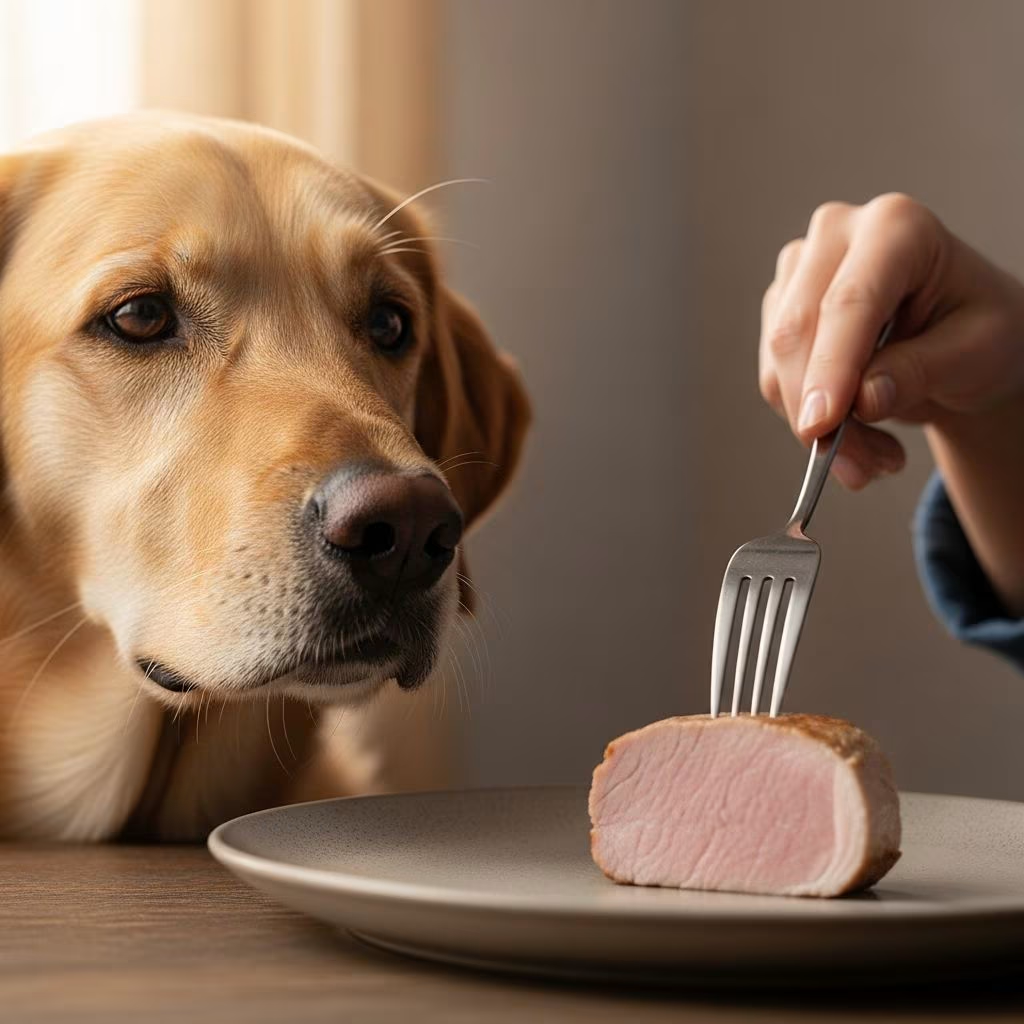
Pork serves as a viable protein option for dogs when prepared correctly, providing essential nutrients while minimizing health risks. Fully cooked, unseasoned lean cuts can enhance a dog’s diet in small quantities, but improper handling or processed forms introduce dangers like digestive upset or parasitic infections.
Nutritional Advantages of Pork for Canines
Incorporating pork into a dog’s meals offers several benefits, particularly as a complete protein source containing all vital amino acids necessary for tissue repair, enzyme production, and hormone regulation. This makes it especially useful for active dogs or those requiring muscle support.
- Rich in B Vitamins: Pork delivers thiamine, riboflavin, niacin, B6, and B12, which support brain health, red blood cell formation, and energy metabolism.
- Essential Minerals: It supplies zinc for immune function, iron for oxygen transport, phosphorus for bone health, selenium as an antioxidant, potassium for muscle and nerve activity, and copper for connective tissue.
- Allergy-Friendly Alternative: Dogs sensitive to chicken or beef often tolerate pork well, allowing dietary variety without triggering reactions.
- High Palatability: The savory flavor motivates during training, serving as an effective reward when portioned appropriately.
Compared to other meats, pork’s digestibility suits most dogs, provided fat is trimmed to prevent gastrointestinal issues.
Preparation Guidelines for Safe Pork Consumption
To harness pork’s benefits without hazards, focus on lean portions like tenderloin or loin chops, fully cooked to an internal temperature of at least 160°F to eliminate parasites and bacteria. Remove all visible fat and bones beforehand.
| Cut Type | Safety Level | Preparation Notes |
|---|---|---|
| Tenderloin | High | Lean; bake or grill plainly. |
| Loin Chops | High | Trim fat; avoid bones. |
| Shoulder | Low | High fat; use sparingly or avoid. |
| Ribs | Unsafe | Fatty and bony; never feed. |
Avoid seasonings such as garlic, onions, salt, or sauces, which can cause toxicity or dehydration. Plain cooking preserves nutrition while ensuring safety.
Health Risks Associated with Pork for Dogs
While beneficial in moderation, pork carries risks if not handled properly. Raw pork poses the greatest threat due to pathogens like Salmonella, Yersinia, and Trichinella spiralis, leading to trichinosis with symptoms including diarrhea, vomiting, and muscle pain—though dogs show subtler signs than humans.
- High Fat Content: Fatty cuts may trigger pancreatitis, a painful inflammation of the pancreas causing severe vomiting and lethargy.
- Bone Hazards: Cooked pork bones splinter easily, risking mouth injuries, choking, or intestinal blockages; raw bones can fracture teeth.
- Processed Products: Bacon, ham, sausage, and rinds are laden with salt, nitrates, and fats, promoting obesity, hypertension, and digestive distress.
- Overfeeding: Exceeding 10% of daily calories from treats contributes to weight gain and related conditions like diabetes.
Pregnant dogs, puppies, or those with pancreatitis history should avoid pork altogether, consulting a vet first.
Optimal Feeding Amounts and Introduction Strategies
Limit pork to 10% or less of a dog’s total daily caloric intake, prioritizing balanced commercial food for the remainder. For a 20-pound dog on 400 calories daily, this equates to about 40 calories from pork—roughly 1-2 ounces of lean cooked meat.
Introduce gradually: Start with tiny pieces over a week, monitoring for allergies (itching, ear infections) or intolerances (loose stools). Adjust based on size, age, and activity.
- Small Dogs (under 20 lbs): 0.5-1 oz, 1-2 times weekly.
- Medium Dogs (20-50 lbs): 1-2 oz, 2-3 times weekly.
- Large Dogs (over 50 lbs): 2-4 oz, 2-3 times weekly.
Track weight and stool quality; discontinue if issues arise.
Pork in Commercial Dog Foods and Raw Diets
Many premium kibbles and wet foods feature pork meal—a rendered, concentrated protein superior to fresh meat in some formulas due to nutrient density. For raw feeding enthusiasts, responsibly sourced, frozen pork minimizes bacterial risks, aligning with canine ancestral diets.
However, raw pork requires veterinary oversight, especially for parasite-free certification. Traditional Chinese veterinary medicine views pork as cooling, aiding inflammation-prone dogs.
Common Myths and Misconceptions Debunked
Several myths persist about pork and dogs:
- Myth: All Pork is Too Fatty. Lean cuts prove otherwise nutritious.
- Myth: Dogs Can’t Digest Pork. Canine systems handle it well when prepared right.
- Myth: Pork Bones Are Natural Chews. They endanger more than benefit.
- Myth: Raw is Always Better. Pathogen risks outweigh for pork specifically.
Frequently Asked Questions
Is raw pork safe for dogs?
No, raw pork risks trichinosis, Salmonella, and other infections; always cook thoroughly.
Can dogs eat pork chops?
Lean, boneless, unseasoned pork chops are okay in small amounts, but remove bones and fat.
Are pork rinds okay for dogs?
No, they are fried, salty, and fatty, leading to pancreatitis or upset stomach.
What about bacon or ham?
Avoid processed pork like bacon or ham due to high salt, fat, and preservatives.
Can pork help dogs with protein allergies?
Yes, it often serves as a novel protein for allergy sufferers.
Expert Recommendations for Pork in Dog Diets
Veterinarians emphasize moderation and quality sourcing. Opt for USDA-inspected pork free of antibiotics or hormones. For therapeutic diets, pork suits rotation feeding to prevent sensitivities. Always pair with fiber-rich veggies for balanced treats.
Monitor long-term: Regular bloodwork catches issues early. Holistic vets may integrate pork via insulin analogs for diabetic dogs, given porcine similarity to canine physiology.
References
- Is Pork Safe for Dogs to Eat? – Nature’s Logic — Nature’s Logic. 2023. https://natureslogic.com/blog/can-dogs-eat-pork/
- Can Dogs Eat Pork? – Chewy — Chewy. 2024. https://www.chewy.com/education/dog/food-and-nutrition/can-dogs-eat-pork
- Can Dogs Eat Pork? – PetMD — PetMD. 2024-01-15. https://www.petmd.com/dog/nutrition/can-dogs-eat-pork
- Understanding Pork Safety and Nutrition in Raw Dog Feeding — Solutions Pet Products. 2023. https://solutionspetproducts.com/is-it-safe-to-feed-pork-to-my-dog/
- Can Dogs Eat Pork? – American Kennel Club — AKC. 2024. https://www.akc.org/expert-advice/nutrition/can-dogs-eat-pork/
- The Nutritional Scoop: Can Dogs Eat Pork? – Muenster Pet — Muenster Pet. 2023. https://muensterpet.com/blogs/blog/can-dogs-eat-pork



