

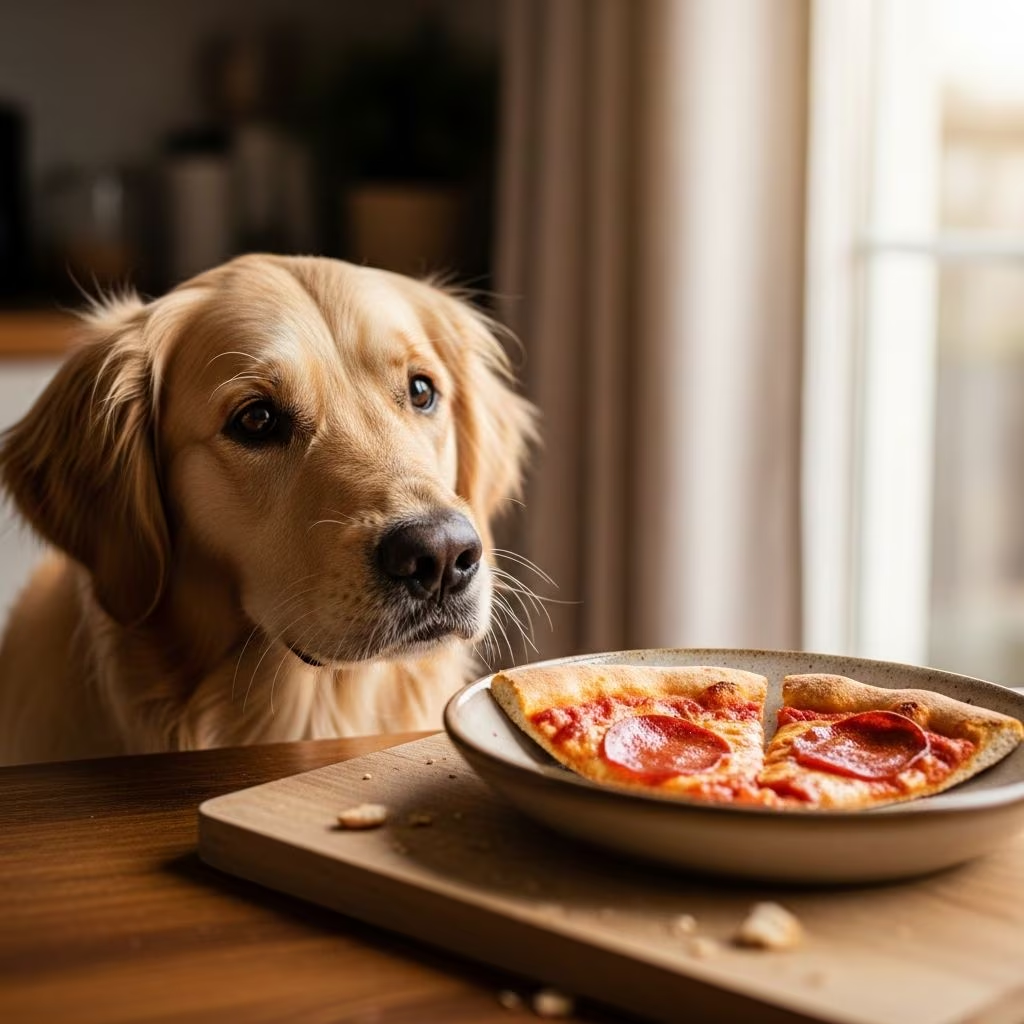
Pizza is a staple human indulgence, but sharing it with dogs requires caution due to potentially harmful components. While a tiny nibble of plain crust might not cause immediate harm, most pizzas contain ingredients toxic or unhealthy for canines, leading experts to advise against it entirely.
Breaking Down Pizza’s Components and Their Impact on Dogs
To understand why pizza spells trouble, examine its core elements: crust, sauce, cheese, and toppings. Each contributes to risks ranging from mild digestive woes to life-threatening conditions.
The Crust: A Deceptively Simple Base
Pizza crust seems harmless, but it’s often laden with refined carbs, salt, and hidden seasonings like garlic or onion powder. These refined flours offer empty calories, promoting weight gain without nutritional value. Salt exacerbates dehydration risks, while choking remains a concern for larger pieces. Raw dough poses the gravest danger, expanding in the stomach and producing ethanol, which can intoxicate dogs and cause breathing issues or tissue damage.
Sauce: Acidity and Hidden Toxins
Tomato-based sauces from ripe fruit are generally safe in small amounts, but unripe parts or additives change the equation. Garlic, onions, herbs, and sugars commonly spike these sauces, with alliums like garlic and onions damaging red blood cells and causing anemia. The acidity irritates sensitive stomachs, triggering vomiting or diarrhea.
Cheese: Lactose and Fat Overload
Even low-fat mozzarella packs calories and fats unsuitable for dogs. Many are lactose-intolerant, leading to gas, bloating, and loose stools. Excess fat risks pancreatitis, an inflammation causing severe pain, vomiting, and potentially fatal complications.
Toppings: A Minefield of Dangers
Meats like pepperoni and sausage brim with sodium, fats, and preservatives, fostering obesity, hypertension, and inflammation. Vegetables such as onions, garlic, mushrooms, and bell peppers irritate digestion or prove toxic. Spices amplify these effects.
| Ingredient | Risk Level | Potential Effects |
|---|---|---|
| Crust | Medium | Weight gain, choking, intoxication if raw |
| Sauce | High | Toxicity from garlic/onions, acidity upset |
| Cheese | High | Lactose issues, pancreatitis |
| Toppings (e.g., pepperoni) | Very High | Obesity, toxicity, organ damage |
Immediate and Long-Term Health Consequences
If your dog devours pizza, reactions vary by portion, ingredients, size, and health. Small amounts might yield mild symptoms; larger or toxic-laden bites demand urgency.
Short-Term Reactions
- Vomiting and diarrhea from fats, dairy, or spices.
- Lethargy or abdominal discomfort signaling indigestion.
- Bloating or gas, especially from cheese.
Serious Symptoms Requiring Vet Care
- Persistent vomiting, bloody stools, or refusal to eat.
- Tremors, weakness, or pale gums from allium toxicity.
- Difficulty breathing or distended abdomen from raw dough.
Chronic exposure heightens risks of obesity, diabetes, heart disease, and pancreatitis. Nutritional imbalances from irregular treats undermine balanced diets formulated for canine needs.
What to Do If Your Dog Consumes Pizza
Don’t panic, but act swiftly. Note the amount and ingredients ingested.
- Monitor Closely: Watch for 24-48 hours for symptoms like vomiting or lethargy.
- Hydrate: Offer plenty of water to flush irritants.
- Withhold Food Temporarily: Skip meals for 12 hours to rest the stomach, then reintroduce bland food like boiled rice and chicken.
- Seek Professional Help: Contact a vet immediately for large quantities, toxic toppings, or raw dough. Induce vomiting only under guidance.
Prevention trumps cure: secure pizzas and educate household members on risks.
Nutritional Foundations for Optimal Canine Health
Dogs thrive on AAFCO-compliant kibble or wet food meeting specific protein, fat, vitamin, and mineral profiles. Human foods like pizza disrupt this balance, lacking taurine or joint-supporting glucosamine while overloading fats and carbs.
Age, breed, and activity influence needs: puppies demand growth nutrients, seniors prioritize joint health, and active breeds require higher calories. Consult vets for tailored plans, avoiding overfeeding treats beyond 10% of intake.
Safe and Tasty Alternatives to Pizza
Craving shared moments? Craft dog-safe versions or treats mimicking pizza joy without jeopardy.
DIY Dog Pizza Recipes
Peanut Butter ‘Pizza’ Bites
Ingredients: Whole-grain base, dog-safe peanut butter, banana slices, a drizzle of honey.
Instructions: Spread peanut butter on baked flatbread, top with fruits, bake briefly, cool, and serve in moderation.
Vegetable Meat Crustless Pizza
Use ground turkey mixed with oats as base, top with pureed carrots, green beans, and a yogurt dollop. Bake until firm.
Commercial Treats and Snacks
- Freeze-dried liver or sweet potato chews for crunch.
- Vegetable jerky with safe flavors.
- Grain-free biscuits echoing crust texture.
These provide chewing satisfaction and nutrients, like omega-3s for coat health or probiotics for digestion.
Expert Guidelines on Treat Moderation
Veterinarians from bodies like the ASPCA emphasize treats as occasional rewards, not staples. Calculate based on weight: 10-lb dog gets ~25 calories daily from treats; 50-lb, ~125. Prioritize training tools or dental chews over calorific indulgences.
Frequently Asked Questions
Is a small piece of plain cheese pizza okay occasionally?
Minimal amounts might not harm healthy adults, but risks persist from fats and potential seasonings. Better to avoid.
What if my dog ate raw pizza dough?
Rush to an emergency vet; expansion and alcohol production are emergencies.
Are there any pizza toppings safe for dogs?
Plain cooked meats or veggies like plain chicken or carrots in tiny bits, but skip pizza entirely.
Can puppies eat pizza?
No, their sensitive systems amplify risks like digestive upset or toxicity.
How does pizza affect overweight dogs?
It worsens calorie surplus, hastening diabetes or mobility loss.
Final Thoughts on Keeping Your Dog Thriving
Pizza delights humans but endangers dogs through toxicity, obesity, and imbalance. Stick to formulated foods and inventive alternatives for joyful bonding without health costs. Regular vet check-ups ensure personalized wellness.
References
- Can Dogs Eat Pizza? Understanding the Risks & Precautions — My Waggle. 2023. https://mywaggle.com/blogs/pet-food/can-dogs-eat-pizza-understanding-the-risks-and-precautions
- Can Dogs Eat Pizza? Is it Safe? – Hill’s Pet Nutrition — Hill’s Pet. 2023. https://www.hillspet.com/dog-care/nutrition-feeding/can-dogs-eat-pizza
- Can Dogs Eat Pizza? – Pet Releaf — Pet Releaf. 2023. https://petreleaf.com/blogs/blog/can-dogs-eat-pizza
- Is Pizza Safe or Toxic to Dogs? | Hungry Howies — Hungry Howies. 2023. https://www.hungryhowies.com/article/pizza-safe-or-toxic-dogs
- Can Dogs Eat Pizza? Why Dogs Shouldn’t Eat Pizza – MasterClass — MasterClass. 2023. https://www.masterclass.com/articles/can-dogs-eat-pizza



