

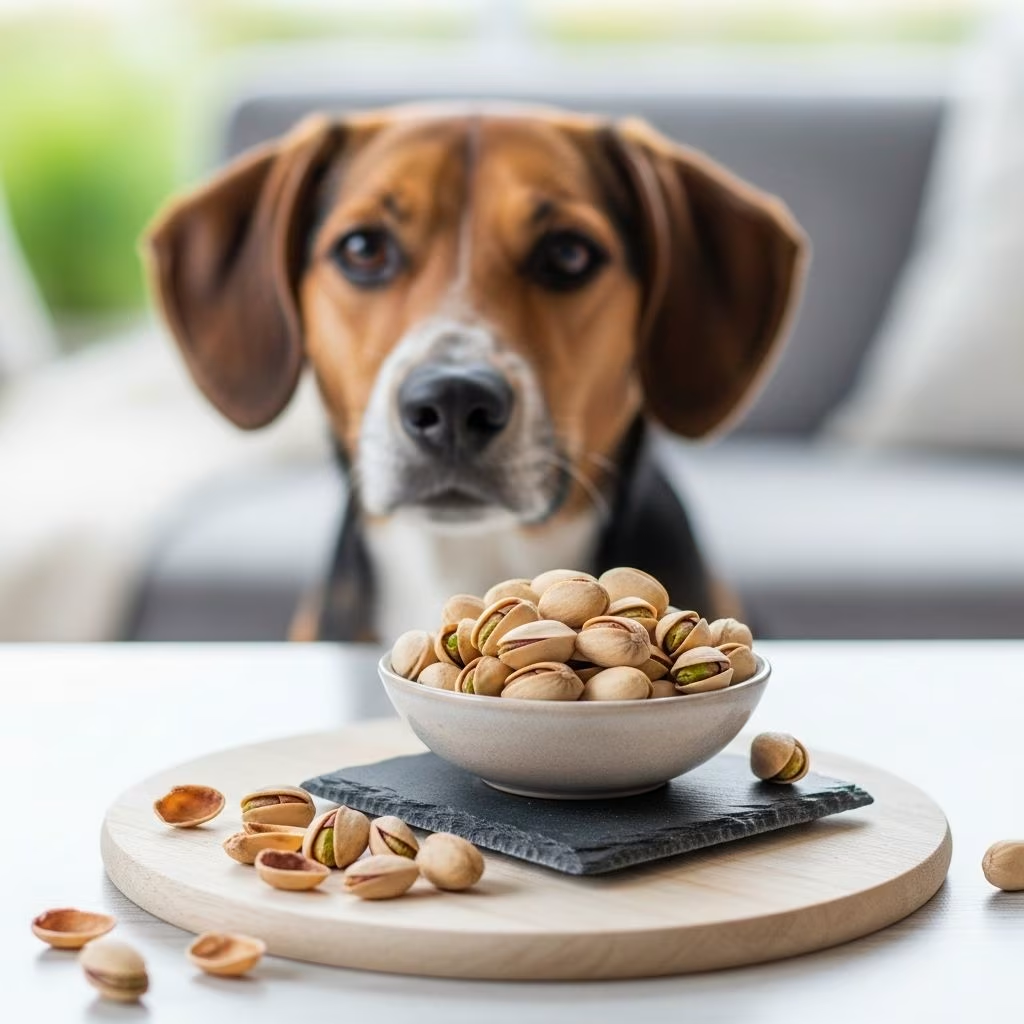
Can Dogs Eat Pistachios? A Complete Nutritional Guide
As a dog owner, you may wonder whether it’s safe to share your favorite snacks with your furry companion. Pistachios are a popular human treat, but the question remains: can dogs safely eat pistachios? The answer is more nuanced than a simple yes or no. While pistachios are not inherently toxic to dogs, there are significant considerations pet owners should understand before offering these nuts to their canine friends.
Pistachios contain several beneficial nutrients that could theoretically benefit your dog’s health. However, the risks associated with their high fat and salt content, combined with other potential hazards, often outweigh these benefits. Understanding both the advantages and dangers will help you make an informed decision about whether pistachios belong in your dog’s diet.
Are Pistachios Toxic to Dogs?
The good news for worried pet owners is that pistachios are not toxic to dogs. If your dog accidentally eats a few pistachios, they will likely be fine. However, this doesn’t mean pistachios are an ideal treat. The absence of toxicity doesn’t guarantee safety, especially when dogs consume large quantities over time or consume salted varieties.
Many dog owners confuse “not toxic” with “safe to eat.” This distinction is crucial. Just because something won’t poison your dog doesn’t mean it’s beneficial or even safe in larger quantities. Pistachios fall into this gray area—they’re not poisonous, but they can cause serious health problems if your dog eats too many.
Nutritional Benefits of Pistachios for Dogs
Despite the concerns, pistachios do contain several nutrients that can benefit dogs when consumed in appropriate amounts. Understanding these benefits helps explain why some pet owners might consider sharing this treat.
Key nutrients found in pistachios include:
– Protein for muscle development and repair- Antioxidants that help fight free radicals- Unsaturated fats that support skin and coat health- Fiber for digestive health- Potassium, which is essential for heart function and electrolyte balance- Phosphorus for bone health- Vitamin B6, crucial for protein absorption and synthesis- Thiamine (Vitamin B1) for brain function and proper growth- Copper for enzyme function and iron metabolism- Manganese for carbohydrate and protein digestion
Pistachios are particularly notable as a potassium powerhouse, containing approximately 285 milligrams of potassium per ounce—making them one of the richest nuts in this essential mineral. This potassium content supports your dog’s cardiovascular health and helps maintain proper muscle function.
Health Risks Associated with Pistachios
While the nutritional content may seem attractive, the potential health risks of feeding pistachios to dogs are significant and deserve serious consideration.
High Fat Content and Pancreatitis Risk
The most serious concern with pistachios is their high fat content. Fat-rich foods like pistachios can be difficult for dogs to digest and may lead to pancreatitis—inflammation of the pancreas—a serious and potentially life-threatening condition.
Symptoms of pancreatitis in dogs include:
– Vomiting and diarrhea- Loss of appetite- Abdominal pain- Lethargy and weakness- Fever
Dogs with existing pancreatitis or those who are overweight should absolutely avoid pistachios and other high-fat foods. Pancreatitis can progress quickly and requires immediate veterinary attention.
High Sodium Content
Most commercially available pistachios are salted, and salt is unhealthy for dogs to consume regularly. Salted pistachios can cause sodium ion poisoning in dogs, which occurs when a dog consumes excessive amounts of salt.
Excessive sodium can lead to:
– Dehydration- Disrupted electrolyte balance- Kidney issues- Seizures in severe cases
Always ensure any pistachios offered to your dog are completely unsalted and shelled first.
Aflatoxin Contamination
Pistachios, like many nuts, can sometimes contain aflatoxins—harmful compounds produced by certain molds that grow on the nuts. If dogs ingest significant quantities of aflatoxin-contaminated pistachios, they may experience:
– Fatigue and sluggishness- Stomach disturbances- Liver damage- Seizures in severe cases
This risk is particularly present on pistachio shells, which is another reason to always shell nuts before offering them to your dog.
Choking Hazard
Pistachios pose a serious choking hazard for dogs. Dogs often don’t chew their food thoroughly and tend to swallow treats whole. The size, shape, and hardness of pistachios make them dangerous in this regard.
Pistachio shells are particularly problematic, as they can easily break into sharp or jagged pieces that might puncture your dog’s esophagus or other parts of the gastrointestinal tract, potentially causing internal bleeding or blockages.
High Phosphorus Content
The high phosphorus content in pistachios can increase the likelihood of forming bladder stones in dogs. This is an additional reason to limit pistachio consumption, especially for dogs with a history of urinary issues.
Digestive Upset
Some dogs may not digest pistachios well, leading to stomach upset or diarrhea. This sensitivity can occur due to the high fat content, aflatoxins, or other characteristics of the nut. The digestive system of each dog is unique, and what one dog tolerates might upset another’s stomach.
Obesity and Chronic Disease Risk
Regular consumption of high-calorie, high-fat foods like pistachios can contribute to obesity in dogs. Obesity in turn increases the risk of developing diabetes, heart disease, joint problems, and other chronic conditions that can significantly impact your dog’s quality of life and lifespan.
Can Dogs Eat Pistachio Shells?
The answer is definitively no—dogs should not eat pistachio shells. Pistachio shells present multiple dangers:
– Choking hazard due to their hardness and shape- Risk of intestinal damage from sharp, jagged edges- Source of aflatoxin contamination- No nutritional value for your pet
If you decide to share pistachios with your dog, always ensure they are completely shelled first. Some dog owners find it easier to simply avoid pistachios altogether rather than risk accidental shell consumption.
How Many Pistachios Can Dogs Eat?
If you choose to offer pistachios to your dog despite the risks, moderation is absolutely essential. The appropriate amount depends on your dog’s size, age, weight, and overall health status. However, it’s best to err on the side of caution.
General guidelines for pistachio portions:
– Small dogs (under 20 pounds): 1-2 unsalted, shelled pistachios, very occasionally- Medium dogs (20-50 pounds): 2-3 unsalted, shelled pistachios, very occasionally- Large dogs (over 50 pounds): 3-4 unsalted, shelled pistachios, very occasionally
These amounts should be treated as very occasional treats, not regular snacks. Many veterinarians recommend avoiding pistachios entirely, as there are plenty of safer alternatives that provide similar nutritional benefits without the associated risks.
Safer Alternatives to Pistachios
If you want to provide your dog with nutritious treats that offer similar benefits to pistachios but with fewer risks, consider these alternatives:
– Carrots (low-calorie, crunchy, and good for dental health)- Apples (sliced, without seeds)- Blueberries (rich in antioxidants)- Sweet potatoes (nutritious and satisfying)- Green beans (low-calorie and fiber-rich)- Plain pumpkin (supports digestive health)- Watermelon (hydrating and low-calorie)- Salmon (excellent source of omega-3 fatty acids)
These alternatives provide various nutritional benefits without the risks associated with high-fat, high-salt nuts.
What to Do If Your Dog Eats Pistachios
If your dog accidentally consumes a few unsalted, shelled pistachios, don’t panic. In most cases, they will be fine. However, you should monitor your dog carefully for any signs of discomfort or distress.
Watch for these warning signs:
– Vomiting or diarrhea- Loss of appetite- Abdominal pain or bloating- Lethargy or unusual behavior- Difficulty breathing (possible choking)
If your dog consumes a large quantity of pistachios, salted varieties, moldy pistachios, or pistachios with shells, seek immediate veterinary care. Contact your veterinarian right away if your dog shows any signs of distress or illness following pistachio consumption.
Expert Veterinary Recommendations
According to Dr. Jerry Klein, Chief Veterinarian for the American Kennel Club, “Though pistachios are not in themselves toxic to dogs, there are concerns with dogs eating large amounts of pistachios”. The AKC recommends avoiding feeding pistachios to dogs for their safety.
The ASPCA also notes that the high-fat content in nuts like pistachios, pecans, and macadamia nuts can cause vomiting and diarrhea in dogs. Most veterinary professionals agree that the risks outweigh any potential benefits.
Frequently Asked Questions
Q: Are pistachios toxic to dogs?
A: No, pistachios are not toxic to dogs, but they are not recommended due to their high fat and salt content, which can cause serious health problems including pancreatitis.
Q: What happens if my dog eats one pistachio?
A: If your dog eats one or two unsalted, shelled pistachios, they should be fine. However, monitor them for any signs of discomfort. If they consume more than a few or if the pistachios are salted or shelled, contact your veterinarian.
Q: Can I give my dog salted pistachios?
A: No, you should never give your dog salted pistachios. The high sodium content can cause sodium ion poisoning, leading to dehydration, kidney issues, and potentially seizures.
Q: What are the symptoms of pistachio poisoning in dogs?
A: While pistachios aren’t toxic, consuming large amounts can cause pancreatitis symptoms including vomiting, diarrhea, loss of appetite, abdominal pain, and lethargy. Seek immediate veterinary care if you notice these signs.
Q: Are pistachio shells dangerous for dogs?
A: Yes, pistachio shells are dangerous. They pose a choking hazard, can puncture the digestive tract, contain aflatoxins, and have no nutritional value. Always remove shells completely before offering pistachios to your dog.
Q: What should I give my dog instead of pistachios?
A: Safer alternatives include carrots, apples, blueberries, sweet potatoes, green beans, pumpkin, and salmon—all of which provide nutritional benefits without the risks associated with pistachios.
Q: Can puppies eat pistachios?
A: No, puppies should not eat pistachios. Their developing digestive systems are even more sensitive to high-fat foods, making them at higher risk for pancreatitis and other complications.
Q: How much fat is in pistachios for dogs?
A: Pistachios contain approximately 13-14 grams of fat per ounce, which is very high for dogs. This high fat content is the primary reason they should be avoided or offered only in extremely small amounts.
References
- Can Dogs Eat Pistachios? — PetMD. 2024. https://www.petmd.com/dog/nutrition/can-dogs-eat-pistachios
- Can Dogs Eat Pistachios? — Four Leaf Rover. 2024. https://fourleafrover.com/blogs/natural-health/can-dogs-eat-pistachios
- Can Dogs Eat Pistachios? Here Are The Risks! — Pawlicy Advisor. 2024. https://www.pawlicy.com/blog/can-dogs-eat-pistachios/
- Can Dogs Eat Pistachios? — American Kennel Club. 2024. https://www.akc.org/expert-advice/nutrition/can-dogs-eat-pistachios/
- Why Dogs Should Avoid Pistachios — Wild Earth Pet Food. 2024. https://wildearth.com/blogs/dog-knowledge/can-dogs-have-pistachios
- ASPCA Animal Poison Control Center — ASPCA. Accessed November 2024. https://www.aspca.org/pet-care/animal-poison-control
Final Verdict: Should You Feed Pistachios to Your Dog?
While pistachios are not toxic to dogs and contain some beneficial nutrients, the risks associated with their high fat and salt content, potential aflatoxin contamination, and choking hazard make them an unadvisable treat for most dogs. The potential for pancreatitis, obesity, and other serious health complications outweighs any nutritional benefits they might provide.
Many dog owners choose to avoid pistachios entirely, opting instead for safer, more dog-friendly treats and snacks. If you do decide to share pistachios with your dog, ensure they are unsalted, completely shelled, and offered only very occasionally in tiny amounts. When in doubt, consult with your veterinarian about whether pistachios are appropriate for your individual dog’s dietary needs and health status.



