

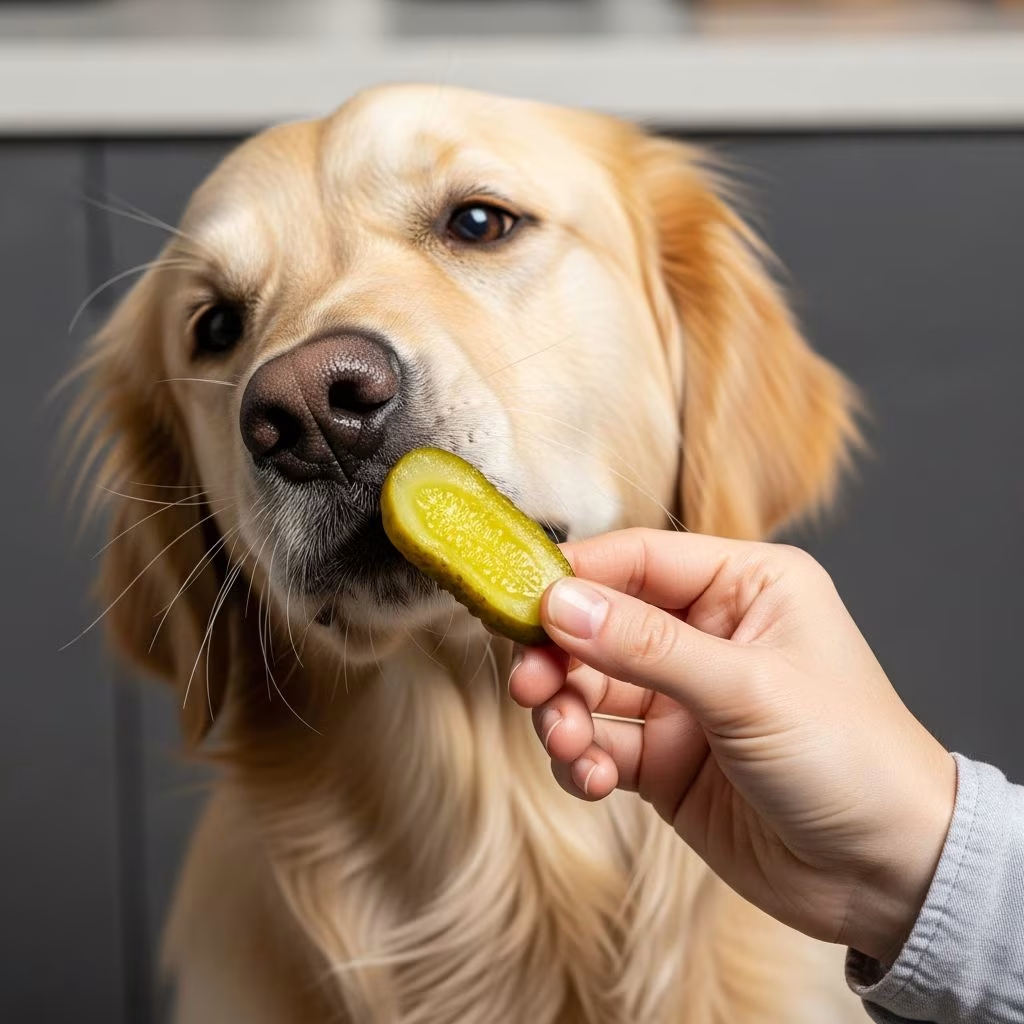
Dogs can technically eat small amounts of plain pickles without immediate toxicity, but they are not recommended due to high sodium content that outweighs any minor nutritional benefits. Cucumbers, the base ingredient, offer vitamins like A and K, but the pickling process adds excessive salt, vinegar, and potentially harmful spices, making pickles a poor choice for regular treats.
Are Pickles Safe for Dogs?
Pickles are not inherently toxic to dogs, unlike ingredients such as onions or garlic often found in some varieties, which can cause hemolytic anemia by damaging red blood cells. Veterinary experts note that while a single small bite from a plain dill pickle may not harm most healthy dogs, the risks escalate with quantity or frequency due to sodium overload. The American Kennel Club emphasizes that high sodium is particularly problematic for dogs with pre-existing conditions like heart or kidney disease.
Safe in tiny moderation for healthy dogs, pickles should never be a staple. Sources agree: a dropped pickle slice off the floor is unlikely to cause issues, but intentional feeding invites trouble.
Benefits of Pickles for Dogs
Plain pickles derived from cucumbers retain some nutritional value, including low calories, vitamin K for bone health, vitamin A for vision and immune support, and trace minerals like iron and calcium. These benefits mirror fresh cucumbers, which are hydrating and fiber-rich, aiding digestion without added salt.
However, the pickling brine negates these positives. Antioxidants in dill pickles support human immunity, but dogs get negligible amounts from tiny portions, and excess salt cancels hydration effects. Veterinarians recommend fresh veggies over processed pickles for true benefits.
Risks of Feeding Pickles to Dogs
The primary danger is **high sodium content**, where one medium pickle can exceed a small dog’s daily sodium needs, leading to salt poisoning. Symptoms include excessive thirst, urination, dehydration, vomiting, diarrhea, lethargy, tremors, seizures, and in severe cases, high blood pressure or organ strain.
- Sodium poisoning: Causes fluid imbalance, stressing kidneys and heart.
- Gastrointestinal upset: Vinegar and spices irritate stomachs, causing bloating or reflux.
- Toxic additives: Garlic, onions in sweet pickles damage red blood cells; sugar promotes obesity, pancreatitis.
- Long-term issues: Repeated exposure risks hypertension, renal failure.
Dogs with conditions like hypertension or kidney disease face amplified risks even from small amounts.
Can Dogs Eat Dill Pickles?
Dill pickles, flavored with dill herb (safe in small amounts for digestion), are the least risky variety if plain and low-sugar. They avoid garlic/onions common in others but still pack sodium—avoid regular feeding. A tiny slice occasionally for a large, healthy dog is tolerable, but fresh dill or cucumbers are superior.
Can Dogs Eat Sweet Pickles?
No, sweet pickles (e.g., bread-and-butter) are unsafe due to added sugar, onions, garlic, and peppers. Sugar causes weight gain, pancreatitis; alliums trigger anemia. High fructose exacerbates dehydration with salt. Steer clear entirely.
Can Dogs Eat Fried Pickles?
Fried pickles are highly dangerous, combining sodium with excess fat that triggers acute pancreatitis, a painful inflammation of the pancreas. Greasy batter adds calories without nutrition, risking obesity and digestive blockages. No benefits, all hazards—avoid fried foods for dogs.
Can Dogs Drink Pickle Juice?
Absolutely not. Pickle juice is concentrated sodium, vinegar, and spices—pure risk for toxicity. Even a few laps can cause severe electrolyte imbalance, worse than solid pickles. Humans use it for cramps; dogs get salt poisoning.
What Ingredients in Pickles are Bad for Dogs?
Beyond salt, problematic additives include:
- Garlic & Onions: Toxic alliums destroy red blood cells, causing weakness, pale gums, rapid breathing.
- Sugar: In sweet varieties, leads to upset stomach, diabetes risk.
- Spices (chili, nutmeg): Irritate GI tract; nutmeg is hallucinogenic in excess.
- Xylitol: Rare in pickles but deadly if present, causing hypoglycemia.
- Vinegar: Acidic, causes nausea in large amounts.
Always check labels; plainest is safest, but still not ideal.
What To Do If Your Dog Eats Pickles
If your dog sneaks a pickle slice:
- Small amount (1-2 bites): Monitor for 24-48 hours. Offer water; mild thirst/upset is common but passes.
- Large quantity/jar: Contact vet immediately. Watch for vomiting, diarrhea, ataxia, seizures.
- With toxic ingredients: Seek emergency care for potential anemia.
Treatment may involve IV fluids for dehydration, bloodwork for sodium levels. Prevention: store pickles securely.
Are Homemade Pickles Safe for Dogs?
Homemade pickles without onion, garlic, sugar, xylitol, or nutmeg might be safer in tiny amounts, but brine’s salt remains excessive. Use low-sodium recipes sparingly; fresh cucumbers are better. Vets still advise against due to processing risks.
Healthier Alternatives to Pickles for Dogs
Opt for low-sodium, vet-approved snacks:
| Treat | Benefits | Prep Tips |
|---|---|---|
| Cucumbers | Hydrating, low-cal, vitamins A/K | Slice thinly, remove seeds |
| Carrots | Fiber, beta-carotene for eyes | Raw sticks or steamed |
| Green Beans | Low-fat, aids weight loss | Steamed, plain |
| Apples (no seeds) | Fiber, antioxidants | Sliced, seedless |
| Blueberries | Antioxidants, vision support | Whole, in moderation |
These mimic pickle crunch without risks. Limit to 10% of diet; consult vet for personalized advice.
Frequently Asked Questions (FAQs)
Can dogs eat pickles?
No, not recommended. High sodium outweighs minor benefits; small amounts occasionally for healthy dogs only.
Are dill pickles safe for dogs?
In tiny moderation if plain, but high salt makes them risky. Prefer fresh cucumbers.
Can dogs have pickle juice?
No, it’s concentrated poison—causes sodium toxicity fast.
What happens if a dog eats a pickle?
Usually mild thirst/upset; large amounts risk vomiting, seizures—call vet.
Are sweet pickles bad for dogs?
Yes, sugar + toxins like onions/garlic make them dangerous.
Can puppies eat pickles?
No, puppies are more sensitive to salt; stick to puppy-safe foods.
Are pickles toxic to dogs?
Not directly, but ingredients and salt can cause serious harm.
This guide ensures your dog enjoys safe snacking. Prioritize balanced nutrition for a happy, healthy pup.
References
- Can Dogs Eat Pickles? | Food Sharing Safety Facts for Pet Owners — Rover.com. 2023-05-15. https://www.rover.com/blog/can-dogs-eat-pickles/
- Can Dogs Eat Pickles? The Sour Truth — Native Pet. 2024-02-20. https://nativepet.com/blogs/health/can-dogs-eat-pickles
- Can Dogs Have Pickles? Everything You Need to Know — WeFeedRaw. 2023-11-10. https://wefeedraw.com/blog/can-dogs-have-pickles
- Can Dogs Eat Pickles? What To Know — MetLife Pet Insurance. 2024-01-08. https://www.metlifepetinsurance.com/blog/pet-health/can-dogs-eat-pickles/
- Can Dogs Eat Pickles? — American Kennel Club (AKC). 2023-07-22. https://www.akc.org/expert-advice/nutrition/can-dogs-eat-pickles/
- Can Dogs Eat Pickles? — Basepaws. 2023-09-14. https://basepaws.com/blog/can-dogs-eat-pickles
- Can Dogs Eat Pickles? — Maven Pet. 2024-03-05. https://maven.pet/all-about-pets/pet-care/dog-diet/can-dogs-eat-vegetables/can-dogs-eat-pickles/



