

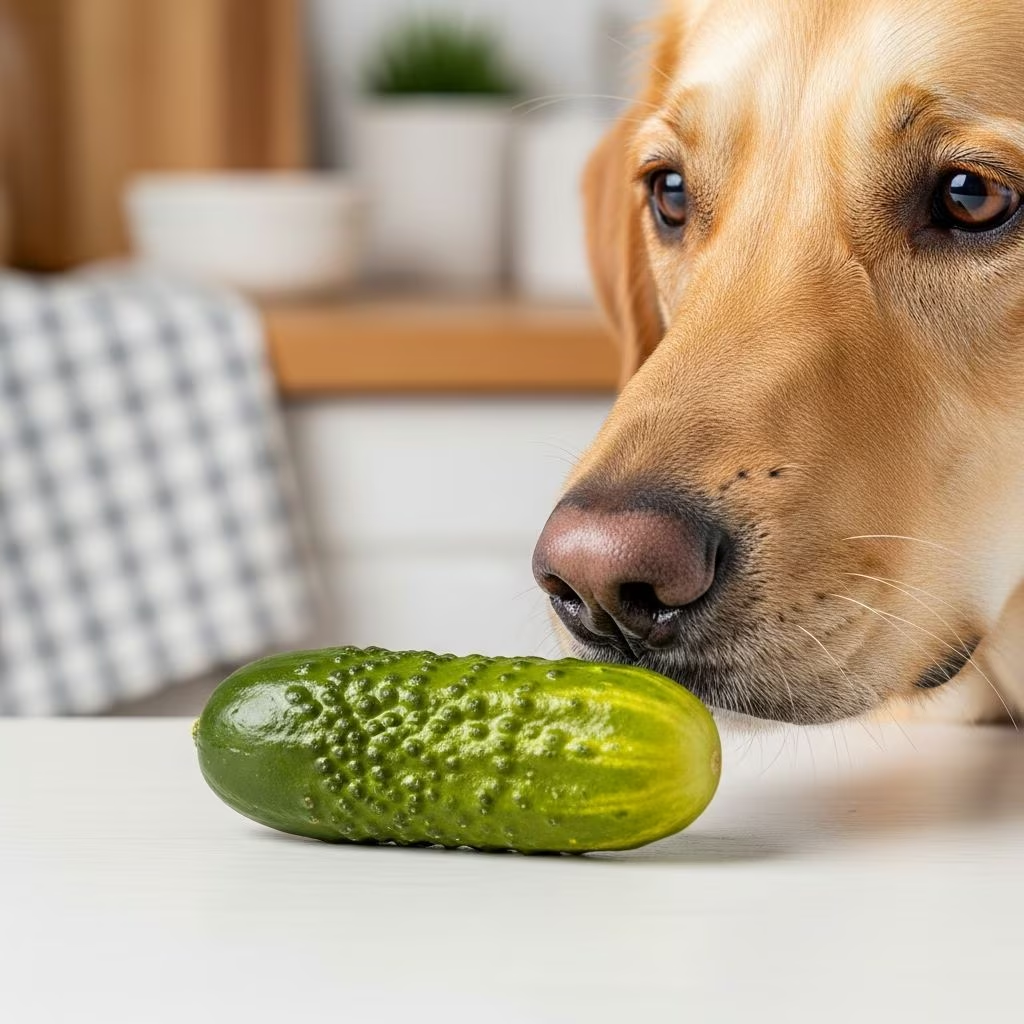
Pickles offer a tangy crunch that many humans enjoy, but when it comes to dogs, the verdict leans heavily toward caution. While a small nibble might not cause immediate harm, regular or excessive consumption can lead to serious health complications due to their composition. Cucumbers, the base ingredient, are nutritious for dogs in their fresh form, but the pickling process introduces elements like excessive salt, vinegar, and potential toxins that override any minor benefits.
Understanding the Composition of Pickles
Pickles are essentially cucumbers fermented or preserved in a brine solution, which typically includes high levels of salt, vinegar, dill, and various spices. This process enhances flavor and shelf life for human consumption but alters the vegetable in ways that are problematic for canine physiology. Dogs lack the ability to process large amounts of sodium efficiently, and many pickle recipes incorporate garlic, onions, or sugars that are outright dangerous.
- Salt (Sodium Chloride): The primary preservative, often exceeding safe daily limits for dogs in just one spear.
- Vinegar: Provides acidity but can irritate sensitive stomachs.
- Spices and Additives: Including garlic powder, onion, mustard seeds, or artificial sweeteners like xylitol in some varieties.
These components transform a healthy cucumber into a condiment that’s best avoided for pets. Fresh cucumbers, by contrast, deliver hydration and fiber without the risks.
Key Health Risks Associated with Pickles for Dogs
The dangers stem mainly from sodium overload, but other factors compound the issue. Sodium ion toxicity, or salt poisoning, occurs when dogs ingest more than their kidneys can filter, leading to cellular dehydration and organ strain.
| Risk Factor | Potential Effects | Severity Level |
|---|---|---|
| High Sodium | Thirst, vomiting, tremors, seizures | High |
| Garlic/Onions | Red blood cell damage, anemia | Very High |
| Sugar/Xylitol | Obesity, liver failure | Critical |
| Vinegar/Spices | GI upset, diarrhea | Moderate |
Even low-calorie appeal doesn’t outweigh these threats, as the nutritional profile diminishes during pickling. Vitamin K and antioxidants from dill are present in trace amounts, but processing negates their value for dogs.
Symptoms to Watch for After Pickle Ingestion
If your dog sneaks a pickle, monitor closely for signs of distress. Early intervention can prevent escalation, especially in small breeds or those with pre-existing conditions like heart disease or kidney issues.
- Increased thirst and urination, signaling electrolyte imbalance.
- Vomiting or diarrhea from digestive irritation.
- Lethargy, weakness, or uncoordinated movements from sodium toxicity.
- In severe cases: tremors, seizures, or elevated body temperature.
Puppies and senior dogs face amplified risks due to immature or declining organ function. Contact a veterinarian immediately if symptoms appear, providing details on quantity consumed.
Variations of Pickles and Their Specific Dangers
Not all pickles are identical; varieties introduce unique hazards.
Dill Pickles
These use fresh dill for flavor, which offers anti-inflammatory benefits in raw form. However, the brine’s sodium content—often 300-500mg per pickle—far exceeds the daily recommendation of 100mg per 10 pounds of body weight for dogs. Fresh dill sprigs are a safer alternative for breath freshening.
Sweet or Bread-and-Butter Pickles
Sweetened with sugar or high-fructose corn syrup, these promote weight gain and dental decay. Some ‘sugar-free’ options contain xylitol, a sugar alcohol lethal to dogs even in tiny doses, causing hypoglycemia and liver damage.
Fried Pickles
Battered and deep-fried, they pack excessive fat, risking pancreatitis—an inflammation of the pancreas that causes intense abdominal pain and digestion shutdown.
Pickle Juice
Concentrated brine amplifies sodium risks without the ‘solid’ benefit of the pickle itself. Dogs rarely enjoy the taste, but accidental lapping can lead to rapid toxicity.
Homemade pickles might seem controllable, but the salting process inherently poses issues unless drastically diluted, which defeats the purpose.
Nutritional Comparison: Pickles vs. Dog-Safe Alternatives
Pickles provide negligible nutrition compared to safer options. Here’s a breakdown:
| Food Item | Calories (per 100g) | Sodium (mg) | Benefits for Dogs |
|---|---|---|---|
| Pickle (Dill) | 11 | 1208 | Minimal hydration, trace vitamins |
| Fresh Cucumber | 16 | 2 | High water (96%), fiber, low-cal |
| Carrot Stick | 41 | 69 | Vitamin A, dental health |
| Green Beans | 31 | 6 | Fiber, vitamins, low-fat |
Opt for plain, washed veggies sliced into safe sizes to prevent choking. These mimic the crunch dogs crave without health detriments.
Expert Guidelines on Human Foods for Dogs
Veterinarians universally advise against pickles as treats. The American Kennel Club notes that while not outright poisonous, ingredients like garlic and onions damage red blood cells, potentially causing anemia. Pet nutritionists emphasize balanced commercial diets or vet-approved toppers over risky experiments.
For optimal health, limit treats to 10% of daily calories. Focus on variety: lean proteins, fruits like blueberries (antioxidants), and veggies for fiber.
What to Do If Your Dog Eats Pickles
One pickle slice? Likely fine—observe for 24-48 hours. Multiple or juice? Withhold food briefly, encourage water intake, and call your vet. Provide the jar’s ingredient list for accurate assessment. In toxicity cases, treatments may include IV fluids, medications, or monitoring.
Prevention is key: store condiments securely and train ‘leave it’ commands.
Building a Healthier Snack Routine for Your Dog
Replace pickles with engaging, nutritious options:
- Frozen Cucumber Slices: Cooling treat for hot days.
- Herb-Infused Yogurt Bites: Plain, low-fat yogurt with fresh dill or parsley (dog-safe).
- Commercial Low-Sodium Treats: Vet-formulated for dental and joint support.
- DIY Veggie Mix: Steamed broccoli, carrots, and peas blended into patties.
Rotate snacks to ensure broad nutrient intake and prevent boredom. Always introduce new foods gradually to check for allergies.
Frequently Asked Questions (FAQs)
Are pickles toxic to dogs?
No, not directly toxic, but high sodium and additives like garlic make them hazardous in more than tiny amounts.
Can puppies have pickles?
Absolutely not—puppies’ systems can’t handle the sodium or irritants, risking dehydration and growth issues.
Is pickle juice okay for dogs?
No, it’s pure brine with concentrated risks; avoid entirely.
What about sweet pickles?
Worse due to sugars promoting obesity; xylitol versions are deadly.
Can dogs eat pickled vegetables besides cucumbers?
No, items like beets or ginger share high-sodium brines and added dangers.
How much pickle is too much?
Zero is ideal; even one exceeds sodium limits for small dogs.
References
- Can Dogs Eat Pickles? The Sour Truth — Native Pet. 2023-05-15. https://nativepet.com/blogs/health/can-dogs-eat-pickles
- Can Dogs Eat Pickles? — Pumpkin Pet Insurance. 2024-02-10. https://www.pumpkin.care/post/can-dogs-eat-pickles
- Can Dogs Have Pickles? Everything You Need to Know — We Feed Raw. 2023-11-20. https://wefeedraw.com/blog/can-dogs-have-pickles
- Can Dogs Eat Pickles? — American Kennel Club. 2024-08-05. https://www.akc.org/expert-advice/nutrition/can-dogs-eat-pickles/
- Can Dogs Eat Pickles and Other Condiments? — Chewy. 2023-07-12. https://www.chewy.com/education/dog/food-and-nutrition/nutrition-pet-diet-tips-can-dogs-eat-pickles-other-condiments



