

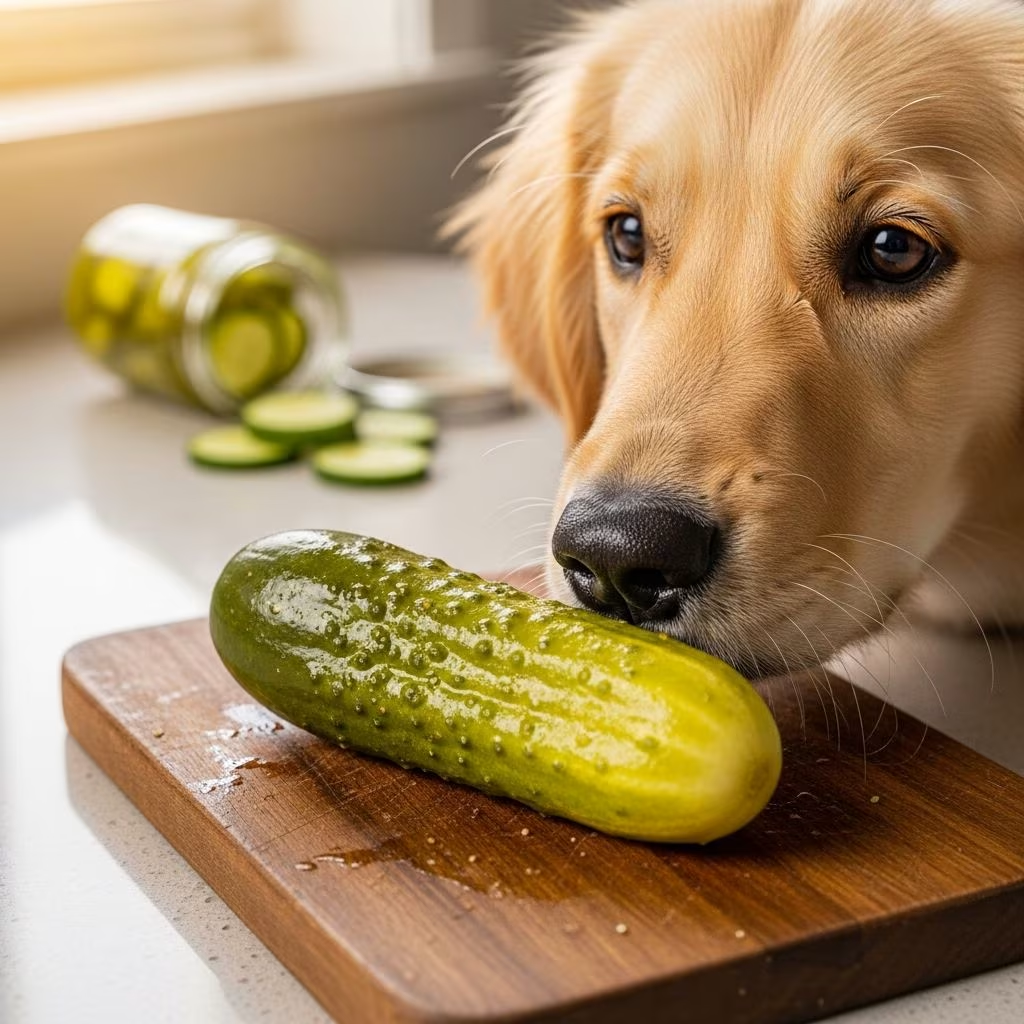
Pickles might be a crunchy favorite for humans, but they pose significant risks for dogs due to their high sodium levels and potentially toxic additives. While a small accidental nibble rarely causes severe harm, regular consumption can lead to serious health issues like digestive upset or salt poisoning. This guide breaks down the nutritional profile of pickles, identifies key dangers, outlines symptoms to watch for, and recommends superior snack choices to keep your dog healthy and thriving.
Understanding the Composition of Pickles
At their core, pickles begin as cucumbers—a low-calorie vegetable that’s generally safe and hydrating for dogs when fresh and plain. The pickling process transforms them by soaking in a brine made from salt, vinegar, and various seasonings. This preservation method creates the tangy flavor humans love, but it introduces elements that are problematic for canine physiology.
- Salt (Sodium Chloride): The primary ingredient in brine, often exceeding 1,000 mg per serving, far beyond a dog’s daily needs.
- Vinegar: Provides acidity for preservation but can irritate a dog’s sensitive stomach lining.
- Spices and Additives: Common inclusions like garlic, onions, peppers, sugar, or even xylitol in low-sugar varieties, many of which are outright toxic.
Dogs lack the ability to process excessive salt efficiently, and their kidneys are not equipped to handle the acidic load from vinegar. Fresh cucumbers retain beneficial qualities like high water content (over 95%) and vitamins K and C, but pickling strips these away while adding hazards.
Primary Health Risks Associated with Pickles for Dogs
The dangers of feeding pickles extend beyond mere indigestion. Here’s a detailed look at how they impact canine health:
| Risk Factor | Effects on Dogs | Severity Level |
|---|---|---|
| High Sodium | Excessive thirst, urination, electrolyte imbalance, potential sodium ion toxicity leading to seizures or heart strain | High |
| Garlic/Onions | Damage to red blood cells, hemolytic anemia, weakness, pale gums | Very High |
| Vinegar Acidity | Stomach irritation, vomiting, diarrhea, esophageal burns in large amounts | Moderate |
| Sugar/Xylitol | Weight gain, dental decay, or life-threatening liver failure from xylitol | High |
Sodium toxicity, in particular, is a concern because dogs require only about 100-200 mg per day depending on size, while a single medium pickle can contain over 500 mg. Small breeds like Chihuahuas are at greater risk due to their lower body mass.
Symptoms to Monitor After Pickle Consumption
If your dog sneaks a pickle, observe closely for the next 24-48 hours. Mild reactions often resolve on their own, but escalation warrants immediate veterinary attention.
- Mild Symptoms: Increased thirst, drooling, lip licking, mild gas, or loose stools—typically from salt and acidity.
- Moderate Symptoms: Restlessness, vomiting once or twice, diarrhea lasting under 12 hours.
- Severe Indicators: Persistent vomiting/diarrhea, trembling, weakness, pale gums, red urine, excessive panting, or collapse—call your vet immediately, as these signal anemia or salt poisoning.
Never induce vomiting at home without professional guidance, as it risks aspiration pneumonia, especially in brachycephalic breeds like Bulldogs.
Types of Pickles and Their Specific Dangers
Not all pickles are created equal, and variety matters when assessing safety.
- Dill Pickles: Often the ‘safest’ due to fewer sweeteners, but still loaded with salt and potential garlic. Dill herb itself has antioxidants, but pickling negates benefits.
- Sweet/Bread-and-Butter Pickles: High sugar content promotes obesity and tooth decay; avoid entirely.
- Fried Pickles: Added fats increase pancreatitis risk—a painful inflammation of the pancreas.
- Homemade Pickles: Potentially less risky if you control ingredients (no onions/garlic/xylitol), but salt remains a barrier. Tiny amounts only, and plain cucumber slices are preferable.
Commercial brands vary widely; always scrutinize labels for hidden toxins.
The Peril of Pickle Juice for Canines
Pickle juice, popularized for human hydration, is a concentrated toxin for dogs. It’s essentially supercharged brine with vinegar, spices, and sometimes sugar—delivering a sodium punch that even small sips (1 tablespoon) can overwhelm a toy breed’s system.
Effects include rapid dehydration, stomach upset, diarrhea, and in extremes, neurological symptoms like seizures. Dogs typically dislike the sharp taste anyway, reducing voluntary intake risk, but spills or deliberate offering should be prevented.
Why Puppies and Dogs with Health Conditions Should Avoid Pickles
Puppies have immature kidneys and digestive systems, amplifying every risk from sodium to acidity. Senior dogs or those with heart disease, kidney issues, or hypertension face exacerbated dangers, as compromised organs struggle more with salt loads.
Conditions like obesity or diabetes make sugary pickles particularly hazardous, turning a snack into a health setback.
Healthier Alternatives to Pickles for Dog Treats
Skip the jar and opt for these nutrient-packed, low-risk options that mimic the crunch without the peril:
- Fresh Cucumbers: Sliced thin for hydration and fiber; 96% water aids hot-day cooling.
- Carrots or Green Beans: Crunchy, vitamin-rich, and low-calorie for dental health.
- Apples (No Seeds/Core): Sweetness without sugar overload; antioxidants support immunity.
- Blueberries: Packed with antioxidants for anti-inflammatory benefits.
- Commercial Dog Treats: Formulated for balance, avoiding human food pitfalls.
Rule of thumb: Treats should comprise no more than 10% of daily calories to prevent nutritional imbalance.
Preventive Strategies for Pickle-Safe Homes
Proactive steps ensure curiosity doesn’t lead to crisis:
- Store jars out of reach on high shelves or in pantries.
- Educate family members—especially kids—on no-sharing rules.
- Supervise during meals; clean dropped crumbs promptly.
- Train ‘leave it’ commands to deter begging.
For multi-pet homes, designate dog-free zones during snack time.
When to Consult a Veterinarian
Err on caution: Contact your vet if symptoms persist beyond mild or if your dog is small, young, old, or pre-existing conditions apply. Provide details like pickle type, amount ingested, and timeline for tailored advice.
FAQs: Common Questions About Dogs and Pickles
Q: Is a single pickle slice okay for my dog?
A: Likely harmless for a healthy adult dog, but monitor and avoid repetition due to salt buildup.
Q: Can dogs eat low-sodium pickles?
A: Even reduced-sodium versions retain enough to risk issues; fresh veggies are safer.
Q: What if my dog loves the taste?
A: Redirect to dog-approved crunchy treats; their preferences shouldn’t override health.
Q: Are there any benefits to pickles for dogs?
A: Minimal—probiotics from fermentation are unproven in dogs and outweighed by risks.
Q: How much pickle is toxic?
A: Varies by dog size and type; even small amounts of toxic additives can harm.
Conclusion: Prioritize Safe Snacking
While pickles aren’t an emergency food for dogs, their risks far eclipse any novelty appeal. Stick to vet-approved treats to nurture your dog’s well-being without unintended consequences. A balanced diet and watchful eye go further than risky experiments.
References
- Can Dogs Eat Pickles? Risks, Ingredients & When to Call a Vet — Dialavet. 2023. https://www.dialavet.com/blog/can-dogs-eat-pickles
- Can Dogs Eat Pickles? | Pumpkin Pet Insurance — Pumpkin.care. 2023. https://www.pumpkin.care/post/can-dogs-eat-pickles
- Can Dogs Have Pickles? Everything You Need to Know — Wefeedraw. 2023. https://wefeedraw.com/blog/can-dogs-have-pickles
- Can Dogs Eat Pickles? What To Know | MetLife Pet Insurance — MetLife Pet Insurance. 2023. https://www.metlifepetinsurance.com/blog/pet-health/can-dogs-eat-pickles/
- Can Dogs Eat Pickles? | Open Farm — Openfarmpet. 2023. https://openfarmpet.com/blogs/news/can-dogs-eat-pickles
- Can Dogs Eat Pickles? – American Kennel Club — AKC.org. 2023-10-12. https://www.akc.org/expert-advice/nutrition/can-dogs-eat-pickles/



