

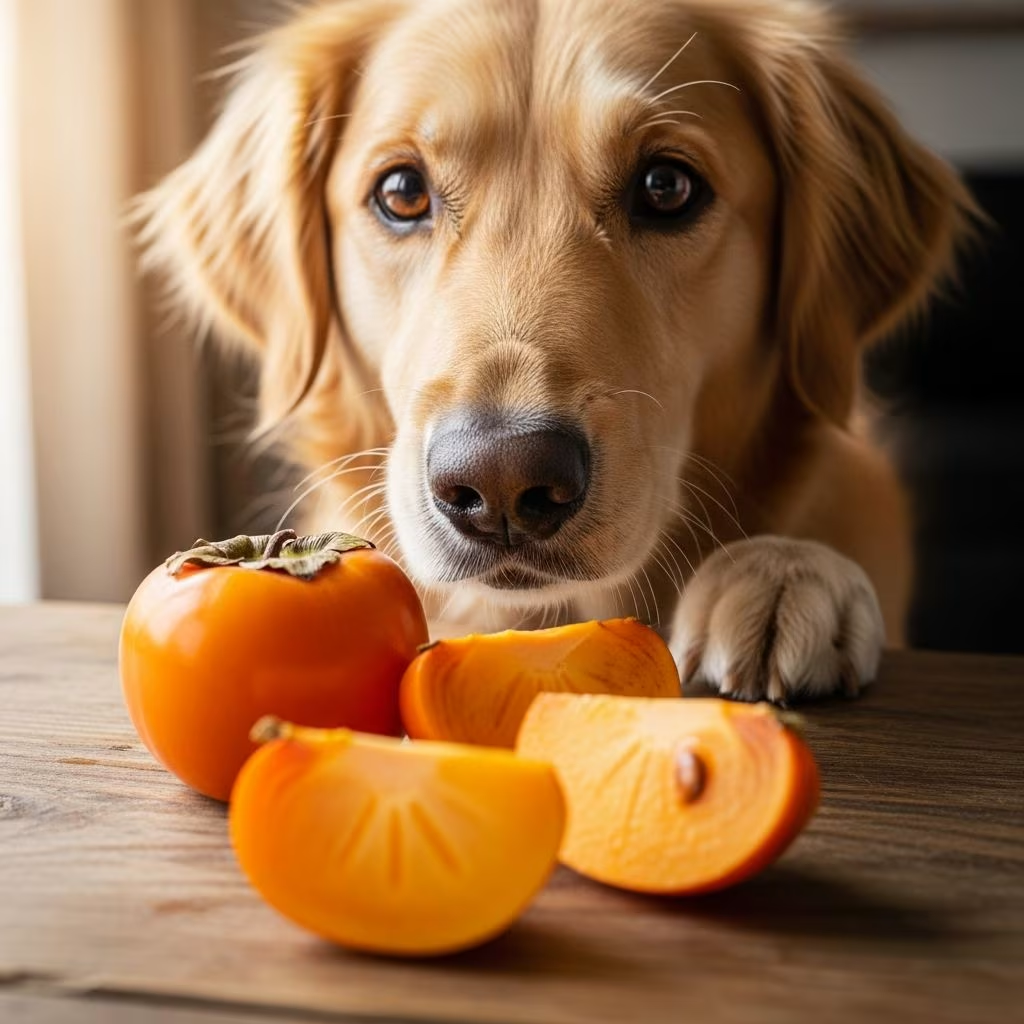
Persimmons, with their sweet, tangy flavor and vibrant orange hue, are a popular fall fruit for humans. But can dogs eat persimmons safely? The short answer is yes, the ripe flesh of persimmons is safe for dogs in moderation, offering nutritional benefits like vitamins, fiber, and antioxidants. However, seeds, pits, skin, and leaves must be strictly avoided due to choking hazards, intestinal blockages, and potential digestive upset. This comprehensive guide covers everything you need to know about feeding persimmons to your dog, including health benefits, risks, preparation tips, and serving guidelines.
What Are Persimmons?
Persimmons are edible fruits from trees in the Diospyros genus, native to China but now grown worldwide. There are two main types relevant to dog owners: Fuyu (non-astringent, crisp like an apple) and Hachiya (astringent, jelly-like when ripe). Ripe persimmons are sweet and rich in nutrients, while unripe ones contain high tannins that cause a dry, puckering sensation in the mouth—something dogs may avoid naturally. Nutritionally, persimmons provide vitamin C, vitamin A, potassium, fiber, and antioxidants like beta-carotene, making them a potentially healthy occasional treat for dogs when properly prepared.
These fruits are low in calories (about 70 per medium fruit) but high in natural sugars, so portion control is essential to prevent weight gain or stomach issues. Unlike toxic fruits like grapes or cherries, persimmons lack harmful compounds for dogs, but preparation is key to safety.
Are Persimmons Safe for Dogs?
Yes, dogs can safely eat the flesh of ripe persimmons, but only after removing seeds, pits, skin, and leaves. The fruit itself is non-toxic and can be a nutritious snack. Multiple veterinary sources confirm that persimmon flesh provides health perks without inherent toxicity. However, improper preparation or overfeeding introduces risks like digestive upset or blockages. Smaller dogs face higher choking risks from seeds, while large breeds may pass them but still risk irritation. Always introduce new foods gradually and consult your vet, especially for puppies, seniors, or dogs with health conditions.
Health Benefits of Persimmons for Dogs
Persimmons offer several science-backed benefits when fed sparingly. Their nutrient profile supports canine health in targeted ways.
- Immune System Boost: Loaded with vitamin C and antioxidants like beta-carotene, persimmons enhance immunity, helping dogs fight infections and oxidative stress.
- Antioxidant Protection: These compounds combat free radicals, potentially reducing cancer risk and inflammation.
- Digestive Health: Soluble fiber promotes regular bowel movements, aids gut health, stabilizes blood sugar, and supports healthy cholesterol levels.
- Heart Health: Potassium content helps regulate blood pressure and lowers cardiovascular disease risk, as supported by studies on mineral intake.
- Vision and Skin Support: Vitamin A from beta-carotene benefits eye health, skin, and coat condition.
These perks make persimmons a better choice than sugary commercial treats, but they should comprise no more than 10% of daily calories.
Nutritional Breakdown of Persimmons
A medium persimmon (168g) provides approximately: 118 calories, 0.3g protein, 31g carbs (including 21g sugars), 6g fiber, 7mg vitamin C (12% DV), 805 IU vitamin A, and 170mg potassium. For dogs, this translates to a low-fat, fiber-rich treat ideal for occasional use.
| Nutrient | Amount per 100g | Benefit for Dogs |
|---|---|---|
| Vitamin C | 7.5mg | Immune support |
| Fiber | 3.6g | Digestion aid |
| Potassium | 161mg | Heart health |
| Antioxidants | High (beta-carotene) | Anti-cancer |
Risks and Dangers of Persimmons for Dogs
While beneficial, persimmons pose risks if not handled correctly.
- Seeds and Pits: Hard seeds can cause choking, intestinal blockage, inflammation, vomiting, constipation, or surgery in severe cases—especially risky for small dogs.
- Skin and Leaves: Tannins in skin cause digestive upset; leaves are toxic and may lead to irritation.
- Overfeeding: High fiber and sugars cause diarrhea, gas, bloating, or laxative effects.
- Unripe Fruit: High tannins lead to mouth irritation and stomach upset.
- Sugar Content: Contributes to obesity or diabetes if excessive.
Rare allergic reactions include itching or swelling—stop feeding and see a vet if observed. Some sources note oxalic acid risks for kidney stones in large amounts, though uncommon.
How to Safely Prepare Persimmons for Dogs
Follow these steps for safe feeding:
- Select Ripe Fruit: Choose soft, orange, non-astringent Fuyu persimmons.
- Wash Thoroughly: Rinse under running water to remove pesticides.
- Remove Skin: Peel to eliminate tannins (optional for some dogs).
- Cut into Pieces: Slice into small, bite-sized chunks to prevent choking.
- Extract Seeds/Pit: Carefully remove all hard parts.
- Serve Fresh: Offer plain, without additives.
Store leftovers in the fridge for up to 3 days. Monitor your dog’s first reaction.
How Much Persimmon Can Dogs Eat?
Moderation is crucial—treats should be <10% of calories. Guidelines:
- Small Dogs (<20lbs): 1-2 small slices, 1-2x/week.
- Medium Dogs (20-50lbs): 1/4 persimmon, 2x/week.
- Large Dogs (>50lbs): 1/2 persimmon, 2-3x/week.
Adjust for activity level and health; overweight dogs get less.
What If My Dog Eats Too Many Persimmons?
Mild cases cause diarrhea or vomiting—fast for 12 hours, offer water, and use probiotics. Severe symptoms (lethargy, blood in stool, pain) require immediate vet care for possible blockage. Induce vomiting only if advised by a pro. Prevention beats cure.
Persimmon Alternatives for Dogs
Safer fruits include:
- Apples (no seeds)
- Blueberries
- Bananas
- Watermelon (no rind/seeds)
- Strawberries
These provide similar benefits with fewer risks.
Frequently Asked Questions (FAQs)
Can dogs eat persimmon skin?
No, skin contains tannins that may upset digestion. Peel it off.
Are persimmon seeds toxic to dogs?
Not toxic, but they cause choking or blockages. Always remove.
Can puppies eat persimmons?
In tiny amounts after 8 weeks, but stick to dog food primarily. Consult vet.
Do persimmons make dogs sick?
Overfeeding does—diarrhea from fiber/sugars. Moderation prevents issues.
Are wild persimmons safe for dogs?
Avoid—may be unripe or pesticide-exposed.
References
- Are Persimmons Safe For Dogs? — Pet First Veterinary Clinic. 2023-2024. https://petfirst.ae/are-persimmons-safe-for-dogs/
- Can Dogs Eat Persimmons? Health Benefits and Considerations — MasterClass. 2023. https://www.masterclass.com/articles/can-dogs-eat-persimmons
- Can My Dog Eat Persimmons? — Rover.com. 2024. https://www.rover.com/blog/can-my-dog-eat-persimmons/
- Can dogs eat persimmons? — Modern Vet. 2024. https://modernvet.com/can-dogs-eat-persimmons/
- Can Dogs Have Persimmons? Vet-Verified Nutrition Facts & FAQ — Dogster. 2025-01-10. https://www.dogster.com/dog-nutrition/can-dogs-have-persimmons
- Can Dogs Eat Persimmons? — NomNomNow. 2024. https://www.nomnomnow.com/learn/article/can-dogs-eat-persimmons



