

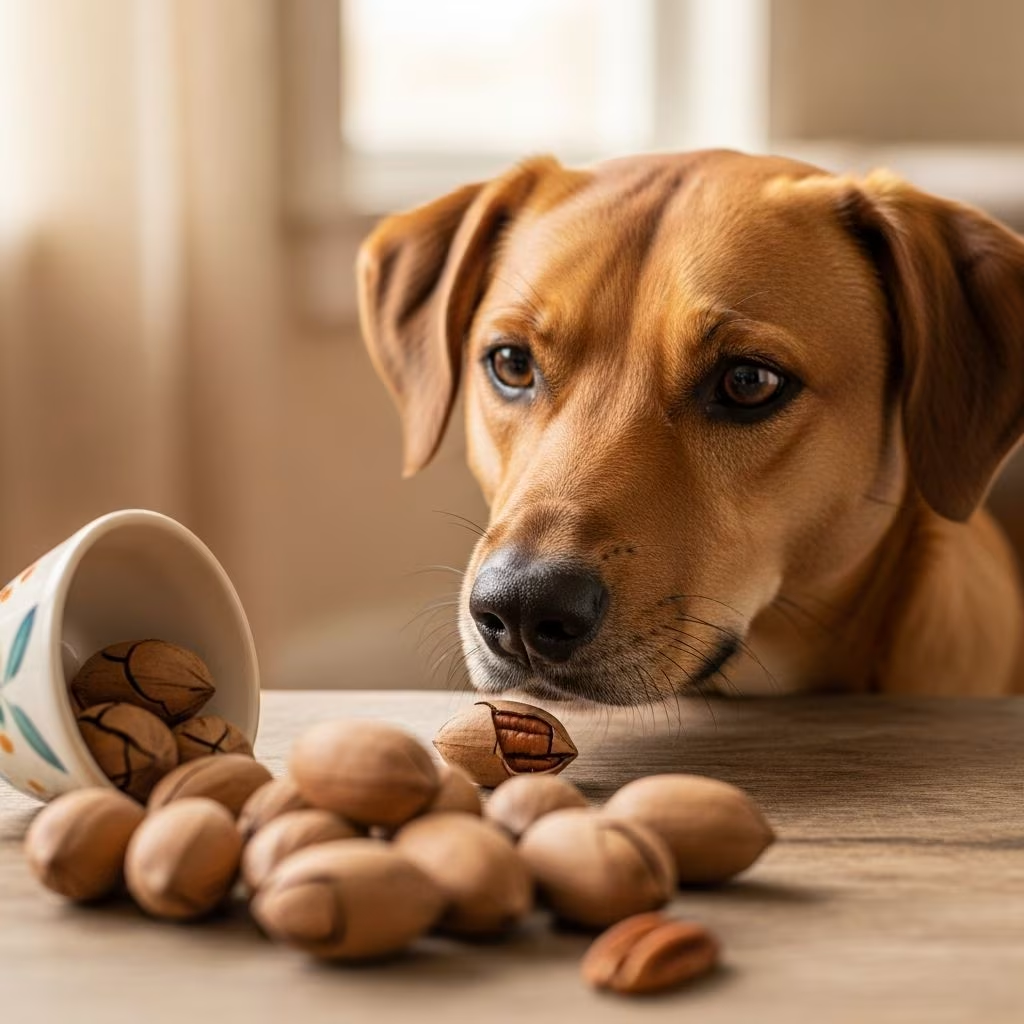
Pecans are a popular human snack, rich in nutrients like potassium, calcium, magnesium, and healthy fats for people. However, they are not safe for dogs. Even small amounts can cause serious health issues due to natural toxins, mold risks, and high fat content. Veterinary experts from the American Kennel Club (AKC) and Pet Poison Helpline strongly advise against feeding pecans to dogs, as they can lead to gastrointestinal distress, neurological problems, and potentially life-threatening conditions like pancreatitis.
This comprehensive guide explores why dogs cannot eat pecans, the specific dangers involved, symptoms of pecan ingestion, what to do if your dog eats them, and healthier treat alternatives. Understanding these risks helps pet owners keep their dogs safe during snack time or holiday gatherings where pecans are common in pies and dishes.
Why Can’t Dogs Eat Pecans?
Dogs lack the digestive enzymes and metabolic processes to safely handle pecans. While not all nuts are equally dangerous, pecans stand out for multiple reasons. Dr. Jerry Klein, Chief Veterinarian for the AKC, notes that pecans contain juglone, a compound also found in black walnuts, which is toxic to dogs and can cause severe vomiting and gastrointestinal upset.
Additionally, pecans are prone to developing harmful molds. The most concerning is Aspergillus, which produces aflatoxins—potent mycotoxins that can trigger aspergillosis, leading to tremors, seizures, and liver damage. Even fresh pecans carry these risks due to their high fat and oil content, which overwhelms a dog’s pancreas.
- Juglone toxicity: Naturally occurring in pecan shells, husks, and kernels; irritates the gut and may cause neurological effects.
- Aflatoxin mold: Common on fallen or stored pecans; as little as one moldy nut can poison a dog.
- High fat (about 70% fat by weight): Leads to vomiting, diarrhea, and pancreatitis.
- Choking hazard: Small size and hard shells pose obstruction risks, especially for puppies.
PetMD emphasizes that while a single plain pecan might not kill a large dog, the cumulative risks make them unworthy of any treat status. Smaller breeds or dogs with pre-existing conditions face amplified dangers.
Nutritional Profile of Pecans: Great for Humans, Risky for Dogs
For humans, pecans offer antioxidants, fiber, and heart-healthy monounsaturated fats. A one-ounce serving (about 19 halves) provides 196 calories, 2g protein, 20g fat, 4g carbs, and key minerals. However, dogs process fats differently. Their shorter digestive tracts can’t break down high-fat foods efficiently, leading to malabsorption and inflammation.
| Nutrient | Per 1 oz Pecans (Human Benefit) | Dog Risk |
|---|---|---|
| Fat | 20g (healthy for people) | Pancreatitis, diarrhea |
| Calories | 196 | Obesity, digestive overload |
| Juglone | Trace toxin | Gut irritation, vomiting |
| Aflatoxins (potential) | N/A | Liver damage, seizures |
Sources like We Feed Raw highlight that pecans’ fat content alone disqualifies them as dog snacks, even without toxins. Dogs thrive on balanced, lower-fat diets tailored to their carnivorous needs.
Symptoms If Your Dog Eats Pecans
Effects can appear within hours or days, depending on quantity and mold presence. Monitor closely for 48-72 hours post-ingestion.
- Mild symptoms: Vomiting, diarrhea, loss of appetite, lethargy.
- Serious signs: Tremors, muscle weakness, lack of coordination, fever, increased thirst/urination, seizures.
- Pancreatitis indicators: Abdominal pain (hunched posture), repeated vomiting, dehydration.
AKC reports neurological issues from mycotoxins, while juglone primarily affects the gut. Puppies, seniors, and small dogs show symptoms faster. If untreated, aflatoxin can cause fatal liver failure.
What to Do If Your Dog Eats Pecans
Don’t wait for symptoms—act immediately. Contact your veterinarian or Pet Poison Helpline at (855) 764-7661. Provide details: number of pecans, dog’s size/weight, time ingested, and any visible mold.
- Assess quantity: One or two plain pecans in a large dog may warrant monitoring; more or moldy ones need urgent care.
- Prevent further access: Remove all pecans and secure counters.
- Vet intervention: May include inducing vomiting (if recent), activated charcoal, IV fluids, anti-nausea meds, or diagnostics like bloodwork.
- Pancreatitis treatment: Hospitalization, pain management, low-fat diet transition.
Early treatment is highly effective, per We Feed Raw. Delaying can escalate to seizures or organ damage.
Are Pecans in Foods Safe for Dogs?
No. Pecan pie, candies, salads, or baked goods amplify dangers with added sugar, butter, chocolate (in some recipes), and corn syrup—all toxic or fattening for dogs. Even ‘plain’ trail mixes often include seasonings like salt or garlic. PetMD warns pecan pie is especially hazardous due to its richness.
- Pecan pie: High sugar/fat = pancreatitis + obesity.
- Seasoned pecans: Salt, spices irritate stomachs.
- Fallen pecans: Highest mold risk from orchards/trees.
Safe Alternative Snacks for Dogs
Opt for low-calorie, dog-approved treats. Always introduce new foods gradually and consult your vet for portion sizes (10% of daily calories max from treats).
- Fruits: Blueberries, strawberries, bananas (small pieces, no seeds).
- Veggies: Pumpkin, zucchini, carrots (plain, steamed).
- Proteins: Eggs (cooked), plain yogurt, sardines, tuna (in water, low-sodium).
- Other: Bone broth, kefir, phytoplankton (vet-approved superfoods).
Commercial treats or kibble pieces are safest. Avoid all nuts, including macadamias (highly toxic) and walnuts.
Frequently Asked Questions (FAQs)
Can dogs have pecans?
No, dogs should not have pecans due to juglone toxin and aflatoxin mold risks. Contact a vet if ingested.
Are pecans bad for dogs?
Yes, pecans are bad for dogs. High fat triggers pancreatitis; toxins cause vomiting and worse.
Are pecans toxic to dogs?
Yes, toxic via juglone and Aspergillus mold aflatoxins, leading to seizures.
Can a dog have pecans?
No, avoid entirely. Even one moldy pecan can harm.
Can dogs eat pecans?
No, due to toxins, fat, and choking risks.
How many pecans are toxic to dogs?
One moldy pecan can be; 1-2 plain may cause upset—don’t risk it.
Are pecans OK for dogs?
No, not safe under any circumstances.
Are pecans harmful to dogs?
Yes, harmful from toxins, mold, and fat content.
Can a dog die from eating pecans?
Unlikely from few plain ones, but large amounts or moldy can cause fatal pancreatitis or liver failure.
This article draws from authoritative veterinary sources to ensure accuracy. Always prioritize professional vet advice for your dog’s health.
References
- Can Dogs Eat Pecan? Risks and Safety Tips — We Feed Raw. 2023. https://wefeedraw.com/blog/can-dogs-eat-pecan
- Can Dogs Eat Pecans? — American Kennel Club (AKC). 2023-05-10. https://www.akc.org/expert-advice/nutrition/can-dogs-eat-pecans/
- Can Dogs Eat Pecans? — PetMD. 2024. https://www.petmd.com/dog/nutrition/can-dogs-eat-pecans
- Are Pecans Safe for Dogs? — Evie’s Snacks. 2023. https://eviessnacks.com/blogs/pecans-101/are-pecans-safe-for-dogs
- Puppies and Pecans — Ellis County Master Gardener Association. 2022. https://txmg.org/ellis/puppies-and-pecans/



