

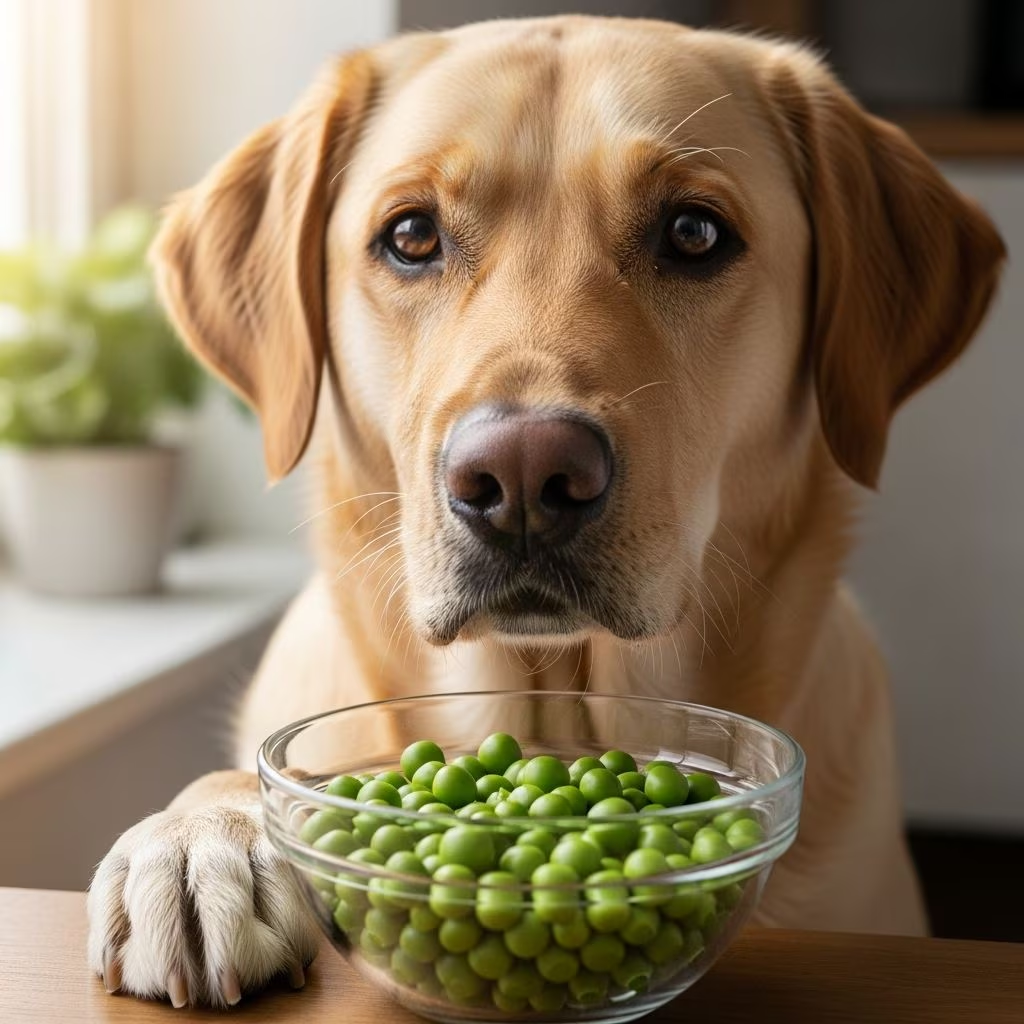
Can Dogs Eat Peas?
Yes, dogs can eat peas in moderation, making them a valuable addition to your pup’s diet when prepared safely. Peas offer essential nutrients, support digestive health, and provide various other benefits. However, it’s important to be aware of potential allergic reactions, follow recommended portion sizes, and introduce new foods gradually. According to veterinary experts, peas are generally a good snack for dogs when fed appropriately and without harmful additives.
Are Peas Good for Dogs?
Peas are generally considered a healthy treat for dogs and offer lots of nutritional value. Despite their small size, peas pack a significant amount of nutrition into their little casings. They contain essential vitamins and minerals that can help support your dog’s immune system, digestion, and overall health.
Nutritional Benefits of Peas
Peas are nutrient-dense vegetables that provide multiple health benefits for your canine companion. The key nutritional components include:
– Essential vitamins such as A, B, C, and K- Minerals including folate, iron, manganese, potassium, thiamin, and zinc- High fiber content for digestive support- Plant-based protein- Antioxidants that help reduce inflammation- Low calorie count
Health Benefits for Your Dog
The nutritional profile of peas translates into several important health benefits for your furry friend:
Improved digestion: The fiber in peas helps regulate your dog’s digestive system, preventing constipation and promoting regular bowel movements. This makes peas an excellent choice for dogs with occasional digestive concerns.
Enhanced immunity: Vitamins and antioxidants found in green peas support your dog’s immune system, helping to fend off illnesses. Think of peas as tiny, green bodyguards for your furry friend, working to keep them healthy and protected.
Weight management support: Because peas are low in calories, they can be an excellent treat option for dogs that need to maintain a healthy weight. They provide nutritional value without excessive caloric intake.
Joint and heart health: The vitamins and minerals in peas support your dog’s cardiovascular system and joint function, contributing to overall mobility and longevity.
Vision and skin support: Vitamins A and other nutrients in peas promote healthy eyesight and maintain your dog’s coat and skin condition.
Are Peas Bad for Dogs?
While peas are generally safe and nutritious, there are certain risks and considerations to keep in mind when feeding peas to your dog. Understanding these potential issues helps you make informed decisions about your pet’s diet.
Potential Risks and Side Effects
Peas can cause digestive issues in some dogs, particularly when fed in excessive quantities. The main concerns include:
Upset stomach: Serving too many peas can cause digestive upset in some dogs, including gas, bloating, and diarrhea. This is why moderation is crucial, especially when introducing peas to your dog’s diet for the first time.
Choking hazard: Small dogs can choke on whole peas, so it’s best to smash or crush the peas before serving them to smaller breeds or dogs who tend to gulp their food.
Purine content: Peas contain purines which can pose a problem for dogs with kidney issues or those prone to gout. If your dog has a renal condition, consult with your veterinarian before adding peas to their diet.
Allergic reactions: Though rare, some dogs may develop allergies to peas. Symptoms of allergic reactions can include itching, skin rashes, vomiting, or diarrhea.
Symptoms to Monitor
When introducing peas to your dog’s diet, watch for the following symptoms:
– Vomiting- Diarrhea- Gas and bloating- Itching or skin irritation- Loss of appetite- Lethargy
If you notice your dog is displaying these signs, it’s recommended to discontinue feeding peas and consult your veterinarian.
Types of Peas Safe for Dogs
Not all peas are created equal when it comes to dog nutrition. Different varieties have varying nutritional profiles and safety considerations. Understanding which types of peas are safest for your dog helps ensure you’re making the best choices.
Green Peas
Green peas are the safest and most common option for dogs. These peas are nutrient-packed, offering a great balance of fiber, vitamins, and minerals, and they’re easy on the digestive system when served in moderate amounts. Green peas can be served fresh or frozen, but always ensure they’re plain without any salt, seasonings, or spices.
Frozen Peas
Frozen peas are an excellent option for dog owners. As long as they’re not seasoned with salt or other harmful ingredients, frozen peas are fine for dogs to eat in small quantities. You can even give your pooch frozen peas right from the freezer as a refreshing treat, though thawing or cooking them will make it easier for them to chew and digest.
Snap Peas
Snap peas are an excellent source of vitamins A and C for dogs. However, because the outer pods may be tough for some dogs to digest, it’s best to serve snap peas cooked or chopped into small pieces to prevent choking hazards and aid digestion.
Snow Peas
Snow peas are another safe variety for dogs. Like other pea varieties, they should be served plain and in moderation to prevent digestive upset.
Black-Eyed Peas
Black-eyed peas are safe for dogs to eat when prepared correctly. They must be thoroughly cooked and served plain without any seasoning, salt, or spices. Never feed your dog undercooked or raw black-eyed peas.
Chickpeas
Chickpeas are a great source of protein, fiber, and other essential nutrients for dogs. Just make sure they’re thoroughly cooked before feeding them to your furry friend, and serve them without any added ingredients.
Peas to Avoid
While many pea varieties are safe, certain preparations should be avoided entirely:
Canned peas: Unfortunately, canned peas are not recommended for dogs because they contain high levels of sodium. Foods high in sodium can lead to dehydration and other health issues. For example, just half a cup of canned peas contains approximately 310 mg of sodium, which is excessive for most dogs. An occasional bite or two of canned peas will probably be fine, but regular helpings from the can may cause long-term problems for your pup.
Seasoned peas: Avoid any peas that have been seasoned with salt, garlic, onion, or other spices, as these can be harmful to your dog’s health.
How Many Peas Can Dogs Eat?
While peas offer dogs plenty of nutritional benefits, it’s essential that these veggies are only fed in moderation. Too many peas can lead to digestive issues such as gas, diarrhea, and general stomach upset.
The 10% Rule
As with any other treats, keep the 10% rule in mind: All treats (including vegetables like peas) should only make up 10% of your dog’s overall daily caloric intake. The other 90% should come from a diet of well-balanced, nutritionally complete dog food formulated for your dog’s life stage and health status.
Portion Guidelines by Dog Size
| Dog Size | Recommended Portion | Frequency |
|---|---|---|
| Small (Under 20 lbs) | 5-10 peas | 2-3 times per week |
| Medium (20-60 lbs) | 10-20 peas | 2-3 times per week |
| Large (Over 60 lbs) | 20-30 peas | 2-3 times per week |
These are general guidelines, so always consult your veterinarian about appropriate portions for your specific dog’s age, health status, and dietary needs.
How to Prepare Peas for Dogs
Proper preparation is crucial for ensuring peas are a safe and healthy treat for your dog. The method you choose depends on the type of peas and your dog’s size and chewing ability.
Fresh Peas
Fresh peas should be rinsed thoroughly and served plain without any added ingredients. You can serve them whole to larger dogs, but mash or crush them for smaller dogs to prevent choking hazards.
Frozen Peas
Frozen peas can be served directly from the freezer as a refreshing treat, though they can be difficult for some dogs to chew. Alternatively, you can thaw them or lightly cook them for easier consumption. Never serve frozen peas with added salt or seasonings.
Cooked Peas
Lightly cooking peas can make them easier for your dog to digest and chew. Boil them in plain water for a few minutes until they’re soft, then cool before serving. Avoid adding salt, butter, or any other seasonings.
Preparation Tips
– Always wash fresh peas before serving- Remove any tough, stringy parts, particularly from snap peas- Mash or crush peas for small dogs to prevent choking- Never add salt, seasonings, or spices- Cool cooked peas to room temperature before serving- Store prepared peas in an airtight container in the refrigerator for up to three days
Introducing Peas to Your Dog’s Diet
When introducing any new food to your dog’s diet, gradual introduction is key to avoiding digestive upset and identifying potential allergies.
Introduction Protocol
Start by offering a very small portion of peas—just a few pieces—mixed with your dog’s regular food. Monitor your dog for any signs of digestive upset over the next 24-48 hours. If your dog tolerates the peas well without any gastrointestinal issues, you can gradually increase the portion size over the next week or two.
Always introduce new foods one at a time so you can easily identify which food causes problems if your dog develops an adverse reaction.
Peas in Commercial Dog Food
Peas are often ingredients in commercial dog food, and they can be a healthy component of a balanced diet. However, there is ongoing research about the role peas may or may not play in contributing to heart disease in dogs, particularly when used as a primary carbohydrate source. Consult with your veterinarian about the appropriateness of pea-based dog foods for your specific dog.
Frequently Asked Questions
Q: Are green peas good for dogs?
A: Yes, green peas are good for dogs as long as they’re fresh or frozen, plain (meaning no salt, seasonings, or spices), and fed in moderation. Avoid canned green peas because they contain added salt.
Q: Can dogs eat black-eyed peas?
A: Yes, dogs can eat black-eyed peas in moderation as long as they’re cooked and free of other ingredients, including salt, seasoning, and spices. Always serve them plain and thoroughly cooked.
Q: Can dogs eat snap peas?
A: Yes, snap peas are safe for dogs, but the tough, stringy parts should be removed before serving. They’re best served cooked or chopped into small pieces to prevent choking and aid digestion.
Q: Are canned peas safe for dogs?
A: No, canned peas should be avoided because they contain high levels of sodium and preservatives. Fresh or frozen peas are much better options for your dog.
Q: What symptoms should I watch for when feeding peas to my dog?
A: Watch for vomiting, diarrhea, gas, bloating, itching, or loss of appetite. If your dog shows any of these signs, discontinue feeding peas and consult your veterinarian.
Q: Can dogs with kidney problems eat peas?
A: Peas contain purines which can be problematic for dogs with kidney issues. If your dog has a renal condition, consult with your veterinarian before adding peas to their diet.
Q: How often can I give my dog peas?
A: Peas should be given as an occasional treat, not a dietary staple. Two to three times per week is a good frequency, following the 10% rule for treats in your dog’s overall caloric intake.
Q: Should I consult my vet before feeding peas to my dog?
A: Yes, it’s always recommended to consult your veterinarian before adding new foods to your dog’s diet, especially if your dog has existing health conditions or dietary restrictions.
References
- Can Dogs Eat Peas? — Chewy Editorial Team. 2024. https://www.chewy.com/education/dog/food-and-nutrition/can-dogs-eat-peas
- Can Dogs Eat Peas? What to Know About this Ingredient — American Kennel Club. 2024. https://www.akc.org/expert-advice/nutrition/can-dogs-eat-peas/
- Can Dogs Eat Peas? — PetMD. 2024. https://www.petmd.com/dog/nutrition/can-dogs-eat-peas
- Can Dogs Eat Green Peas? — Ultimates Pet Food. 2024. https://www.ultimatespetfood.com/can-dogs-eat-green-peas/
- Can Dogs Eat Peas, Black Eyed Peas, And Chickpeas? — PetLab Co. 2024. https://thepetlabco.com/learn/dog/nutrition/peas-for-dogs
- Can My Dog Eat Peas? — Taste of the Wild Pet Food. 2024. https://www.tasteofthewildpetfood.com/articles/can-my-dog-eat-that/peas/



