

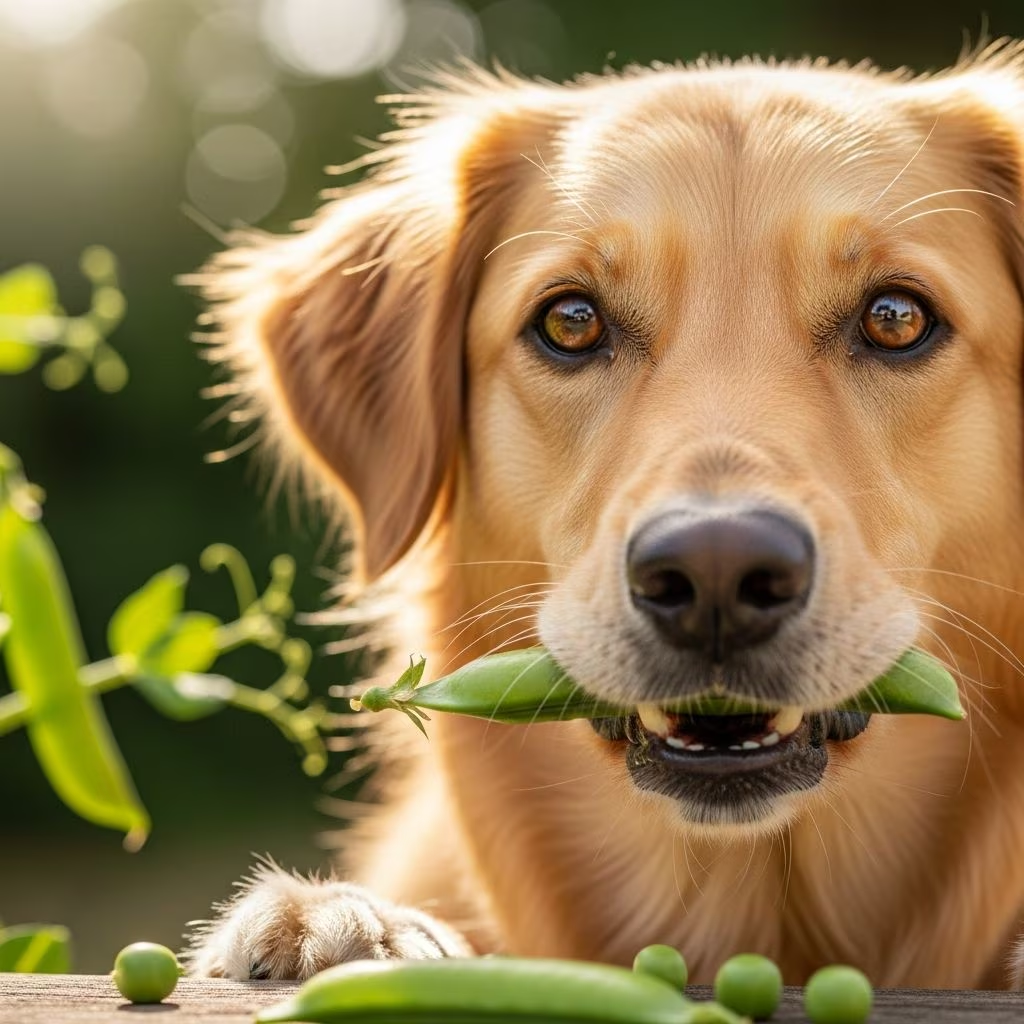
Peas provide a nutrient-rich, low-calorie option that many dogs can enjoy as an occasional treat, delivering vitamins, fiber, and plant-based protein without toxicity concerns.
Nutritional Powerhouse: Why Peas Benefit Canines
These small green pods pack significant health advantages for dogs when included thoughtfully in their diet. Rich in essential nutrients, peas support multiple bodily functions, making them a popular choice beyond just fresh snacks—they appear in many commercial dog foods for their wholesome profile.
- Vitamins Galore: Peas supply vitamins A, B, C, and K, which aid vision, energy metabolism, immunity, and blood clotting.
- Minerals for Vitality: Key elements like iron, potassium, manganese, zinc, and folate bolster oxygen transport, muscle function, bone health, and cell division.
- Fiber for Digestion: Soluble and insoluble fibers promote smooth bowel movements, prevent constipation, and foster gut bacteria balance.
- Plant Protein Boost: Offering a decent amino acid profile, peas contribute to muscle maintenance, especially useful in varied diets.
- Antioxidants Against Aging: Compounds neutralize free radicals, reducing inflammation and supporting long-term wellness.
For overweight dogs, the low-fat, low-calorie nature combined with satiating fiber helps with portion control and reduces between-meal begging, aiding weight management efforts.
Varieties of Peas: Safe Choices for Your Dog
Not all peas suit every pup equally, but several types shine as dog-friendly when prepared correctly. Focus on plain, unseasoned options to maximize safety.
| Pea Type | Safe Preparation | Key Nutrients | Notes |
|---|---|---|---|
| Green Peas | Fresh, frozen, or lightly steamed | Vitamins A/C/K, fiber, iron | Most digestible; ideal starter |
| Snap Peas | Cooked/chopped, strings removed | Vitamins A/C, fiber | Pods may be tough raw |
| Snow Peas | Plain cooked | Vitamins, low calories | Thin pods easier to chew |
| Chickpeas | Thoroughly cooked, plain | Protein, fiber, folate | High protein alternative |
| Black-Eyed Peas | Cooked without seasonings | Protein, iron, fiber | Moderation key |
| Split Peas | Cooked plain | Fiber, B vitamins | Soups okay if unsalted |
Avoid canned varieties due to excess sodium, which risks dehydration and salt toxicity over time. Fresh or frozen plain peas remain top picks for purity.
Health Advantages: From Gut to Joints
Beyond basics, peas target specific wellness areas. Their fiber regulates digestion, easing constipation and stabilizing stools for better comfort. Antioxidants like vitamin C fortify immunity, helping dogs combat infections and oxidative stress.
For joints, anti-inflammatory properties may ease age-related stiffness, while protein supports lean muscle in active breeds. In obesity cases, studies note potential insulin benefits when peas replace higher-carb sources. Overall, they enhance vitality without calorie overload.
Potential Drawbacks and Precautions
While beneficial, peas aren’t risk-free for all dogs. Overfeeding leads to gas, bloating, or diarrhea from excess fiber—stick to treats comprising no more than 10% of daily calories.
- Allergies: Rare, but watch for itching, vomiting, or ear issues upon introduction.
- Kidney Concerns: Purines may elevate uric acid, risky for stone-prone or renal-impaired dogs.
- Heart Diet Links: High legume intake in grain-free foods correlates with dilated cardiomyopathy in some studies, though causation unclear and peas alone not implicated.
- Choking Hazard: Whole peas suit larger dogs; smaller breeds need mashing.
Pea protein, common in kibble, proves safe in balance but shouldn’t dominate over animal sources for complete nutrition.
Portion Guidelines by Dog Size
Tailor amounts to prevent overload. Use this as a daily max for plain, cooked peas alongside balanced kibble.
| Dog Size | Weight Range | Max Daily Peas | Example Breeds |
|---|---|---|---|
| Small | Up to 20 lbs | 1 tsp | Chihuahua, Yorkie |
| Medium | 21-50 lbs | 1-2 tsp | Beagle, Cocker Spaniel |
| Large | 51-90 lbs | 1-2 Tbsp | Labrador, German Shepherd |
| Extra Large | Over 90 lbs | 3 Tbsp | Great Dane, Mastiff |
Adjust for activity, age, and health; puppies and seniors may need less. Always prioritize vet-formulated food for 90% of intake.
How to Prepare and Serve Peas to Dogs
Simplicity ensures safety. Steam or boil briefly to soften without nutrient loss—raw frozen peas work as chewy treats for dental perks.
- Choose fresh/frozen over canned.
- Wash thoroughly.
- Cook lightly; mash for small jaws.
- Serve plain—no butter, salt, or garlic.
- Introduce gradually over days.
- Store extras refrigerated up to 3 days.
Mix into meals as toppers for appeal, enhancing picky eaters’ interest without upsetting balance.
FAQs: Common Questions on Peas for Dogs
Are frozen peas okay for dogs?
Yes, plain frozen peas serve as safe, cooling treats; thaw or cook for easier digestion.
Can puppies eat peas?
In small amounts after weaning, yes—but consult a vet for age-appropriate nutrition.
Do peas cause gas in dogs?
Possible with excess; start slow to build tolerance.
Are peas in dog food safe?
Typically yes in moderation; avoid if primary protein source amid heart health concerns.
Black-eyed peas for dogs?
Safe cooked and plain, providing protein punch.
Integrating Peas into a Balanced Canine Diet
View peas as enhancers, not staples. Pair with high-quality protein-rich kibble meeting AAFCO standards. For grain-free diets, monitor taurine levels via vet checks given legume research. Active dogs gain from peas’ carbs for energy, while sedentary ones appreciate weight control aid.
Homemade toppers blend peas with carrots or lean meats for variety. Track weight, stool quality, and energy post-introduction—adjust as needed. Annual bloodwork catches imbalances early.
Owners report shinier coats and firmer stools with occasional peas, underscoring their role in holistic care. Yet, individuality rules: breeds like Dalmatians (uric acid sensitive) warrant extra caution.
References
- Can Dogs Eat Green Peas? — Ultimate’s Pet Food. 2023. https://www.ultimatespetfood.com/can-dogs-eat-green-peas/
- Can Dogs Eat Peas? — Now Fresh. 2024. https://nowfresh.com/en-us/blog/can-dogs-eat-peas
- Can Dogs Eat Peas? What Every Dog Owner Should Know — My Woof. 2023. https://mywoof.com/blogs/articles/can-dogs-eat-peas-what-every-dog-owner-should-know
- Can Dogs Eat Peas? — Chewy. 2024. https://www.chewy.com/education/dog/food-and-nutrition/can-dogs-eat-peas
- Can Dogs Eat Peas? — PetMD. 2025-02-10. https://www.petmd.com/dog/nutrition/can-dogs-eat-peas
- Can My Dog Eat Peas? — Taste of the Wild Pet Food. 2023. https://www.tasteofthewildpetfood.com/articles/can-my-dog-eat-that/peas/
- Can Dogs Eat Peas? — American Kennel Club. 2024. https://www.akc.org/expert-advice/nutrition/can-dogs-eat-peas/



