

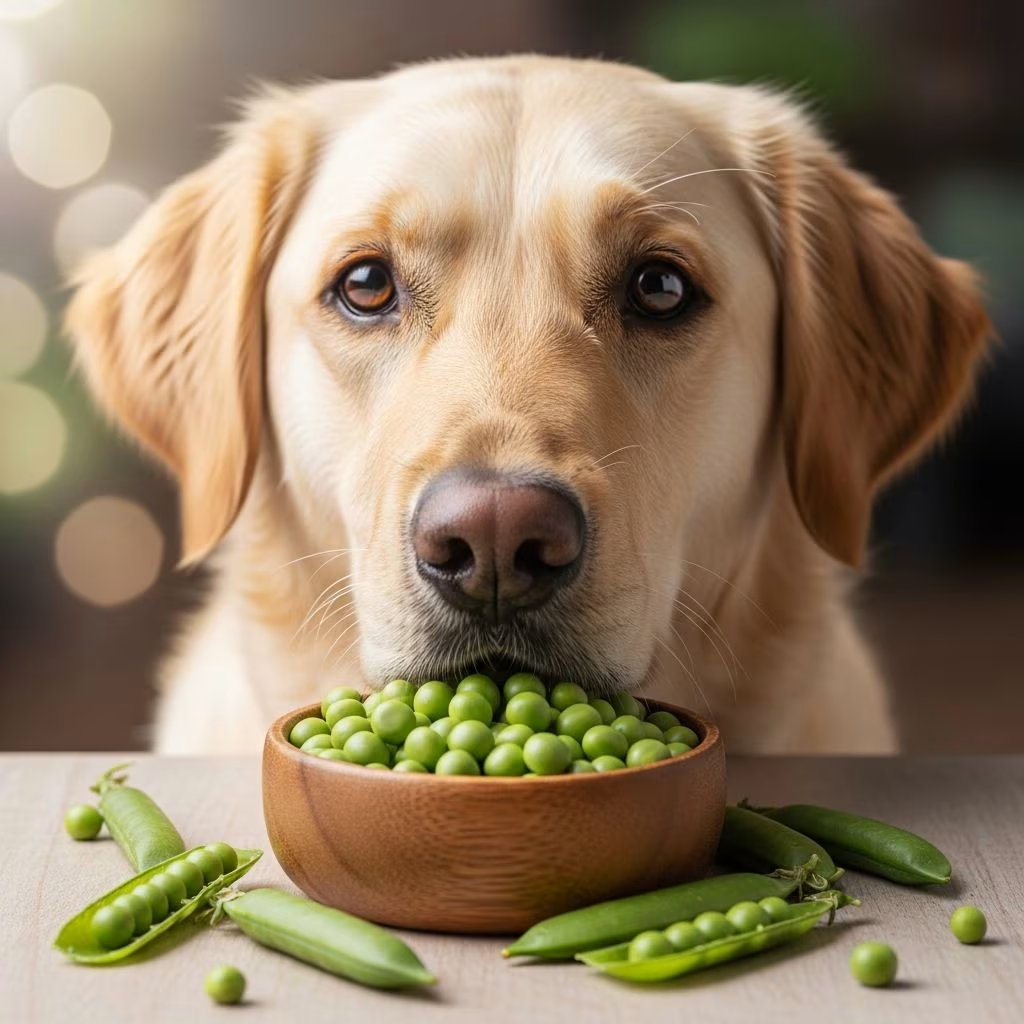
Yes, dogs can eat peas, and they are generally considered a healthy and nutritious treat when prepared and served correctly. Peas are not toxic or poisonous to dogs and offer numerous health benefits, though they should be fed in moderation as part of a balanced diet. Understanding how to safely incorporate peas into your dog’s diet is essential to maximize their nutritional value while minimizing potential risks.
Are Peas Good for Dogs? Nutritional Benefits
Peas are nutrient-dense vegetables that pack significant nutritional value into small packages. These tiny legumes offer multiple health benefits when included appropriately in your dog’s diet:
Key Nutritional Components
Peas contain essential vitamins and minerals that support overall canine health. Fresh or frozen peas provide:
- Vitamins: Vitamins A, B complex (including thiamin), C, and K support immune function, vision, and blood health.
- Minerals: Iron, zinc, potassium, manganese, and folate contribute to energy metabolism and bone health.
- Protein: Peas are a good plant-based protein source, providing amino acids necessary for muscle development and maintenance.
- Fiber: High fiber content supports digestive health and regular bowel movements.
- Antioxidants: These compounds help reduce inflammation and support immune function as dogs age.
A single serving of peas provides nearly the entire daily portion of amino acids a dog needs, making them a remarkably efficient nutritional source.
Specific Health Benefits
When fed appropriately, peas contribute to several important aspects of canine health:
Improved Digestion: The fiber in peas helps regulate your dog’s digestive system, preventing constipation and promoting regular bowel movements. This makes them particularly beneficial for dogs with minor digestive irregularities.
Enhanced Immunity: Vitamins and antioxidants found in green peas support your dog’s immune system, helping to fend off illnesses. These protective compounds act as tiny bodyguards for your dog’s health.
Weight Management: Peas are low in calories, making them excellent as light treats or supplemental foods for dogs that need weight management. They provide nutritional satisfaction without excessive caloric intake.
Joint Health and Anti-inflammatory Benefits: The antioxidants in peas may help reduce inflammation, supporting joint health and overall wellness as your dog ages.
Blood Sugar Regulation: Research suggests that if peas are the primary source of carbohydrates in an obese dog’s diet, the dog’s insulin levels might be lowered, potentially supporting metabolic health.
Types of Peas: Which Are Safe for Dogs?
Not all peas are created equal when it comes to canine consumption. Understanding which varieties are safe helps you make informed feeding decisions:
Safe Pea Varieties for Dogs
| Pea Type | Safety Status | Preparation Notes |
|---|---|---|
| Green Peas | Safest Option | Fresh or frozen, plain, unseasoned. Most nutrient-packed and easy to digest. |
| Frozen Peas | Safe | No added salt or seasonings. Can serve directly from freezer or cooked. |
| Canned Peas | Not Recommended | High sodium content poses health risks. Avoid regular feeding. |
| Snap Peas | Safe | Cook or chop into small pieces to aid digestion, as pods may be tough. |
| Snow Peas | Safe | Remove tough stringy parts before serving. |
| Black-Eyed Peas | Safe | Must be thoroughly cooked and plain, without seasoning. |
| Chickpeas | Safe | Excellent protein source; must be cooked plain. |
According to veterinary experts, green peas are the safest and most common option for dogs. These peas are nutrient-packed, offering a great balance of fiber, vitamins, and minerals, and they’re easy on the digestive system when served in moderate amounts.
Potential Risks and Safety Considerations
While peas are generally safe, pet owners should be aware of potential risks and take appropriate precautions:
Digestive Upset
Serving too many peas can cause digestive upset in some dogs, including gas, diarrhea, or vomiting. This is particularly true when introducing peas for the first time or feeding excessive quantities. Start with small amounts and monitor your dog’s response.
Choking Hazard
Small dogs and puppies can choke on whole peas. It’s best to smash or mash whole peas before serving them to smaller breeds to ensure safe consumption.
Kidney Issues and Purines
Peas contain purines, which can pose a problem for dogs with kidney issues or those predisposed to kidney disease. If your dog has a renal condition, consult with your veterinarian before introducing peas to their diet.
Sodium Content in Canned Peas
Canned peas contain excessive amounts of sodium, which can lead to dehydration and other health issues. Fresh or frozen options are always preferable to canned varieties. While an occasional bite of canned peas may be harmless, regular feeding is not recommended.
Dietary Balance
Peas should not replace a balanced, complete diet tailored for dogs. They are treats and supplements, not primary food sources.
How to Prepare Peas for Your Dog
Proper preparation is essential to maximize safety and nutritional benefits:
Best Preparation Methods
- Fresh Peas: Serve plain and unseasoned. Remove any pods if offering snap peas or snow peas, as the pods may be difficult to digest.
- Frozen Peas: Can be served directly from the freezer as a refreshing treat or lightly cooked. Ensure no added salt or seasonings.
- Cooked Peas: Boiling or steaming plain peas makes them easier to chew and digest, particularly for smaller dogs and puppies.
- Mashed or Chopped: For small dogs or those with dental issues, mashing or chopping peas reduces choking risk.
What to Avoid
- Never serve peas with salt, seasonings, garlic, onions, or spices
- Avoid canned peas due to high sodium content
- Don’t serve peas in their pods if they’re difficult for your dog to digest
- Refrain from using peas as a complete meal replacement
Recommended Portion Sizes
Following the 10% rule is essential: all treats, including vegetables like peas, should make up only 10% of your dog’s overall daily calories, with the remaining 90% coming from well-balanced dog food.
Daily Pea Guidelines by Dog Size
- Small dogs (up to 25 pounds): 1 teaspoon to 1 tablespoon of cooked, plain peas per day
- Medium dogs (26–50 pounds): 1 tablespoon of cooked, plain peas per day
- Large dogs (51–90 pounds): 1–2 tablespoons of cooked, plain peas per day
- Extra-large dogs (over 90 pounds): 3 tablespoons or less of cooked, plain peas per day
These are general guidelines. Always consult your veterinarian before making significant changes to your dog’s diet, especially if your dog has existing health conditions.
Introducing Peas to Your Dog’s Diet
When introducing any new food, including peas, follow these steps:
- Start Small: Offer a tiny amount initially to gauge your dog’s reaction.
- Monitor for Reactions: Watch for signs of digestive upset, allergic reactions, or other adverse effects over the next 24–48 hours.
- Gradual Increase: If your dog tolerates peas well, gradually increase the amount to the recommended portion size.
- Consult Your Vet: Before adding peas or any new food to your dog’s diet, discuss it with your veterinarian to ensure they suit your dog’s specific health needs.
Current Research and Pea Safety
One common concern among dog owners involves the connection between peas and heart disease in dogs. Recent research indicates no direct link between peas and heart problems in dogs. While peas are often ingredients in commercial dog food and ongoing research continues to evaluate their role in canine nutrition, there is no scientific evidence suggesting peas are harmful to canine heart health when fed appropriately.
Peas as Dog Food Ingredients
Peas are popular ingredients in commercial dog food due to their nutritional profile. However, it’s important to note that pea protein should not serve as the primary or sole source of protein in a dog’s diet. While peas provide valuable nutrients, they should be part of a complete and balanced diet that includes high-quality animal proteins.
Frequently Asked Questions
Q: Can all dogs eat peas without restrictions?
A: Most dogs can eat peas, but those with kidney disease or renal conditions should avoid them due to their purine content. Always consult your vet before introducing peas to dogs with existing health conditions.
Q: Are frozen peas better than fresh peas for dogs?
A: Both frozen and fresh peas are equally nutritious when plain and unseasoned. Choose whichever is most convenient, as long as they contain no added salt or seasonings.
Q: Can peas cause allergies in dogs?
A: While pea allergies are relatively uncommon, they can occur. When introducing peas, monitor for allergic reactions and discontinue feeding if you notice any adverse symptoms.
Q: Is pea protein safe in commercial dog foods?
A: Pea protein in commercial dog food is not inherently harmful, but it should not be the primary protein source. Look for foods with adequate animal-based proteins alongside pea ingredients.
Q: How do I know if my dog has eaten too many peas?
A: Signs of overeating include digestive upset, diarrhea, vomiting, or gas. If you observe these symptoms, discontinue peas and consult your veterinarian.
Q: Can puppies eat peas?
A: Yes, puppies can eat peas, but serve them in appropriately small quantities. Mash or chop peas to prevent choking, and introduce them gradually after consulting your veterinarian.
Conclusion
Peas can be a healthy and tasty addition to your dog’s diet when served correctly in appropriate quantities. Fresh or frozen, unseasoned peas provide a range of beneficial nutrients, including fiber, protein, and essential vitamins that support your dog’s overall health. Remember to follow portion guidelines, introduce peas gradually, and consult your veterinarian before making dietary changes. By following these recommendations, you can safely incorporate this nutritious vegetable into your dog’s feeding routine.
References
- Can Dogs Eat Green Peas? — Ultimates Pet Food. 2024. https://www.ultimatespetfood.com/can-dogs-eat-green-peas/
- Can Dogs Eat Peas? — Chewy. 2024. https://www.chewy.com/education/dog/food-and-nutrition/can-dogs-eat-peas
- Can Dogs Eat Peas, Black Eyed Peas, And Chickpeas? — PetLab Co. 2024. https://thepetlabco.com/learn/dog/nutrition/peas-for-dogs
- Can Dogs Eat Peas? — PetMD. 2024. https://www.petmd.com/dog/nutrition/can-dogs-eat-peas
- Can My Dog Eat Peas? — Taste of the Wild Pet Food. 2024. https://www.tasteofthewildpetfood.com/articles/can-my-dog-eat-that/peas/
- Can Dogs Eat Peas? — American Kennel Club. 2024. https://www.akc.org/expert-advice/nutrition/can-dogs-eat-peas/
- Pea Protein in Dog Food — Whole Dog Journal. 2024. https://www.whole-dog-journal.com/food/are-peas-bad-in-dog-food/



