

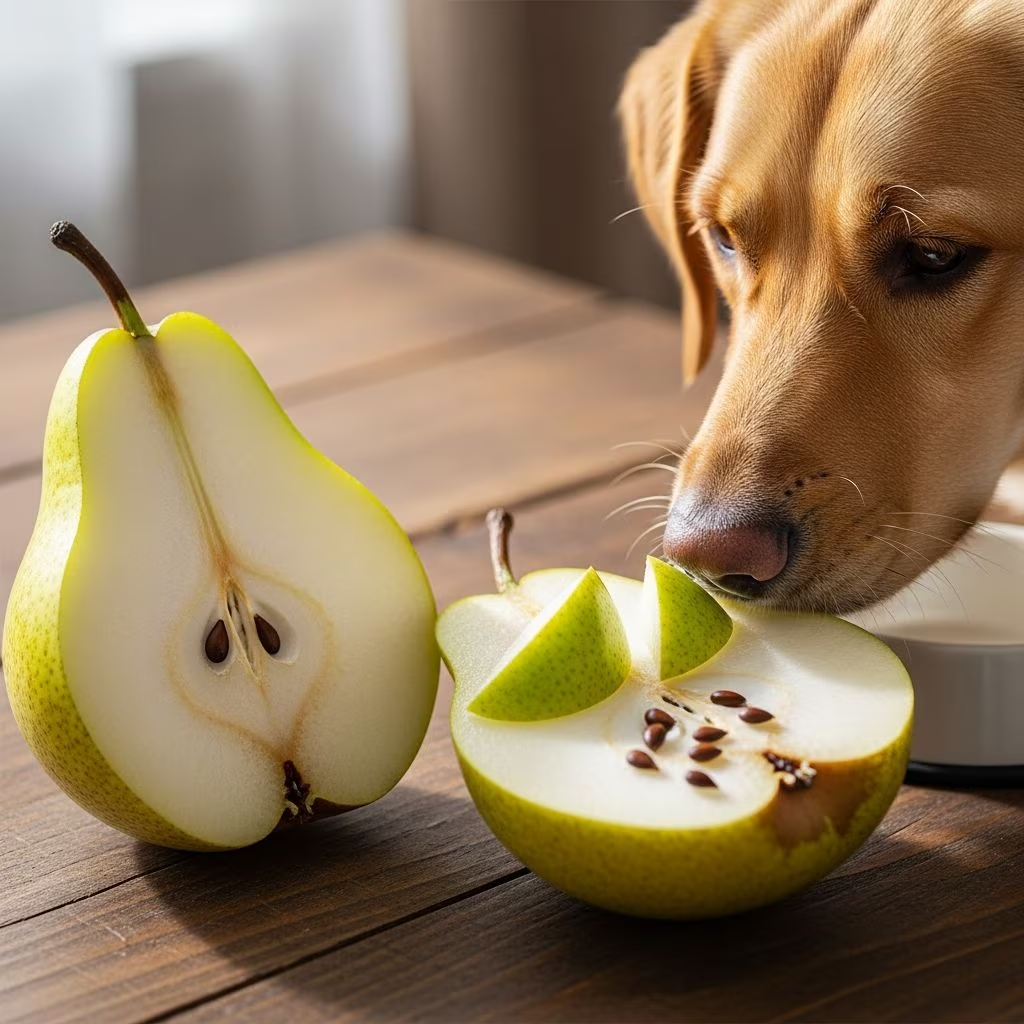
Pears are a delicious and nutritious fruit enjoyed by many people, and if you’re a dog owner, you might wonder whether your canine companion can safely enjoy them too. The good news is that yes, dogs can eat pears safely when prepared and served correctly. However, like many human foods, there are important precautions and guidelines you should follow to ensure your dog’s health and safety.
Are Pears Safe for Dogs?
Pears are generally safe for dogs when given in moderation. The fruit itself contains beneficial nutrients and poses no inherent toxicity risk to canines. However, certain parts of the pear—specifically the seeds, core, and stems—require careful attention and should be completely removed before offering any pear to your dog.
The key to safely feeding pears to your dog is understanding what parts are safe and what parts should be avoided entirely. With proper preparation, pears can become a healthy and enjoyable treat for your furry friend.
Nutritional Benefits of Pears for Dogs
Pears are packed with essential vitamins, minerals, and nutrients that can provide meaningful health benefits for your dog when served appropriately. Understanding these nutritional components can help you appreciate why pears make such a good occasional treat.
Key Nutrients Found in Pears
- Vitamin C: An antioxidant that supports and strengthens the immune system, helping your dog fight off illness and infections.
- Vitamin K: Essential for proper blood clotting and maintaining strong, healthy bones and skeletal structure.
- Vitamin A: Supports eye health and vision, contributing to overall canine wellness.
- Fiber: Aids in digestion and helps regulate healthy bowel movements, supporting gastrointestinal function.
- Potassium: Vital for supporting heart health and proper muscle function throughout the body.
- Copper: Important for red blood cell production and maintaining healthy nerve cells.
- Antioxidants: Including anthocyanins, lutein, and zeaxanthin, these compounds help protect cells from oxidative damage.
- High Water Content: Pears consist mostly of water, which can help keep your dog hydrated, especially during hot weather.
Health Benefits for Your Dog
When incorporated into your dog’s diet appropriately, pears offer several health advantages:
- Immune System Support: The antioxidants and vitamin C in pears help strengthen your dog’s immune response and overall health resilience.
- Digestive Health: The fiber content aids digestion and can help prevent constipation, promoting regular and healthy bowel function.
- Bone Health: Vitamin K plays a crucial role in maintaining strong bones and overall skeletal integrity.
- Hydration: The high water content makes pears a hydrating snack, particularly beneficial on warm days.
- Energy Boost: Natural sugars in pears provide an energy lift for active dogs.
Important Safety Considerations
While pears offer nutritional benefits, dog owners must be aware of specific risks associated with this fruit. Understanding and addressing these concerns ensures your dog can safely enjoy pears without adverse effects.
Pear Seeds and Cyanide Risk
The most significant concern with pears involves the seeds and core. Pear seeds and cores contain a naturally occurring compound called amygdalin, which can react with stomach enzymes to release cyanide—a toxic poison. However, it’s important to contextualize this risk: a single stray seed is unlikely to cause harm, but large quantities of seeds or cores should be completely avoided.
To protect your dog, always remove the entire core and all seeds before offering any pear. This should be a non-negotiable part of your preparation routine. Additionally, remove the stem and leaves, which also contain trace amounts of this compound.
Sugar Content and Weight Management
Pears contain natural sugars, which can lead to weight gain and other health complications if your dog consumes excessive amounts. This concern is especially important for dogs with pre-existing conditions such as diabetes or those prone to obesity. Overconsumption can also contribute to blood sugar spikes in susceptible dogs.
To prevent these issues, serve pears only as an occasional treat. Veterinarians recommend keeping total treat intake to no more than 10% of your dog’s daily caloric intake. This guideline applies to pears and all other treats combined.
Digestive Sensitivity
Pears are high in fiber, which while beneficial for digestion, can cause gastrointestinal upset if your dog isn’t accustomed to the fruit. If your dog has never eaten pears before, introduce them slowly and in small quantities, observing for any signs of discomfort such as vomiting, diarrhea, or constipation. Always consult your veterinarian if you notice digestive issues.
Choking Hazard
Large pieces of pear can pose a choking risk, particularly for smaller dogs or puppies. Always chop pears into small, bite-sized pieces before serving. This precaution is especially important with firmer pear varieties like Asian pears, which remain hard even when ripe and could present a higher choking risk.
Special Pear Varieties: What You Should Know
Not all pears are created equal. Different varieties have different characteristics that affect their suitability for dogs.
Asian Pears
Yes, dogs can eat Asian pears. These pears are high in fiber, vitamins, and antioxidants, making them a nutritious option. However, Asian pears have much firmer flesh than other varieties, remaining hard even when fully ripe. This firmness increases the choking risk, so cut them into small pieces before offering to your dog.
Cactus Pears
Yes, dogs can eat cactus pears in moderation. These unusual fruits are high in fiber and can support healthy digestion. Serve them only as an occasional treat.
D’Anjou Pears
Like other pear varieties, d’Anjou pears have firm flesh that requires careful cutting into small pieces to prevent choking hazards.
Bartlett and Comice Pears
These softer pear varieties are generally easier to serve and present lower choking risks than firmer varieties, though you should still cut them into appropriate portions.
What to Avoid: Canned and Processed Pears
Dogs should not eat canned pears. Canned pears are typically stored in syrup or heavy fruit juice, which contains dangerously high levels of added sugar. This excessive sugar can irritate your dog’s digestive tract, cause upset stomach, and contribute to obesity and tooth decay. The same applies to dried pears or any pear product with added sugars or preservatives.
Always choose fresh, ripe pears from your produce section when selecting this treat for your dog.
Can Dogs Eat Pear Skin?
Yes, dogs can eat pear skin. The skin is actually high in fiber and contains many of the pear’s beneficial nutrients. However, thoroughly wash the pear before serving to remove any pesticides or chemical residues. When possible, choose organic pears to minimize exposure to potentially harmful chemicals.
Fresh vs. Unripe Pears
Always feed your dog ripe pears only. Unripe pears may cause stomach upset and digestive discomfort. If you’re unsure whether a pear is ripe, wait for it to soften slightly before offering it to your dog. Fresh pears from a tree are acceptable as long as they are fully ripe, not spoiled, and have been thoroughly washed to remove the core and seeds.
Special Dietary Considerations
Dogs with Diabetes
Dogs with diabetes should avoid pears due to their natural sugar content and the risk of blood sugar spikes. Always consult your veterinarian before introducing any new foods to a diabetic dog’s diet.
Dogs Prone to Weight Gain
Overweight dogs or breeds prone to obesity should have limited pear consumption due to their sugar content. Work with your veterinarian to determine appropriate treat portions for your dog’s specific weight management needs.
Dogs with Allergies
While rare, some dogs may develop an allergic reaction to pears. Signs of a pear allergy include itching, swelling of the mouth or throat, and gastrointestinal upset. If you notice any of these symptoms after serving pears, discontinue immediately and contact your veterinarian.
How to Safely Prepare and Serve Pears
- Select a fresh, ripe pear from your produce section or tree.
- Wash the pear thoroughly under running water to remove any pesticide residue.
- Cut the pear in half and completely remove the core and all seeds.
- Remove the stem and any leaves.
- Cut the remaining flesh into small, bite-sized pieces appropriate for your dog’s size.
- Serve the pear pieces fresh—do not cook or add any seasonings.
- Monitor your dog for any signs of digestive upset.
Portion Guidelines
Moderation is essential when feeding pears to your dog. Remember that treats should constitute no more than 10% of your dog’s total daily caloric intake. For most dogs, this means offering only a few small pieces of pear occasionally, not regularly. Start with very small portions to assess your dog’s tolerance, especially if they have never eaten pears before.
Frequently Asked Questions About Dogs and Pears
Q: Can dogs eat pear stems and leaves?
A: No, pear stems and leaves should be removed along with seeds and the core, as they contain trace amounts of amygdalin that can release cyanide.
Q: What should I do if my dog accidentally eats pear seeds?
A: A single stray seed is unlikely to cause harm. However, if your dog consumes multiple seeds or the entire core, contact your veterinarian immediately for guidance.
Q: How often can I give my dog pears?
A: Pears should be an occasional treat, not a regular part of your dog’s diet. Once or twice per week is appropriate for most dogs, but always ensure treats don’t exceed 10% of daily caloric intake.
Q: Are pears better than other fruits for dogs?
A: Pears offer unique nutritional benefits, but other dog-safe fruits like apples (without seeds), blueberries, and watermelon are also healthy options. Variety is beneficial.
Q: Can puppies eat pears?
A: Puppies can eat pears in very small amounts, but their developing digestive systems may be more sensitive. Introduce pears slowly and watch carefully for any digestive upset.
Q: Can senior dogs eat pears?
A: Yes, senior dogs can eat pears, but those with dental issues may need pears cut into smaller pieces to prevent choking and ease chewing.
Q: Are pears good for a dog’s breath or dental health?
A: While some fruits support overall health, pears are not specifically known to improve dental health. The sugar content actually makes dental hygiene important—brush your dog’s teeth regularly.
Bottom Line: Can Dogs Eat Pears?
Yes, dogs can safely enjoy pears as an occasional, nutritious treat when you take proper precautions. The key to success is removing all seeds, cores, stems, and leaves; selecting fresh, ripe pears only; cutting them into small pieces; and serving them in moderation. The vitamins, minerals, fiber, and antioxidants in pears can provide genuine health benefits for your dog when incorporated into a balanced diet responsibly.
By following the guidelines outlined in this article and consulting your veterinarian about any specific health concerns, you can confidently share this healthy fruit with your beloved canine companion. Remember that while pears are nutritious, they should never replace a complete and balanced commercial or veterinary-approved diet.
References
- Can Dogs Eat Pears Safely? — Four Leaf Rover. Retrieved 2026-01-14. https://fourleafrover.com/blogs/natural-health/can-dogs-eat-pears
- Can Dogs Eat Pears? Nutritional Benefits and Feeding Tips — ZIWI Pets. Retrieved 2026-01-14. https://us.ziwipets.com/blogs/digestive-health/can-dogs-eat-pears
- Can Dogs Eat Pears? — The Farmer’s Dog. Retrieved 2026-01-14. https://www.thefarmersdog.com/digest/are-pears-good-for-dogs/
- Are Pears Safe for Dogs? — Impact Dog Crates. Retrieved 2026-01-14. https://www.impactdogcrates.com/blogs/puppy-news/are-pears-safe-for-dogs
- Can Dogs Eat Pears? — PetLab Co. Retrieved 2026-01-14. https://thepetlabco.com/learn/dog/nutrition/pears-for-dogs
- Can Dogs Eat Pears? — American Kennel Club. Retrieved 2026-01-14. https://www.akc.org/expert-advice/nutrition/can-dogs-eat-pears/
- Can Dogs Eat Pears? A Guide to Safety — Purina US. Retrieved 2026-01-14. https://www.purina.com/articles/dog/feeding/can-dogs-eat/pears
- Can Dogs Eat Pears? What To Know — MetLife Pet Insurance. Retrieved 2026-01-14. https://www.metlifepetinsurance.com/blog/pet-health/can-dogs-eat-pears/



