

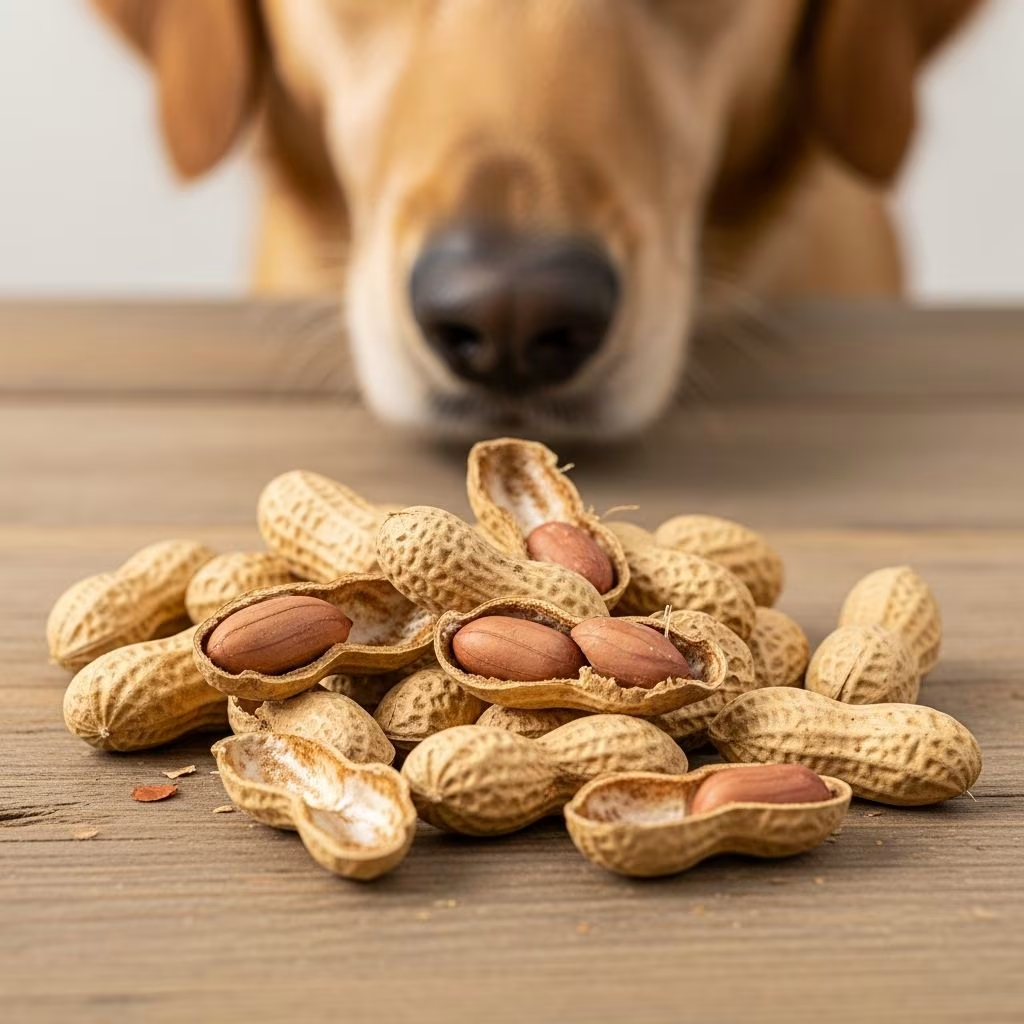
Peanut shells are not toxic to dogs, but they present significant health risks due to their tough, fibrous texture that can lead to choking or intestinal blockages. While plain peanuts themselves can be an occasional treat, shells should always be removed before offering any to your pet.
Understanding Peanut Shells and Canine Digestion
Dogs lack the dental structure and digestive enzymes to efficiently break down the rigid, indigestible fibers in peanut shells. These shells, often discarded by humans, may seem harmless but can splinter into sharp pieces or form compacted masses in a dog’s gut, leading to serious complications. Veterinary experts emphasize monitoring pets closely if accidental ingestion occurs, as symptoms may not appear immediately.
Health Dangers of Peanut Shells for Dogs
The primary concerns with peanut shells revolve around physical and digestive hazards:
- Choking Hazard: Whole or large shell fragments can lodge in the throat, especially in smaller breeds prone to gulping food.
- Intestinal Blockage: Fibrous material resists breakdown, potentially causing obstructions that require surgical intervention.
- Irritation and Injury: Sharp edges may scrape the digestive tract, resulting in inflammation, pain, or bleeding.
- Secondary Infections: Blockages can lead to bacterial overgrowth or perforation if untreated.
If your dog consumes shells, observe for signs like persistent vomiting, lethargy, abdominal distension, or absence of bowel movements for over 24 hours. Immediate veterinary consultation is crucial in these cases.
Safe Types of Peanuts for Dogs
Not all peanuts are equal when it comes to canine consumption. Focus on unsalted, unseasoned, shelled varieties to minimize risks. Here’s a breakdown:
| Peanut Variety | Safe for Dogs? | Notes |
|---|---|---|
| Runner | Yes | Most common; ensure shelled and plain. |
| Spanish | Yes | Smaller size; avoid any coatings. |
| Valencia | Yes, shelled | Often sold unshelled; remove hulls. |
| Virginia | Yes, shelled | Large kernels; high fat content, use sparingly. |
Dry-roasted peanuts without additives are preferable over raw ones, as roasting reduces the risk of aflatoxin—a fungal toxin produced in humid conditions that can harm the liver.
Portion Control and Caloric Guidelines
Peanuts are calorie-dense, with about 57 kcal per 10 grams, making them unsuitable as a staple. Limit treats to 10% of daily caloric intake. For example:
- Extra-small dogs (2-20 lbs): 1-2 peanuts or ¼ tbsp peanut butter max daily.
- Small dogs (21-30 lbs): 3-5 peanuts occasionally.
- Larger breeds: Adjust proportionally, consulting a vet for precision.
Overfeeding contributes to obesity, pancreatitis, or exacerbated joint issues in predisposed dogs.
Common Peanut Products to Avoid
Many human peanut snacks contain harmful additives:
- Salted or Flavored Peanuts: Excess sodium disrupts electrolytes and gut health.
- Honey-Roasted or Candied: High sugar promotes diabetes and dental problems.
- Boiled Peanuts: Typically seasoned heavily and include shells, doubling risks.
- Peanut Butter with Xylitol: This artificial sweetener causes rapid insulin release, hypoglycemia, and liver failure.
- Processed Snacks: Items like peanut brittle, trail mix, or crackers add fats, sugars, and toxins like chocolate or nutmeg.
Always scrutinize labels and opt for dog-specific peanut butter brands without xylitol, salt, or sugar.
Nutritional Profile of Peanuts for Dogs
Peanuts offer protein, healthy fats (monounsaturated), and trace vitamins like E and B-complex, but these benefits are negligible in treat-sized portions. They lack substantial fiber or antioxidants compared to dog-approved fruits and veggies. High fat content (about 49g per 100g) necessitates moderation, particularly for seniors or overweight pets.
Recognizing Allergic Reactions and Digestive Upset
Though rare, peanut allergies manifest as itching, hives, ear infections, or gastrointestinal distress. Introduce new foods gradually and watch for:
- Vomiting or diarrhea within hours.
- Skin hot spots or excessive scratching.
- Respiratory issues like sneezing or wheezing.
Dogs with pancreatitis history or fat-sensitive conditions should avoid peanuts entirely. Consult your veterinarian for personalized advice.
What to Do If Your Dog Eats Peanut Shells
Don’t panic—many dogs pass small amounts without issue. Steps include:
- Remove access to more shells immediately.
- Monitor stool for 48 hours; fragments may appear intact.
- Withhold food for 12 hours, then offer bland diet (boiled rice/chicken).
- Contact vet if symptoms like bloody stool, severe pain, or dehydration occur.
Diagnostic tools like X-rays may be needed for suspected blockages.
Healthier Alternatives to Peanut Treats
Swap peanuts for low-calorie, nutrient-rich options:
- Carrots or Green Beans: Crunchy, low-fat, high-fiber.
- Apples (no seeds): Hydrating with vitamins.
- Blueberries: Antioxidants for immune support.
- Pumpkin Puree: Aids digestion without excess fat.
- Commercial Treats: Vet-formulated for balanced nutrition.
These provide satisfaction without the risks associated with peanuts.
Expert Insights on Canine Nutrition
Board-certified veterinary nutritionists like Dr. Sean Delaney stress that treats should enhance, not dominate, a dog’s diet. Peanuts fit as novelty items but never as health boosters. Prioritize complete, AAFCO-approved kibble or fresh foods tailored to life stage and activity level.
Frequently Asked Questions
Are raw peanuts safe for dogs?
Raw peanuts carry aflatoxin risk; choose dry-roasted and shelled for safety.
Can puppies eat peanuts?
Avoid in puppies under 6 months due to developing digestive systems and choking risks.
Is crunchy peanut butter okay?
Yes, if xylitol-free; bits are small enough not to choke most dogs.
What if my dog ate a lot of shells?
Seek emergency vet care promptly to prevent life-threatening blockages.
Do peanuts cause constipation or diarrhea?
High fat may loosen stools; fiber in shells could constipate if not fully digested.
Preventing Accidental Ingestion
Store peanuts in airtight containers out of reach. Educate family members on shell disposal, and use puzzle toys with safe fillers to redirect chewing instincts. Regular training reinforces ‘leave it’ commands effectively.
References
- Can Dogs Eat Peanuts & Peanut Shells? — Rover.com. 2023. https://www.rover.com/blog/can-dog-eat-peanut-shells/
- Can Dogs Eat Peanuts? — PetMD. 2024-01-15. https://www.petmd.com/dog/nutrition/can-dogs-eat-peanuts
- Can My Dog Eat Peanut Shells? — Rover.com UK. 2023. https://www.rover.com/uk/blog/can-dogs-eat-peanut-shells/
- Peanut Allergy in Dogs — VCA Animal Hospitals. 2022-05-10. https://vcahospitals.com/know-your-pet/peanut-allergy-in-dogs
- Aflatoxicosis in Animals — Merck Veterinary Manual. 2025. https://www.merckvetmanual.com/toxicology/mycotoxicoses/aflatoxicosis-in-animals



