

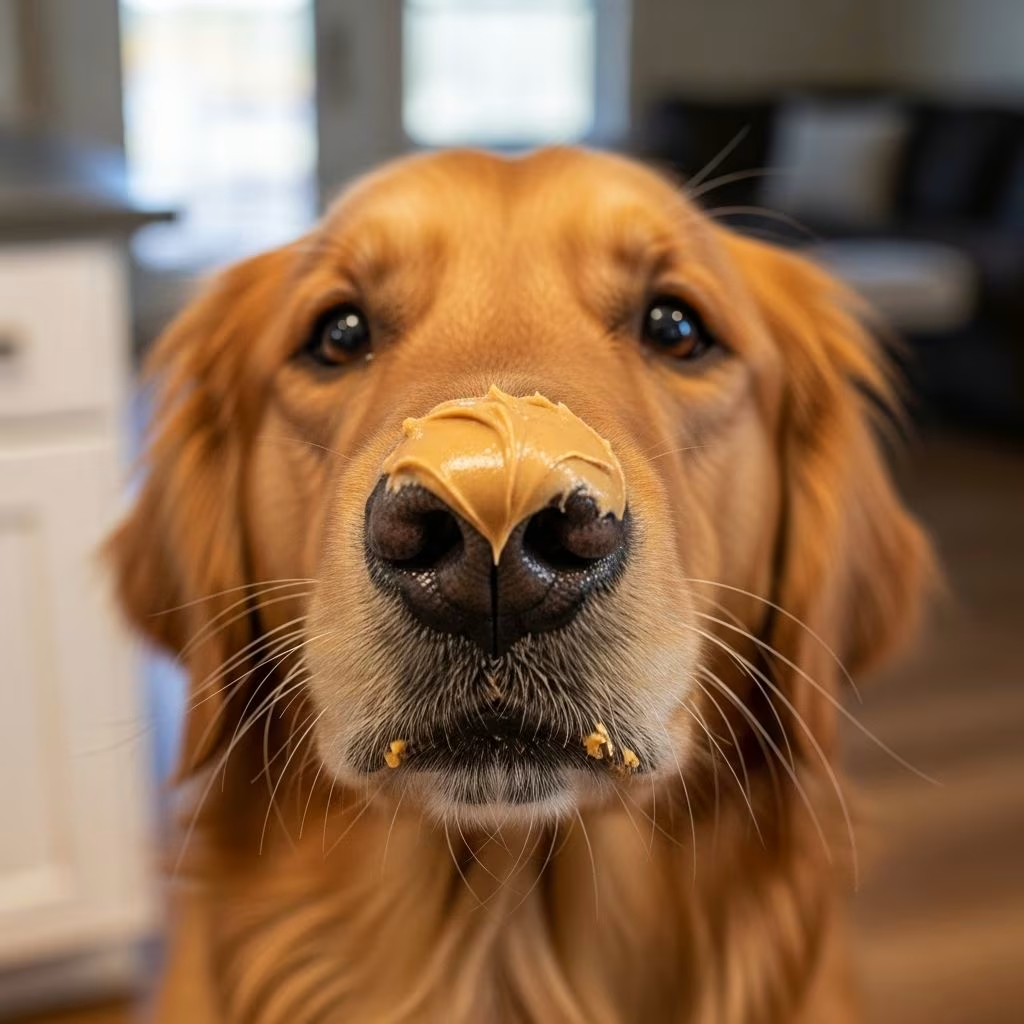
Can Dogs Eat Peanut Butter?
Many dog owners wonder whether their furry companions can enjoy peanut butter, especially when they see those excited eyes staring at the jar. The straightforward answer is yes—dogs can eat peanut butter in moderation, and it can be a nutritious treat when chosen carefully. However, not all peanut butter is created equal, and understanding what makes certain varieties safe or unsafe is essential for responsible pet ownership.
Nutritional Benefits of Peanut Butter for Dogs
When selected properly, peanut butter can be an excellent nutritional addition to your dog’s diet. Natural peanut butter is rich in several beneficial nutrients that support canine health. It contains high-quality protein, which aids in muscle development and maintenance, making it particularly useful for active dogs or those in training. Additionally, peanut butter provides healthy fats, specifically monounsaturated fats, that contribute to a glossy coat and healthy skin.
Beyond protein and healthy fats, peanut butter offers important vitamins and minerals. It contains vitamins B and E, which support energy metabolism and immune function respectively. Niacin, another B vitamin found in peanut butter, plays a crucial role in converting food into energy and maintaining nervous system health. These nutrients make peanut butter a nutrient-dense treat when given appropriately.
The Danger of Xylitol: A Critical Warning
The most important consideration when selecting peanut butter for your dog is the presence of xylitol, an artificial sweetener that is extremely toxic to canines. Xylitol is often used in sugar-free or low-carb peanut butter products marketed for human consumption, and even small amounts can be life-threatening to dogs. This sweetener is frequently found in products labeled as “sugar-free” or “diabetic-friendly,” making label reading absolutely essential.
When a dog ingests xylitol, it causes a rapid release of insulin, leading to severe hypoglycemia (dangerously low blood sugar levels). Symptoms of xylitol toxicity include vomiting, loss of coordination, seizures, and in severe cases, liver failure and death. If your dog accidentally consumes peanut butter containing xylitol, contact your veterinarian immediately—this is not a situation to wait and see.
Types of Peanut Butter: Which Are Safe?
Natural and Unsalted Peanut Butter
The safest option for your dog is natural peanut butter that contains minimal ingredients—ideally just peanuts and perhaps a small amount of salt. Natural varieties lack the added sugars, hydrogenated oils, and artificial sweeteners found in many commercial brands. Unsalted peanut butter is particularly preferable since high sodium levels can be problematic for dogs, especially those with kidney issues or hypertension.
Dog-Specific Peanut Butter
Some manufacturers now produce peanut butter specifically formulated for dogs. These products are crafted with canine nutrition in mind and are guaranteed to be free from xylitol and other harmful additives. While these options may be more expensive than regular peanut butter, they eliminate guesswork about ingredients.
Homemade Peanut Butter
Making your own peanut butter at home gives you complete control over ingredients. Simply blend roasted peanuts (unsalted) until they reach a creamy consistency. Homemade versions contain no added sugar, salt, or artificial preservatives, making them an excellent choice for health-conscious pet owners.
Types to Avoid
Never give your dog peanut butter that contains xylitol, which is the primary dangerous ingredient. Additionally, avoid peanut butter and jelly combinations, as the jelly contains excessive sugar that can cause upset stomachs in dogs. Highly salted varieties and those with added sugars should also be limited or avoided, particularly for dogs with specific health conditions.
Is Peanut Butter Healthy for Dogs?
When given appropriately, peanut butter can be a healthy part of your dog’s treat rotation. The protein and healthy fats support muscle maintenance and coat health, while the vitamins provide nutritional benefits. However, peanut butter should complement, not replace, a complete and balanced diet formulated to meet all your dog’s nutritional requirements.
Peanut butter also serves practical purposes beyond nutrition. It can be smeared inside Kong toys to keep dogs mentally stimulated and occupied, used as a vehicle for administering medications, or employed as a high-value training reward for dogs learning new commands.
Potential Health Risks and Concerns
High Fat Content
Peanut butter is calorie-dense, with most of those calories coming from fat. Overfeeding peanut butter can contribute to weight gain and obesity in dogs, particularly when it exceeds the recommended 10% of daily caloric intake from treats. For dogs already overweight or on restricted-diet programs, peanut butter should be given sparingly or avoided entirely.
Pancreatitis Risk
Dogs prone to pancreatitis—a condition where the pancreas becomes inflamed and struggles to process dietary fats—should avoid high-fat treats like peanut butter. Even small servings may trigger a flare-up or discomfort in these dogs. If your dog has a history of pancreatitis or sensitive digestion, consult your veterinarian before offering peanut butter.
Digestive Issues
Excessive peanut butter consumption can lead to upset stomach, manifesting as vomiting or diarrhea. Some dogs may have sensitivity to peanuts themselves, though true peanut allergies in dogs are relatively uncommon. Introduce peanut butter slowly and monitor your dog for any adverse reactions.
Salt and Sodium Concerns
Dogs with kidney problems require low-sodium diets, and many commercial peanut butter brands contain significant salt levels. Always choose unsalted or low-salt varieties if your dog has kidney issues or hypertension.
Recommended Serving Sizes and Guidelines
The amount of peanut butter appropriate for your dog depends on their size and daily caloric needs. A general rule of thumb is that treats should constitute no more than 10% of your dog’s daily caloric intake to prevent nutritional imbalance. For most dogs, this translates to approximately one teaspoon per day for small breeds and one tablespoon for larger dogs. Always consult your veterinarian for personalized serving recommendations based on your specific dog’s health status and dietary requirements.
Dogs That Shouldn’t Eat Peanut Butter
Certain dogs should avoid peanut butter entirely or consume it only under veterinary supervision:
- Overweight dogs: Those requiring weight management should avoid high-fat treats like peanut butter. Leaner alternatives for training include chicken, ham, and tuna.
- Dogs with pancreatitis: The high fat content can trigger or worsen this painful condition.
- Dogs with kidney problems: Many peanut butter varieties contain excessive salt, which is problematic for canine renal health.
- Dogs on special diets: Those with food sensitivities or prescribed therapeutic diets should maintain consistency with their veterinarian-recommended nutrition plan.
- Dogs with GI sensitivities: Puppies or dogs with sensitive digestive systems should be introduced to peanut butter gradually or avoided entirely.
Smooth vs. Crunchy Peanut Butter
Both smooth and crunchy peanut butter are generally safe for dogs, provided they contain natural ingredients and no xylitol. The texture preference depends on individual dogs and choking risk considerations. Small dogs or those who gulp food without chewing should stick with smooth varieties to minimize choking risk. Crunchy peanut butter offers no significant nutritional advantage over smooth versions, so texture choice can be based on your dog’s eating habits and preferences.
Puppies and Peanut Butter
Puppies can enjoy peanut butter in moderation, though introduction should be gradual and cautious. Begin with tiny amounts and observe for signs of digestive sensitivity. Puppies with known food sensitivities or those on specialized diets should avoid peanut butter until they mature. Always choose natural, xylitol-free varieties and consult your veterinarian if your puppy experiences adverse reactions or has special dietary needs.
How to Safely Give Your Dog Peanut Butter
Reading Labels Carefully
Before purchasing any peanut butter, examine the ingredient list thoroughly. Look for products with minimal ingredients—ideally just peanuts and perhaps salt. Specifically check that xylitol is not listed, even if the product is labeled “natural” or “sugar-free.” Many products that appear healthy contain hidden harmful ingredients.
Creative Serving Ideas
Peanut butter can be served in various ways to maximize enrichment and prevent boredom. Spread it inside Kong toys and freeze for extended chewing satisfaction. Mix small amounts with your dog’s regular food as a tasty enhancer. Use it as a high-value training reward during obedience sessions. Some dogs enjoy peanut butter licked from a spoon, though supervise this to prevent over-consumption.
Storage Considerations
Store natural peanut butter in the refrigerator after opening, as it lacks the preservatives found in conventional varieties. Always keep peanut butter secured and out of your dog’s unsupervised reach to prevent accidental overconsumption.
Peanut Butter Alternatives for Restricted Dogs
If your dog cannot eat peanut butter due to health restrictions, several nutritious alternatives exist. Plain cooked chicken breast provides lean protein without excess fat. Plain cooked turkey offers similar benefits. For lower-calorie options, consider green beans or carrots, which many dogs enjoy. Always discuss treat alternatives with your veterinarian to ensure they fit your dog’s dietary requirements.
Frequently Asked Questions
Q: Can dogs eat peanut butter every day?
A: Peanut butter should be given as an occasional treat, not a daily food. The 10% rule for treats applies—never let peanut butter constitute more than 10% of daily caloric intake. Most dogs benefit from peanut butter given just a few times per week or less frequently.
Q: What should I do if my dog eats peanut butter with xylitol?
A: Contact your veterinarian immediately or call an animal poison control center. Provide information about the amount consumed and the product name. Xylitol toxicity requires urgent veterinary intervention, and time is critical.
Q: Is peanut butter good for a dog’s coat?
A: Yes, the healthy fats in natural peanut butter contribute to a glossy coat and healthy skin when given appropriately. However, a complete and balanced diet formulated for coat health is the foundation—peanut butter serves as a supplementary boost.
Q: Can I give my dog peanut butter as a meal replacement?
A: No, peanut butter should never replace meals or regular dog food. While nutritious as a treat, it doesn’t provide complete and balanced nutrition dogs require. Maintain your dog’s regular feeding schedule and use peanut butter only as an occasional supplement.
Q: How can I tell if my dog has a peanut allergy?
A: Signs of peanut sensitivity include itching, skin rashes, vomiting, diarrhea, or facial swelling after consumption. If you suspect your dog has a peanut allergy, discontinue peanut butter and consult your veterinarian for testing and confirmation.
Q: Is organic peanut butter safer for dogs?
A: Organic peanut butter may have fewer pesticides, but the critical factor is avoiding xylitol and excessive additives. Always read labels regardless of organic labeling, as harmful ingredients can appear in any product type.
Q: Can senior dogs eat peanut butter?
A: Senior dogs can enjoy peanut butter in moderation if they have no underlying health conditions like pancreatitis, kidney disease, or obesity. Given that senior dogs often have more health complications, consult your veterinarian before introducing peanut butter.
References
- Can Dogs Eat Peanut Butter? — American Kennel Club (AKC). 2024. https://www.akc.org/expert-advice/nutrition/can-dogs-eat-peanut-butter/
- Can Dogs Eat Peanut Butter? — PetMD. 2024. https://www.petmd.com/dog/nutrition/can-dogs-eat-peanut-butter
- Can Dogs Eat Peanut Butter? Serving Size & Safety Tips — Spot and Tango. 2024. https://www.spotandtango.com/blog/can-dogs-eat-peanut-butter
- Can Dogs Eat Peanut Butter? — Blue Cross. 2024. https://www.bluecross.org.uk/advice/dog/food-and-weight/can-dogs-eat-peanut-butter
- Can Dogs Eat Peanut Butter? — Big Spoon Roasters. 2024. https://bigspoonroasters.com/blogs/blog/can-dogs-eat-peanut-butter
- Peanut Butter and Dogs: Expert Insights — National Peanut Board. 2024. https://nationalpeanutboard.org/news/can-peanut-butter-kill-your-dog-an-expert-weighs-in-for-national-dog-day/
- Safe Peanut Butter for Dogs: A Guide to Choosing the Right Option — International Centre for Veterinary Services. 2024. https://icwvh.com/safe-peanut-butter-for-dogs-a-guide-to-choosing-the-right-option/



