

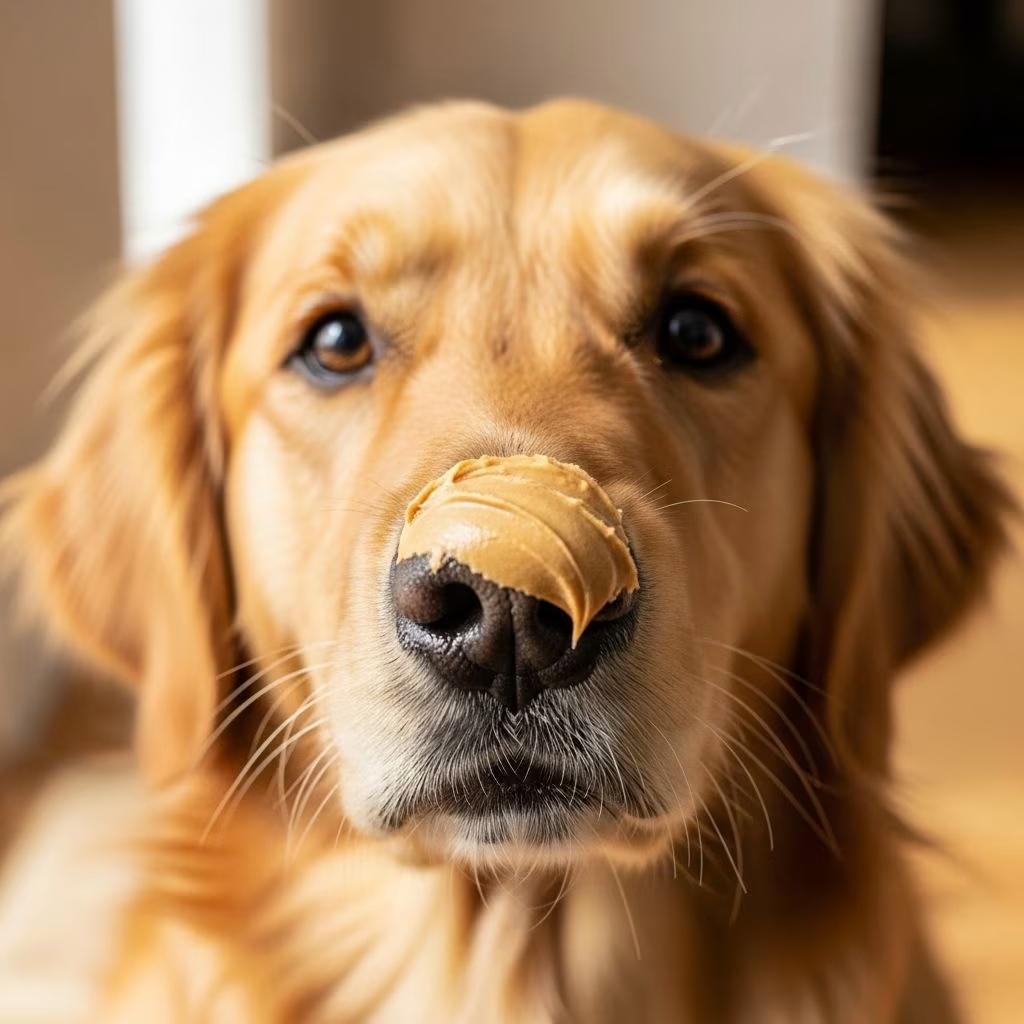
Peanut butter ranks among the most beloved treats for dogs, thanks to its rich flavor and sticky texture that keeps them entertained. When chosen correctly, it serves as a nutritious addition to their diet, delivering protein and healthy fats. However, not every jar from the pantry is suitable, as certain additives pose serious risks. This comprehensive guide breaks down everything dog owners need to know about sharing this snack safely.
Understanding Peanut Butter Safety for Canines
Dogs can indeed consume peanut butter, provided it meets specific criteria. Opt for varieties made solely from peanuts or with minimal natural ingredients, free from harmful extras. The primary concern revolves around **xylitol**, a sugar substitute lurking in some low-sugar or sugar-free products, which triggers rapid insulin release in dogs, potentially causing hypoglycemia, seizures, or even death.
Beyond xylitol, watch for excessive salt, sugar, or hydrogenated oils that strain a dog’s system. Natural, unsalted options provide the best bet, supporting heart health and energy without unnecessary burdens. Veterinary sources emphasize label scrutiny: if ingredients like xylitol appear, discard immediately.
- **Safe Ingredients:** Peanuts, sometimes a touch of salt (low amounts).
- **Dangerous Additives:** Xylitol, high-fructose corn syrup, artificial flavors.
- **Ideal Choices:** Organic or dog-formulated peanut butters.
Nutritional Advantages of Peanut Butter for Dogs
Beyond delighting taste buds, quality peanut butter offers tangible health boosts. It packs **protein** for muscle repair, **monounsaturated fats** akin to those in olive oil for skin and coat shine, plus **vitamins B and E** aiding nerve function and antioxidant protection. Niacin contributes to metabolism, making it a smart occasional supplement.
Studies from pet nutrition experts highlight how these elements enhance overall vitality when treats stay under 10% of daily caloric intake. For active dogs, it fuels endurance; for seniors, it supports joint lubrication indirectly through better mobility from enjoyment.
| Nutrient | Benefit for Dogs | Daily Contribution (1 tsp) |
|---|---|---|
| Protein | Muscle maintenance | ~4g |
| Healthy Fats | Coat health, energy | ~8g |
| Vitamin E | Antioxidant support | 2mg |
| Niacin | Metabolic aid | 4mg |
This table illustrates approximate values from natural peanut butter, underscoring its value as a treat rather than staple.
Recommended Serving Sizes by Dog Breed and Size
Moderation defines safe indulgence due to peanut butter’s density—about 90-100 calories per tablespoon. Overdoing it risks obesity, digestive woes, or pancreatitis from fat overload.
Tailor amounts to your dog’s profile:
- Toy Breeds (under 10 lbs): 1/4 to 1/2 teaspoon, 1-2 times weekly.
- Small Breeds (10-25 lbs): 1/2 to 1 teaspoon, sparingly.
- Medium Breeds (25-50 lbs): 1-2 teaspoons, occasional.
- Large/Giant Breeds (50+ lbs): 1-2 tablespoons, monitored.
Adjust for age, activity, and health: puppies get tiny introductions post-weaning; overweight dogs skip it. Integrate into a balanced diet where treats comprise no more than 10% calories.
Potential Health Risks and Warning Signs
While beneficial in limits, peanut butter carries pitfalls. High fat content burdens pancreases prone to inflammation, leading to vomiting, lethargy, or severe pain. Caloric surplus promotes weight gain, straining joints and hearts.
Allergies affect a minority, manifesting as itching, ear infections, or GI distress. Watch post-consumption for:
- Vomiting or diarrhea within hours.
- Excessive lip licking or drooling.
- Lethargy, tremors (xylitol emergency).
- Skin rashes or swelling.
Seek vet care for any adverse reactions; early intervention prevents escalation.
Dogs That Should Steer Clear Entirely
Not all pups suit this treat. Avoid if your dog has:
- Pancreatitis History: Fat triggers flare-ups.
- Obesity or Diabetes: Calories and carbs disrupt management.
- Kidney Issues: Salt exacerbates.
- Known Nut Allergies: Rare but serious.
- Sensitive Stomachs: Opt for vet-approved alternatives.
Consult professionals before trials, especially on prescription diets.
Creative Ways to Serve Peanut Butter to Your Dog
Elevate peanut butter beyond spoon-licks with engaging methods boosting mental stimulation.
- Kong Stuffing: Freeze dollops inside toys for prolonged play.
- Training Rewards: Smear thin layers on lick mats for commands.
- Medication Hide: Encapsulate pills seamlessly.
- Bake Mix-Ins: Blend into dog biscuits (xylitol-free).
- Frozen Yogurt Blend: Mix with plain yogurt for cooling snacks.
These tactics enhance enrichment, curbing boredom and aiding training efficacy.
Puppy Considerations and Homemade Recipes
Puppies tolerate peanut butter post-weaning, starting minuscule to test tolerance. Their developing systems handle fats less efficiently, so prioritize natural sources.
DIY peanut butter ensures control: blend roasted peanuts until smooth. Add a dash of honey or pumpkin for flavor (dog-safe). Store refrigerated up to two weeks, offering freshness sans preservatives.
Frequently Asked Questions
Is all peanut butter toxic to dogs?
No, only those with xylitol or excess additives. Natural peanut-only versions are fine in moderation.
How do I know if my dog is allergic?
Monitor for hives, vomiting, or breathing issues post-exposure. Allergy tests via vets confirm.
Can I give peanut butter daily?
Not recommended; limit to 1-2 times weekly to avoid calorie overload.
What if my dog eats xylitol peanut butter?
Rush to vet—symptoms onset fast. Induce vomiting only under guidance.
Are there peanut butter alternatives?
Yes: pumpkin puree, sweet potato, or commercial low-fat treats.
Expert Tips for Long-Term Treat Success
Vets advocate treats as relationship builders, not fillers. Track weight monthly, pair with exercise, and rotate flavors preventing boredom. For multi-dog homes, portion individually avoiding jealousy.
Integrate peanut butter into holistic care: combine with omega supplements for amplified coat benefits. Always prioritize AAFCO-approved kibble as base.
References
- Is It Safe for Dogs to Eat Peanut Butter? — Best Friends Veterinary Center. 2023. https://bestfriendsvet.org/blog/can-dogs-eat-peanut-butter/
- Can Dogs Eat Peanut Butter? — American Kennel Club. 2024-02-15. https://www.akc.org/expert-advice/nutrition/can-dogs-eat-peanut-butter/
- Can Dogs Eat Peanut Butter? Serving Size & Safety Tips — Spot & Tango. 2023. https://www.spotandtango.com/blog/can-dogs-eat-peanut-butter
- Can dogs eat peanut butter? — Big Spoon Roasters. 2023. https://bigspoonroasters.com/blogs/blog/can-dogs-eat-peanut-butter
- Can Dogs Eat Peanut Butter? — Blue Cross. 2024. https://www.bluecross.org.uk/advice/dog/food-and-weight/can-dogs-eat-peanut-butter
- Can Dogs Eat Peanut Butter? — PetMD. 2025-01-10. https://www.petmd.com/dog/nutrition/can-dogs-eat-peanut-butter
- Can Peanut Butter Kill Your Dog? An Expert Weighs In — National Peanut Board. 2023. https://nationalpeanutboard.org/news/can-peanut-butter-kill-your-dog-an-expert-weighs-in-for-national-dog-day/



