

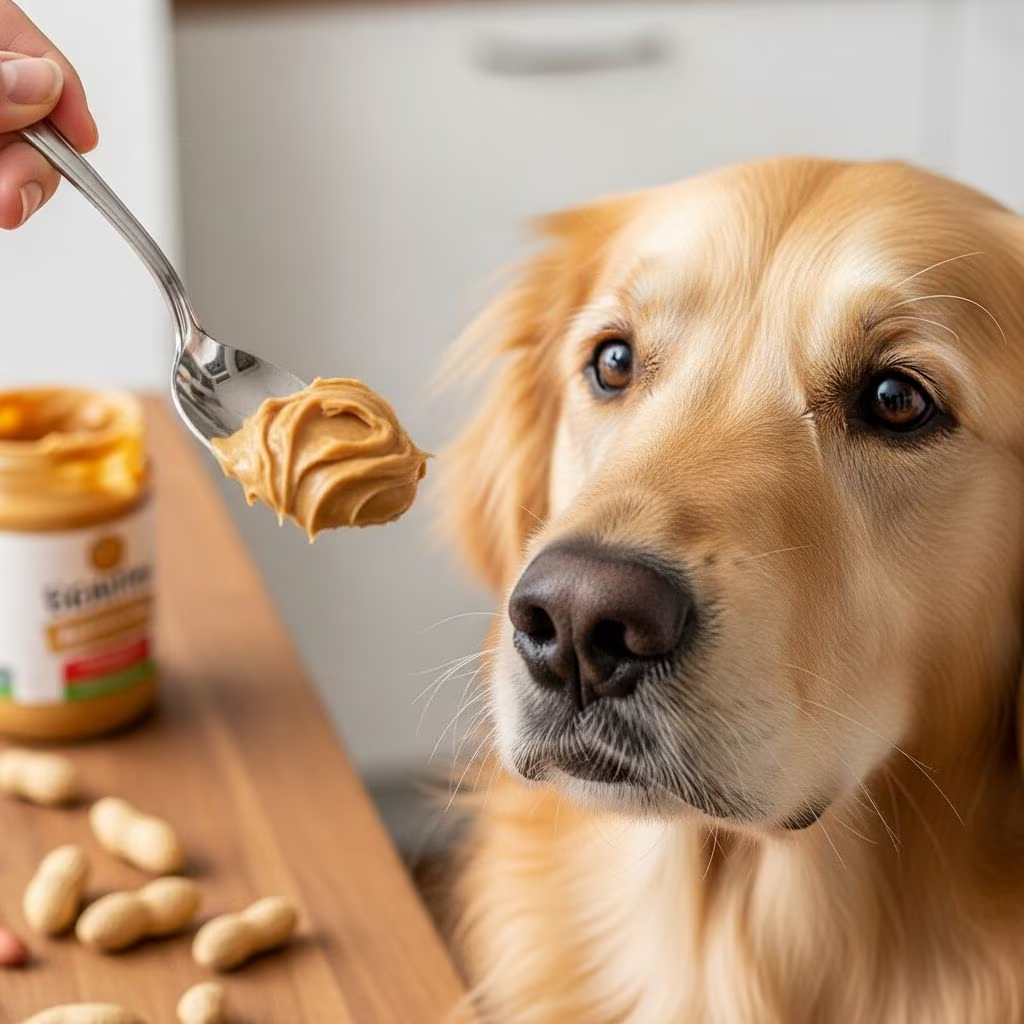
Can Dogs Eat Peanut Butter? A Complete Guide
Most dog owners have wondered whether they can share their peanut butter snacks with their furry companions. The good news is that most dogs can safely eat peanut butter, and when served responsibly, it can be a nutritious and enjoyable treat. However, not all peanut butter is created equal, and understanding what makes certain varieties unsafe is crucial for your dog’s health and safety.
Peanut butter is widely loved by dogs for its rich, nutty flavor and creamy texture, making it an excellent tool for enrichment, training rewards, or even administering medication. When chosen carefully and portioned appropriately, peanut butter can provide genuine nutritional and behavioral benefits for your pet.
Nutritional Benefits of Peanut Butter for Dogs
Peanut butter offers several nutritional advantages when incorporated into your dog’s diet in moderation. Natural peanut butter is an excellent source of protein and healthy fats, along with important vitamins and minerals. These nutrients play vital roles in supporting your dog’s overall health and well-being.
The primary nutritional benefits include:
- Protein: Plant-based protein helps support muscle maintenance and energy levels in your dog
- Healthy Fats: Monounsaturated fats contribute to coat health and skin condition
- Vitamins B and E: Essential for metabolic function and cellular health
- Niacin: Supports energy metabolism and nervous system function
While dogs should get most of their nutrients from a complete and balanced diet, peanut butter can offer a helpful nutritional boost when used as an occasional treat. However, it should never replace a complete meal or become a significant portion of your dog’s daily caloric intake.
Is Peanut Butter Safe for Dogs?
The safety of peanut butter for dogs depends largely on which type you choose and how much you give. Yes, dogs can safely eat peanut butter, but only when it meets specific criteria and is served in appropriate amounts. The key is choosing a variety free from toxic or unnecessary additives.
Several factors determine whether peanut butter is a safe treat for your dog:
- The presence or absence of xylitol and other artificial sweeteners
- Salt and sodium content levels
- Added sugars and unhealthy oils
- Overall portion size relative to your dog’s weight and daily caloric needs
By understanding these factors and reading labels carefully, you can confidently offer peanut butter as part of your dog’s treat rotation.
The Xylitol Warning: What Every Dog Owner Must Know
The most critical safety concern when it comes to peanut butter and dogs is the presence of xylitol, an artificial sweetener that is extremely toxic to dogs. This is not a minor health risk—xylitol poisoning can be fatal, even in small amounts. The danger is so significant that it warrants special attention from every dog owner.
Xylitol is commonly found in:
- Products marketed as “sugar-free” or “low-carb”
- Certain “natural” peanut butter brands
- Store-bought varieties aimed at health-conscious human consumers
- Some peanut butters labeled as diet or weight-management options
When a dog ingests xylitol, it triggers a rapid release of insulin that causes dangerous drops in blood sugar (hypoglycemia). Even a small amount can be life-threatening. Additionally, xylitol has been linked to liver damage in dogs, making it particularly hazardous.
Always read the ingredient label before offering peanut butter to your dog. If xylitol is listed anywhere in the ingredients, do not give the product to your pet. If your dog does eat anything containing xylitol, call your veterinarian urgently and inform them of what your pet has consumed. Time is critical in cases of xylitol poisoning.
Choosing the Best Peanut Butter for Your Dog
Not all peanut butters are suitable for dogs. Understanding what to look for when shopping can help you select the safest and most nutritious option for your pet.
Ideal Peanut Butter Characteristics
Look for unsalted, unsweetened peanut butter made from just peanuts—or peanuts and natural oils. The simpler the ingredient list, the better. Dog-safe peanut butter shouldn’t contain more than two ingredients: peanuts and salt.
The best options include:
- Unsalted peanut butter: Eliminates excess sodium concerns while retaining nutritional benefits
- Unsweetened peanut butter: Avoids hidden sugars that can contribute to dental problems and obesity
- Dog-specific peanut butter: Brands formulated specifically for canine nutrition often have ideal ingredient profiles
- Homemade peanut butter: The healthiest option, as you control exactly what goes into it—typically just peanuts or peanuts and a small amount of oil
Ingredients to Avoid
When reading peanut butter labels, steer clear of products containing:
- Xylitol or other artificial sweeteners
- Added sugars or corn syrup
- Hydrogenated oils
- Excessive salt (more than a small amount)
- Preservatives and artificial additives
Portion Control: How Much Peanut Butter Can Dogs Have?
Portion control is crucial when feeding peanut butter to dogs. Even healthy, xylitol-free peanut butter is calorie-dense and high in fat, which means excessive amounts can lead to weight gain, digestive issues, and other health problems.
General Portion Guidelines by Dog Size
| Dog Size | Safe Portion | Frequency |
|---|---|---|
| Small dogs (<20 lbs) | ¼ to ½ teaspoon | A few times per week |
| Medium dogs (20–50 lbs) | ½ to 1 teaspoon | A few times per week |
| Large dogs (>50 lbs) | Up to 1 tablespoon | A few times per week |
These portions should be given only a few times per week, never daily. One tablespoon of peanut butter contains approximately 90 to 100 calories, which is significant—especially for small or inactive dogs. Treats like peanut butter should make up no more than 10% of your dog’s daily calories.
What Happens If You Give Too Much?
Overfeeding peanut butter can contribute to several health problems:
- Upset stomach, including vomiting or diarrhea
- Excess calorie intake and gradual weight gain
- Increased fat intake, which may trigger pancreatitis in susceptible dogs
- Inflammation and digestive discomfort
Dogs That Shouldn’t Eat Peanut Butter
While most healthy dogs can enjoy peanut butter in moderation, certain conditions and health statuses make it unsuitable or even dangerous for some dogs.
Dogs with Pancreatitis or Sensitive Digestion
Peanut butter is relatively high in fat, which can be problematic for dogs with pancreatitis. Pancreatitis is a condition where the pancreas becomes inflamed and struggles to process fat. Even a small serving may trigger a flare-up or discomfort in dogs with sensitive digestion or a history of gastrointestinal issues. If your dog has any history of digestive problems, consult your veterinarian before offering peanut butter.
Overweight or Obese Dogs
Peanut butter is calorie-dense and not ideal for dogs on a diet. For overweight or obese dogs, the high caloric content can contribute to additional weight gain and related health complications like joint strain or metabolic issues. If your dog is overweight, ask your veterinarian about leaner alternatives for training treats, such as chicken, ham, or tuna.
Dogs with Kidney Problems
Dogs with kidney issues should generally avoid peanut butter due to its potentially high salt content. Kidney disease requires strict management of sodium intake, and standard peanut butters may contain more salt than recommended for these dogs. Always consult your vet if your dog has kidney problems before introducing new treats.
Dogs with Food Allergies
If your dog is sensitive to certain foods or has been placed on a special diet to manage allergies or other health conditions, it’s best not to introduce peanut butter without veterinary approval. While peanut allergies in dogs are not common, some dogs may have sensitivities to peanuts or other ingredients in commercial peanut butter products.
Using Peanut Butter for Training and Enrichment
Beyond simple treats, peanut butter can serve practical purposes in your dog’s training and mental enrichment routine. Its sticky texture and appealing flavor make it useful for:
- Smearing on Kongs and chews to keep dogs occupied and calm
- Administering medications to dogs who resist pills
- Rewarding positive behavior during training sessions
- Creating puzzle toys filled with peanut butter for mental stimulation
When using peanut butter in these applications, remember to account for the calories as part of your dog’s daily intake and maintain appropriate portion sizes.
Peanut Butter Variations: Smooth, Crunchy, and More
Dogs can have smooth, creamy peanut butter, and they can also eat crunchy peanut butter—as long as the peanut butter has natural ingredients and no artificial sweeteners. Both varieties are generally safe for dogs.
However, crunchy peanut butter may pose a slight choking risk for small dogs or those who gulp their food without chewing. If your dog tends to swallow treats whole, smooth peanut butter may be the safer choice.
Avoid peanut butter and jelly combinations, as jelly contains excessive sugar that can cause upset stomach in dogs.
Puppies and Peanut Butter
In moderation, puppies can have peanut butter if it is natural and xylitol-free. However, introduce it slowly and watch for signs of sensitivity. Puppies have developing digestive systems, so new foods should be introduced gradually. Always consult your veterinarian if your puppy has a sensitive stomach or is on a special diet before offering peanut butter or other new treats.
Frequently Asked Questions
Q: Can dogs eat peanut butter daily?
A: No, peanut butter should not be given daily. A few times per week in appropriate portions is safer and helps prevent weight gain and digestive issues. Daily use can lead to excessive calorie intake and health problems.
Q: What should I do if my dog eats peanut butter with xylitol?
A: Call your veterinarian urgently and inform them what your dog has consumed. Xylitol poisoning can be life-threatening, and time is critical. Your vet may recommend inducing vomiting or other emergency treatments depending on the amount consumed and your dog’s condition.
Q: Is natural peanut butter better for dogs?
A: Yes, natural peanut butter is a better choice for dogs because it’s less likely to have harmful ingredients like xylitol and preservatives. Look for products with minimal ingredients—ideally just peanuts or peanuts and natural oils.
Q: Can dogs eat peanut butter straight from the jar?
A: Yes, as long as the peanut butter contains no xylitol and is given in appropriate portions. However, using measured amounts ensures you maintain proper portion control for your dog’s size and nutritional needs.
Q: Are there any peanut butter brands specifically made for dogs?
A: Yes, several brands create peanut butter specifically formulated for canine nutrition. These dog-specific options are designed with your pet’s health needs in mind and typically have ideal ingredient profiles without harmful additives.
References
- Can Dogs Eat Peanut Butter? — American Kennel Club. https://www.akc.org/expert-advice/nutrition/can-dogs-eat-peanut-butter/
- Can Dogs Eat Peanut Butter? Serving Size & Safety Tips — Spot and Tango. https://www.spotandtango.com/blog/can-dogs-eat-peanut-butter
- Can Dogs Eat Peanut Butter? — Big Spoon Roasters. https://bigspoonroasters.com/blogs/blog/can-dogs-eat-peanut-butter
- Can Dogs Eat Peanut Butter? — PetMD. https://www.petmd.com/dog/nutrition/can-dogs-eat-peanut-butter
- Can Dogs Eat Peanut Butter? — Blue Cross. https://www.bluecross.org.uk/advice/dog/food-and-weight/can-dogs-eat-peanut-butter
- Safe Peanut Butter for Dogs: A Guide to Choosing the Right Option — ICWVH. https://icwvh.com/safe-peanut-butter-for-dogs-a-guide-to-choosing-the-right-option/



