

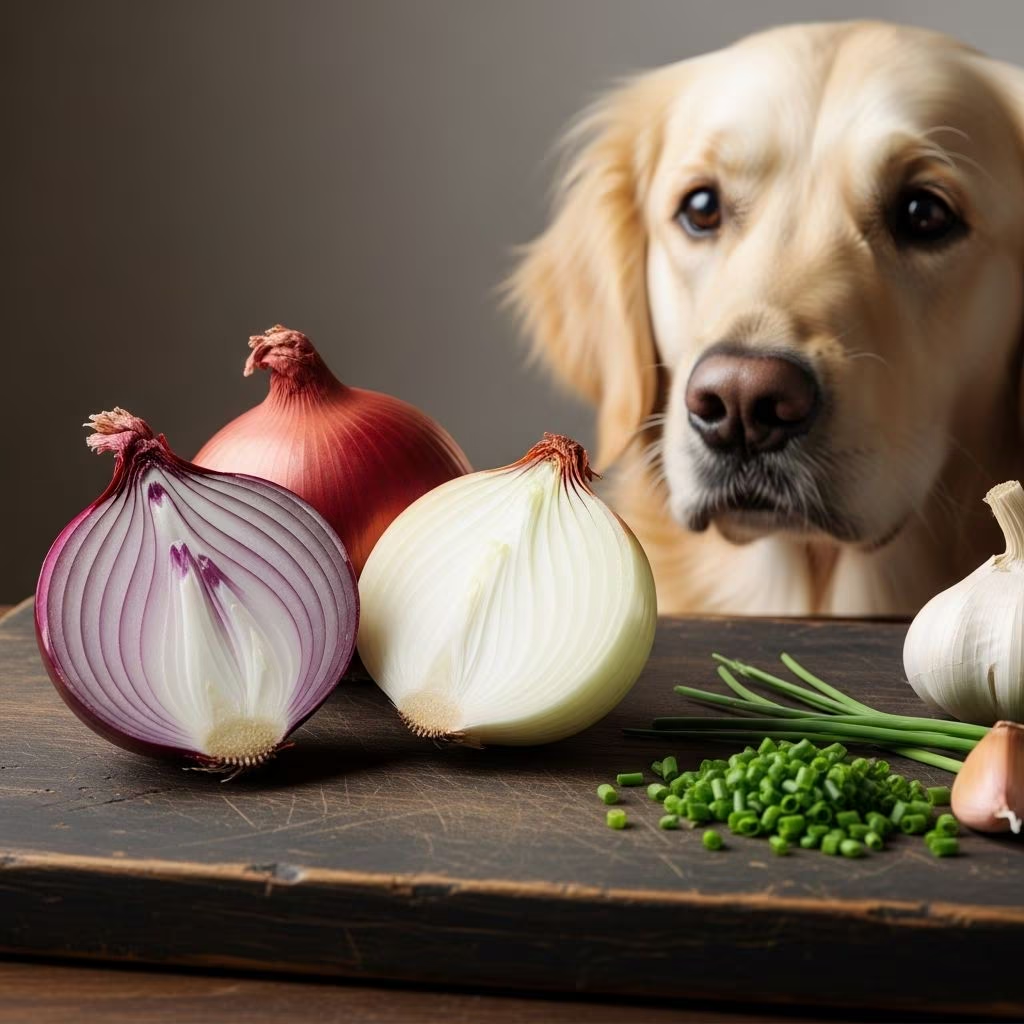
Can Dogs Eat Onions?
The straightforward answer is no—dogs should never eat onions under any circumstances. Onions are highly toxic to dogs and pose serious health risks, even in small amounts. Whether raw, cooked, powdered, dried, or juiced, all forms of onions contain harmful compounds that can cause significant damage to your dog’s health and potentially lead to life-threatening conditions.
As a responsible dog owner, understanding why onions are dangerous and recognizing the signs of onion toxicity is essential for protecting your furry companion. This comprehensive guide explains the risks, symptoms, and what you should do if your dog accidentally consumes onions.
Why Are Onions Unsafe for Dogs?
Onions contain toxic compounds that dogs cannot safely digest. The primary culprits are N-propyl disulfide and thiosulfate, which are naturally occurring sulfur compounds found throughout the onion plant. When your dog consumes onions, these toxic compounds are absorbed into the bloodstream and cause oxidative damage to red blood cells.
This damage triggers a process called hemolysis, which is the rupture and destruction of red blood cells. As red blood cells break down faster than the body can regenerate them, dogs develop hemolytic anemia—a potentially life-threatening condition where the blood cannot carry sufficient oxygen throughout the body. While humans can safely digest these same sulfur compounds that give onions their characteristic smell and culinary properties, dogs lack the enzymes necessary to break down these toxins.
The danger extends to all parts of the onion plant, including the bulb, leaves, skin, juice, and processed powder forms. There is no preparation method that eliminates these toxic compounds. Cooking, frying, boiling, steaming, or roasting onions does not destroy the N-propyl disulfide toxin, making cooked onions just as dangerous as raw ones.
All Forms of Onions Are Toxic
It’s crucial to understand that every form of onion poses a risk to your dog’s health:
- Raw onions—Fresh whole or sliced onions
- Cooked onions—Fried, boiled, steamed, roasted, or sautéed onions
- Onion powder—Concentrated dried onion, which can be even more toxic
- Dried onions—Dehydrated onion pieces
- Onion juice—Liquid extracted from onions
- Green onions/Chives—These are members of the Allium family and equally toxic
- Shallots and leeks—Other Allium family members that are harmful to dogs
Many common human foods contain hidden onions or onion powder, including meat dishes, potato preparations, egg dishes, soups, stews, dressings, sauces, and broths. Always check ingredient lists before sharing any human food with your dog.
How Much Onion Is Toxic to Dogs?
There is no truly safe amount of onion for dogs, but the degree of toxicity depends on your dog’s size and the amount consumed. Research has established that dogs can experience toxic effects from consuming as little as 0.5% of their body weight in onions.
To put this in perspective:
- A 40-pound dog requires only about 0.2 pounds (approximately 91 grams) of onion to reach toxic levels
- A 50-pound dog can become seriously ill from consuming a single large onion
- Smaller breeds face greater danger from even tiny amounts
The toxicity doesn’t occur all at once from a single exposure. Toxic compounds accumulate in your dog’s system over time. If your dog ingests onions across multiple meals or snacks, the buildup of these compounds eventually leads to symptoms of onion toxicosis. Your dog won’t simply process and eliminate onion toxins—they accumulate and cause progressive damage.
Breeds at Higher Risk
While onions are dangerous for all dogs, certain breeds show increased susceptibility to onion toxicity. Dogs of Japanese descent, particularly Akitas and Shiba Inus, are at the highest risk of developing severe onion toxicosis. Additionally, dogs with pre-existing health conditions may be more vulnerable:
- Dogs with diabetes
- Dogs with liver disease
- Dogs with existing anemia
- Dogs taking certain medications
If your dog falls into any of these categories, extra vigilance in preventing onion consumption becomes even more important.
Symptoms of Onion Toxicity in Dogs
Recognizing the signs of onion poisoning allows you to seek veterinary care quickly. Symptoms of onion toxicosis typically appear within a few hours to several days of consumption and may include:
- Vomiting and diarrhea
- Abdominal pain and discomfort
- Lethargy and weakness
- Pale gums and mucous membranes
- Difficulty breathing or rapid breathing
- Dark-colored urine
- Loss of appetite
- Jaundice (yellowing of the eyes and skin)
- Collapse or fainting
In severe cases, onion toxicity can lead to kidney failure and even death. If you suspect your dog has consumed onions, contact your veterinarian or poison control immediately, even if symptoms haven’t appeared yet.
What to Do If Your Dog Eats Onions
If your dog accidentally ingests onions, take the following steps:
Immediate Actions:
- Contact your veterinarian or the Pet Poison Helpline immediately
- Have information ready about the type of onion, amount consumed, and time of ingestion
- Never induce vomiting without professional guidance
- Transport your dog to the veterinary clinic if recommended
Veterinary Treatment:Veterinarians may recommend activated charcoal to help absorb toxins, fluid therapy to support kidney function, and blood transfusions in severe cases. Treatment depends on the amount consumed, your dog’s size, and the severity of symptoms. The sooner your dog receives professional care, the better the outcome.
Frequently Asked Questions
Q: Can dogs eat cooked onions?
A: No, cooked onions are not safe for dogs. The cooking process does not destroy the toxic N-propyl disulfide compound. Whether fried, boiled, steamed, or roasted, cooked onions retain their toxicity and pose the same health risks as raw onions. Onion powder is particularly dangerous because the concentration of toxic compounds is much higher in powdered form.
Q: Can dogs eat raw onions?
A: No, raw onions are just as toxic to dogs as cooked ones. Raw onions contain the same harmful sulfur compounds that damage red blood cells. There is no preparation method that makes onions safe for dog consumption.
Q: Can puppies eat onions?
A: No, puppies cannot eat onions any more than adult dogs. Even a few bites can cause serious problems including digestive upset, lethargy, pain, and other symptoms of onion toxicity. Puppies may be even more vulnerable due to their developing immune systems.
Q: Can my dog have chicken broth with onion?
A: No, if the broth contains onions or onion powder in its ingredient list, it should be avoided entirely. Many commercial broths, soups, stews, and prepared foods contain onions or onion-based seasonings. Always read ingredient labels carefully before sharing any human food with your dog.
Q: Is onion powder safe to use in dog food or treats?
A: Absolutely not. Onion powder is particularly toxic because it is a concentrated form of onions. The same amount of onion powder contains significantly more toxic compounds than fresh onions, making it even more dangerous. Never use onion powder in homemade dog food or treats.
Q: Can onions be used as natural remedies for dogs?
A: No, onions should never be used as natural remedies or treatments for any health condition in dogs. Despite any perceived benefits in human nutrition, onions are toxic to dogs and can cause serious health problems and potentially death. Always consult with your veterinarian about safe treatment options.
Q: What should I do if my dog eats a small amount of onion?
A: Even small amounts can be toxic to dogs. If your dog consumes any quantity of onion, contact your veterinarian or Pet Poison Helpline immediately. Larger dogs may tolerate small amounts slightly better than smaller dogs, but this does not mean it’s safe. Continuous monitoring and professional veterinary guidance are essential.
Safe Alternatives to Onions for Dogs
The good news is that you can safely add flavor and variety to your dog’s diet without using onions. Several herbs and seasonings are safe for dogs in appropriate amounts and can make meals more interesting:
- Parsley—Adds freshness and aids digestion
- Basil—A safe herb that adds flavor
- Oregano—Small amounts are safe and may offer antioxidant benefits
- Turmeric—In small amounts, may support joint health (consult your vet)
- Cinnamon—A small pinch can add sweetness without sugar
Additionally, many nutritious vegetables are perfectly safe for dogs, including carrots, green beans, sweet potatoes, pumpkin, broccoli in moderation, and various other colorful vegetables. Fresh, plain fruits like apples (without seeds), blueberries, and watermelon also make healthy treats.
Prevention Tips for Dog Owners
The best approach to onion toxicity is prevention. Take these precautions to keep onions away from your dog:
- Store onions in secure locations where your dog cannot access them
- Be vigilant during meal preparation and keep your dog away from the kitchen
- Never leave food unattended where dogs might reach it
- Check all ingredient labels on commercial dog foods and treats
- Be cautious when sharing table scraps or human food
- Educate family members and guests about onion toxicity
- Prevent your dog from accessing any gardens with onion plants or wild onion patches
- When cooking, dispose of onion peels and scraps securely
The Bottom Line
Raw onions, dehydrated onions, onion powder, onion juice, and cooked onions in any form are all dangerous for your dog. There is no safe amount of onion to feed your pet, regardless of size or age. While larger dogs may have somewhat better tolerance and health outcomes than smaller dogs when exposed to small amounts, this does not mean onions are safe at any level.
To protect your beloved companion, never intentionally give your dog onions in any form, and be diligent about preventing accidental consumption. Always read ingredient labels on commercial products before sharing food with your dog, and choose fresh, plain fruits and vegetables as safe alternatives. If your dog does consume onions, contact your veterinarian or Pet Poison Helpline immediately for guidance and potential treatment.
References
- Can Dogs Eat Onions? — American Kennel Club. 2024. https://www.akc.org/expert-advice/nutrition/can-dogs-eat-onions/
- Can Dogs Eat Onions? — PetMD. 2024. https://www.petmd.com/dog/nutrition/can-dogs-eat-onions
- Onion and Garlic Poisoning in Dogs — PDSA (People’s Dispensary for Sick Animals). 2024. https://www.pdsa.org.uk/pet-help-and-advice/pet-health-hub/conditions/onion-and-garlic-poisoning-in-dogs
- Can Dogs Have Onions? What To Do If They Eat Them — Spot & Tango. 2024. https://www.spotandtango.com/blog/can-dogs-eat-onions
- Can Dogs Eat Onions? Absolutely Not! — Pumpkin Pet Insurance. 2024. https://www.pumpkin.care/post/can-dogs-eat-onions
- Why Are Onions Toxic to Dogs? — Volhard Dog Nutrition. 2024. https://www.volharddognutrition.com/blog/can-dogs-eat-onions/



