

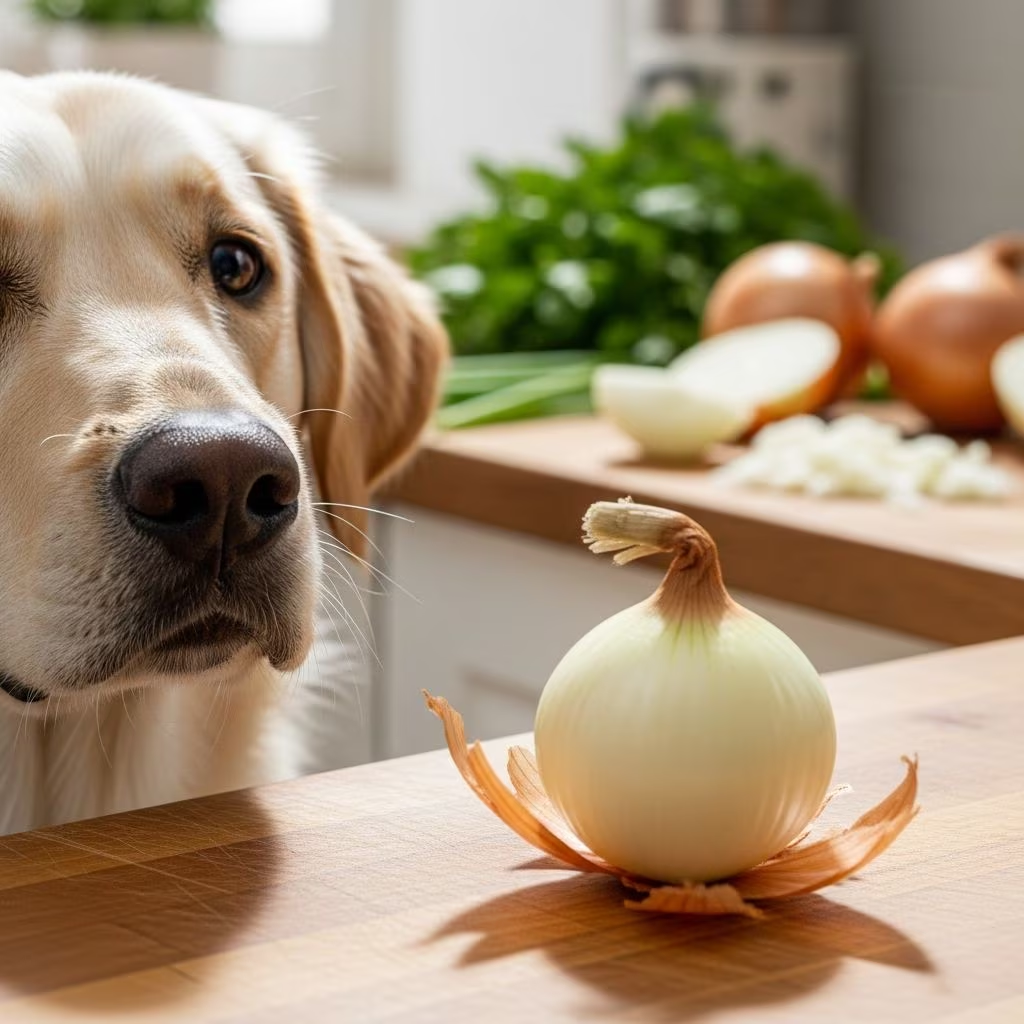
Onions are toxic to dogs in any form—raw, cooked, powdered, or dehydrated—and can cause hemolytic anemia by damaging red blood cells. Even small amounts relative to body weight pose serious risks, making it essential for pet owners to keep all Allium family members away from their dogs.
Why Are Onions Toxic to Dogs?
Onions contain **N-propyl disulfide**, a compound that binds to red blood cells, causing oxidative damage and leading to their premature destruction (hemolysis). This results in hemolytic anemia, where the body cannot transport sufficient oxygen, affecting vital organs. Dogs lack certain enzymes to neutralize these toxins, unlike humans, making even trace amounts dangerous.
All parts of the onion—bulb, leaves, skin—and related plants like garlic, chives, and leeks carry this risk. Cooking does not reduce toxicity; the compounds remain active in processed foods, soups, or seasonings.
How Much Onion Is Toxic to a Dog?
The toxic dose is approximately **0.5% of a dog’s body weight** in fresh onions, though effects can occur at lower levels like 0.22 pounds per 44 pounds of body weight. For example:
- A 10-pound dog could be poisoned by just 0.8 ounces (about a tablespoon of chopped onion).
- A 50-pound dog might tolerate up to 4 ounces before severe effects, but smaller amounts still risk mild symptoms.
- A 100-pound dog could ingest half a pound (8 ounces, one medium onion) for toxicity.
Small breeds face higher risks from tiny quantities, and repeated low exposures accumulate damage. Powdered forms concentrate the toxin, making table scraps especially hazardous.
| Dog Weight | Toxic Onion Amount (Fresh) | Equivalent |
|---|---|---|
| 10 lbs | 0.8 oz | 1-2 tbsp chopped |
| 20 lbs | 1.6 oz | Small handful |
| 50 lbs | 4 oz | Half small onion |
| 100 lbs | 8 oz | 1 medium onion |
Note: These are approximate thresholds; individual sensitivity varies, and Japanese breeds like Akitas may be more susceptible.
Symptoms of Onion Poisoning in Dogs
Signs appear 1-5 days post-ingestion, starting mild and progressing to severe. Early gastrointestinal symptoms include:
- Vomiting (possibly with onion pieces)
- Diarrhea
- Loss of appetite
- Abdominal pain or drooling
- Onion smell on breath
Severe hemolytic anemia symptoms emerge later:
- Pale gums
- Weakness or lethargy
- Rapid breathing or heart rate
- Panting or exercise intolerance
- Dark/reddish urine (hemoglobinuria)
- Collapse or fainting
Kidney damage may cause increased thirst/urination. Symptoms mimic other illnesses, so blood tests confirm onion toxicity via low red blood cell counts or Heinz bodies.
What to Do If Your Dog Eats Onions
Act immediately: Contact your veterinarian or an emergency clinic like ASPCA Animal Poison Control (888-426-4435) even for small amounts.
- Assess and prevent more ingestion: Remove access to onions/food.
- Monitor symptoms: Note timing, amount eaten, and changes over 24-72 hours.
- Seek vet care: Vets may induce vomiting (if recent), give activated charcoal, IV fluids, or blood transfusions for anemia.
- Follow-up: Bloodwork tracks recovery; supportive care prevents organ failure.
Do not induce vomiting at home without guidance, as it risks aspiration. Prognosis improves with early intervention.
Allium Family Plants to Avoid
Besides onions, avoid:
- Garlic (5x more potent; toxic at 15-30g/kg)
- Chives and leeks
- Shallots and scallions
- Wild onions or ornamental varieties
These all contain disulfides and thiosulfinates damaging red blood cells.
Safe Alternatives to Onions for Dogs
Onions flavor human food, but dogs thrive without them. Safe veggie options include:
- Carrots (for crunch and vitamin A)
- Green beans (low-calorie filler)
- Sweet potatoes (beta-carotene boost)
- Pumpkin (digestive aid)
- Apples (minus seeds; for sweetness)
Always introduce new foods gradually and consult vets for balanced diets.
Preventing Onion Toxicity
- Store food securely; no table scraps with onions.
- Check ingredient labels for powders/dehydrated onions.
- Educate family on risks, especially with holidays like pizza night.
- Train ‘leave it’ commands.
- Opt for dog-safe treats/recipes.
Frequently Asked Questions (FAQs)
Can dogs eat cooked onions?
No, cooking does not detoxify onions; N-propyl disulfide remains harmful.
Can dogs eat green onions or scallions?
No, all Allium parts, including green tops, are toxic.
How long do onion poisoning symptoms take to appear?
Typically 24-72 hours for mild signs, up to 1-5 days for anemia.
Is onion powder safe for dogs?
No, it’s more concentrated and equally dangerous in tiny amounts.
What breeds are most at risk for onion toxicity?
Japanese breeds like Akita and Shiba Inu due to genetic sensitivity.
Can a little bit of onion hurt my dog?
Yes, even small amounts relative to size can cause damage over time.
This guide equips you to protect your dog from onion dangers. Always prioritize vet advice for health concerns.
References
- Onion Toxicity in Dogs: How Much is Too Much? — GSVS. 2023. https://gsvs.org/blog/onion-toxicity-dogs-emergency/
- Can My Dog Eat Onions? — Taste of the Wild Pet Food. 2024. https://www.tasteofthewildpetfood.com/articles/can-my-dog-eat-that/onions/
- Can Dogs Have Onions? What To Do If They Eat Them — Spot & Tango. 2024. https://www.spotandtango.com/blog/can-dogs-eat-onions
- Can Dogs Eat Onions? Everything You Need to Know — American Kennel Club (AKC). 2024-01-15. https://www.akc.org/expert-advice/health/can-dogs-eat-onions/
- Onion, Garlic, Chive, and Leek Toxicity in Dogs — VCA Animal Hospitals. 2024. https://vcahospitals.com/know-your-pet/onion-garlic-chive-and-leek-toxicity-in-dogs
- Onion and Garlic Poisoning in Dogs — PDSA. 2024. https://www.pdsa.org.uk/pet-help-and-advice/pet-health-hub/conditions/onion-and-garlic-poisoning-in-dogs



