

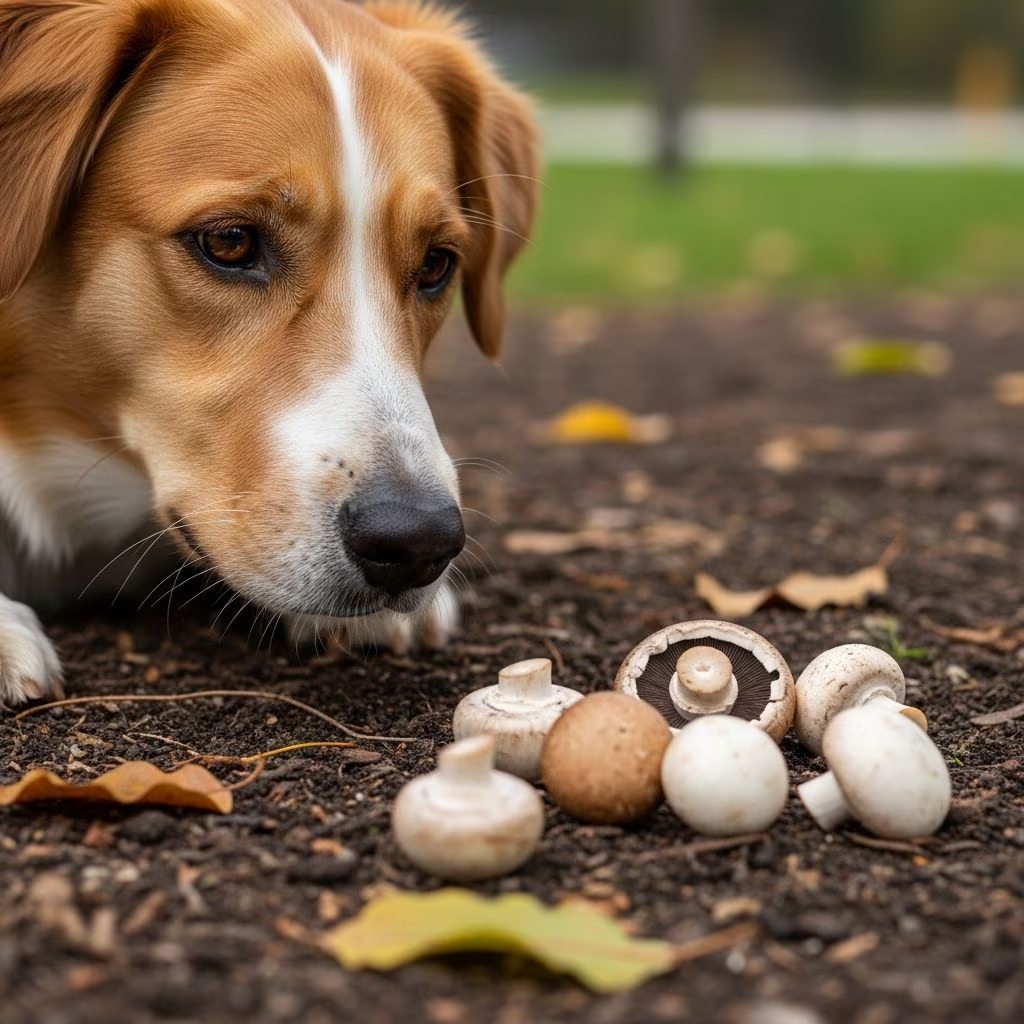
Can Dogs Eat Mushrooms? It Depends
You’re chopping up cremini mushrooms for your famous risotto when you feel a pair of eyes fixed on you. Your dog, drawn by the earthy aroma, watches intently as you work. But can dogs eat mushrooms? The short answer is: it depends.
While mushrooms sold at grocery stores are typically safe for your dog in moderation, several types of wild mushrooms are highly toxic to dogs and can cause serious health complications or even be fatal. Understanding the difference between safe and dangerous mushrooms is crucial for every dog owner who wants to keep their furry friend healthy and protected.
Which Mushrooms Are Safe for Dogs?
Not all mushrooms pose a threat to your pup. Some varieties, particularly those commonly sold in grocery stores and consumed by humans, are usually safe for dogs and can provide health benefits when prepared properly and given in moderation. The key is knowing which ones are safe and how to prepare them correctly.
Commonly Consumed Mushroom Varieties Safe for Dogs
Mushrooms sold at grocery stores that are generally considered safe for dogs include:
- White button mushrooms
- Cremini mushrooms
- Portabella mushrooms
- Baby bella mushrooms
- Shiitake mushrooms
- Porcini mushrooms
- Maitake mushrooms
- Oyster mushrooms
These common culinary mushrooms bring a burst of flavor and some nutritional benefits to the table when given to your dog appropriately. However, mushrooms are not a necessary part of your dog’s diet and should only be offered as an occasional treat, never as a meal replacement.
How to Safely Prepare Mushrooms for Your Dog
If you decide to share mushrooms with your furry friend, proper preparation is essential to ensure their safety and digestive health.
Cooked Mushrooms Are Best
Cooking mushrooms not only makes them more digestible for your dog but also destroys any potential harmful bacteria that might be present. Dogs can eat store-bought mushrooms cooked in a light drizzle of olive oil as part of a healthy diet; however, organic, uncooked, and unseasoned mushrooms are the best option for your pet’s health and weight. When cooking mushrooms for your dog, use minimal oil and avoid any added seasonings or toppings.
Serve in Moderation
Even when giving your dog safe mushrooms, it’s essential to serve them in moderation. Mushrooms should only constitute a small portion of your dog’s overall diet. Start with a small amount to see how your dog reacts and gradually increase the quantity if there are no adverse effects. Watch for any signs of digestive upset or allergic reactions.
Chop or Puree
Mushrooms should be chopped or pureed to prevent choking and facilitate digestion. Large pieces of mushroom can pose a choking hazard, especially for small dogs or puppies. Cutting mushrooms into bite-sized pieces ensures your dog can safely consume them without risk of obstruction.
Don’t Add Seasonings
Avoid adding seasonings to mushrooms you feed your dog. Onions and garlic are particularly important to avoid, as these are poisonous to dogs and can cause serious health issues. Never share mushrooms from your plate with your dog, as they are often cooked with unhealthy salts and oils, as well as garlic and onions, which are highly toxic to dogs. Instead, cook plain mushrooms specifically for your pet.
The Benefits of Mushrooms for Dogs
Non-toxic mushrooms are rich in essential nutrients that can support your dog’s overall health when given appropriately. These fungi contain valuable compounds that go beyond basic nutrition.
Nutritional Content
Safe mushrooms contain vitamins including B vitamins and vitamin D, minerals such as selenium, potassium and copper, as well as fiber, protein, iron, and magnesium. They also contain antioxidants and beneficial compounds that support your dog’s immune system.
Potential Health Benefits
Adding mushrooms to your dog’s diet may help support several aspects of their health:
- Support liver and kidney function
- Stabilize blood sugar and metabolism
- Lower cholesterol levels
- Boost weight loss efforts
- Prevent fatty liver disease
- Boost the immune system
- Reduce blood pressure
- Prevent heart disease
- Prevent and battle cancer
Certain mushroom varieties like shiitake, maitake, and reishi contain compounds that are particularly beneficial for immune support and digestion. However, it’s important to note that mushrooms don’t provide as much nutritional benefit to dogs as they do to humans, and there are more nutritious fruits and vegetables available for your dog such as blueberries, carrots, and apples.
Toxic Mushrooms Your Dog Must Avoid
While store-bought mushrooms are generally safe, many wild mushrooms can be poisonous to dogs, and some can be deadly. It’s critical to understand which mushrooms are dangerous and to take precautions to prevent your dog from ingesting them.
Highly Toxic Wild Mushroom Species
Some of the most dangerous mushrooms for dogs include:
- Death Cap (Amanita phalloides): As little as half of a fresh death cap mushroom can be fatal to an adult dog. Contains deadly amatoxins that cause severe liver and kidney damage.
- Destroying Angels (Amanita species): Extremely toxic and can cause gastrointestinal distress, liver damage, and neurological symptoms.
- False Morels: Contain gyromitrin, which is toxic to dogs and can cause serious poisoning.
- Inocybe Mushrooms: Contain deadly levels of muscarine that can cause gastrointestinal distress and harm to the liver.
- Clitocybe dealbata (Ivory Funnel): Contain toxins that can affect the nervous system and cause various symptoms.
- Webcaps: Contains muscarine, which can lead to serious health issues. Has a fishy smell that can appeal to dogs.
Why Wild Mushrooms Are Dangerous
Wild mushrooms are not safe for your dog to eat, whether cooked or raw. Many toxic and nontoxic mushrooms can look similar, making it extremely difficult for pet owners to correctly identify which mushrooms are toxic or not. Highly toxic mushrooms can be deadly to pets, which is why any wild mushroom ingestion should be treated as a medical emergency and requires immediate veterinary care and guidance.
Symptoms of Mushroom Poisoning in Dogs
The symptoms of mushroom poisoning depend on the species of mushroom, as different species contain different toxins. Some common signs to look for in dogs include:
- Vomiting and diarrhea
- Abdominal pain and cramping
- Excessive drooling
- Lethargy and weakness
- Loss of appetite
- Tremors or seizures
- Difficulty breathing
- Yellowing of the skin and eyes (jaundice)
- Increased urination and thirst
- Organ failure in severe cases
If you suspect your dog has ingested a wild mushroom, contact your veterinarian or animal poison control immediately. Do not wait for symptoms to develop, as some mushroom toxins can cause delayed damage to organs like the liver and kidneys.
Preventing Mushroom Poisoning
The best approach to mushroom safety is prevention. Take these steps to protect your dog from accidental poisoning:
Yard and Home Management
Regularly check your yard for any mushrooms growing in the grass or near trees. Remove any mushrooms you find immediately, as they can spread spores and grow back. Be especially vigilant during wet seasons when mushrooms are more likely to appear.
Outdoor Supervision
Supervise your pup during walks, hikes, at the dog park, or whenever they’re outside. Keep your dog on a leash in areas where mushrooms may grow, particularly in forests, parks, or other natural settings. This prevents them from eating mushrooms they encounter while exploring.
Training and Commands
Teach your dog reliable “leave it” and “drop it” commands. These commands can be lifesaving if your dog encounters a mushroom while on a walk. Practice these commands regularly with treats and positive reinforcement.
Frequently Asked Questions About Dogs and Mushrooms
Q: Are all store-bought mushrooms safe for dogs?
A: Most common store-bought mushrooms like button, cremini, portabella, shiitake, and maitake are safe for dogs in moderation. However, always check with your veterinarian before introducing any new food to your dog’s diet, especially if your dog has underlying health conditions or is on medications.
Q: Can dogs eat raw mushrooms?
A: While raw store-bought mushrooms are not toxic, cooked mushrooms are safer and more digestible for dogs. Cooking destroys harmful bacteria and makes the mushrooms easier for your dog’s digestive system to process. Always serve plain mushrooms without any seasonings or oils.
Q: What should I do if my dog eats a wild mushroom?
A: Treat any wild mushroom ingestion as a medical emergency. Contact your veterinarian or animal poison control immediately, even if your dog isn’t showing symptoms. Bring a sample of the mushroom if possible to help with identification. Time is critical, as some mushroom toxins can cause delayed organ damage.
Q: How much mushroom can I safely give my dog?
A: Mushrooms should only be offered as an occasional treat and should never make up more than 10% of your dog’s daily caloric intake. The rest of your dog’s nutritional needs should be met with nutritionally-balanced dog food. Start with very small amounts and monitor your dog for any adverse reactions.
Q: Are therapeutic mushrooms safe for dogs?
A: Some mushrooms like Hericium erinaceus (Lion’s Mane) have been studied for potential neuroprotective effects and may support cognitive function in dogs. However, when incorporating mushrooms into your dog’s diet for therapeutic purposes, it’s essential to do so under the guidance of a veterinarian. The appropriate dosage and form can vary, and therapeutic mushrooms are not a substitute for proper veterinary care.
Q: Can cooking make wild mushrooms safe for dogs?
A: No, cooking does not make toxic wild mushrooms safe for dogs. The toxins in dangerous mushrooms remain harmful even after cooking. The only safe approach is to prevent your dog from accessing wild mushrooms altogether.
Key Takeaways
Understanding mushroom safety is an important part of responsible dog ownership. Remember these essential points:
- Store-bought mushrooms are generally safe for dogs in moderation when prepared plain and unseasoned
- Wild mushrooms are dangerous and should never be fed to dogs or allowed to grow in your yard
- Always cook mushrooms thoroughly and chop them into small pieces to prevent choking
- Never add seasonings, garlic, onions, or oils when preparing mushrooms for your dog
- Watch for signs of mushroom poisoning and seek immediate veterinary care if you suspect ingestion
- Mushrooms are not essential to your dog’s diet and should only be occasional treats
- Consult your veterinarian before introducing any new foods to your dog’s diet
By following these guidelines and remaining vigilant about your dog’s environment, you can safely manage mushroom exposure and keep your furry friend healthy and protected. Your dog’s safety and well-being should always be your top priority when making dietary decisions.
References
- Can Dogs Eat Mushrooms? — PetMD. 2024. https://www.petmd.com/dog/nutrition/can-dogs-eat-mushrooms
- Can Dogs Eat Mushrooms? Safe & Poisonous Guide — Purina UK. 2024. https://www.purina.co.uk/articles/dogs/feeding/what-dogs-eat/can-dogs-eat-mushrooms
- Can Dogs Eat Mushrooms? — ElleVet Sciences. 2024. https://www.ellevetsciences.com/blog/can-dogs-eat-mushrooms/
- Can Dogs Eat Mushrooms? — 5 Common Myths — Years.com. 2024. https://www.years.com/blogs/nutrition/can-dogs-eat-mushrooms
- Can Dogs Eat Mushrooms? — Taste of the Wild Pet Food. 2024. https://www.tasteofthewildpetfood.com/articles/can-my-dog-eat-that/mushrooms/
- Can Dogs Eat Mushrooms? Why These Fungi Can Be Dangerous — American Kennel Club. 2024. https://www.akc.org/expert-advice/nutrition/can-dogs-eat-mushrooms/



