

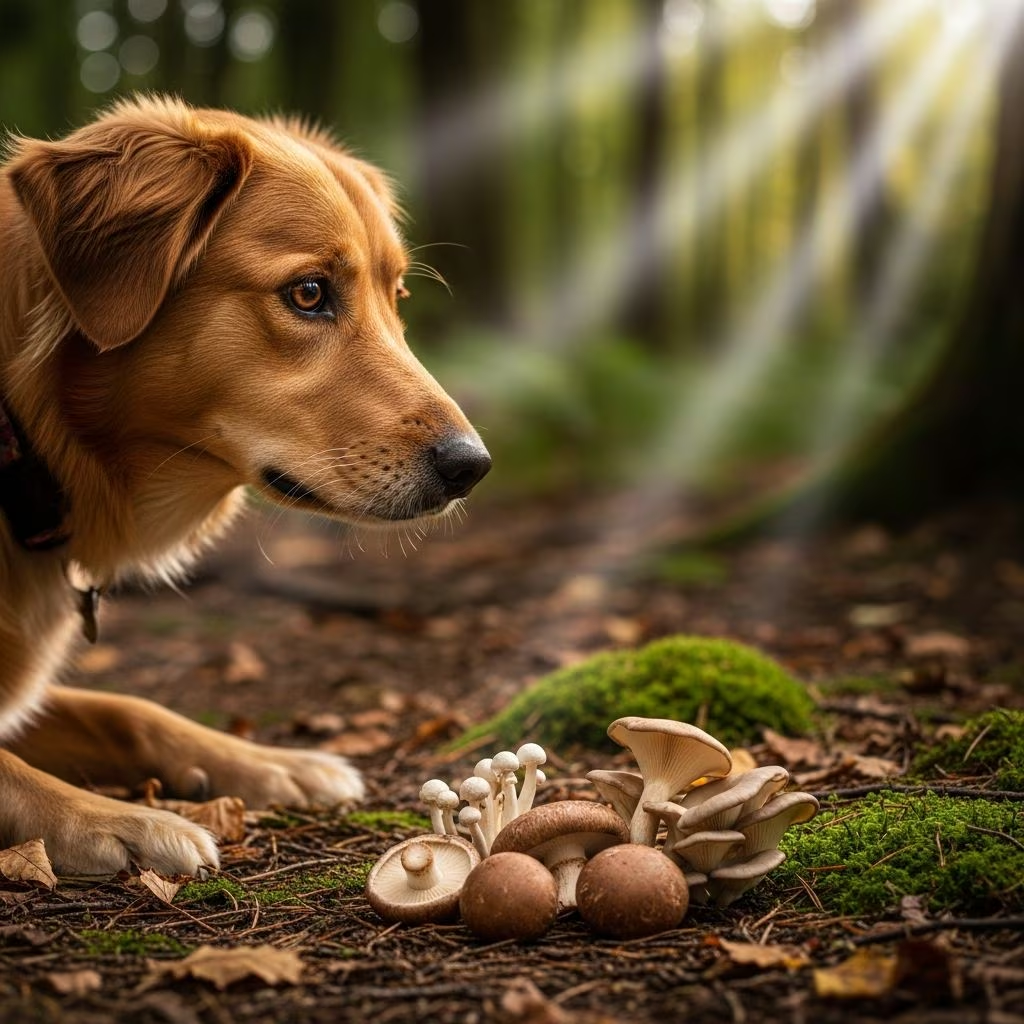
Store-bought mushrooms are generally safe for dogs when prepared plainly and fed in moderation, offering some nutritional benefits like vitamins, minerals, and fiber. However, wild mushrooms pose serious risks, as many are toxic and can cause severe illness or death, making it essential to stick exclusively to grocery store varieties.
Can Mushrooms Be Good for Dogs?
While mushrooms aren’t essential in a dog’s diet, certain store-bought types can provide health benefits due to their nutrient profile. They contain **vitamins** such as B vitamins, vitamin D, A, C, and E; **minerals** including selenium, potassium, copper, iron, and magnesium; and other compounds like protein, fiber, and antioxidants. These nutrients may support immune function, liver and kidney health, blood sugar stability, cholesterol reduction, weight management, and even cancer prevention.
Despite these potential upsides, the nutritional advantages for dogs are less pronounced than for humans, and mushrooms should not replace balanced dog food. Overfeeding can lead to digestive upset, so treats like mushrooms should comprise no more than 10% of daily caloric intake.
Mushrooms That Are Safe for Dogs
Only **store-bought, cultivated mushrooms** are considered safe. Common safe varieties include:
- White button mushrooms: Mild flavor, high in antioxidants.
- Cremini (brown mushrooms): Similar to white buttons but earthier.
- Portobello: Larger, meaty texture, rich in B vitamins.
- Baby bella: Young cremini, nutrient-dense.
- Shiitake: Boosts immunity with polysaccharides.
- Porcini: Adds umami, contains selenium.
- Maitake: Supports metabolism and immune health.
- Oyster mushrooms: Low-calorie, high-fiber option.
These are grown under controlled conditions, minimizing toxin risks. Always ensure they are plain—no seasonings, oils, butter, garlic, or onions, which are toxic to dogs.
How to Feed Your Dog Mushrooms
To safely incorporate mushrooms into your dog’s diet:
- Wash thoroughly: Remove dirt and potential contaminants.
- Cook them: Sautéing or boiling improves digestibility and kills bacteria; raw mushrooms may cause upset.
- Chop finely: Prevent choking, especially for small dogs; puree if needed.
- Serve plain: Avoid human recipes with harmful additives.
- Start small: Monitor for allergies or digestive issues; limit to 10% of diet.
For enhanced benefits, consider vet-approved mushroom supplements with concentrated extracts from safe varieties like reishi or turkey tail, ensuring precise dosing without excess.
Are There Risks or Dangers?
Yes, significant risks exist, primarily from **wild mushrooms**. Many grow in yards, parks, or trails and resemble safe ones but contain potent toxins. Dogs can’t reliably detect poison by smell, leading to underreported fatalities.
Toxic effects vary:
- Gastrointestinal upset: Vomiting, diarrhea from species like Inocybe or Clitocybe.
- Neurological symptoms: Salivation, watery eyes, tremors, seizures.
- Liver/kidney failure: Amanita species (death cap, destroying angel) cause delayed, fatal damage.
- Muscarine poisoning: Increased urination, bradycardia.
Even safe mushrooms in excess can cause tummy aches. Prevention: Remove yard mushrooms, leash during walks, and supervise.
Symptoms of Mushroom Poisoning in Dogs
If your dog ingests a wild mushroom, watch for symptoms within hours to days:
- Early signs (1-6 hours): Vomiting, diarrhea, drooling, abdominal pain, lethargy.
- Neurological (6-12 hours): Tremors, seizures, coma.
- Organ failure (24-72 hours): Jaundice, bleeding, collapse from liver/kidney damage.
Act fast: Contact a vet, ASPCA Poison Control, or emergency clinic immediately. Bring a photo/sample of the mushroom. Treatment may include decontamination, IV fluids, or antidotes; prognosis depends on type and speed.
Medicinal Mushrooms for Dogs
Beyond food, **medicinal mushrooms** like reishi, turkey tail, chaga, lion’s mane, and cordyceps offer concentrated benefits via supplements. These support:
- Immune boosting
- Cancer fighting (beta-glucans)
- Anti-inflammatory effects
- Cognitive health
- Detoxification
Use vet-formulated products for safety and dosing; not a substitute for medical treatment.
FAQ
Can dogs eat raw mushrooms?
No, cooked mushrooms are safer and more digestible; raw ones may harbor bacteria or cause upset.
Are portobello mushrooms safe for dogs?
Yes, in moderation, plain and cooked.
What if my dog ate a wild mushroom?
Seek vet help immediately, even if asymptomatic; provide mushroom details.
Can puppies eat mushrooms?
Safe types in tiny amounts after weaning; consult vet.
Do mushrooms help with dog allergies?
Some medicinal types may support immunity; evidence anecdotal, vet advice needed.
Conclusion
Stick to plain, store-bought mushrooms for occasional treats, avoiding wild varieties entirely. Prioritize balanced dog food, consult vets for supplements, and monitor for issues to keep your pup healthy. (Word count: 1678)
References
- Can Dogs Eat Mushrooms? — PetMD. 2023-10-15. https://www.petmd.com/dog/nutrition/can-dogs-eat-mushrooms
- Can Dogs Eat Mushrooms? — VEG ER for Pets. 2024-05-20. https://www.veg.com/post/can-dogs-eat-mushrooms
- Can Dogs Eat Mushrooms? Safe & Poisonous Guide — Purina UK. 2024-02-12. https://www.purina.co.uk/articles/dogs/feeding/what-dogs-eat/can-dogs-eat-mushrooms
- Can Dogs Eat Mushrooms? It Depends — Chewy. 2023-11-08. https://www.chewy.com/education/dog/food-and-nutrition/can-dogs-eat-mushrooms
- Are Mushrooms Good for Dogs? — Vetericyn Animal Wellness. 2024-01-22. https://vetericyn.com/blogs/vetericyn/are-mushrooms-good-for-dogs
- Can Dogs Eat Mushrooms? — Taste of the Wild Pet Food. 2023-09-05. https://www.tasteofthewildpetfood.com/articles/can-my-dog-eat-that/mushrooms/
- Can Dogs Eat Mushrooms? — American Kennel Club (AKC). 2024-03-18. https://www.akc.org/expert-advice/nutrition/can-dogs-eat-mushrooms/



