

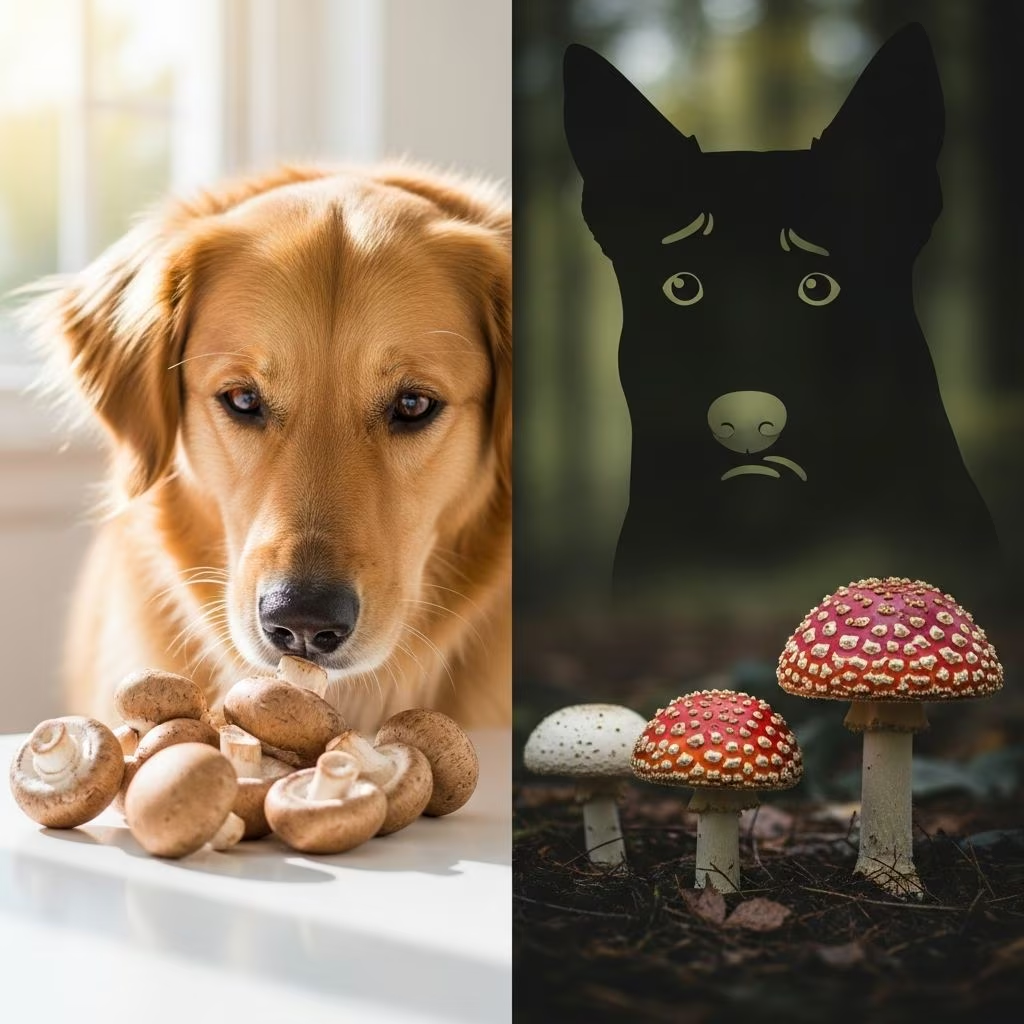
Can Dogs Eat Mushrooms? A Complete Guide
If you’ve ever noticed your dog eyeing the mushrooms you’re chopping for dinner, you’ve probably wondered whether it’s safe to share. The answer is nuanced: some mushrooms are safe for dogs in moderation, while others are highly toxic and potentially fatal. Understanding the difference is crucial for keeping your canine companion healthy and safe.
The Simple Answer: It Depends
Dogs can eat certain types of mushrooms, but not all. Store-bought mushrooms sold at grocery stores are generally safe for dogs, while wild mushrooms pose a serious health risk. The key distinction lies in the source and species of the mushroom. Mushrooms you purchase from a supermarket have been cultivated under controlled conditions and are typically varieties that are also safe for human consumption. In contrast, wild mushrooms can be difficult to identify correctly, and toxic varieties can closely resemble harmless ones, making them extremely dangerous.
Which Store-Bought Mushrooms Are Safe for Dogs?
Several common culinary mushroom varieties available at grocery stores are considered safe for dogs when prepared properly. These include:
- White button mushrooms
- Cremini mushrooms
- Portabella mushrooms
- Baby bella mushrooms
- Shiitake mushrooms
- Oyster mushrooms
- Porcini mushrooms
- Maitake mushrooms
These varieties bring nutritional benefits and a burst of flavor to the human diet. Many common culinary mushrooms, like button mushrooms, shiitake, and oyster mushrooms, are considered safe for dogs in moderation. However, just because a mushroom is safe doesn’t mean it should become a regular part of your dog’s diet. Mushrooms should be an occasional treat, not a dietary staple.
Toxic Mushrooms Dogs Must Avoid
Not all wild mushrooms are created equal when it comes to toxicity. Several dangerous species can cause severe health complications in dogs:
Highly Toxic Species
- Death Cap (Amanita phalloides) – One of the most poisonous mushrooms, containing deadly toxins that affect multiple organ systems
- Destroying Angels (Amanita species) – Similar to Death Caps, these contain muscarine and amatoxins that cause severe gastrointestinal distress and organ damage
- Webcaps (Inocybe) – Contains deadly levels of muscarine that can cause gastrointestinal distress and harm to the liver
- Ivory Funnel (Clitocybe dealbata) – Certain species contain toxins that can affect the nervous system
- False Morels – Contain gyromitrin, which is toxic to dogs
The only truly safe way to prevent mushroom poisoning in dogs is to avoid allowing them to eat mushrooms altogether, especially those found in the wild. If you’re unsure about a mushroom’s identity, it’s best to err on the side of caution and keep it away from your dog entirely.
How to Safely Prepare Mushrooms for Dogs
If you’ve decided to offer store-bought mushrooms to your dog, proper preparation is essential. Following these guidelines will help ensure your dog enjoys mushrooms safely:
Preparation Best Practices
- Cook the mushrooms – Cooked mushrooms are best, as cooking makes the mushrooms more digestible and destroys any potential harmful bacteria that might be present. Raw mushrooms can be harder for dogs to digest and may pose additional food safety risks
- Serve plain – Dogs can eat store-bought mushrooms cooked in a light drizzle of olive oil, but organic, uncooked, and unseasoned mushrooms are the best option for your pet’s health and weight. Avoid any added seasonings, oils, butter, or salt
- Remove problematic ingredients – Never share mushrooms from your plate with your dog, as they are often cooked with unhealthy salts and oils, as well as garlic and onions, which are highly toxic to dogs
- Chop into small pieces – Mushrooms should be chopped or pureed to prevent choking and facilitate digestion. Large pieces of mushroom can pose a choking hazard, especially for small dogs
- Serve in moderation – Start with a small amount to see how your dog reacts and gradually increase the quantity if there are no adverse effects. Even safe mushrooms can cause stomach upset if eaten in large amounts
- Wash thoroughly – Always wash edible mushrooms first to remove any dirt or contaminants before preparing them for your dog
Nutritional Benefits of Safe Mushrooms
When prepared correctly and offered in appropriate portions, store-bought mushrooms can provide your dog with certain nutritional advantages. Non-toxic mushrooms are rich in essential nutrients, including vitamins (B vitamins and vitamin D), minerals (selenium, potassium and copper) and antioxidants, which can help support your dog’s overall health. Mushrooms also contain vitamins A, C, and E, as well as fiber, protein, iron, and magnesium.
However, it’s important to maintain perspective: mushrooms don’t provide as much nutritional benefits to dogs as they do to humans. There’s no real advantage to feeding your dog mushrooms. While they can be a healthy occasional treat, the rest of your dog’s nutritional needs should be met with nutritionally-balanced dog food.
Potential Health Support
According to research, mushrooms may help dogs in the following ways:
- Support liver and kidney function
- Stabilize blood sugar and metabolism
- Lower cholesterol
- Boost weight loss efforts
- Prevent fatty liver disease
- Boost immune system function
- Reduce blood pressure
- Support heart health
- Provide antioxidants and anti-inflammatory support
Certain medicinal mushrooms, such as Lion’s Mane (Hericium erinaceus), have been studied for potential neuroprotective effects and may support cognitive function. However, when incorporating mushrooms into your dog’s diet, it’s essential to do so under the guidance of a veterinarian. The appropriate dosage and form (e.g., powder, extract) can vary, and individual dogs may react differently.
Why Wild Mushrooms Are Dangerous
While mushrooms sold at grocery stores are typically safe for Fido in moderation, several types of wild mushrooms are highly toxic to dogs. Wild mushrooms present a particularly serious threat because:
- Many toxic species look similar to edible varieties, making identification difficult for non-experts
- A single toxic mushroom can cause severe illness or death, depending on the species and amount consumed
- Some toxic mushrooms have a fishy smell that can appeal to dogs, making them more likely to eat them
- Symptoms of mushroom poisoning may not appear immediately, complicating diagnosis and treatment
- Cooking or processing toxic mushrooms does not eliminate their toxins
The only truly safe way to prevent mushroom poisoning in dogs is to avoid allowing them to eat mushrooms altogether, especially those found in the wild. This means removing any mushrooms that grow in your yard immediately and keeping your dog on a leash during walks in areas where mushrooms may grow.
What to Do If Your Dog Eats a Wild Mushroom
If you suspect your dog has eaten a wild mushroom, time is critical. Contact your veterinarian or poison control immediately with as much information as possible about the mushroom, including:
- The approximate time of ingestion
- The location where the mushroom was found
- A photo or description of the mushroom if possible
- The estimated amount consumed
- Any symptoms your dog is currently displaying
Do not attempt to identify the mushroom yourself or delay seeking professional help. Early intervention can be lifesaving in cases of mushroom poisoning.
Mushroom Supplements vs. Whole Mushrooms
For dog owners interested in the therapeutic benefits of mushrooms, supplements may be a safer and more effective option than offering whole mushrooms. Supplements are carefully formulated so that the beneficial bioactive compounds that would normally be contained in many mushrooms can be consumed in just a single serving. This approach offers several advantages:
- Higher concentration – It may be unsafe to feed your dog an abundance of mushrooms, and overeating can give any pet a tummy ache. Supplements deliver therapeutic doses in appropriate amounts
- Reliable safety – You can rest assured that trusted canine health supplements contain safe and consistent amounts of medicinal mushrooms. Instead of having to eyeball the amount of mushrooms you’re feeding your dog, simply follow the dosage instructions of the supplement to be sure they’re getting the exact right amount of the ingredient
- Professional formulation for canine health
- Elimination of preparation concerns
- Consistent, standardized potency
The use of therapeutic mushrooms is not a substitute for proper veterinary care, and any health concerns should be addressed with your veterinarian.
Prevention Strategies for Mushroom Poisoning
The best approach to mushroom safety is prevention. Here are practical steps to keep your dog safe:
- Remove mushrooms from your yard immediately upon discovery
- Keep your dog on a leash during walks in areas where wild mushrooms grow, particularly in damp seasons
- Supervise outdoor time in your garden or backyard
- Never allow your dog to eat any mushrooms found in the wild
- If unsure about a mushroom’s safety, consult a local mushroom expert or mycologist
- Keep mushrooms and mushroom-containing foods off counters and tables where dogs might access them
- Teach children not to hand mushrooms to the dog
Frequently Asked Questions
Q: Can dogs eat raw mushrooms?
A: While store-bought mushrooms are not toxic raw, cooked mushrooms are preferred as they’re more digestible and any potential bacteria are destroyed during cooking. Always serve mushrooms plain, without seasoning or additives.
Q: Are button mushrooms safe for dogs?
A: Yes, white button mushrooms are among the safest mushroom varieties for dogs. They’re commonly available at grocery stores and are safe when served plain and cooked. However, they should only be offered occasionally and in small amounts.
Q: What if my dog eats a mushroom from my plate?
A: If the mushroom came from a grocery store and was prepared plain without garlic, onions, butter, or excessive salt, it’s likely safe. However, mushrooms prepared for human consumption often contain these harmful ingredients. Monitor your dog for any signs of distress and contact your vet if you’re concerned.
Q: How much mushroom can I safely give my dog?
A: Mushrooms should be given in moderation as an occasional treat, not a regular dietary component. Start with a small piece and observe your dog’s reaction. Most safe mushrooms should make up less than 10% of your dog’s daily caloric intake, with the majority coming from balanced dog food.
Q: Can cooking destroy toxins in wild mushrooms?
A: No. Cooking poisonous mushrooms will not make them less toxic. This is why avoiding wild mushrooms entirely is the safest approach. Only store-bought mushrooms that are safe in their raw form are appropriate for dogs.
Q: What are the symptoms of mushroom poisoning in dogs?
A: Symptoms vary depending on the mushroom species but may include vomiting, diarrhea, abdominal pain, drooling, lethargy, tremors, seizures, or organ failure. Contact your vet immediately if your dog shows any of these signs after eating a mushroom.
References
- Can Dogs Eat Mushrooms? — ElleVet Sciences. Accessed January 2026. https://www.ellevetsciences.com/blog/can-dogs-eat-mushrooms/
- Can Dogs Eat Mushrooms? — PetMD. Accessed January 2026. https://www.petmd.com/dog/nutrition/can-dogs-eat-mushrooms
- Can Dogs Eat Mushrooms? — VEG ER for Pets. Accessed January 2026. https://www.veg.com/post/can-dogs-eat-mushrooms
- Can Dogs Eat Mushrooms? Safe & Poisonous Guide — Purina UK. Accessed January 2026. https://www.purina.co.uk/articles/dogs/feeding/what-dogs-eat/can-dogs-eat-mushrooms
- Can Dogs Eat Mushrooms? It Depends — Chewy. Accessed January 2026. https://www.chewy.com/education/dog/food-and-nutrition/can-dogs-eat-mushrooms
- Are Mushrooms Good for Dogs? — Vetericyn Animal Wellness. Accessed January 2026. https://vetericyn.com/blogs/vetericyn/are-mushrooms-good-for-dogs



