

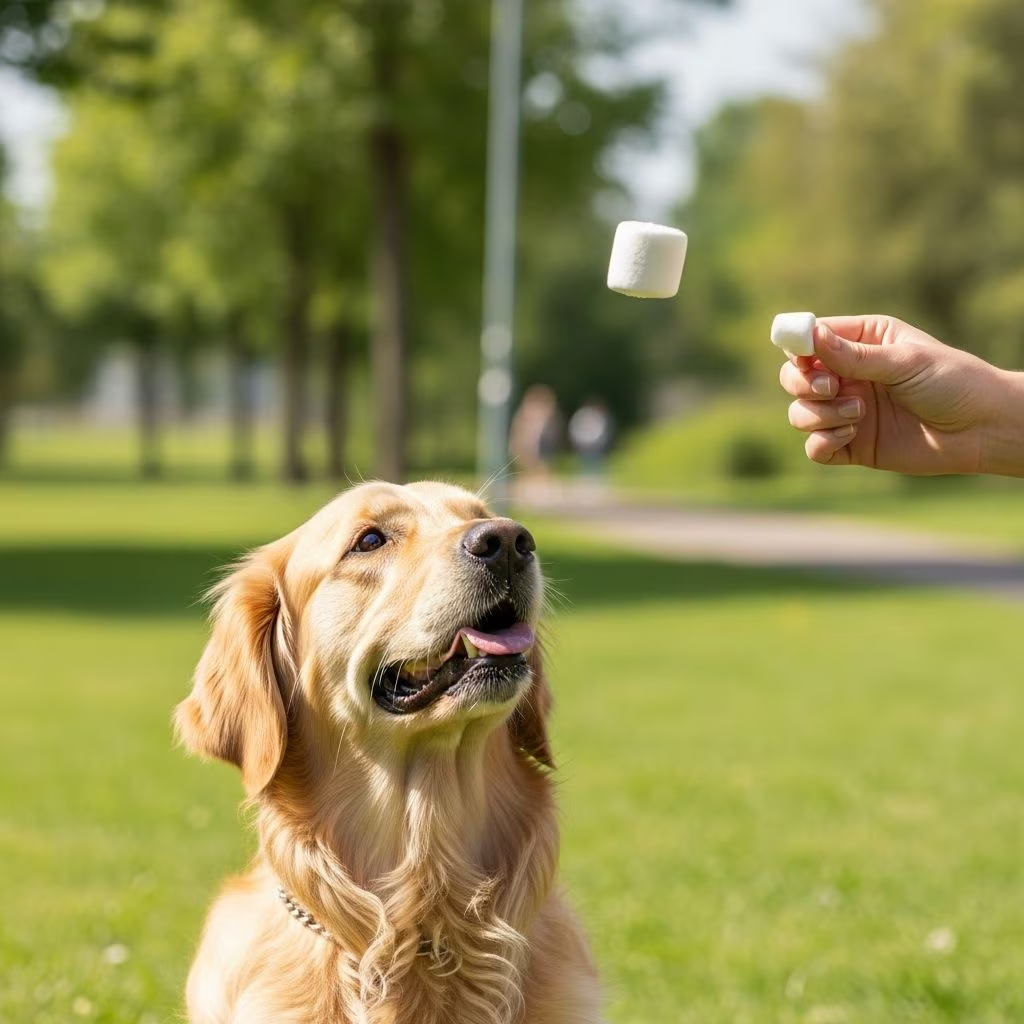
Marshmallows might look like a fun, fluffy treat during campfires or holiday baking, but they are not safe for dogs. These sugary confections can lead to immediate toxicity or long-term health problems in canines. Understanding the composition of marshmallows and how a dog’s body processes them reveals why pet owners should steer clear.
Understanding Marshmallow Ingredients
Marshmallows are primarily made from sugar, corn syrup, gelatin, and water, often flavored with vanilla or coated in cornstarch or powdered sugar. While these ingredients seem simple, they create challenges for dogs’ digestive systems and metabolism. Dogs lack the enzymes to break down high concentrations of sugar efficiently, unlike humans who can indulge occasionally without severe consequences.
Gelatin, derived from animal collagen, provides the chewy texture but can be hard for dogs to digest in large amounts. Artificial additives in some varieties, particularly sweeteners, amplify the risks significantly.
The Critical Danger of Xylitol in Marshmallows
**Xylitol stands out as the most alarming ingredient in certain marshmallows.** This sugar alcohol, common in sugar-free or low-calorie versions, is harmless to humans but deadly to dogs. Even tiny amounts trigger a massive insulin release in dogs, causing hypoglycemia—a dangerous drop in blood sugar levels.
- Symptoms appear within 30 minutes: vomiting, weakness, tremors, and lethargy.
- Severe cases progress to seizures, coma, or liver failure within 24-48 hours.
- Veterinarians like Dr. Carly Fox from Animal Medical Center emphasize that xylitol toxicity requires immediate treatment to prevent death.
Always check labels for xylitol, especially in ‘diet’ or ‘no-sugar-added’ marshmallows. If ingested, contact a vet or pet poison hotline without delay.
Health Impacts of Sugar Overload
Regular marshmallows without xylitol still pack a sugar punch harmful to dogs. Canines are omnivores adapted to low-sugar diets from meat and vegetation, not refined sweets. Frequent sugar exposure leads to multiple issues.
| Risk | Effects on Dogs | Long-Term Consequences |
|---|---|---|
| Obesity | Excess calories from sugar promote fat accumulation. | Joint strain, heart disease, reduced lifespan. |
| Dental Problems | Sugar fuels plaque and tartar buildup. | Gum disease, tooth decay, pain. |
| Diabetes Risk | Overburdens pancreas, leading to insulin resistance. | Chronic management needed, organ damage. |
One marshmallow might not cause instant harm, but sharing becomes a habit risks these conditions. Veterinary sources unanimously advise against sugary treats.
Digestive Distress from Marshmallows
The sticky, gelatinous nature of marshmallows often ferments in a dog’s gut, causing fermentation and gas. High sugar draws water into the intestines, leading to osmotic diarrhea.
- Common symptoms: vomiting, diarrhea, bloating, flatulence.
- Dogs with sensitive stomachs or conditions like pancreatitis face amplified reactions.
- Gelatin can form indigestible clumps, exacerbating upset.
Even small quantities upset the gut microbiome, potentially leading to prolonged discomfort. Monitor for persistence beyond 24 hours, as it may signal pancreatitis.
Choking Hazards and Burn Risks
**Size and texture make marshmallows a choking threat, particularly for small breeds.** Fluffy ones expand when wet in the mouth, lodging in throats. Larger or roasted versions heighten dangers.
Roasted marshmallows reach over 150°F internally, causing burns upon quick gulping. Gooey residues stick to teeth, gums, and esophagi, leading to:
- Oral or esophageal thermal injuries.
- Pain, reluctance to eat, drooling.
- Need for pain meds or wound care.
Avoid campfire temptations; the sticky aftermath invites dental complications too.
Allergies and Other Reactions
Though rare, some dogs react to gelatin or flavorings with allergies. Watch for itching, hives, swelling, or breathing issues—seek emergency care if observed.
Pancreatitis risk rises from fat-sugar combos in certain marshmallows, causing severe abdominal pain and vomiting.
Safe and Healthy Alternatives to Marshmallows
Skip marshmallows for nutritious options dogs love. Prioritize low-calorie, dog-safe treats supporting health.
- Fruits: Apple slices (no seeds), blueberries, watermelon (seedless)—antioxidant-rich, hydrating.
- Vegetables: Carrot sticks, green beans, cucumber—crunchy, low-sugar fiber sources.
- Commercial Treats: Vet-approved, grain-free options with natural ingredients.
- Homemade: Frozen peanut butter (xylitol-free) in Kongs or broth popsicles.
Limit treats to 10% of daily calories. Consult vets for breed-specific needs.
What to Do If Your Dog Eats a Marshmallow
- Assess quantity and type: One regular? Monitor. Sugar-free? Emergency.
- Note symptoms onset: Vomiting, weakness, seizures warrant immediate vet visit.
- Don’t induce vomiting without professional guidance—risks aspiration.
- Provide details: Brand, amount, time ingested for treatment.
Better safe: Call vet or ASPCA Poison Control even for small amounts.
Preventing Treat Temptations
Train ‘leave it’ commands. Store sweets inaccessible. Educate family on risks. During events, offer dog distractions like puzzle toys.
Focus on balanced kibble or raw diets meeting AAFCO standards for optimal health.
Frequently Asked Questions
Is one marshmallow okay for my dog?
Occasionally, a single regular marshmallow might cause mild upset but isn’t ideal. Risks accumulate; best avoided.
How much xylitol is toxic to dogs?
As little as 0.1g/kg body weight can harm. A single gum piece or candy equals danger for small dogs.
Can puppies eat marshmallows?
No—puppies’ systems are more sensitive to sugar and toxins.
Are vegan marshmallows safer?
Not necessarily; many use xylitol or excess sugar. Always check ingredients.
What are signs of marshmallow poisoning?
GI upset for regular; hypoglycemia symptoms (shaking, collapse) for xylitol. Act fast.
References
- Can dogs eat Marshmallows? | Vet Verified Answer — Pooch and Mutt. 2023. https://www.poochandmutt.co.uk/blogs/can-dogs-eat/marshmallows
- Are Marshmallows Safe for Dogs? — VEG ER for Pets. 2024. https://www.veg.com/post/are-marshmallows-safe-for-dogs
- Can Dogs Eat Marshmallows? — Country Club Animal Hospital. 2024. https://ccahweb.com/veterinary-blog/can-dogs-eat-marshmallows/
- Can Dogs Eat Marshmallows? — Skyline Veterinary Clinic. 2023. https://skylineveterinaryclinic.com/articles/can-dogs-eat-marshmallows
- Can Dogs Eat Marshmallows? — Walnut Creek Veterinary Clinic. 2024. https://walnutcreekvetclinic.com/articles/can-dogs-eat-marshmallows
- Can Dogs Eat Marshmallows? — American Kennel Club. 2023-10-05. https://www.akc.org/expert-advice/nutrition/can-dogs-eat-marshmallows/
- My Dog Ate Marshmallows – Signs, Emergencies — GSVS. 2024. https://gsvs.org/blog/dog-ate-marshmallows-emergency/



