

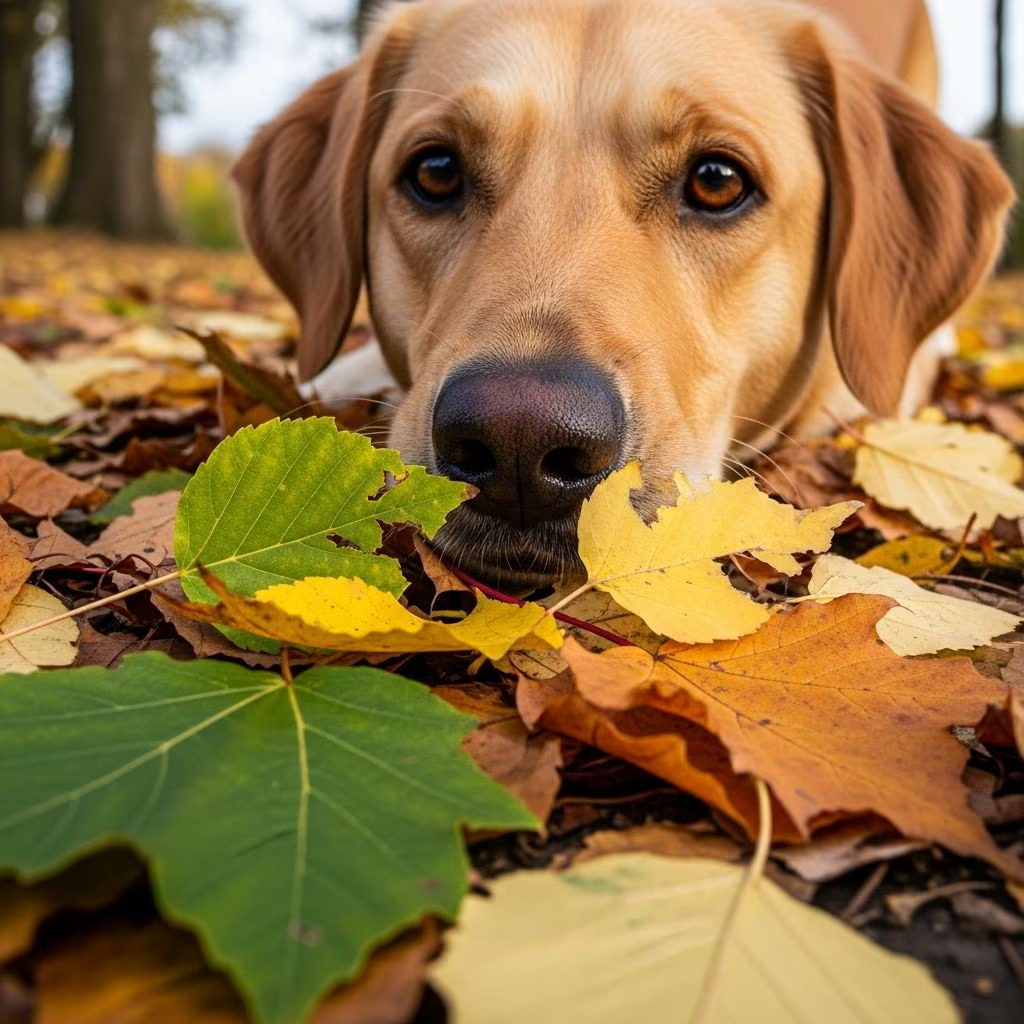
Can Dogs Eat Leaves? Why Do Dogs Eat Leaves?
Many dog owners observe their furry companions happily munching on fallen leaves in the yard or chasing and nibbling on them during walks. While this behavior might seem harmless and natural, understanding the potential dangers is crucial for pet safety. The straightforward answer is: dogs can technically eat some leaves, but that doesn’t mean they should.
Eating the occasional leaf here or there usually isn’t a significant concern, but certain leaves can be toxic to dogs, and consuming too many can upset your pet’s digestive system. Understanding why dogs engage in this behavior and the associated risks will help you make informed decisions about your dog’s health and safety.
Why Do Dogs Eat Leaves?
Dogs eat leaves for various reasons, and understanding the underlying motivation can help you address the behavior more effectively. The most common reasons include:
- Boredom and lack of stimulation: Dogs need mental and physical engagement throughout the day. When they’re not sufficiently entertained, they may turn to leaf-eating as a way to pass time.
- Curiosity: Puppies, in particular, explore their environment by putting things in their mouths. This natural exploratory behavior often leads to leaf chewing.
- Attention-seeking: Some dogs learn that eating leaves gets a reaction from their owners, whether it’s a scolding or immediate attention, and they repeat the behavior.
- Nutritional deficiencies: In rare cases, dogs may seek out the fiber and other nutrients in leaves if they’re not receiving a complete and balanced diet.
- Upset stomach: Dogs often eat grass and leaves to help alleviate digestive discomfort or to induce vomiting to clear their stomach.
- Pica: This behavioral condition involves compulsive eating of non-food items and may indicate underlying mental health or medical issues requiring veterinary attention.
Can Dogs Safely Eat Leaves?
While many leaves are non-toxic to dogs, that doesn’t necessarily mean they’re safe to eat. The relationship between dogs and leaves is more complex than a simple yes or no answer. Some common trees produce leaves that are non-toxic in small amounts but can still cause problems when consumed in larger quantities.
Large quantities of leaves can lead to gastrointestinal upset, including vomiting, diarrhea, or in severe cases, intestinal blockages if the leaves clump together in the digestive tract. Even leaves from non-toxic trees can irritate your dog’s stomach lining, causing discomfort and digestive distress.
The more serious concern involves toxicity. Certain plants and trees produce leaves that contain compounds harmful to dogs. The amount needed to cause toxicity varies significantly depending on the type of tree or shrub, the condition of the leaves (fresh versus decaying), and individual factors like your dog’s size, age, and overall health status.
Toxic Leaves to Avoid
Familiarizing yourself with toxic plants in your area is essential for protecting your dog. Several common trees and shrubs produce leaves that can cause serious health problems if ingested:
Oak Leaves
Oak leaves contain tannins, natural compounds that help trees fight disease and pests. When dogs consume oak leaves, these tannins can cause digestive upset and potentially lead to more serious complications like liver issues, depending on the quantity consumed. Oak leaves are among the most commonly encountered toxic leaves that dogs might encounter.
Cherry and Peach Tree Leaves
The leaves of cherry and peach trees contain cyanogenic glycosides, compounds that can poison dogs if ingested. These leaves pose a significant toxicity risk and should be kept away from your pet.
Black Walnut
Black walnut leaves and nuts can be toxic to dogs, and trees that drop these leaves should be avoided during walks and in your yard.
Oleander
Oleander is particularly dangerous because even one or two leaves can potentially be fatal to a dog. This ornamental plant contains digitalis-like toxins that can affect the heart’s ability to beat normally. There have been documented cases of dogs dying after consuming oleander leaves or even drinking from water bowls contaminated with fallen oleander leaves.
Azalea and Rhododendron
Both azaleas and rhododendrons contain toxic compounds that can cause serious health issues in dogs. These plants are common in landscaping, making accidental exposure a real concern for pet owners.
Red Maple
Red maple leaves are toxic to dogs and can cause significant health problems if consumed in quantities.
Japanese Yew and Tomato Plants
Both of these plants have toxic leaves that can make your dog very ill if ingested. Familiarize yourself with the specific plants in your yard and neighborhood to help protect your pet.
Because toxicity levels vary considerably among different plants, it’s wise to treat all unidentified plant material as potentially toxic and encourage your dog to avoid them.
Health Risks Associated with Leaf Consumption
Beyond direct toxicity, leaf-eating presents several other health hazards that pet owners should understand:
Gastrointestinal Upset
Even non-toxic leaves can irritate your dog’s stomach lining, leading to vomiting, diarrhea, and general gastrointestinal discomfort. The leaf material may be difficult for your dog’s digestive system to process.
Intestinal Blockages
If your dog consumes a large quantity of leaves, the material can clump together in the digestive tract, causing intestinal blockages. This is a serious condition that may require surgical intervention and is particularly concerning in puppies and small breed dogs.
Mold, Bacteria, and Parasites
Fallen leaves, especially those that are dead and rotting, can harbor dangerous mold, bacteria, and parasites. Moldy leaves can cause vomiting, tremors, or even neurological issues in severe cases. These microorganisms pose health risks independent of the plant’s inherent toxicity.
Chemical Exposure
Leaves in public areas and some yards may be treated with herbicides, pesticides, and fertilizers. These chemical treatments can be toxic to your dog and may cause both short-term and long-term health effects if ingested.
Toxicity from Plant Compounds
As discussed above, leaves from certain trees and shrubs contain toxic compounds that can cause serious health issues ranging from mild gastrointestinal upset to organ damage or death, depending on the plant and quantity consumed.
My Dog Ate Leaves—What Do I Do?
If your dog has eaten leaves, don’t panic. Take a systematic approach to assess the situation and determine if veterinary care is necessary.
Step 1: Identify the Plant
If you know or suspect your dog ate leaves from a potentially toxic tree or shrub, call your veterinarian immediately. If you’re uncertain about the plant’s identity, you can call the Pet Poison Helpline at 855-764-7661 for professional advice on next steps. Having a sample of the leaves your dog consumed can be extremely helpful for identification and treatment planning.
Step 2: Monitor for Symptoms
Watch your dog closely for signs of poisoning or gastrointestinal distress over the following hours and days. Symptoms to monitor include:
- Continuous vomiting or diarrhea
- A painful, bloated, or hard abdomen
- Straining or inability to pass stool, which may indicate a blockage
- Lethargy or unusual fatigue
- Loss of appetite
- Signs of severe illness such as collapse, seizures, or severe weakness
Step 3: Seek Veterinary Care if Needed
Contact your veterinarian or emergency animal hospital if you observe any concerning symptoms. Bring a sample of the leaves if possible, as this aids in proper diagnosis and treatment. Do not wait to see if symptoms resolve on their own, especially if you suspect consumption of a toxic plant or if your dog shows signs of intestinal blockage.
Prevention Strategies
The best approach to leaf-eating is prevention. Implement these strategies to reduce or eliminate the behavior:
Increase Physical and Mental Stimulation
Provide your dog with plenty of exercise, interactive play sessions, and mental enrichment activities. A tired dog is less likely to engage in destructive or exploratory behaviors like eating leaves.
Redirect Attention with Toys
Offer appropriate chew toys and toys designed for mental stimulation. When you catch your dog reaching for leaves, redirect their attention to these suitable alternatives.
Secure Your Yard
Remove toxic plants from your yard if possible. If removal isn’t feasible, create barriers to prevent your dog from accessing these plants.
Supervise Outdoor Time
Monitor your dog closely during yard time and walks. Immediate intervention when you see leaf-eating beginning can help break the habit.
Maintain a Balanced Diet
Ensure your dog receives complete and balanced nutrition to reduce nutritional deficiencies that might drive leaf-eating behavior.
Address Underlying Issues
If your dog shows signs of pica or obsessive leaf-eating, consult with your veterinarian or a professional dog trainer to identify and address underlying behavioral or medical issues.
Additional Concerns: Sticks and Other Plant Material
While discussing leaf consumption, it’s worth noting that sticks present similar risks. Sticks can splinter, causing mouth injuries, choking hazards, or intestinal blockages requiring surgery. Some sticks can also be toxic. If your dog eats sticks, try to redirect their attention with appropriate chew toys and follow the same prevention strategies recommended for leaf-eating.
Frequently Asked Questions About Dogs Eating Leaves
Q: Are fallen leaves toxic to dogs?
A: Some fallen leaves are toxic to dogs, while many are harmless. Shrubs and trees like azalea, oleander, and oak produce toxic leaves. Additionally, fallen leaves may be sprayed with pesticides, herbicides, or fertilizers that are toxic even if the plant itself is safe. It’s best to prevent your dog from eating fallen leaves.
Q: Can my dog play in leaf piles?
A: Yes, many dogs enjoy playing in leaf piles, and this activity is generally safe. However, be aware that leaf piles can harbor fleas and ticks, as these parasites gravitate toward such areas. While playing, your dog may grab and toss leaves but typically won’t ingest significant quantities.
Q: What should I do if my dog eats a leaf from an unknown plant?
A: Monitor your dog for symptoms of poisoning or gastrointestinal distress. If symptoms appear or if you’re concerned, contact your veterinarian or the Pet Poison Helpline. Trying to identify the plant can help determine the appropriate response.
Q: Is it okay if my dog eats sticks?
A: No. Sticks can splinter, causing mouth injuries, choking hazards, or intestinal blockages that may require surgery. Some sticks can also be toxic. Redirect your dog’s attention to appropriate chew toys instead.
Q: Why does my dog keep eating leaves even though I try to stop them?
A: Persistent leaf-eating may indicate boredom, lack of proper nutrition, an upset stomach, or pica (compulsive eating of non-food items). A veterinary evaluation can help rule out underlying medical issues, and a professional dog trainer can address behavioral concerns.
Q: How can I tell if my dog has a serious blockage from eating leaves?
A: Signs of intestinal blockage include a painful, bloated, or hard abdomen, straining or inability to pass stool, vomiting, and lethargy. These are emergency symptoms requiring immediate veterinary attention.
References
- Can Dogs Eat Leaves? — Chewy. 2025. https://www.chewy.com/education/dog/training-and-behavior/can-dogs-eat-leaves
- Can Dogs Eat Leaves, and Why Is Your Dog Eating Them? — ManyPets. https://manypets.com/uk/articles/can-dogs-eat-leaves-and-why-is-your-dog-eating-them/
- Why Is My Dog Eating Leaves? — Whole Dog Journal. https://www.whole-dog-journal.com/care/dog-eating-leaves/
- Why Does My Dog Eat Leaves? Stop Dogs From Feasting on Foliage — American Kennel Club. https://www.akc.org/expert-advice/advice/why-does-my-dog-eat-leaves/
- Plants Poisonous to Dogs — PetMD. https://www.petmd.com/dog/poisons/plants-poisonous-to-dogs



