

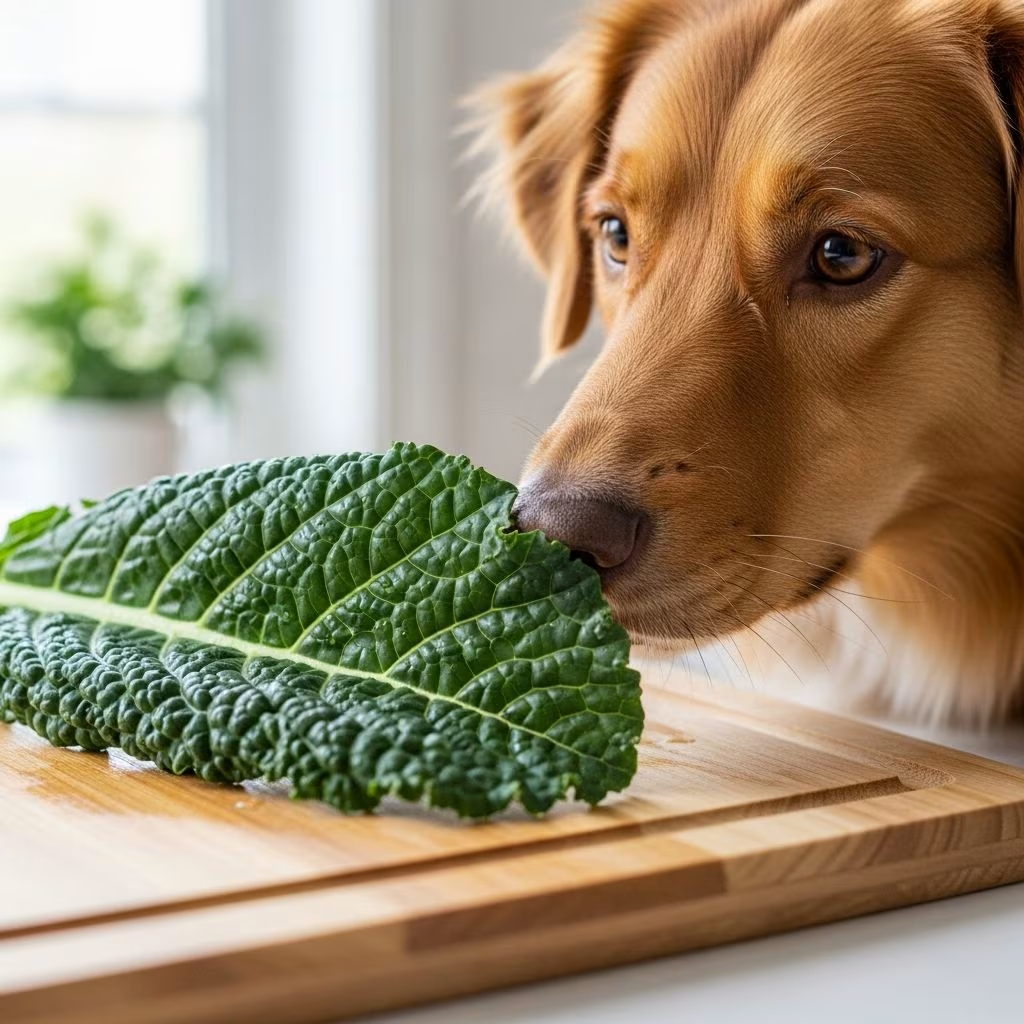
Kale is a nutrient-dense leafy green often hailed as a superfood for humans, but can dogs eat kale safely? The answer is yes, in moderation. Kale provides vitamins A, C, K, calcium, magnesium, antioxidants, and fiber that support canine health, but it also contains oxalates and isothiocyanates that pose risks like kidney stones and gastric irritation if fed excessively.
This comprehensive guide covers the nutritional benefits, potential dangers, safe preparation methods, feeding guidelines, and alternatives to help you decide if kale belongs in your dog’s diet.
Is Kale Safe for Dogs?
Kale can be safe for most healthy dogs when given in small amounts as an occasional treat, comprising less than 10% of their daily caloric intake. The American Kennel Club notes that while kale isn’t toxic, its calcium oxalate content can contribute to kidney and bladder stones, especially in prone dogs. Isothiocyanates, natural compounds in cruciferous vegetables like kale, may cause mild gastrointestinal upset such as gas, diarrhea, or stomach aches.
For dogs with pre-existing conditions like hypothyroidism, kidney issues, or bladder stones, kale should be avoided entirely or limited strictly under veterinary guidance, as it interferes with iodine uptake and thyroid function. Always introduce kale gradually and monitor for adverse reactions like vomiting, changes in urination, or lethargy.
Nutritional Benefits of Kale for Dogs
Kale packs a powerful nutritional punch, making it a worthwhile addition to a balanced dog diet when fed appropriately. Key benefits include:
- Vitamins A, C, and K: Vitamin A supports vision and immune function; vitamin C acts as an antioxidant and anti-inflammatory; vitamin K aids blood clotting and bone health.
- Calcium and Magnesium: Essential for strong bones, muscles, and nerve function, though excess calcium from oxalates poses risks.
- Antioxidants: Combat free radicals that contribute to cancer, diabetes, heart disease, and aging by stabilizing unstable molecules and protecting cells.
- Fiber: Promotes digestive health, prevents constipation, and supports a healthy gut microbiome.
- Anti-Inflammatory and Cancer-Fighting Properties: High vitamin C and antioxidants reduce inflammation and may lower cancer risk from environmental toxins like pollution.
These nutrients make kale superior to many commercial treats, but it should never replace a complete, vet-approved diet.
Potential Risks and Dangers of Kale for Dogs
Despite its benefits, kale isn’t risk-free. Here’s a breakdown of primary concerns:
| Risk | Cause | Symptoms | High-Risk Dogs |
|---|---|---|---|
| Kidney/Bladder Stones | High calcium oxalates | Painful urination, blood in urine, vomiting | History of stones, certain breeds |
| Gastric Irritation | Isothiocyanates | Gas, diarrhea, stomach pain | Sensitive stomachs |
| Thyroid Interference | Goitrogens blocking iodine | Weight gain, lethargy (worsens hypothyroidism) | Thyroid conditions |
| Choking/Digestion Issues | Tough raw stems/fiber | Bloating, choking, refusal to eat | Small breeds, puppies |
Overfeeding exacerbates these: cruciferous veggies over 25% of diet can be toxic. Cooking reduces oxalates and isothiocyanates, mitigating some risks.
How to Prepare Kale for Your Dog
Proper preparation maximizes benefits and minimizes dangers:
- Remove Stems: Fibrous stems pose choking hazards and are hard to digest.
- Wash Thoroughly: Eliminate pesticides and dirt.
- Cook Preferred: Steaming, boiling, or baking softens kale, reduces oxalates by up to 50%, and improves digestibility. Avoid seasonings, oils, or garlic/onions.
- Raw in Moderation: Finely chop small amounts for nutrient retention, but cook for dogs with sensitive digestion.
- Portion Control: Start with tiny amounts (e.g., 1 tsp for small dogs) to test tolerance.
Store prepared kale in the fridge for up to 3 days or freeze portions for convenience.
How Much Kale Can Dogs Eat?
Moderation is crucial—kale should not exceed 10% of daily calories to avoid toxicity. General guidelines by dog size:
| Dog Size | Weight | Daily Kale Amount (Cooked) |
|---|---|---|
| Toy | <10 lbs | 1/4 – 1/2 tsp |
| Small | 10-25 lbs | 1/2 – 1 tbsp |
| Medium | 25-50 lbs | 1-2 tbsp |
| Large | 50-90 lbs | 2-4 tbsp |
| Giant | >90 lbs | 1/4 – 1/2 cup |
Adjust based on activity level, health, and vet advice. Mix into kibble, fresh food, or as toppers. Puppies, seniors, and overweight dogs need less.
Safe Alternatives to Kale for Dogs
If kale risks outweigh benefits for your dog, consider these low-oxalate greens:
- Green Beans: Low-calorie, high-fiber, safe in any quantity.
- Cucumbers: Hydrating, low-risk treat for weight management.
- Broccoli (Tips Only): Similar benefits, but limit due to isothiocyanates.
- Spinach (Sparingly): Nutrient-rich but monitor oxalates.
- Carrots or Sweet Potatoes: Beta-carotene sources without thyroid risks.
Commercial superfood toppers or vet-formulated greens blends offer balanced nutrition without guesswork.
Frequently Asked Questions (FAQs)
Can dogs eat raw kale?
Yes, but cooked is better—raw kale is tougher to digest and retains more oxalates/isothiocyanates. Chop finely and limit to tiny portions.
Is kale toxic to dogs?
No, kale isn’t toxic but can cause issues in excess. Keep under 10% of diet.
Can puppies eat kale?
Puppies can have small, cooked amounts occasionally, but prioritize puppy food for growth. Consult vet.
What if my dog ate too much kale?
Watch for vomiting, diarrhea, or urinary issues. Contact vet if symptoms persist; most resolve with withholding food.
Does cooking kale make it safer for dogs?
Yes, cooking reduces harmful compounds significantly, improving safety and digestibility.
Conclusion: Feed Kale Wisely
Kale can enhance your dog’s diet with antioxidants, vitamins, and fiber, but risks like stones and irritation demand caution. Prioritize moderation, preparation, and veterinary input for safe enjoyment. A varied, balanced diet with safe treats ensures long-term health.
References
- Kale for dogs: Is it safe? Nutritional benefits and feeding tips — ZIWI Pets. 2023. https://us.ziwipets.com/blogs/digestive-health/kale-for-dogs-is-it-safe-nutritional-benefits-and-feeding-tips
- Can Dogs Eat Kale? — Beco Pets. 2023. https://www.becopets.com/blogs/news/can-dogs-eat-kale
- Is Kale Safe for Dogs? — JustFoodForDogs. 2023. https://blog.justfoodfordogs.com/is-kale-safe-for-dogs.html
- Can Dogs Eat Kale? — American Kennel Club (AKC). 2024-10-15. https://www.akc.org/expert-advice/nutrition/can-dogs-eat-kale/
- Is Kale Safe For Your Dog? Experts Give Their Advice — Dogs Naturally Magazine. 2023. https://www.dogsnaturallymagazine.com/is-kale-toxic-to-dogs/



