

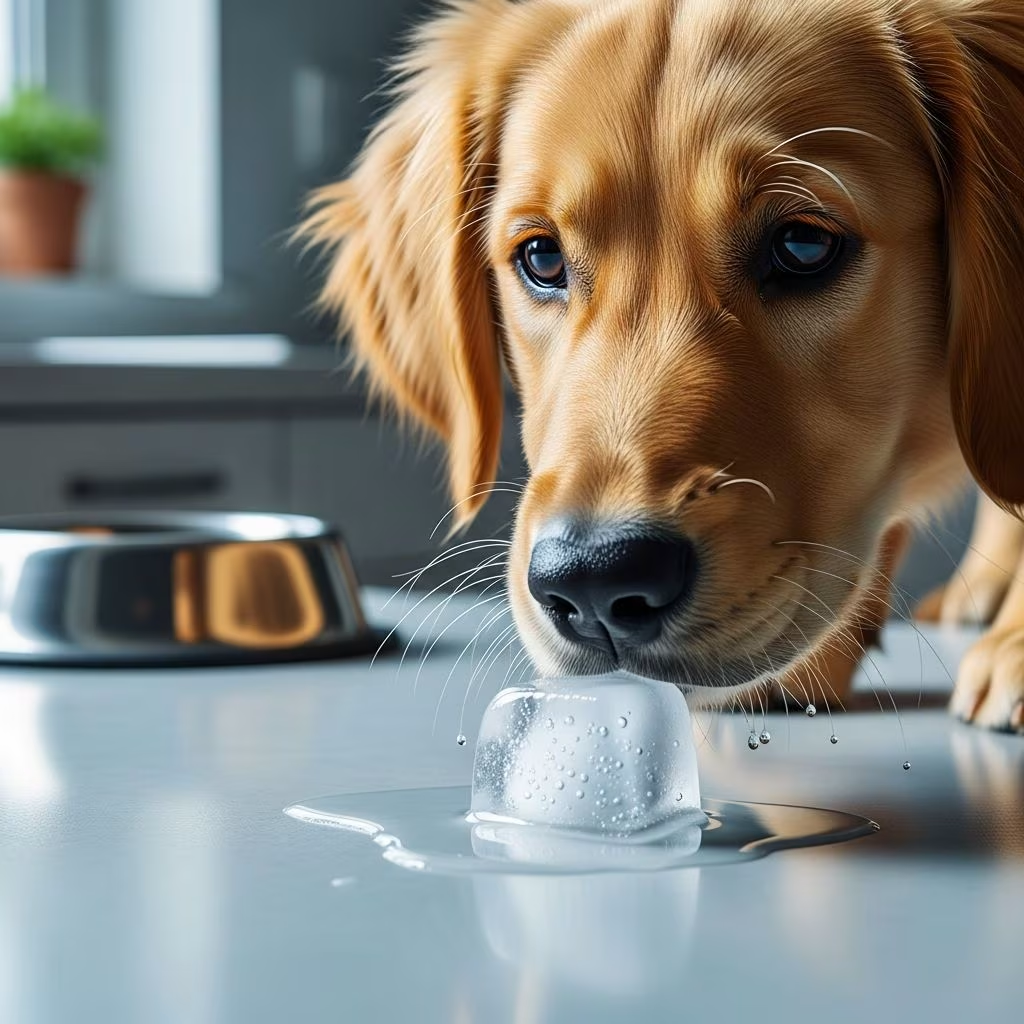
Can Dogs Eat Ice? A Comprehensive Safety Guide
When temperatures rise and you’re reaching for an ice cube to cool down, you might wonder if your furry friend can enjoy the same refreshing treat. Many dog owners question whether ice cubes are safe for their pets, and the answer isn’t as straightforward as yes or no. While ice is essentially frozen water and generally safe for most healthy adult dogs, there are several important considerations you should understand before offering this treat to your canine companion.
Ice can be a fun and hydrating treat during hot weather, but it comes with potential risks that every responsible pet owner should know about. Understanding these risks and learning how to safely offer ice to your dog will help you make informed decisions about your pet’s health and well-being.
The Basics: Is Ice Safe for Dogs?
Generally speaking, ice is safe for most healthy adult dogs when offered appropriately. Since ice is simply frozen water, it contains no harmful ingredients and can provide hydration benefits. Veterinarians typically approve of ice as an occasional treat, particularly during hot weather, as it can encourage hydration and provide mental enrichment through a crunchy texture that many dogs enjoy.
However, the key to safety lies in how you offer the ice and understanding your individual dog’s specific needs and health status. Not all dogs are suitable candidates for ice treats, and certain circumstances require caution or avoidance altogether.
Potential Risks of Ice for Dogs
While ice can be a safe treat for many dogs, it’s important to understand the potential risks associated with giving your pet frozen water cubes. Being aware of these dangers allows you to take preventative measures.
Dental Damage and Tooth Fractures
The most significant risk associated with dogs eating ice is potential dental damage. Ice cubes, or anything so hard that you cannot indent it with a fingernail, are known causes of tooth breakage in dogs. The larger and more firm an ice cube is, the higher the chance of a tooth fracture occurring.
Chewing on anything hard frequently can cause significant wear to tooth enamel over time. This is particularly concerning for senior dogs who already have weakened tooth enamel, puppies whose teeth are still developing, or dogs with pre-existing dental conditions. Dogs that tend to bite down aggressively on treats are also at higher risk for dental injuries from ice.
Using smaller cubes or shavings and giving ice in moderation can help avoid these issues. Consider letting ice soften slightly before serving or crushing it into manageable pieces appropriate for your dog’s size.
Choking Hazards
Dogs can certainly choke on ice, so always use caution with large pieces that can lodge in a dog’s airway before melting. Small dogs and those who eat quickly without properly chewing their food are at the greatest risk for choking incidents.
Additionally, animals who have dental disease, difficulty swallowing, underlying neurologic disease, or severe upper airway disease may have issues chewing and swallowing ice cubes. If your dog has any of these conditions, talk to your veterinarian before offering ice treats. Feeding smaller pieces of ice or shavings can effectively avoid choking issues.
Bloat and Gastric Dilation
While dog bloat is not directly associated with eating ice, drinking too much water may be a contributing factor to this life-threatening condition. Bloat is a twisting of the stomach that can occur in association with trapped gas and occurs for various reasons, including ingestion of large volumes of food, water, or air.
If eating ice causes your dog to gulp or drink water excessively, it could put them at higher risk for developing bloat. If your dog appears extra thirsty, ice cubes may not be the best choice for quenching their thirst. Excessive thirst can signify many diseases, so check with your veterinarian if you feel your dog is drinking more than normal.
Which Dogs Should Avoid Ice?
Certain groups of dogs should generally avoid ice treats or only have them with veterinary approval. Understanding which dogs fall into higher-risk categories helps you protect your pet’s health.
Puppies
Puppies have developing teeth that may be more susceptible to damage from hard substances like ice. Their teeth are not fully developed, making them more vulnerable to fractures and other dental injuries.
Senior Dogs
Older dogs often have weakened tooth enamel and may already have existing dental issues. Their teeth are more fragile and prone to breaking when exposed to hard frozen cubes.
Dogs with Dental Problems
Dogs with pre-existing dental disease, recent oral surgery, or sensitivity to cold items should avoid ice treats. These dogs have compromised dental health that ice could further damage.
Small Breeds and Rapid Eaters
Small dog breeds and dogs who eat quickly and frequently swallow without chewing are at greater risk for choking on ice pieces. Even small pieces of ice can present a hazard for these dogs.
Safe Ways to Offer Ice to Your Dog
If your dog is a healthy adult with no dental issues or choking concerns, you can safely offer ice treats by following these guidelines:
Proper Preparation Methods
Consider these safe methods for offering ice to your dog:
- Crush ice into small, manageable pieces appropriate for your dog’s size
- Let ice soften slightly before serving to reduce hardness
- Use special ice cube trays designed for pet treats
- Mix ice with a small amount of water to create a slushy texture that’s easier on teeth
- Freeze low-sodium broth or dog-safe fruits for added nutritional value
Supervision and Moderation
Always supervise your dog when offering ice treats and ensure the pieces are appropriately sized for your pet. Start with small amounts to see how your dog responds and monitor for any signs of discomfort. Offer ice in moderation rather than as a frequent daily treat to minimize dental wear and other potential issues.
Creative Frozen Treat Alternatives
If you’re concerned about plain ice or want to offer more nutritious frozen options, consider these safer alternatives:
- Frozen low-sodium broth cubes
- Frozen dog-safe fruit pieces such as blueberries or watermelon
- Commercial frozen dog treats formulated for safety
- Frozen plain yogurt in small portions
- Ice chips mixed into regular water
Special Situations: When Ice Should Be Avoided
There are certain situations when ice should be avoided entirely, regardless of your dog’s overall health status.
During Heatstroke
In the case of an overheated dog, ice cubes are not advised. Cool water is better than frozen, as you want them to cool down slowly. The most important thing to do is to begin the active cooling process: Wet your dog down with room temperature water—focusing on your pet’s underside and back (avoiding the head)—then go straight to your veterinarian.
Using ice to treat heatstroke can actually harm your dog by cooling them too quickly, which can cause shock. Always seek immediate veterinary care for an overheated dog rather than attempting home remedies.
When Your Dog Is Sick
Many pets get dehydrated when ill, particularly with gastrointestinal issues such as vomiting and diarrhea, and become very thirsty. However, when the cause of the illness is unknown or the dog cannot keep ice shavings down, the best course is to get your dog to the veterinarian.
In some cases, dogs who are nauseous may benefit from small amounts of ice chips. However, it is crucial to talk to a veterinarian first, as offering food or water can worsen certain conditions. Never attempt to treat a sick dog with ice without professional veterinary guidance.
After Dental Procedures
Dogs recovering from dental surgery or oral procedures should avoid ice and other hard treats until fully healed. Your veterinarian will provide specific instructions about when it’s safe to resume normal treat offerings.
Signs Your Dog May Have Ice-Related Problems
If you notice any signs of pain in your dog’s mouth, reluctance to eat, or changes in eating habits after consuming ice, it’s important to consult your veterinarian. Additionally, if your dog shows signs of discomfort or distress after eating ice, such as vomiting, lethargy, or changes in stool, these could be signs of more serious issues that require professional attention.
Do All Dogs Enjoy Ice?
Not all dogs have the same interest in ice treats. Large and active breeds tend to chew more in general, but dogs of all shapes and sizes can learn to love chewing ice cubes. Some dogs may show no interest in frozen treats, while others become enthusiastic about crunching ice during hot weather.
Introduce ice gradually to your dog and observe their response. Pay attention to their chewing behavior and whether they seem to enjoy the treat. If your dog doesn’t show interest or seems uncomfortable with ice, there’s no need to force the issue—alternative hydration methods work just as well.
Frequently Asked Questions About Dogs and Ice
Q: Can puppies eat ice?
A: Puppies should generally avoid ice because their teeth are still developing and more susceptible to damage. Always consult your veterinarian before offering ice to puppies.
Q: What are the risks of tooth damage or choking if my dog eats ice?
A: The main risks include potential tooth damage from biting hard ice and choking hazards, especially with larger pieces. These risks can be minimized by offering crushed ice or small pieces and supervising your pet while they enjoy their frozen treat.
Q: How can I safely offer ice to my dog without causing harm?
A: Offer small, crushed pieces or slightly softened ice cubes. Always supervise your dog, and introduce ice gradually to see how they respond. Consider making softer frozen treats using dog-safe ingredients.
Q: Should senior dogs avoid eating ice?
A: Yes, senior dogs should generally avoid ice or only have it with veterinary approval. Their teeth may be more susceptible to damage, and they may have difficulty managing frozen treats safely.
Q: Can ice help with my dog’s hydration?
A: Yes, ice can help keep dogs hydrated by providing them with small amounts of water as it melts. However, ice should not replace fresh, liquid water, which is essential for maintaining optimal hydration.
Q: Is it safe to use ice to treat my dog’s heatstroke?
A: No, ice is not recommended for treating heatstroke. Cool room-temperature water and immediate veterinary care are the appropriate responses to an overheated dog.
Q: What are some alternatives to ice for cooling my dog?
A: Consider frozen broth cubes, dog-safe frozen fruits, commercial frozen dog treats, frozen yogurt, or ice chips mixed into water as safer alternatives to plain ice cubes.
Conclusion
Ice can be a refreshing and hydrating treat for many healthy adult dogs during hot weather, but it requires careful consideration and responsible offering. By understanding the potential risks—including dental damage, choking hazards, and bloat concerns—and following safety guidelines, you can make informed decisions about whether ice is appropriate for your individual dog.
Remember that not all dogs should have ice, particularly puppies, senior dogs, dogs with dental issues, and those prone to rapid eating. When in doubt, consult your veterinarian about whether ice treats are suitable for your pet’s specific health status and needs. By prioritizing your dog’s safety and well-being, you can ensure that any frozen treats you offer contribute positively to their overall health and happiness.
References
- Can Dogs Eat Ice? — PetMD. 2024. https://www.petmd.com/dog/general-health/ice-bad-dogs
- Can Dogs Eat Ice? A Complete Safety Guide for Pet Parents — PetsCare. 2024. https://www.petscare.com/news/post/can-dogs-eat-ice-guide
- Can Dogs Eat Ice? — Fish4Dogs. 2024. https://www.fish4dogs.com/blog/post/can-dogs-eat-ice
- Can Dogs Eat Ice? — Animal Family Veterinary Care Center. 2024. https://animalfamilyveterinarycare.com/blog/can-dogs-eat-ice/
- Are Ice Cubes OK for Dogs To Chew or Lick? — Rover.com. 2024. https://www.rover.com/blog/can-my-dog-eat-ice/
- Can Dogs Have Ice Cubes? — American Kennel Club. 2024. https://www.akc.org/expert-advice/advice/ice-cubes-for-dogs/



