

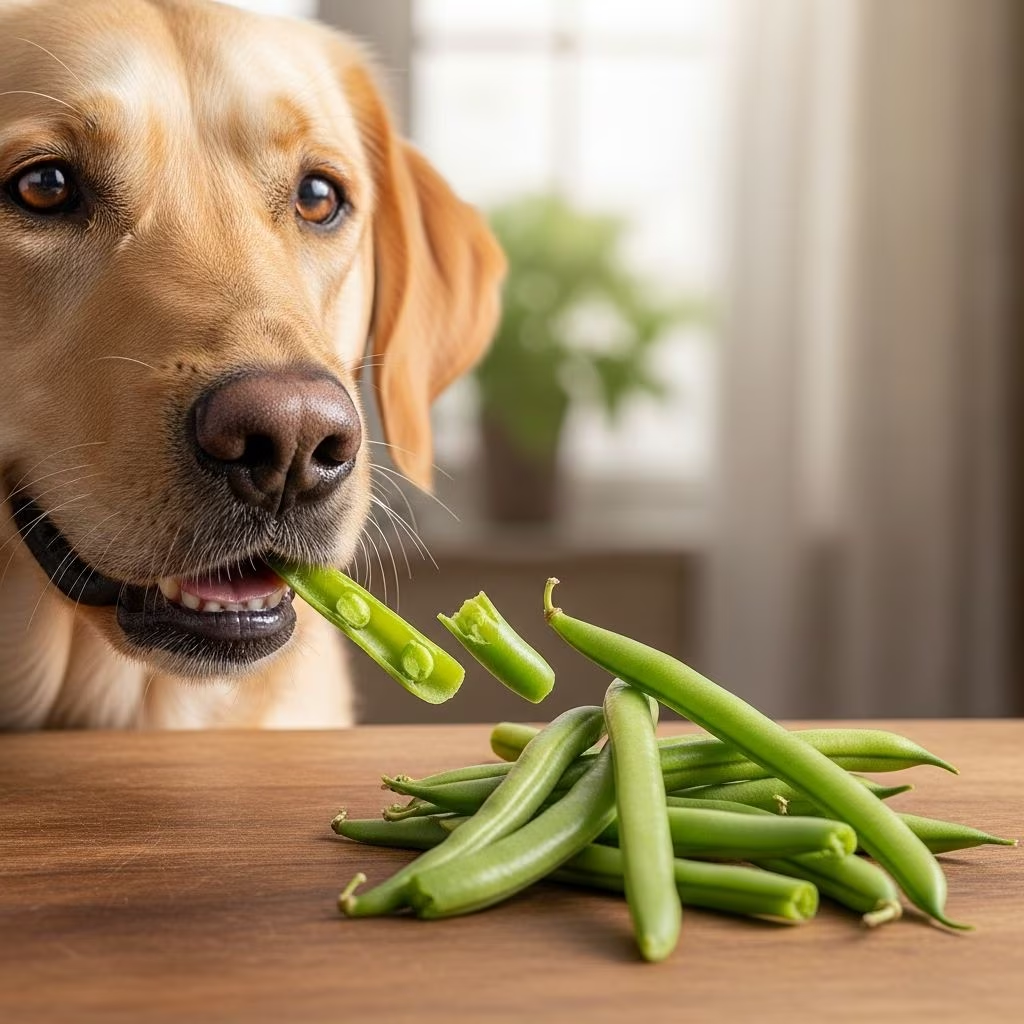
Green beans, also known as string beans or snap beans, are a popular vegetable in human diets, prized for their crunch, mild flavor, and nutritional profile. But can dogs eat green beans safely? The answer is yes—plain green beans are safe and beneficial for most dogs when fed in moderation. These low-calorie veggies provide essential vitamins, minerals, and fiber, making them an excellent treat option, especially for overweight pups or those needing a healthier snack alternative.
Veterinarians and pet nutrition experts, including those from the American Kennel Club (AKC), endorse green beans as a dog-friendly food, provided they are prepared without harmful additives like salt, butter, garlic, or onions. This article explores everything dog parents need to know about incorporating green beans into their pet’s diet, from health benefits and risks to preparation tips and feeding guidelines.
Are Green Beans Good for Dogs?
Green beans are not only safe but highly nutritious for dogs. They offer a nutrient-dense, low-calorie option that supports overall health without contributing to weight gain. A single cup of green beans contains roughly 30-50 calories, making them ideal for dogs on calorie-restricted diets.
Key nutritional benefits include:
- Vitamins: Rich in vitamins A, C, K, and B6. Vitamin A supports vision and immune function; vitamin C acts as an antioxidant to bolster immunity; vitamin K aids blood clotting and bone health; and B6 promotes metabolic function.
- Minerals: Provides iron for anemia prevention, calcium and magnesium for bone strength, potassium for heart health, and manganese for wound healing.
- Fiber: High dietary fiber content promotes healthy digestion, prevents constipation, and helps dogs feel full longer, aiding weight management.
- Antioxidants and Protein: Contains antioxidants to combat free radicals and a small amount of plant-based protein.
- Low-Calorie and Hydrating: With high water content, they hydrate while satisfying hunger without excess calories.
According to PetMD, green beans deliver folate, iron, calcium, potassium, and more, making them a wholesome addition to a balanced diet. The AKC notes they help dogs feel full during dieting without the guilt of high-calorie treats.
Health Benefits of Green Beans for Dogs
Beyond basic nutrition, green beans provide targeted health advantages for canines:
- Weight Management: Their fiber stretches the stomach, releasing hormones that signal fullness to the brain. This makes them popular in “green bean diets” where they’re gradually added to meals (up to 50% of the diet temporarily) to promote satiety without extra calories. However, this should be vet-supervised to avoid nutrient gaps.
- Digestive Health: Fiber regulates bowel movements, reduces bloating, and supports gut microbiome balance.
- Immune and Bone Support: Vitamins C and K, plus minerals like magnesium, enhance immunity and skeletal integrity.
- Heart and Vision Health: Potassium regulates blood pressure, while vitamin A maintains eye health.
For senior dogs or those with obesity, green beans serve as a guilt-free chew toy alternative, satisfying the need to gnaw while delivering nutrition. Puppies can enjoy them too, though in smaller amounts due to sensitive stomachs.
Risks and Side Effects of Feeding Dogs Green Beans
While beneficial, green beans aren’t risk-free. Moderation is key to prevent issues:
- Digestive Upset: High fiber can cause gas, bloating, diarrhea, or vomiting, especially if introduced too quickly or in excess. Start with small pieces over days.
- Choking Hazard: Whole or large beans pose a risk, particularly for small breeds. Always chop into bite-sized pieces.
- Nutritional Imbalance: Treats should not exceed 10% of daily calories. Over-reliance may lead to deficiencies in protein or other nutrients.
- Allergies: Rare, but watch for itching, swelling, or GI distress on first exposure.
Cooked beans are easier to digest than raw, which contain lecithin proteins that might irritate stomachs. The green bean diet’s high fiber can hinder absorption of calcium, zinc, and fats if prolonged.
How to Safely Prepare Green Beans for Dogs
Preparation ensures safety and maximizes benefits. Follow these steps:
- Choose Plain Varieties: Fresh, frozen, or no-salt-added canned. Avoid seasoned, canned with sodium, or those cooked with onions/garlic (toxic to dogs).
- Cooking Methods: Steam, boil, or lightly grill without oils. Cooking improves digestibility but may reduce some vitamins—balance by not overcooking.
- Raw Beans: Safe if chopped small; steaming lightly mitigates stomach upset.
- Portion Control: 10% rule: For a 20-lb dog, limit to 1-2 tablespoons daily.
| Preparation Type | Pros | Cons | Best For |
|---|---|---|---|
| Raw (Chopped) | Retains max nutrients, crunchy texture | Harder to digest, choking risk | Chewy treats |
| Steamed/Boiled | Easier digestion, soft | Some nutrient loss | Sensitive stomachs |
| Frozen (Plain) | Refreshing, hydrating | Must thaw/chop | Hot days |
| Canned (No Salt) | Convenient | Check labels for additives | Quick snacks |
Store leftovers in the fridge for up to 5 days or freeze for longer.
How Many Green Beans Can Dogs Eat?
Caloric needs vary by size, age, and activity. General guidelines:
- Small Dogs (under 20 lbs): 1-2 tbsp daily.
- Medium (20-50 lbs): ¼-½ cup.
- Large (over 50 lbs): ½-1 cup.
- Puppies/Seniors: Half adult portions.
Monitor weight and stool; adjust as needed. Consult a vet for personalized advice, especially for health conditions.
Green Beans in Dog Diets: The “Green Bean Diet”
Popular for weight loss, this method replaces portions of kibble/canned food with plain green beans gradually (10% increments every 2-3 days up to 50%). It leverages fiber for fullness but risks muscle loss and nutrient malabsorption without added protein. Use short-term under vet guidance.
Alternatives to Green Beans for Dogs
If green beans don’t appeal, try:
- Carrots, cucumber, broccoli (plain).
- Apples (no seeds), blueberries.
- Pumpkin for fiber.
Frequently Asked Questions (FAQs)
Can dogs eat raw green beans?
Yes, chopped raw green beans are safe, but cook them for better digestion.
Can dogs eat canned green beans?
Only no-salt-added varieties; rinse to remove excess sodium.
Are frozen green beans okay for dogs?
Yes, thaw and chop plain frozen beans.
Can puppies eat green beans?
Yes, in small amounts; their stomachs are sensitive.
Do green beans help dogs lose weight?
Yes, due to low calories and high fiber, but balance with protein.
Are green beans toxic to dogs?
No, plain ones aren’t; avoid seasoned versions.
References
- Can Dogs Eat Green Beans? — Chewy. 2023. https://www.chewy.com/education/dog/food-and-nutrition/can-dogs-eat-string-beans
- Can Dogs Eat Green Beans? Here’s Everything You Need to Know — Pawlicy Advisor. 2024. https://www.pawlicy.com/blog/can-dogs-eat-green-beans/
- Can Dogs Eat Green Beans? — PetMD. 2024-01-15. https://www.petmd.com/dog/nutrition/can-dogs-eat-green-beans
- Is the Green Bean Diet for Dogs Safe? — JustFoodForDogs. 2023. https://blog.justfoodfordogs.com/green-bean-diet-for-dogs.html
- Can Dogs Have Green Beans? — American Kennel Club (AKC). 2024. https://www.akc.org/expert-advice/nutrition/can-dogs-have-green-beans/
- Are Green Beans Good For Dogs? — PetLab Co. 2024. https://thepetlabco.com/learn/dog/nutrition/green-beans-for-dogs



