

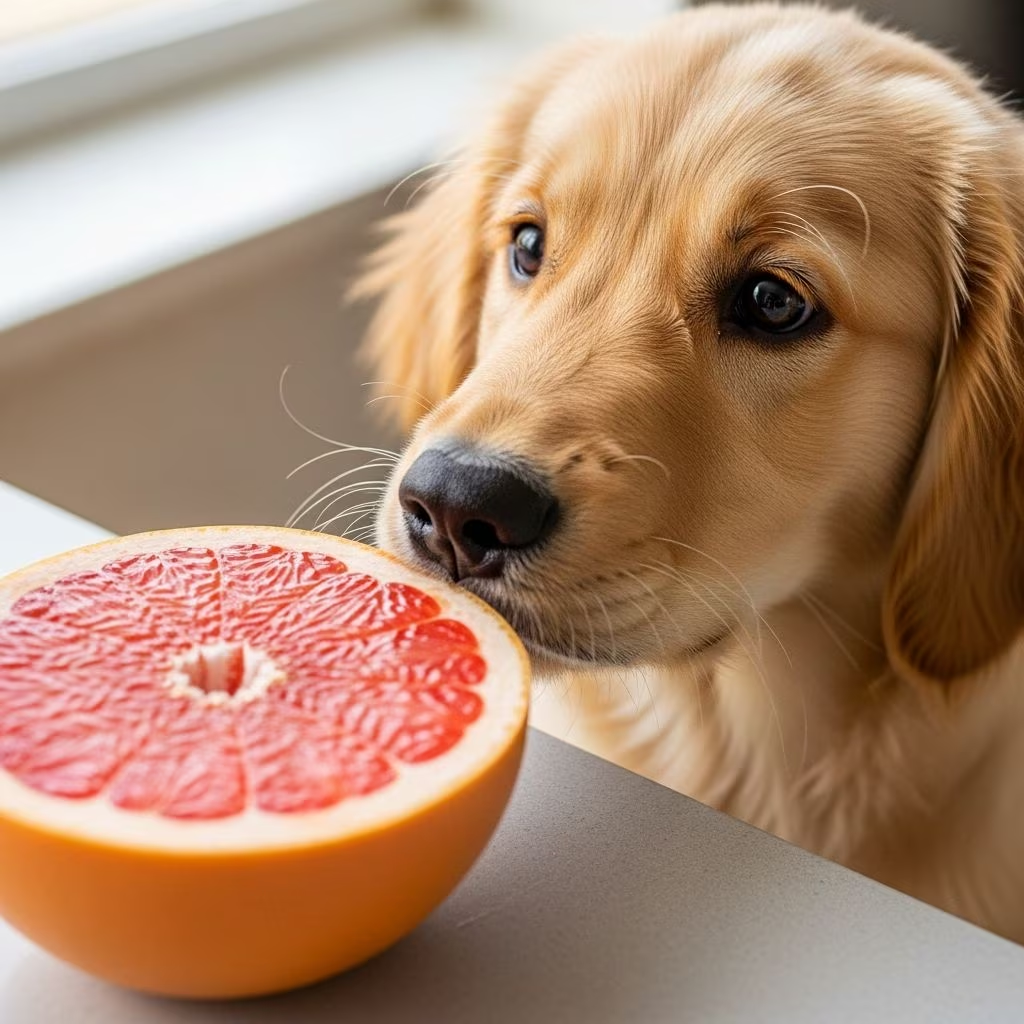
Grapefruit provides humans with a burst of vitamin C and refreshing tartness, but for dogs, it presents notable health concerns due to its chemical composition. While small amounts of the inner flesh might not cause immediate toxicity, the fruit’s high citric acid levels and toxic elements in the rind make it an unwise choice for canine consumption overall. Veterinary experts recommend steering clear to prevent digestive upset or worse reactions.
Understanding Grapefruit’s Components and Canine Physiology
Dogs possess digestive systems optimized for proteins and fats from meat, not the fibrous, acidic profiles of citrus fruits. Grapefruit contains citric acid, which can overwhelm a dog’s stomach lining, leading to irritation. The rind and skin harbor psoralen, a phototoxic compound that triggers severe responses upon ingestion or exposure to sunlight.
- Flesh: Acidic but not outright poisonous in tiny portions for healthy dogs.
- Rind and Skin: Highly dangerous due to essential oils and psoralen.
- Seeds and Membranes: Contribute additional bitterness and potential irritants.
This distinction matters because many dogs encounter the entire fruit if left accessible, amplifying risks.
Potential Health Risks from Grapefruit Ingestion
The primary dangers stem from two key elements: citric acid and psoralen. Citric acid provokes gastrointestinal distress by disrupting pH balance in the gut, while psoralen interferes with cellular function, potentially causing dermatitis or neurological issues under light exposure.
| Component | Risk Level | Common Symptoms |
|---|---|---|
| Flesh (small amount) | Low to Moderate | Vomiting, diarrhea, stomach pain |
| Rind/Skin | High | Muscle spasms, seizures, photosensitivity, depression |
| Large Quantity Flesh | Moderate to High | Dehydration, lethargy, prolonged GI issues |
Breeds with sensitive stomachs, such as Bulldogs or small lap dogs, face heightened vulnerability. Puppies and seniors require extra caution due to immature or weakened digestive tracts.
Recognizing Signs of Trouble After Exposure
Monitor your dog closely if grapefruit access occurs. Early symptoms include excessive drooling, retching, or loose stools, signaling acid irritation. Advanced psoralen effects manifest as skin reddening post-sunlight, tremors, or unusual lethargy.
- Drooling or lip licking excessively.
- Repeated vomiting or unproductive heaving.
- Diarrhea, possibly bloody in severe cases.
- Skin sensitivity or sunburn-like rashes.
- Behavioral shifts like withdrawal or agitation.
These signs can appear within hours, urging prompt action to mitigate escalation.
Immediate Steps for Accidental Ingestion
Act swiftly without inducing vomiting at home, as this risks aspiration. Secure the environment by removing all fruit remnants and offering fresh water to combat dehydration.
- Assess quantity and part consumed—flesh versus rind.
- Contact your veterinarian or a pet poison hotline immediately.
- Note symptoms onset time and dog details (weight, breed, age).
- Follow professional guidance; treatments may involve activated charcoal, fluids, or anti-emetics.
For rind ingestion, urgency peaks due to psoralen’s potency; even small amounts warrant professional evaluation.
Why Grapefruit Falls Short as a Dog Treat
Despite antioxidants like vitamin C and beta-carotene, grapefruit’s benefits pale against risks. Dogs synthesize ample vitamin C endogenously, negating dietary needs. The sour profile often repels dogs naturally, averting voluntary intake.
Commercial dog foods formulate balanced nutrition sans risky fruits. Introducing grapefruit disrupts this equilibrium, potentially fostering picky eating or nutritional gaps.
Healthier Fruit Alternatives for Dogs
Opt for canine-friendly produce to satisfy curiosity safely. These options deliver hydration, fiber, and nutrients without acidity extremes.
| Fruit | Benefits | Serving Tips | Precautions |
|---|---|---|---|
| Apples | Vitamin A, fiber | Sliced, seed/core-free | Limit to 10% of diet |
| Blueberries | Antioxidants | Handful as treats | Wash thoroughly |
| Bananas | Potassium, B6 | Mashed or slices | Moderate due to sugar |
| Watermelon | Hydration | Cubed, rind/seedless | Low calorie |
| Strawberries | Vitamin C | Quartered | Fresh, not canned |
Incorporate these sparingly as rewards, maintaining primary reliance on balanced kibble or wet food.
Related Citrus Fruits: Pomelo and Beyond
Pomelo mirrors grapefruit’s profile—flesh tolerable minimally, rind toxic. Oranges pose similar acid challenges, though some dogs handle peeled segments better. Avoid all citrus rinds universally.
- Lemons/Limes: Extremely acidic; even scents repel dogs.
- Mandarins: Sweeter but still irritating in excess.
Stick to non-citrus for peace of mind.
Grapefruit Derivatives to Avoid
Juice concentrates sugars and acids, exacerbating upset. Essential oils from peels contain linalool and limonene, risking liver strain. Diffusers or topical uses demand caution; inhalation alone may irritate respiratory tracts.
Preventive Strategies for Pet Owners
Proactive measures safeguard against mishaps. Elevate fruits during meals, use lidded bins for peels, and train ‘leave it’ commands rigorously.
- Store produce in dog-proof zones.
- Supervise multi-pet households.
- Educate family on toxicities.
Regular vet check-ups catch sensitivities early.
Frequently Asked Questions
Is a tiny piece of grapefruit flesh okay occasionally?
For robust dogs, minuscule amounts might pass uneventfully, but risks outweigh novelty. Safer alternatives abound.
What if my dog ate grapefruit rind?
Seek veterinary care promptly; psoralen demands professional intervention.
Can grapefruit improve my dog’s coat or immunity?
No—theoretical vitamins don’t justify GI hazards. Balanced diets suffice.
How much is too much flesh?
No safe threshold exists reliably; even small bits irritate sensitive pups.
Are there breeds immune to grapefruit issues?
No breed enjoys exemption; individual tolerances vary minimally.
Expert Insights on Canine Diets
Veterinarians like Dr. Jerry Klein from the American Kennel Club emphasize gut irritation from citric acid, advising avoidance. Purina nutritionists note dogs’ bitterness aversion as a natural deterrent. Prioritize evidence-based feeding for longevity.
In summary, while not lethally toxic across the board, grapefruit’s pitfalls render it unsuitable. Empower your dog’s health with informed choices and professional counsel.
References
- Can Dogs Eat Grapefruit? — American Kennel Club (AKC). 2023-05-15. https://www.akc.org/expert-advice/nutrition/can-dogs-eat-grapefruit/
- Can Dogs Eat Grapefruit? A Guide to Safety — Purina. 2024-02-10. https://www.purina.com/articles/dog/feeding/can-dogs-eat/grapefruit
- Can dogs eat grapefruit? — Trusted Housesitters. 2024-09-13. https://www.trustedhousesitters.com/blog/pets/can-dogs-eat-grapefruit/
- Grapefruit Poisoning in Dogs: Symptoms, Causes — WagWalking. 2023-11-20. https://wagwalking.com/condition/grapefruit-poisoning
- Can Dogs Eat Grapefruit? — Impact Dog Crates. 2024-01-08. https://www.impactdogcrates.com/blogs/puppy-news/can-dogs-eat-grapefuit



