

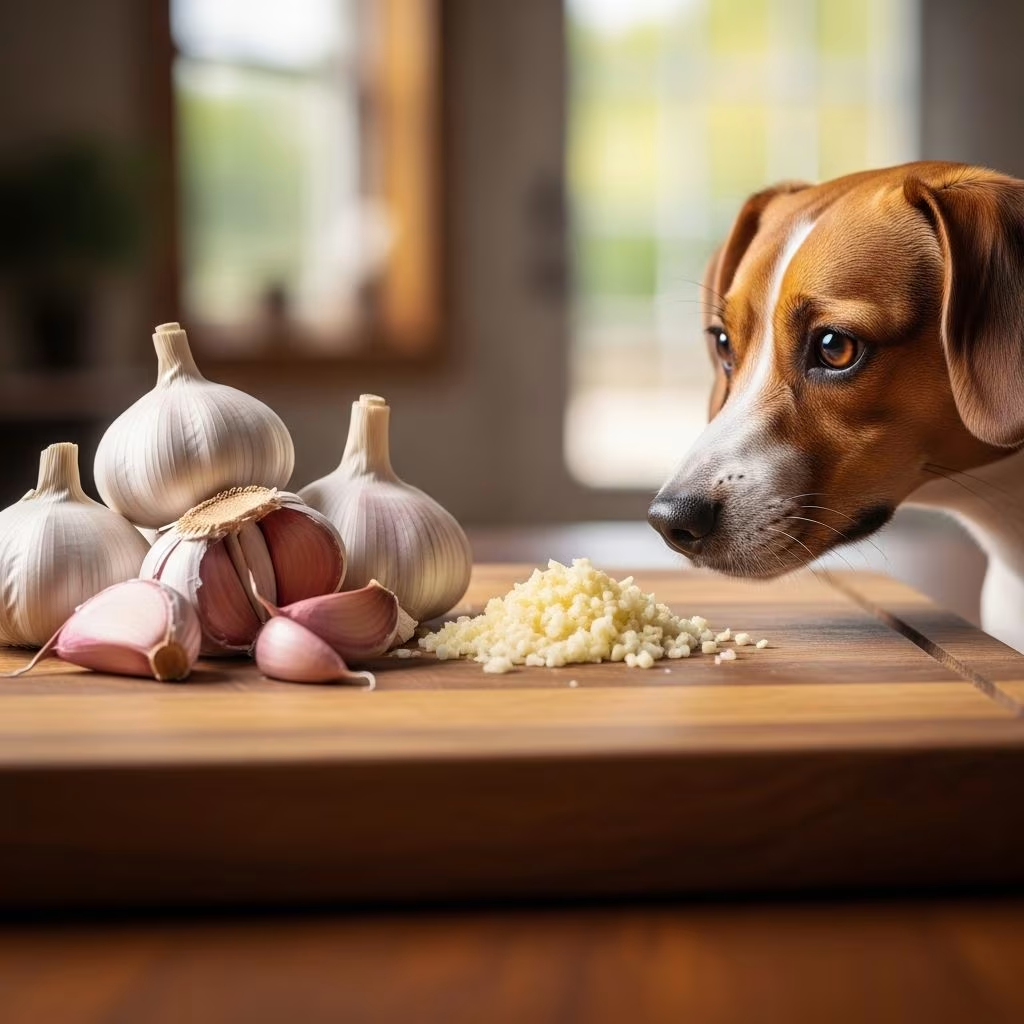
Can Dogs Eat Garlic? A Complete Safety Guide
Garlic is a staple ingredient in many human kitchens, known for its distinctive flavor and numerous health benefits for people. However, when it comes to our canine companions, garlic presents a significant concern. Unlike humans who can safely consume garlic, dogs face serious health risks from this common ingredient. Understanding why garlic is dangerous for dogs and how to protect your pet is essential for responsible pet ownership.
Why Is Garlic Toxic to Dogs?
Garlic belongs to the Allium genus of plants, which also includes onions and leeks. While these plants are safe for human consumption, they contain compounds that are harmful to dogs. The primary toxic substance in garlic is thiosulfate, a sulfur-containing compound that can cause significant damage to a dog’s red blood cells.
When a dog ingests garlic, the thiosulfate is metabolized by their body and attacks the red blood cells, a condition known as hemolytic anemia. This damage reduces the red blood cells’ ability to carry oxygen throughout the body, leading to weakness and lethargy. Garlic is approximately five times more toxic than onions because it contains a more concentrated source of these harmful sulfur compounds.
Additionally, garlic contains N-propyl disulfides, which work in conjunction with thiosulfates to damage canine red blood cells. This dual mechanism makes garlic particularly dangerous for dogs, even in seemingly small amounts.
How Much Garlic Is Toxic to Dogs?
Research indicates that toxicity in dogs occurs at approximately 15 to 30 grams of garlic per kilogram of body weight. To put this in perspective, a single garlic clove weighs around 3 to 7 grams, meaning that even one clove could potentially harm a small or medium-sized dog. Large dogs may tolerate slightly more garlic before showing symptoms, but no amount is considered completely safe.
It’s important to note that garlic toxicity is cumulative, meaning that repeated small doses consumed over time can eventually lead to serious health issues, even if individual amounts seem minimal. This cumulative effect makes it particularly risky to feed your dog garlic repeatedly, as the toxins build up in their system over time.
Symptoms of Garlic Poisoning in Dogs
If your dog has consumed garlic, it’s crucial to recognize the warning signs of poisoning. Symptoms of garlic toxicity typically appear within 24 hours of ingestion, though it can take up to a week for clinical signs to become apparent.
Common Symptoms Include:
– Weakness and lethargy- Pale gums and mucous membranes- Vomiting and diarrhea- Abdominal pain- Loss of appetite- Reduced ability to exercise- Discolored urine (dark or reddish)- Rapid or difficult breathing- Jaundice (yellowing of the skin and eyes)
Severe cases of garlic poisoning can lead to significant anemia and may require emergency veterinary treatment. If you notice any of these symptoms in your dog after garlic exposure, contact your veterinarian immediately.
Forms of Garlic to Avoid
Many pet owners are unaware that garlic toxicity is not limited to fresh garlic. All forms of garlic pose a risk to dogs, including cooked garlic. Cooking does not eliminate thiosulfate content and may even concentrate it in some cases.
Garlic Powder and Garlic Salt
Garlic powder and garlic salt are particularly dangerous because they represent concentrated forms of garlic. These products contain significantly higher concentrations of thiosulfates in smaller volumes, making even tiny amounts potentially toxic. Most documented pet toxicity cases involve garlic used in these concentrated forms added to commercial dog foods or supplements.
Processed Garlic Products
Jarred minced garlic, garlic-flavored products, and other processed garlic items should be avoided entirely. These products often contain additives and preservatives that may be harmful to dogs, and the processing can actually increase toxicity levels while reducing any potential beneficial compounds.
Garlic-Containing Foods
Many human foods contain garlic as an ingredient, making it easy for dogs to be exposed accidentally. Foods to keep away from your dog include garlic bread, soups, sauces, stir-fries, and seasoned meats. Garlic bread, in particular, poses a double threat because it combines garlic toxicity with the high fat content from butter and oils, which can cause pancreatitis and gastrointestinal upset.
Dogs at Higher Risk
While garlic is toxic to all dogs, certain groups face elevated risks. Small and toy breed dogs are particularly vulnerable because their smaller body weight means less garlic is needed to reach toxic levels.
Dogs with certain pre-existing health conditions should never be exposed to garlic under any circumstances:
– Dogs with anemia or blood clotting disorders- Dogs with liver disease- Dogs with heart conditions- Dogs with weakened immune systems
For these dogs, even tiny amounts of garlic can worsen their conditions by interfering with blood clotting, oxygen transport, and liver function. If your dog has any of these health conditions, absolute garlic avoidance is essential.
What to Do If Your Dog Eats Garlic
If you suspect your dog has consumed garlic, take the following steps:
Immediate Actions:
– Contact your veterinarian or emergency animal hospital right away- Note the amount and form of garlic your dog consumed- Observe your dog closely for any symptoms- Do not induce vomiting unless directed by your veterinarian- Keep any packaging or containers showing garlic content to show your vet
Your veterinarian may recommend bringing your dog in for examination and blood work to assess for hemolytic anemia. Early intervention is crucial in preventing serious complications from garlic toxicity.
Garlic and Your Dog’s Diet
The safest approach to garlic and your dog’s diet is complete avoidance. While some sources mention potential health benefits of garlic, the risks significantly outweigh any theoretical benefits, and these benefits can be achieved through safer alternatives.
Safe Alternatives to Garlic:
– Turmeric (with veterinary approval for appropriate amounts)- Ginger- Salmon and fish oil for omega-3 benefits- Carrots and other dog-safe vegetables- Blueberries for antioxidants- Plain cooked chicken for protein
These alternatives can provide nutritional benefits to your dog’s diet without the inherent toxicity risks associated with garlic. Always consult with your veterinarian before adding any new ingredients to your dog’s food.
Reading Labels and Preventing Accidental Exposure
To protect your dog from accidental garlic exposure, develop the habit of carefully reading all food labels and ingredient lists. Many commercial pet foods, treats, and supplements contain garlic as an ingredient. Look for terms like “garlic extract,” “garlic powder,” “garlic salt,” or simply “garlic” in the ingredient list.
When choosing commercial dog foods and treats, opt for products that explicitly state they are garlic-free. Be especially cautious with premium or specialty brands that market “natural” or “flavor-enhanced” products, as these may contain garlic for taste enhancement.
Additionally, keep human foods containing garlic stored securely where your dog cannot access them. This includes leftovers, cooking preparations, and spice containers. Educate family members and visitors about the dangers of feeding your dog human food, particularly items containing garlic.
The Importance of Prevention
Prevention is always better than treatment when it comes to garlic toxicity in dogs. Because garlic poisoning can cause serious health complications and may require emergency veterinary care, keeping garlic entirely away from your dog is the best strategy. This means not only avoiding deliberately giving your dog garlic but also preventing accidental exposure through careful food management and household awareness.
Train your dog not to eat human food from tables or counters, use baby gates to prevent access to areas where garlic-containing foods are prepared, and never assume that a small amount won’t cause harm. The cumulative nature of garlic toxicity makes even tiny exposures problematic over time.
Frequently Asked Questions
Q: Is a small amount of garlic really dangerous for dogs?
A: Yes, garlic toxicity is cumulative, and even small amounts can be harmful, especially for small dogs. While a single tiny exposure might not cause immediate symptoms, repeated small doses add up and increase the risk of serious health problems.
Q: Can cooked garlic be safer than raw garlic for dogs?
A: No, cooked garlic is not safer than raw garlic. Cooking does not eliminate thiosulfates and may even concentrate them in some cases. All forms of garlic—raw, cooked, powdered, or processed—pose the same toxicity risks to dogs.
Q: What if my dog ate garlic and seems fine?
A: Symptoms of garlic poisoning can take up to a week to appear. Even if your dog seems fine immediately after eating garlic, contact your veterinarian for guidance. Subtle symptoms like lethargy might develop gradually, and blood tests may reveal damage to red blood cells before clinical signs become obvious.
Q: Are some dog breeds more susceptible to garlic toxicity?
A: All dogs can be harmed by garlic, but small breeds are at greater risk because less garlic is needed to reach toxic doses. Certain breeds may have additional genetic susceptibilities, making veterinary consultation important for your specific dog.
Q: Can garlic supplements designed for dogs be safe?
A: Many garlic supplements marketed for dogs are not regulated by the FDA and should be avoided. Consult with your veterinarian before giving any supplement to your dog, as even products labeled “for dogs” may contain problematic garlic levels.
Q: What should I do if my dog accidentally eats garlic?
A: Contact your veterinarian or an emergency animal hospital immediately. Provide information about the amount and form of garlic consumed. Your vet may recommend blood work and monitoring. Do not attempt home treatment or induce vomiting without veterinary guidance.
Q: Are garlic-flavored treats safe for dogs?
A: No, treats labeled as “garlic-flavored” or containing garlic extract should be avoided entirely. These products contain concentrated forms of garlic that pose significant toxicity risks and should never be given to dogs.
Q: How can I prevent my dog from eating food containing garlic?
A: Store all garlic-containing foods securely, read all labels carefully, train your dog not to beg or eat human food, and educate family and friends about the dangers. Use baby gates to restrict access to kitchens during meal preparation and keep your dog supervised during gatherings.
References
- Nikolaus Nature – Can Dogs Eat Garlic? Truth About Its Toxicity & Safety — Nikolaus Nature. Retrieved November 28, 2025. https://nikolausnature.com/blogs/dog-health/dogs-eat-garlic
- Can Dogs Eat Garlic? — PetMD. Retrieved November 28, 2025. https://www.petmd.com/dog/nutrition/can-dogs-eat-garlic
- Can Dogs Eat Garlic? A Guide to Safety — Purina US. Retrieved November 28, 2025. https://www.purina.com/articles/dog/feeding/can-dogs-eat/garlic
- Can Dogs Eat Garlic? What To Do If Your Dog Eats Some — Spot and Tango. Retrieved November 28, 2025. https://www.spotandtango.com/blog/can-dogs-eat-garlic
- Can Dogs Eat Garlic? — American Kennel Club Expert Advice. Retrieved November 28, 2025. https://www.akc.org/expert-advice/nutrition/can-dogs-eat-garlic/
- Busting the Myth of Garlic Toxicity for Dogs! — Volhard Dog Nutrition. Retrieved November 28, 2025. https://www.volharddognutrition.com/blog/busting-the-myth-of-garlic-toxicity-for-dogs/



