
Can Dogs Eat Garlic? A Complete Safety Guide
Learn why garlic is dangerous for dogs and what to do if your pet ingests it.
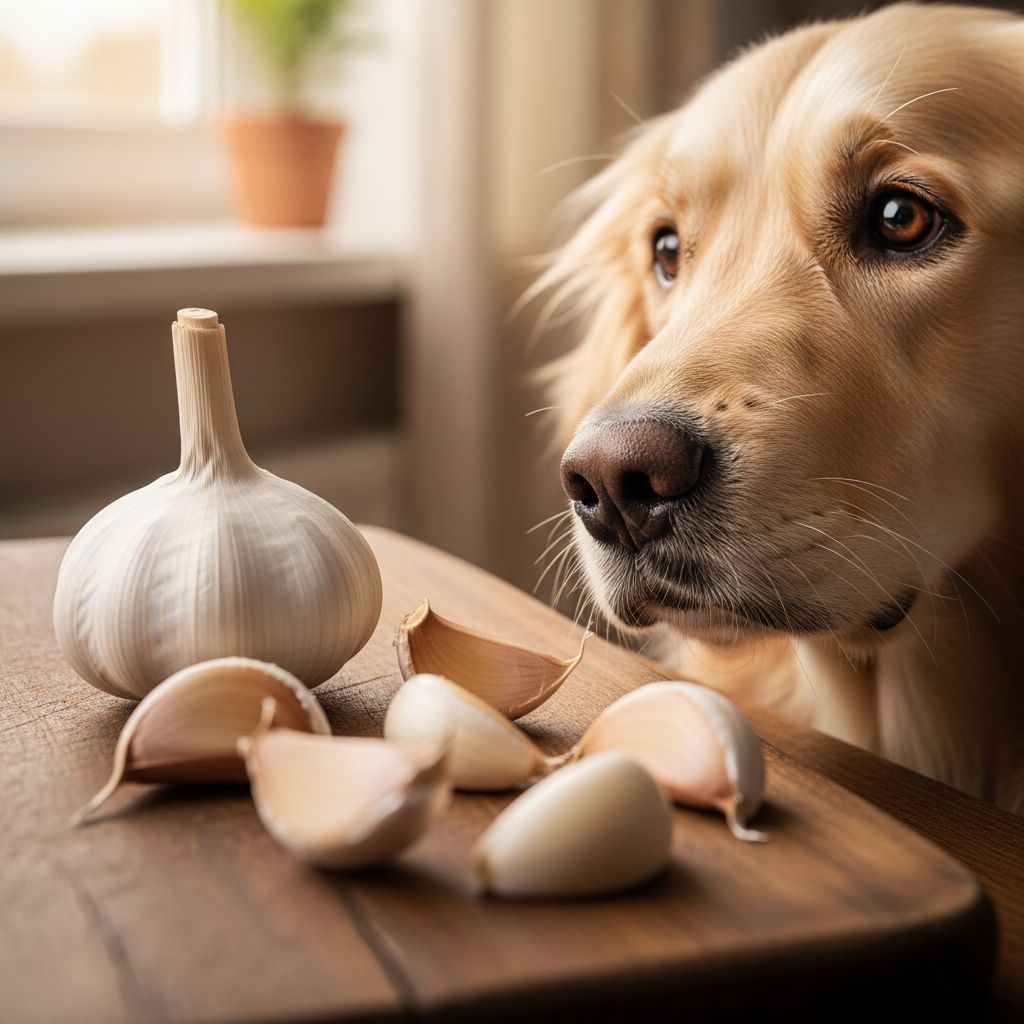
Garlic is a common ingredient in many human foods and is often praised for its health benefits. However, when it comes to our canine companions, garlic poses significant health risks. Many pet owners wonder whether small amounts of garlic in their dog’s food are harmless, but the reality is that garlic is toxic to dogs in virtually all forms and quantities. Understanding why garlic is dangerous and how to protect your dog is essential for responsible pet ownership.
Can Dogs Eat Garlic?
The simple answer is no—dogs should not eat garlic under any circumstances. While a small taste might not cause immediate harm, garlic can be toxic to dogs even in small amounts and can cause serious health complications over time. Large quantities of garlic can lead to life-threatening conditions that require emergency veterinary care.
It’s important to note that garlic belongs to the Allium family, which also includes onions, chives, and leeks. All plants in this family are toxic to dogs, though garlic poses particular concerns due to its concentrated nature in many food products. Dogs metabolize thiosulfates—the toxic compounds in garlic—differently than humans do, which means even minimal exposure can have serious consequences.
Why Is Garlic Toxic to Dogs?
Garlic contains compounds called thiosulfates, which are the primary culprits behind its toxicity to dogs. These thiosulfates damage red blood cells in dogs by causing them to rupture in a process called hemolysis. When a sufficient number of red blood cells are destroyed, they can no longer effectively deliver oxygen to vital organs and tissues throughout the body.
This oxygen deprivation can lead to hemolytic anemia, a dangerous type of anemia that can develop rapidly and cause severe health consequences. Unlike humans, who can tolerate garlic without these adverse effects, dogs’ unique metabolism makes them extremely vulnerable to oxidative damage. This fundamental difference in how dogs process garlic compounds means that the same amount that might be safe for a human could be dangerous for a dog.
All Forms of Garlic Are Dangerous
One crucial point that many pet owners misunderstand is that the form of garlic doesn’t matter—all variations are toxic to dogs. Whether your dog consumes fresh garlic, cooked garlic, or processed garlic products, the risk remains.
Fresh and Cooked Garlic
Both raw and cooked garlic contain the same toxic thiosulfate compounds. Cooking garlic does not reduce its toxicity; it simply changes the texture and flavor profile while the harmful compounds remain intact. Therefore, cooked garlic is just as dangerous as raw garlic for your canine companion.
Garlic Powder
Garlic powder is even more concerning than fresh garlic because it is highly concentrated. One teaspoon of garlic powder contains approximately 8 cloves worth of garlic. This means that a small amount of garlic powder can lead to toxicity far more quickly than fresh garlic. Even a tiny pinch of garlic powder can be dangerous, particularly for smaller dog breeds.
Garlic Salt
Garlic salt combines two problems in one: the toxic thiosulfates from garlic and the additional risk of sodium poisoning. The high salt content can increase the risk of dehydration and contribute to life-threatening sodium poisoning in addition to the hemolytic anemia caused by the garlic component. Garlic salt should never be given to dogs under any circumstances.
How Much Garlic Is Toxic to Dogs?
Determining the exact toxic dose of garlic for dogs is complicated because it depends on several individual factors. The amount of garlic that causes toxicity varies based on:
- The weight of the dog
- The form of the garlic (fresh, cooked, powdered, or salt)
- How frequently the dog is consuming garlic
- The individual dog’s sensitivity and health status
Clinical signs of garlic toxicity typically appear after a dog consumes at least 3 to 5 grams of garlic per kilogram of body weight, though some veterinary sources cite different thresholds ranging from 3 to 30 grams per kilogram. To put this in perspective, even one clove of garlic (which typically weighs 3-7 grams) can cause issues for smaller dog breeds.
For example, a 10-pound dog would require only a fraction of a garlic clove to potentially experience toxic effects. This is why there is no truly safe amount of garlic for dogs—the margin between a “safe” dose and a toxic dose is extremely narrow and varies greatly between individual animals.
Foods That Contain Garlic to Avoid
Garlic is hidden in many common human foods that pet owners might not immediately recognize. To keep your dog safe, you should avoid giving your dog any of the following foods:
- Pasta sauces and marinara
- Soups and broths
- Roasted vegetables
- Marinades and meat seasonings
- Pizza and pizza crusts
- Garlic bread
- Store-bought dog treats with garlic flavoring
- Certain seasonings and spice mixes
- Processed meats like sausages and deli meats
Even small amounts of these foods that contain garlic should be considered off-limits for your dog. Always check ingredient labels carefully before sharing any human food with your pet.
Special Concerns: Garlic Bread
Garlic bread deserves special attention because it presents multiple hazards to dogs beyond just the garlic content. In addition to containing garlic as the main ingredient, garlic bread is typically made with butter, oil, and various herbs that can upset your dog’s stomach. The high fat content can even contribute to pancreatitis, a serious inflammatory condition of the pancreas. If garlic bread contains garlic powder instead of fresh garlic, the risk becomes even more severe due to the concentration factor.
Signs of Garlic Toxicity in Dogs
If your dog has ingested garlic, it’s crucial to know the warning signs of toxicity. Symptoms may include vomiting, diarrhea, abdominal pain, lethargy, weakness, pale gums, rapid breathing, and collapse. These clinical signs can occur relatively soon after ingestion, though the timeline varies depending on the amount consumed and individual factors. In severe cases, if your dog has consumed a large amount of garlic, this constitutes a medical emergency and requires immediate veterinary attention.
Breeds at Higher Risk
Certain dog breeds are more susceptible to the damaging effects of garlic on red blood cells. Japanese dog breeds, including Akitas, Shiba Inus, and Japanese Chins, show increased sensitivity to allium-induced oxidative damage. If you own one of these breeds, it’s even more critical to ensure complete avoidance of garlic. Additionally, garlic should never be given to pregnant dogs or puppies, as these populations are particularly vulnerable.
What to Do If Your Dog Eats Garlic
If you suspect or know that your dog has consumed garlic, swift action is essential. Contact your veterinarian or the Pet Poison Helpline immediately—do not wait to see if symptoms develop. Early treatment is crucial for preventing serious complications and improving the prognosis.
When you call, provide as much information as possible about the incident, including:
- The amount of garlic your dog consumed
- The form of garlic (fresh, cooked, powder, salt)
- The time of ingestion
- Your dog’s weight and age
- Any symptoms you’ve observed
If your dog has consumed a large amount of garlic, this is considered a medical emergency, and you should take your dog to an emergency veterinary clinic immediately.
Frequently Asked Questions About Garlic and Dogs
Q: Can dogs eat cooked garlic?
A: No, dogs should not eat cooked garlic or raw garlic. Garlic in all forms should be considered toxic, regardless of whether it has been cooked or processed. Cooking does not eliminate the toxic thiosulfates.
Q: Is there any safe amount of garlic for dogs?
A: There is no established safe amount of garlic for dogs. While the toxic dose varies based on individual factors, the safest approach is complete avoidance. Even small amounts carry potential risk.
Q: How much garlic can a dog eat?
A: There’s no exact amount of garlic that’s considered safe, so it’s best that your dog doesn’t eat any. The toxicity threshold is too variable and too close to common consumption amounts to recommend any specific quantity.
Q: Is garlic powder worse than fresh garlic?
A: Yes, garlic powder is significantly worse than fresh garlic for dogs. Garlic powder is a concentrated form that contains approximately 8 cloves per teaspoon, making it far more potent and dangerous. Even tiny amounts of garlic powder can cause toxicity.
Q: Can dogs eat garlic salt?
A: No, dogs shouldn’t eat garlic salt. Like garlic powder, garlic salt is highly concentrated and can be toxic in small amounts. Additionally, the salt component increases the risk of dehydration and sodium poisoning, which can be life-threatening.
Q: What should I do if my dog accidentally eats garlic?
A: Call your veterinarian or the Pet Poison Helpline immediately. Provide details about the amount and form of garlic consumed, the time of ingestion, and your dog’s weight. Early treatment is crucial for preventing serious complications. If your dog consumed a large amount, seek emergency veterinary care right away.
Q: Are certain dog breeds more sensitive to garlic?
A: Yes, Japanese dog breeds including Akitas, Shiba Inus, and Japanese Chins are more susceptible to the oxidative damage caused by garlic. These breeds should never be given garlic under any circumstances.
Q: Can garlic cause death in dogs?
A: In severe cases, particularly if a large amount is consumed and medical treatment is delayed, garlic toxicity can be life-threatening. Hemolytic anemia from garlic poisoning can cause organ failure and death if not treated promptly.
Prevention and Safe Alternatives
The best approach to protecting your dog from garlic toxicity is prevention through careful food management. Always read ingredient labels on commercial dog treats and foods to ensure garlic is not included. When preparing meals, keep garlic-containing foods away from your dog’s reach, and be cautious about sharing table scraps. Instead of garlic-flavored treats, offer your dog safe, dog-appropriate alternatives like plain cooked vegetables, apple slices, or dog-approved treats specifically formulated for canine nutrition.
Conclusion
Garlic is unequivocally toxic to dogs and should never be included in your pet’s diet in any form. Whether fresh, cooked, powdered, or salted, garlic poses a serious health risk that can lead to hemolytic anemia and organ damage. As a responsible pet owner, your best defense is complete avoidance of garlic-containing foods and vigilance about what your dog consumes. If you suspect your dog has eaten garlic, contact your veterinarian or poison control immediately. When in doubt about whether a food is safe for your dog, always consult with your veterinarian first. Your dog’s health and safety depend on making informed dietary choices.
References
- Can Dogs Eat Garlic? — Chewy. Accessed 2025-11-27. https://www.chewy.com/education/dog/food-and-nutrition/can-dogs-eat-garlic
- Can Dogs Eat Garlic? — DogCancer.com. Accessed 2025-11-27. https://www.dogcancer.com/articles/diet-and-lifestyle/garlic-for-dogs/
- Is Garlic Bad for Dogs? Everything You Need to Know — Dutch. Accessed 2025-11-27. https://www.dutch.com/blogs/dogs/is-garlic-bad-for-dogs
- What Can Dogs NOT Eat? — PetMD. Accessed 2025-11-27. https://www.petmd.com/dog/nutrition/what-can-dogs-not-eat
- Onion, Garlic, Chive, and Leek Toxicity in Dogs — VCA Animal Hospitals. Accessed 2025-11-27. https://vcahospitals.com/know-your-pet/onion-garlic-chive-and-leek-toxicity-in-dogs
Similar Articles








Read full bio of Sneha Tete




