

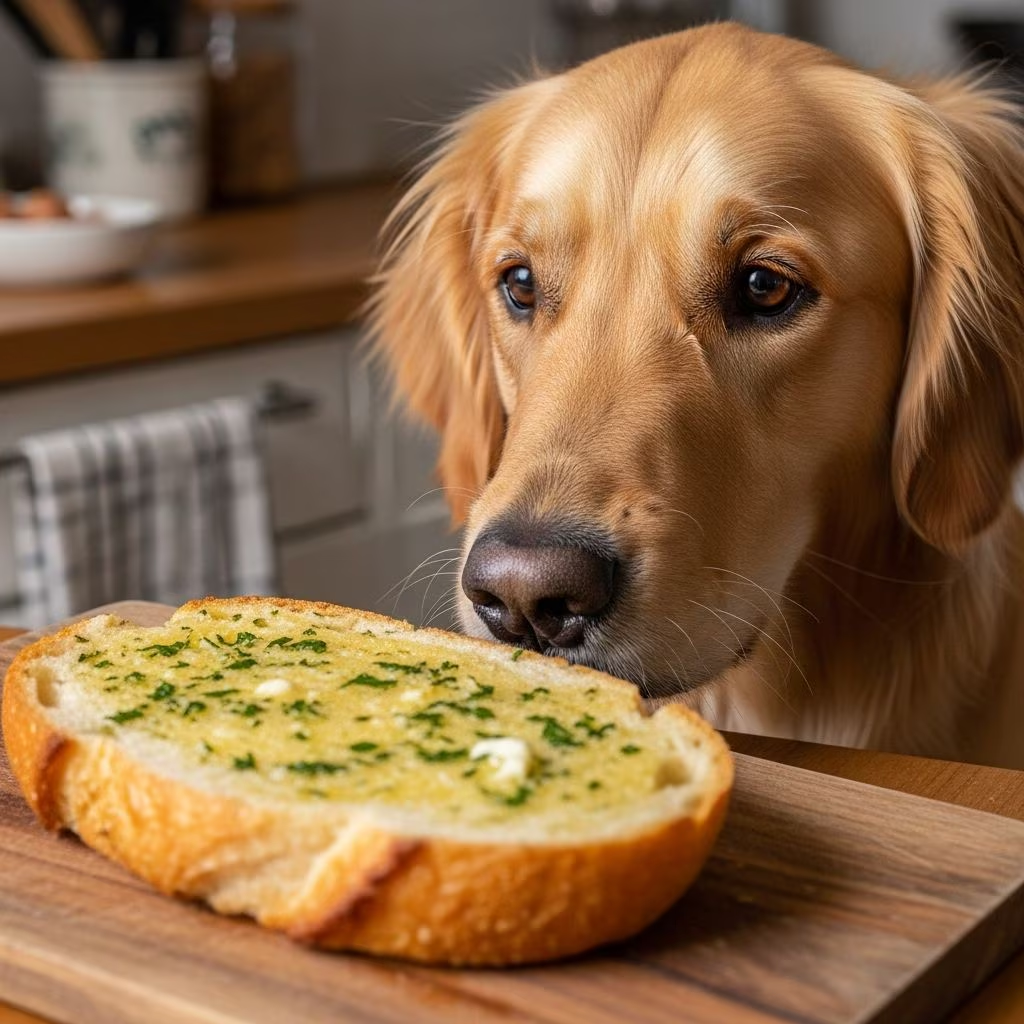
Garlic bread is a beloved human treat, but it’s highly dangerous for dogs. Garlic, a key ingredient, contains toxic compounds that damage red blood cells, potentially causing life-threatening hemolytic anemia. Even small amounts in bread can harm pets, compounded by butter and high fat content leading to digestive upset or pancreatitis.
This article breaks down why dogs cannot safely eat garlic bread, symptoms to watch for, immediate actions if ingestion occurs, and healthier treat alternatives. Understanding these risks helps keep your furry friend safe.
Why Is Garlic Toxic to Dogs?
Garlic belongs to the Allium family, including onions, leeks, and chives—all toxic to dogs. It contains N-propyl disulfides and thiosulfates, sulfur compounds dogs metabolize poorly. These bind to red blood cell hemoglobin, causing oxidative damage and cell rupture (hemolysis).
Garlic is about five times more potent than onions due to higher concentration. Raw, cooked, powdered, or in bread, toxicity risks remain. Effects are cumulative; repeated small exposures build up over time.
- Mechanism of harm: Thiosulfates oxidize hemoglobin, forming Heinz bodies that make cells fragile and prone to spleen/liver removal, reducing oxygen delivery.
- Dose-dependent: Toxic dose is roughly 15-30g/kg fresh garlic or 5g/kg dried powder. Small dogs face higher risk from tiny amounts.
- Delayed onset: Symptoms may appear 1-5 days post-ingestion, complicating detection.
Dogs lack human enzymes to detoxify these compounds efficiently, making even trace amounts risky, especially in concentrated forms like garlic bread.
Symptoms of Garlic Poisoning in Dogs
Garlic toxicity signs vary by dose and dog size. Small amounts may cause no immediate issues but contribute to chronic damage. Larger ingestions trigger acute symptoms within 24 hours to a week.
| Symptom | Severity | Timeline |
|---|---|---|
| Weakness/lethargy | Mild-Severe | 1-5 days |
| Vomiting/diarrhea | Mild | Hours-Days |
| Pale gums | Severe | 2-5 days |
| Increased heart/respiratory rate | Severe | Acute |
| Dark urine (hemoglobinuria) | Critical | 3-5 days |
| Collapse/jaundice | Emergency | Days |
Monitor closely post-exposure. Pale gums or dark urine signal hemolytic anemia needing urgent care. Smaller breeds and puppies are more vulnerable due to lower body mass.
Can Dogs Eat Garlic Bread Specifically?
No, dogs should never eat garlic bread. Beyond garlic’s toxicity, it often contains butter, oil, salt, and herbs that exacerbate issues:
- High fat: Triggers pancreatitis, vomiting, diarrhea.
- Butter/dairy: Many dogs are lactose intolerant, causing gas and upset.
- Salt: Risks dehydration, sodium ion poisoning.
- Even trace garlic: Cumulative in occasional shares, per vets.
A single slice might not kill a large dog immediately, but risks outweigh any ‘treat’ appeal. Opt for dog-safe breads without Alliums.
What to Do If Your Dog Eats Garlic Bread
Act fast—don’t wait for symptoms. Contact your vet, emergency clinic, or Pet Poison Helpline (888-426-4435) immediately.
- Assess amount: Note quantity, dog’s weight, time ingested.
- Prevent absorption: Vet may induce vomiting (if recent) or give activated charcoal.
- Supportive care: IV fluids, anti-nausea meds, blood transfusions for severe anemia.
- Monitoring: Blood tests track red cell count, organ function over days.
Prognosis is good with early intervention; delays can lead to organ failure or death. Keep Allium foods inaccessible.
Are There Safe Amounts of Garlic for Dogs?
No safe threshold exists. Some holistic sources claim tiny doses aid fleas/immunity, but veterinary consensus rejects this due to toxicity risks. Balanced dog food provides all nutrients without hazards. Factors like breed, age, health influence sensitivity—no ‘safe’ universal amount.
Alternatives: Safe Treats for Dogs
Skip garlic bread; choose these vet-approved options:
- Plain bread: Small pieces occasionally (low calorie).
- Carrots/apples: Crunchy, low-cal, vitamin-rich (remove seeds).
- Blueberries/pumpkin: Antioxidants, digestive aid.
- Commercial treats: Grain-free, low-fat formulas.
Limit treats to 10% daily calories. Consult vet for dietary needs.
Frequently Asked Questions (FAQs)
Can dogs eat food with garlic?
No. Even trace amounts in sauces, pizza, or soups accumulate toxicity. Avoid entirely.
Can dogs eat garlic powder or salt?
No—concentrated forms are highly toxic in tiny doses. Common in seasonings.
Is cooked garlic safer?
No, cooking doesn’t neutralize toxins. All forms dangerous.
How much garlic bread is too much?
Any amount risky; depends on dog size. Treat as emergency.
Can garlic help with fleas?
No evidence supports; risks outweigh unproven benefits.
Preventing Garlic Toxicity
- Store human food securely.
- Educate family on no-sharing rule.
- Use dog-specific recipes.
- Train ‘leave it’ command.
Proactive steps ensure safe, happy lives for pets.
References
- Can Dogs Eat Garlic? — PetMD. 2023-10-15. https://www.petmd.com/dog/nutrition/can-dogs-eat-garlic
- Can Dogs Eat Garlic? A Guide to Safety — Purina US. 2024-05-20. https://www.purina.com/articles/dog/feeding/can-dogs-eat/garlic
- Can Dogs Eat Garlic? — Chewy. 2024-02-12. https://www.chewy.com/education/dog/food-and-nutrition/can-dogs-eat-garlic
- Can Dogs Have Garlic: Is It a Pet Emergency? — GSVS. 2023-11-08. https://gsvs.org/blog/can-dogs-have-garlic-emergency-guide/



